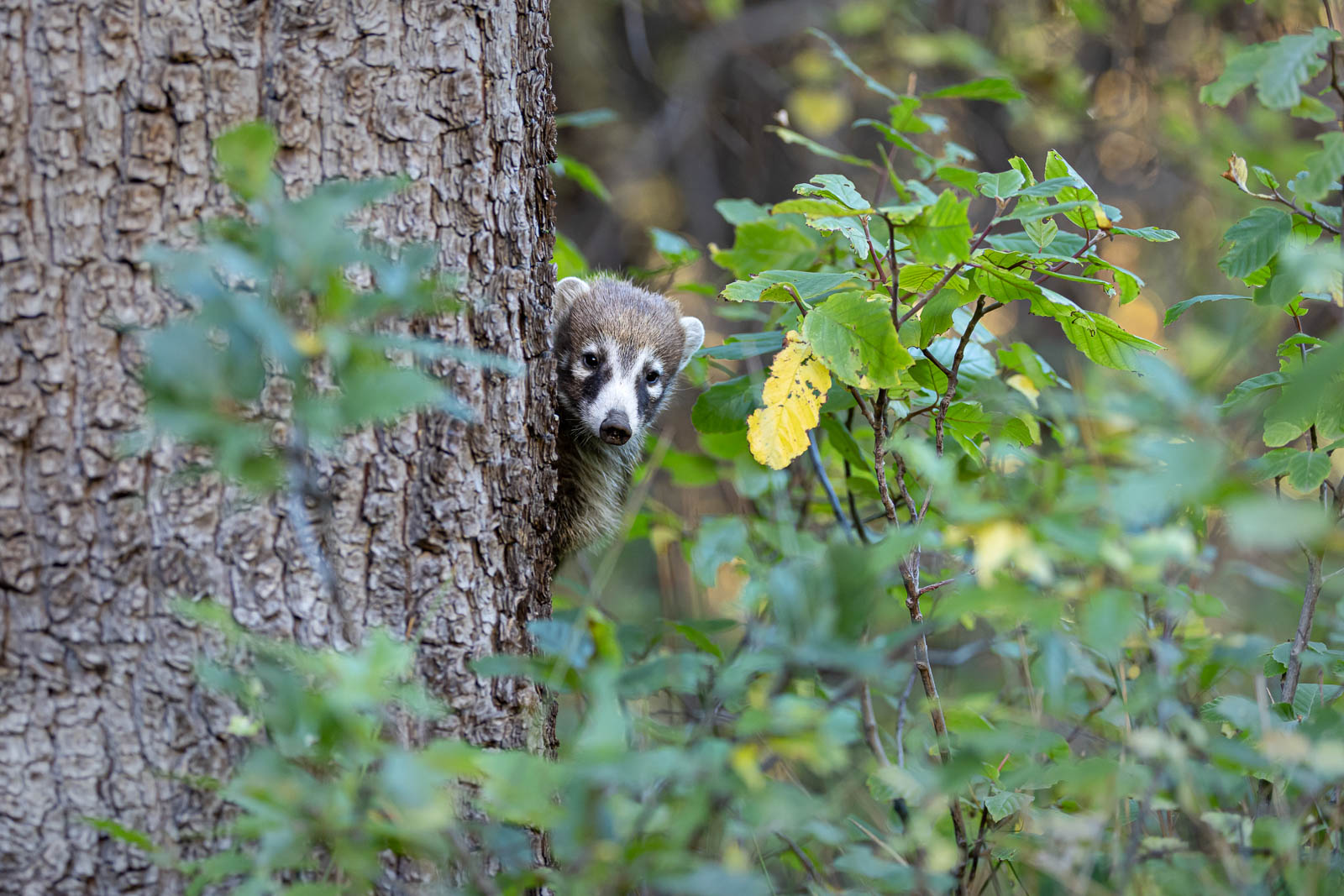
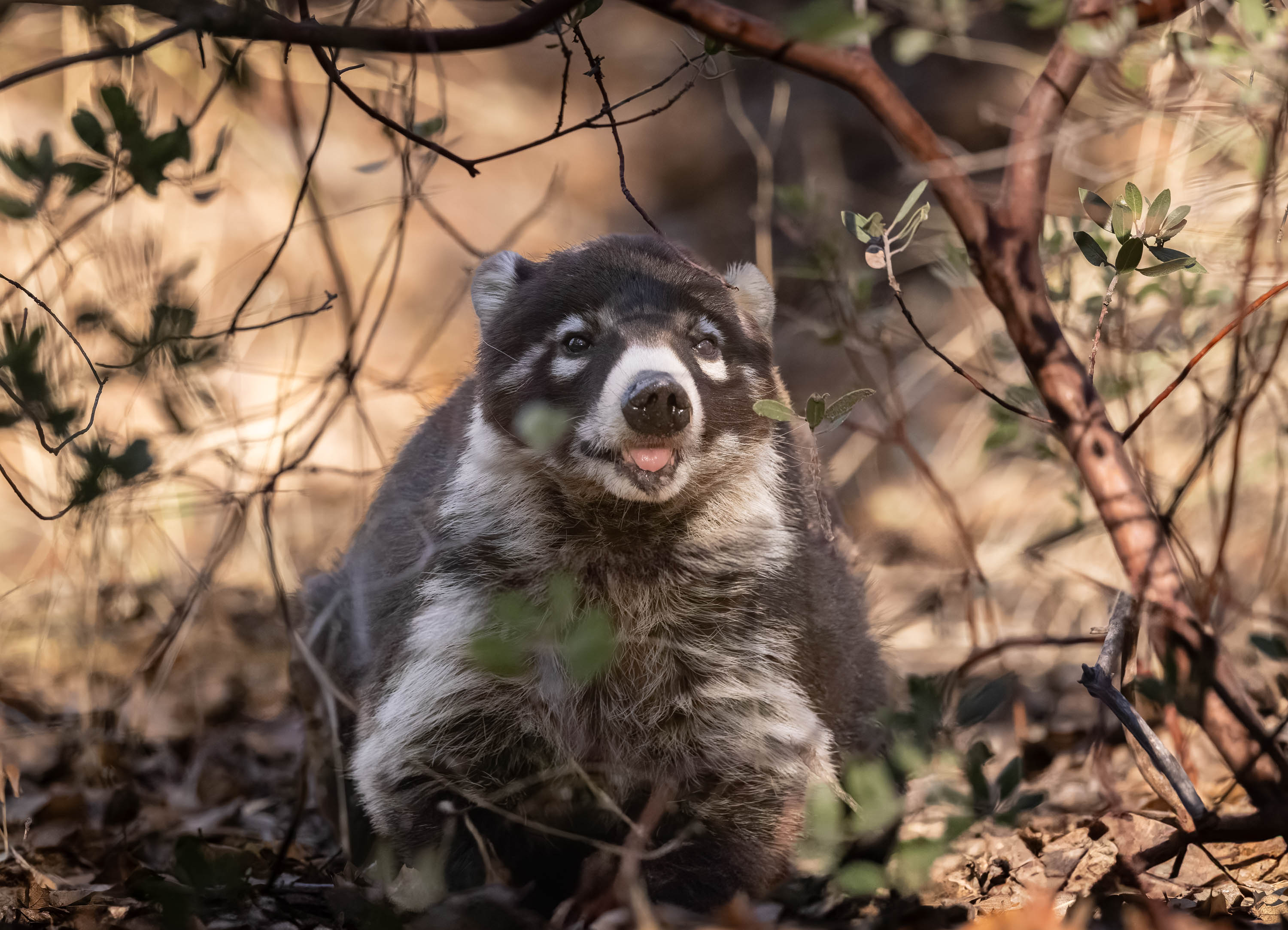
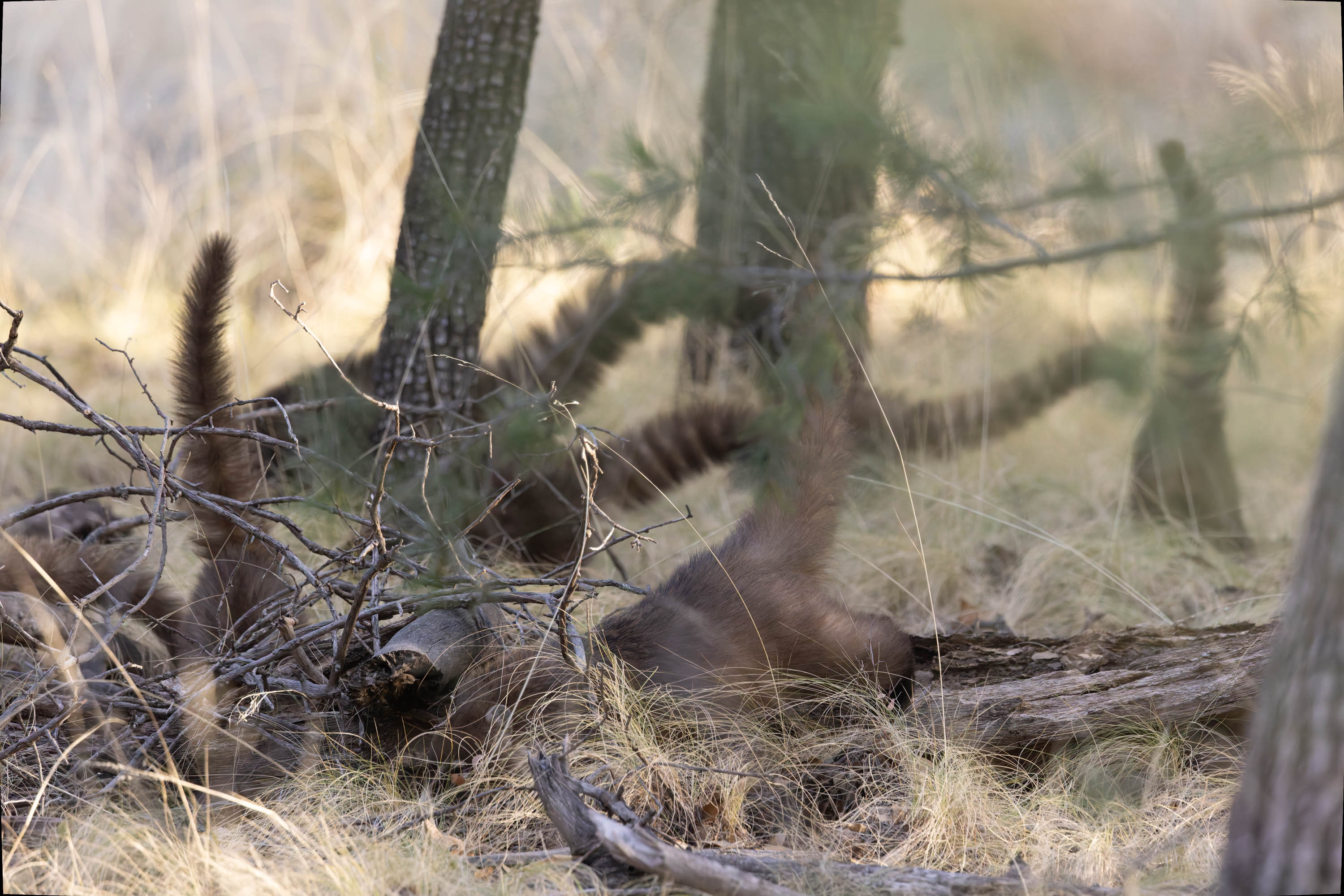
Coatimundi are a rarely seen Arizona mammal that inhabits our Southern and Eastern parts of the state. They band together and where you might see one, there are often more.
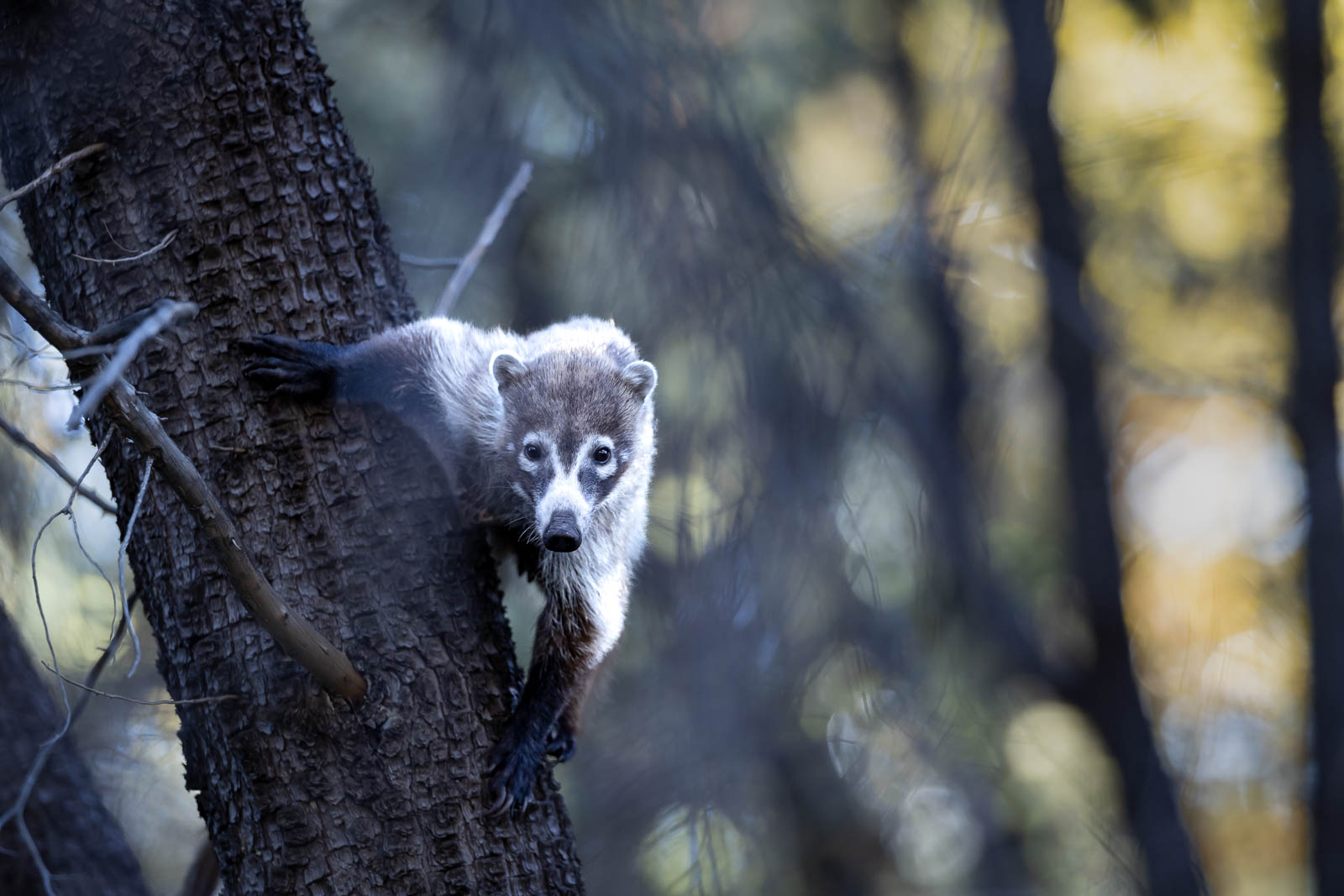
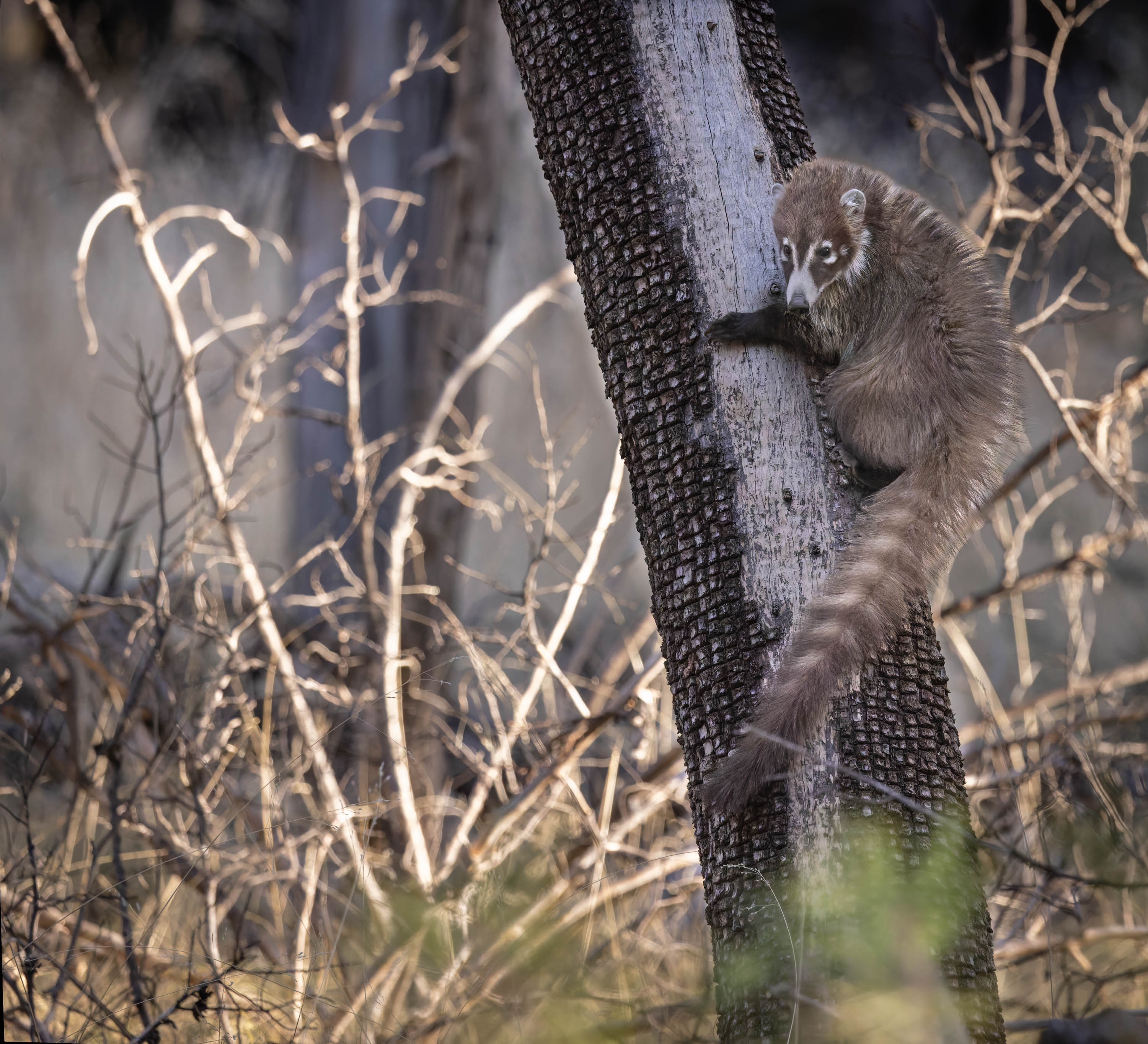
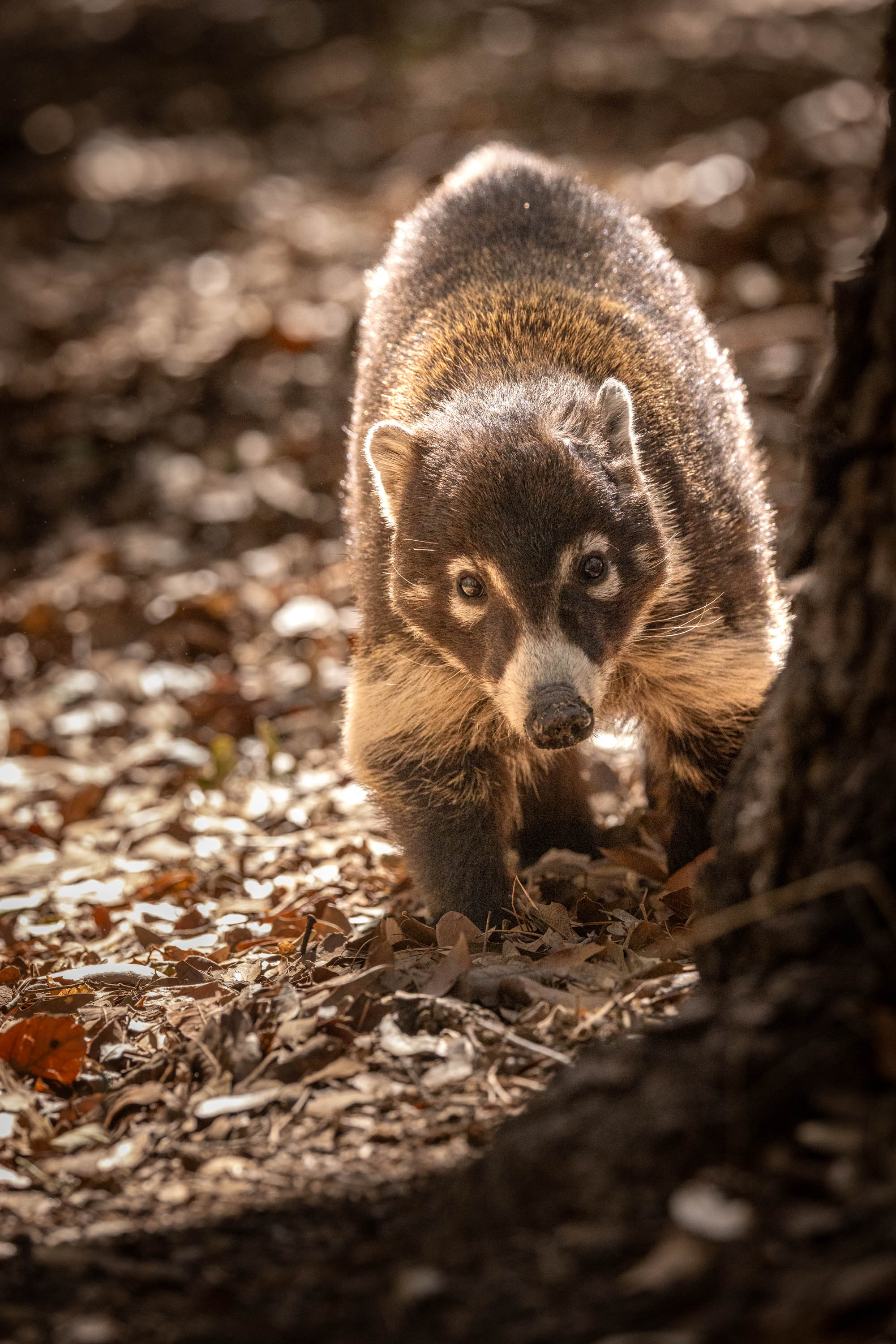
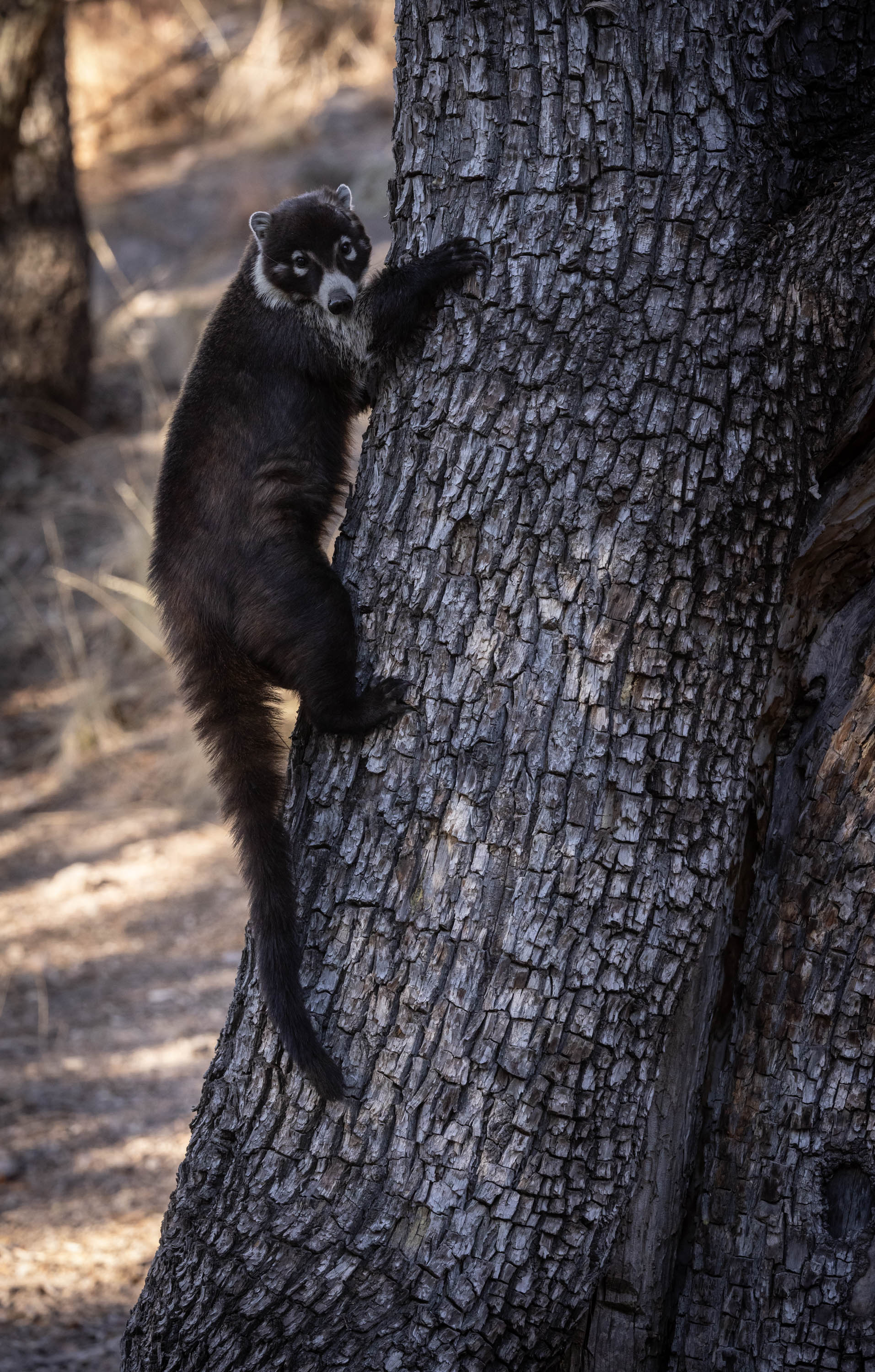
They are cute little guys with a long tail and white snout. They forage for seeds and nuts under the fallen foliage of oaks and sycamore trees. If spooked, they handily find refuge in trees.
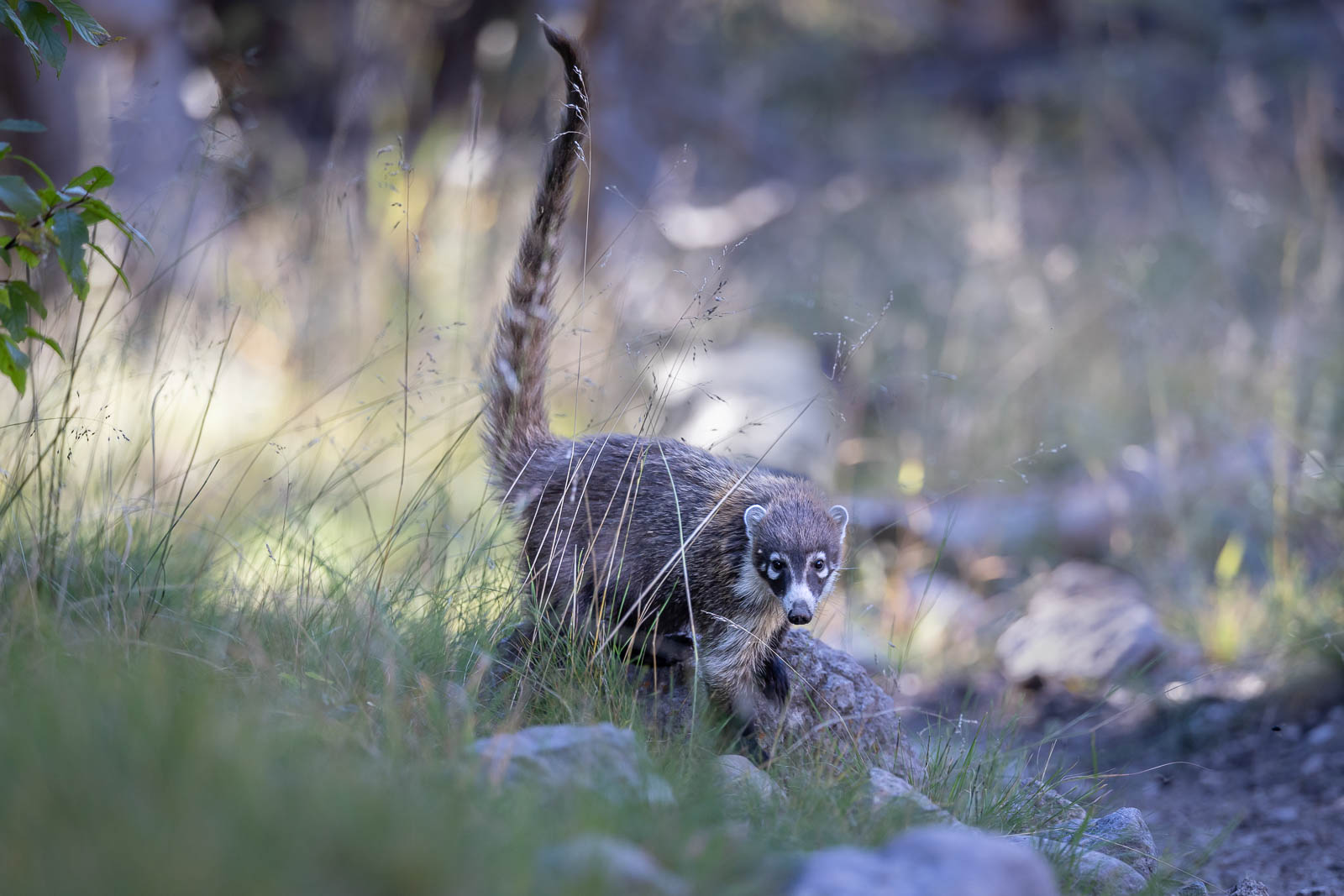
We were lucky enough to see a band of them while camping. They can be found at higher elevations, often near water sources, and can be spotted by their stripped tail raised high in thick grass.
The more of them I see, the more I want to see. Sightings can be fleeting, so I am thrilled for every opportunity to take advantage of it.
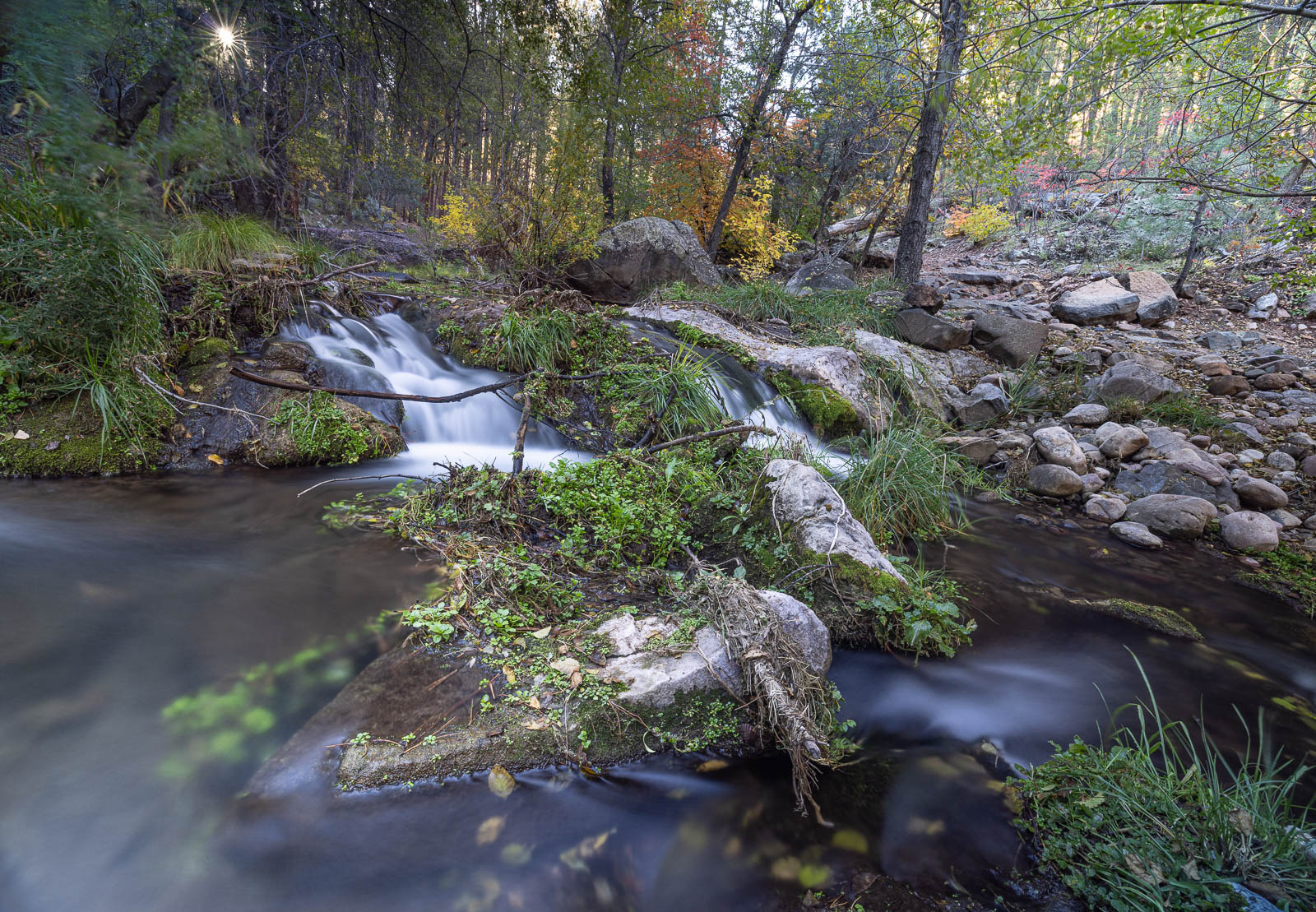
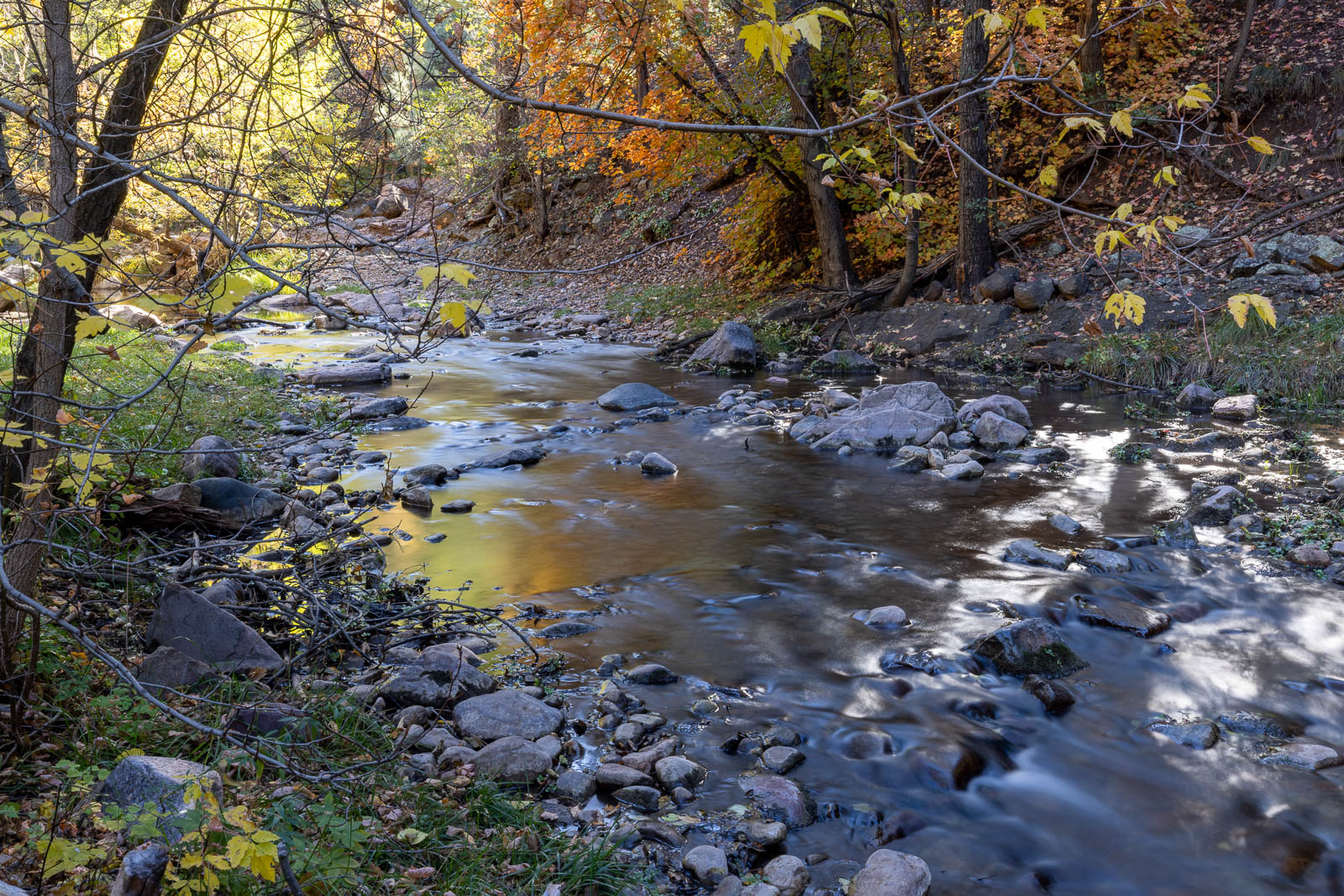
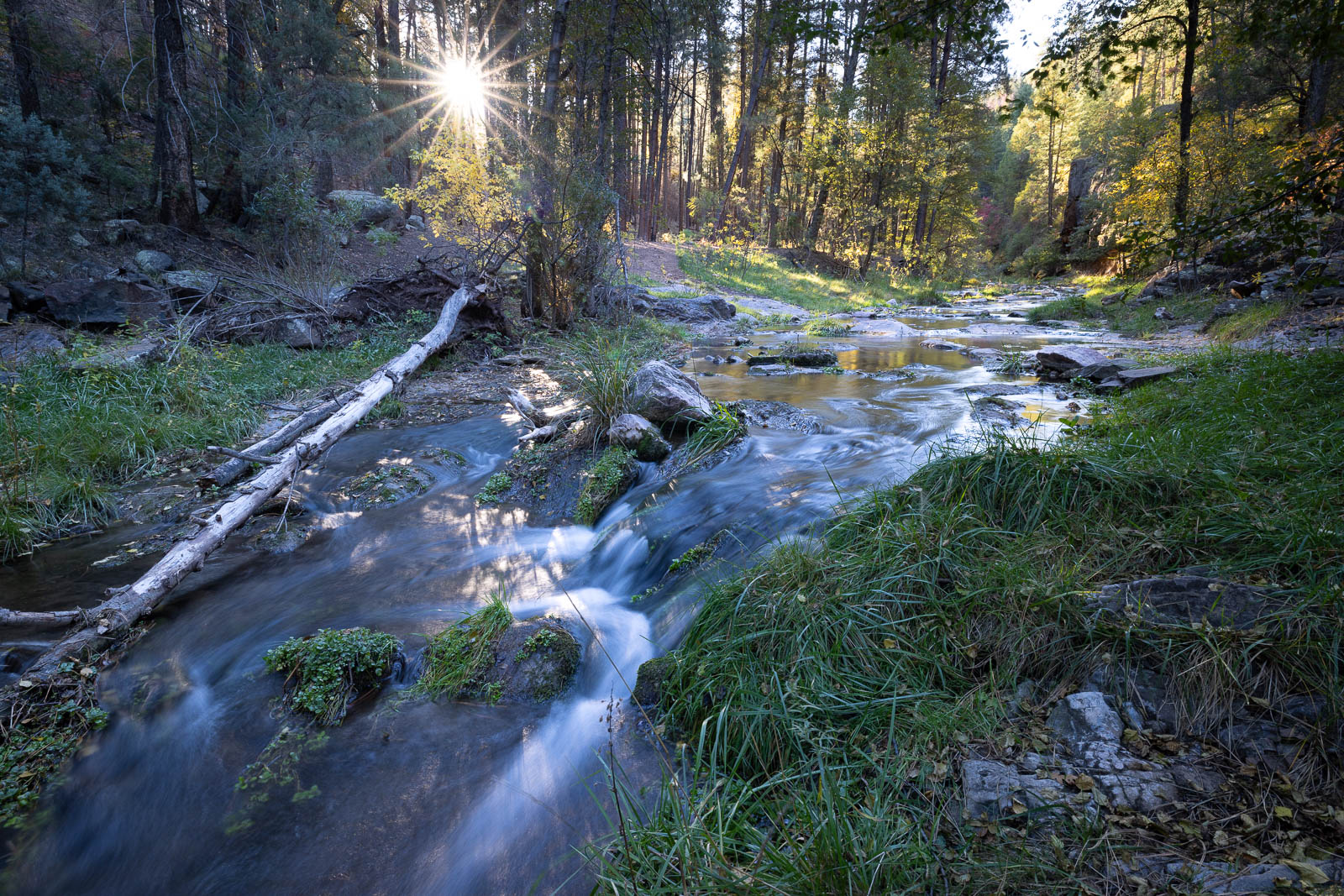
The late cold snap has brought vibrant color to our forests and trees. As time goes on, the leaves begin to change at lower and lower elevations. We covered the higher altitudes of Mogollon Rim and Green’s Peak around 7500′ (see pix here .. https://kritterspaw.com/2025/10/18/fall-colors-2/)
So we figured we would hit the lower elevations near Payson, AZ and see if we could get some color around 5500′.
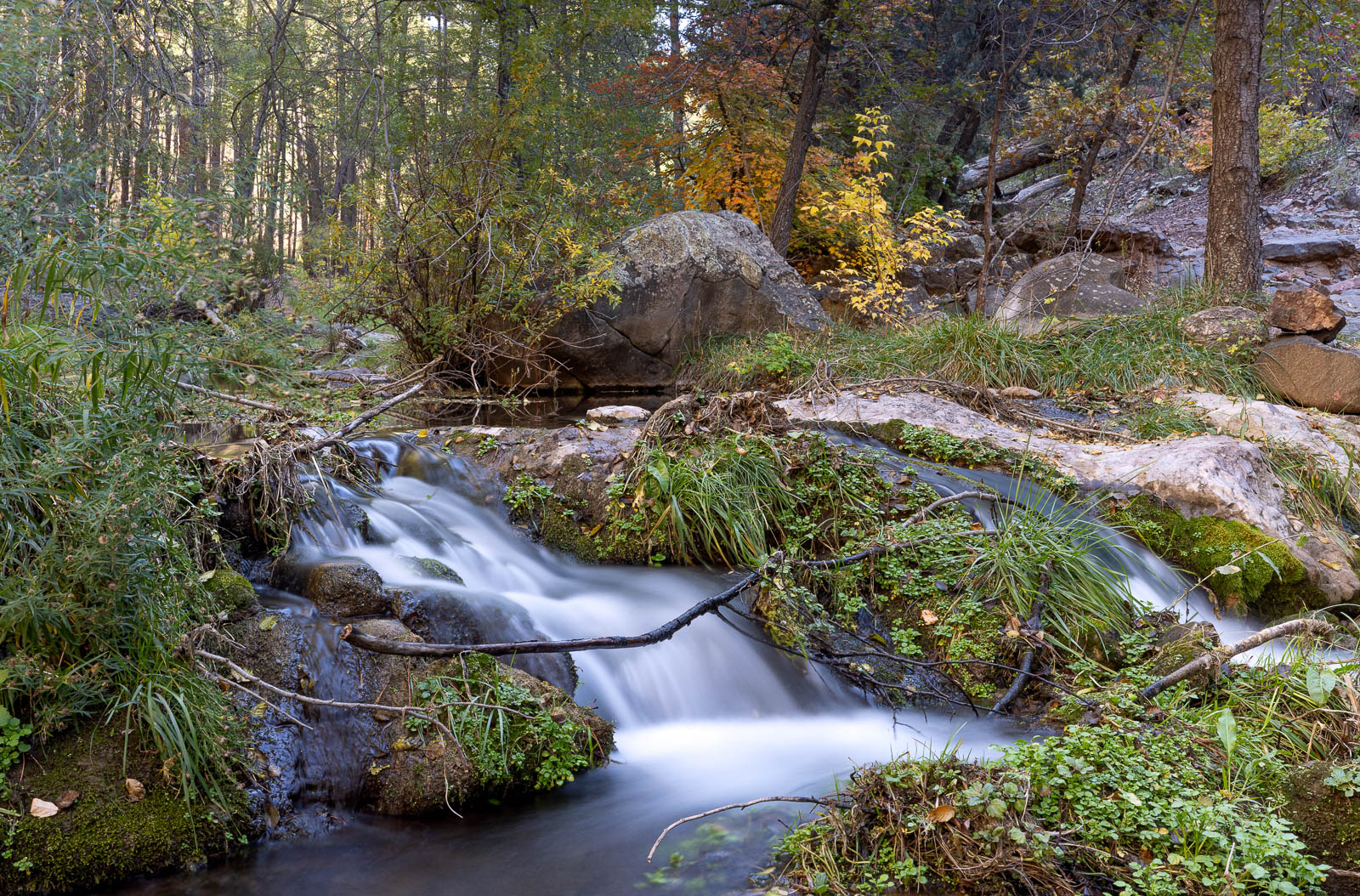
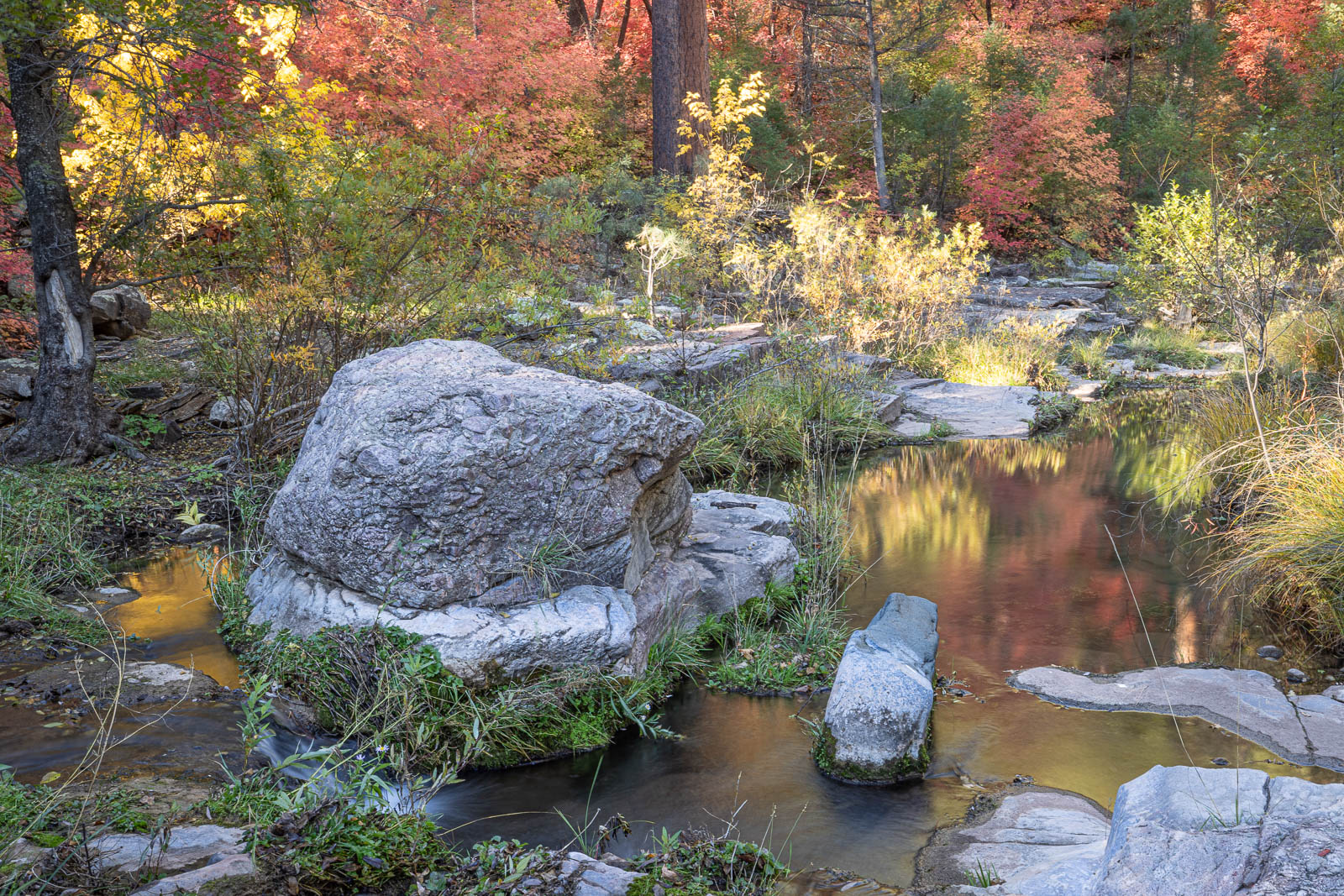
While colors of green, gold, red, and orange pop against gorgeous landscapes, the only thing that makes it better is reflection in the water.
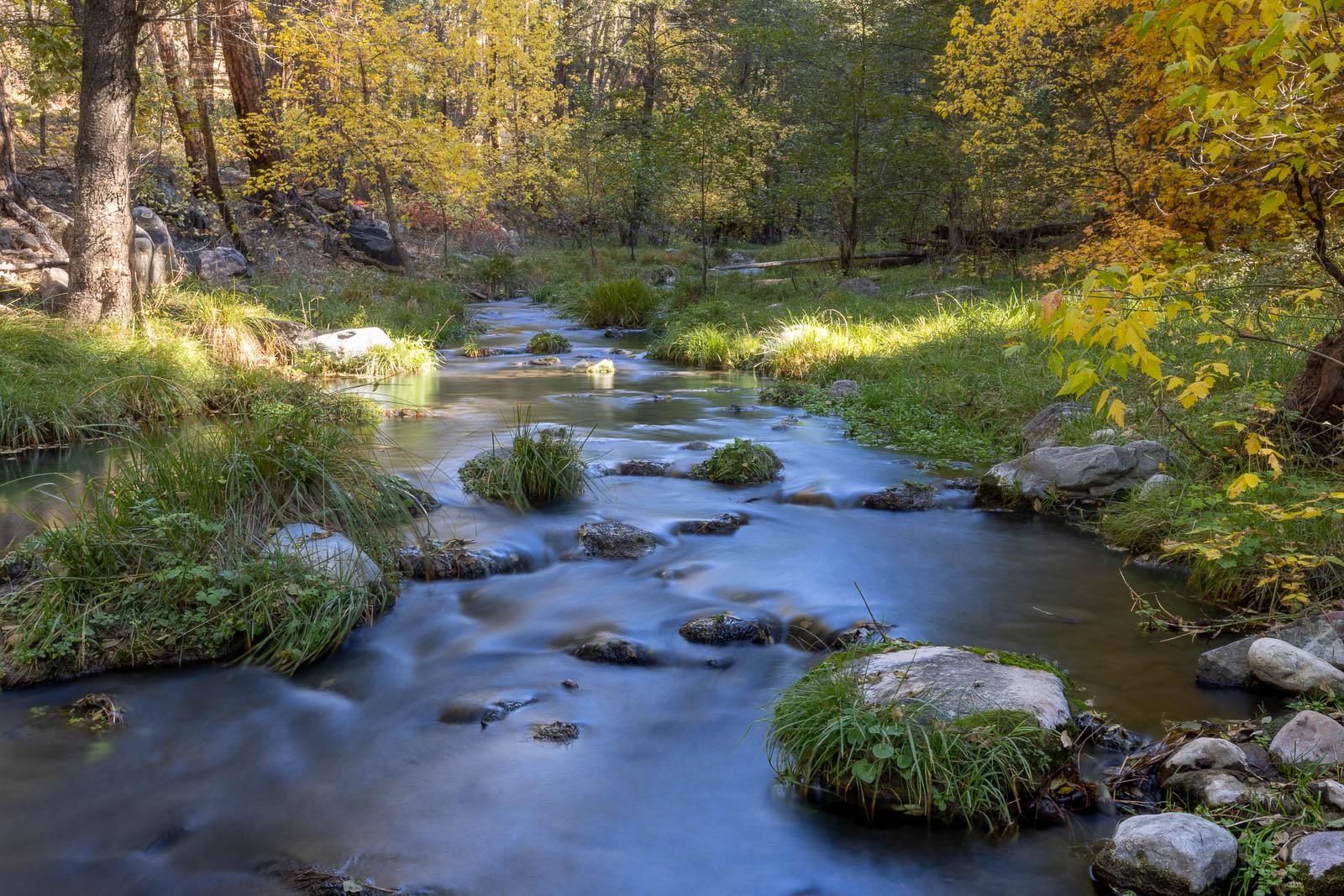
Creeks and streams litter our road maps with little blue lines scattered all over Arizona. The difficult part is finding actual water, which can prove to be a challenge. But we were up for the task and trekked deep into the back roads to find a special spot that yielded great color and reflections.
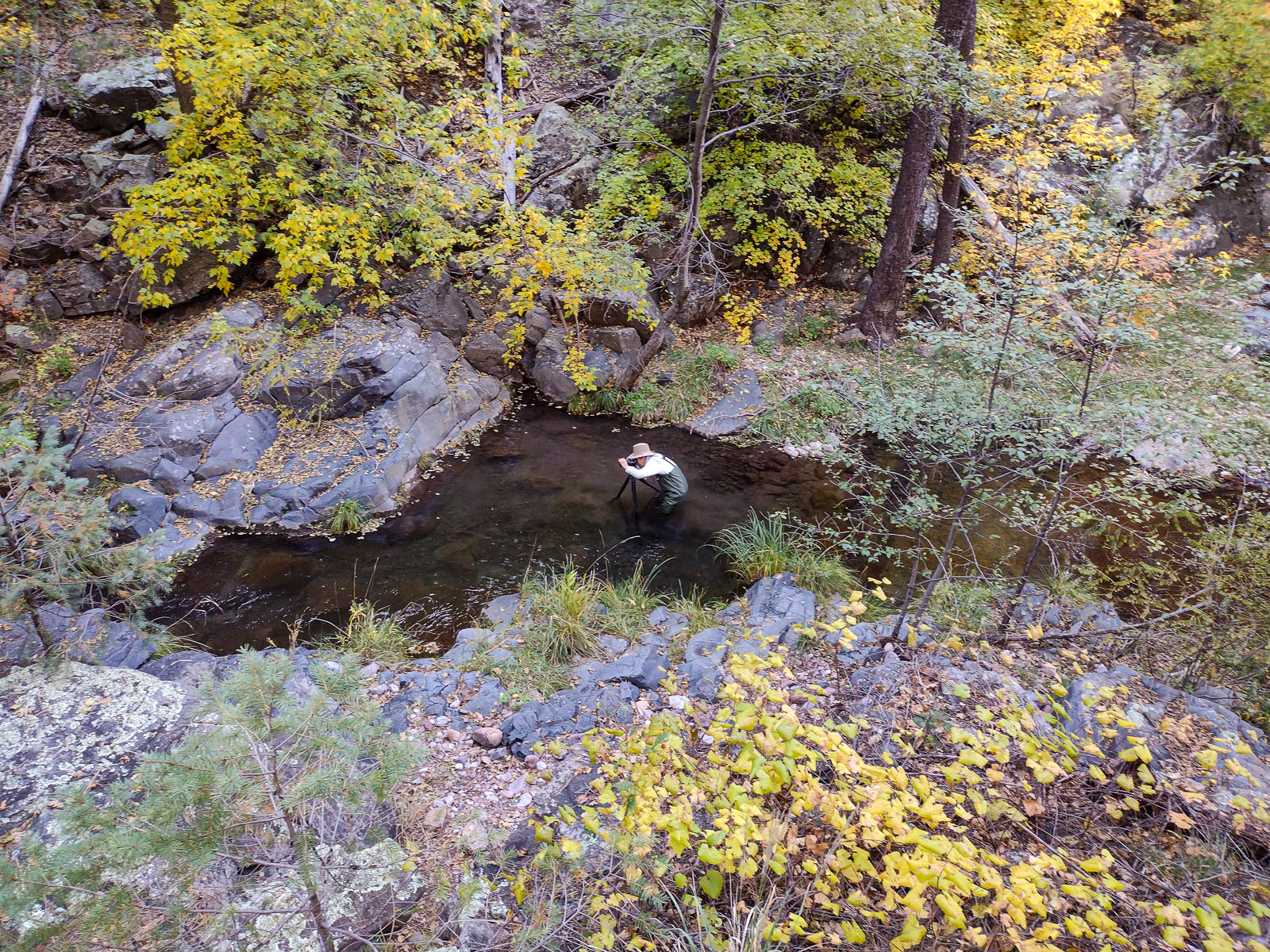
I donned my waders and got in deep, shooting low from my tripod for long exposures to create soft water and moody images.
There is something truly special about being surrounded by such beautiful scenery, and the stunning natural environment we live in. It’s hard to get enough and keeps us going out for more.
I hope I managed to capture the heart and soul of this spectacular season.
For the sake of this post, I am including Birds in ‘Wildlife’, that I myself could dispute whether is appropriate. Arizona Highways does, so I guess it’s fair game.
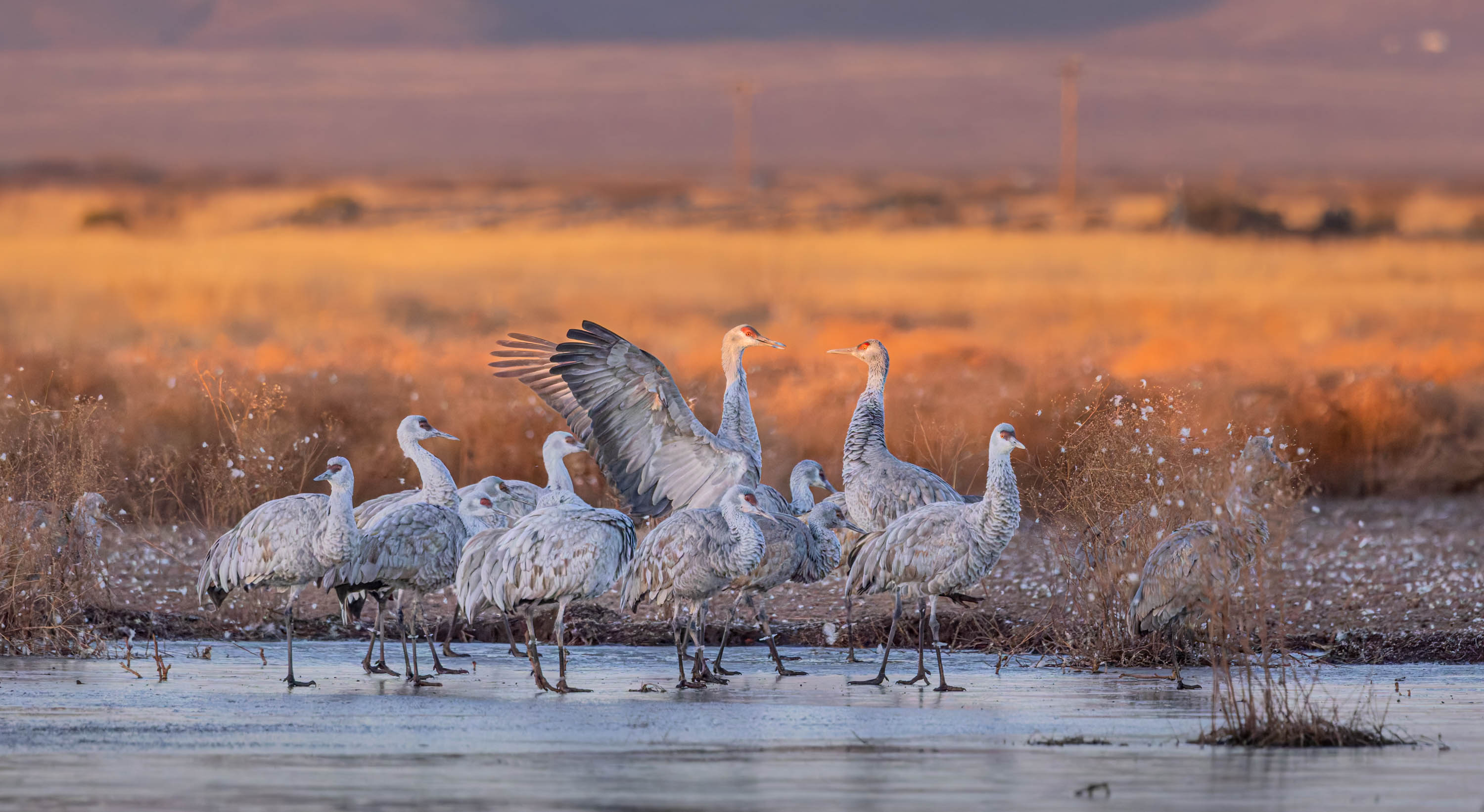
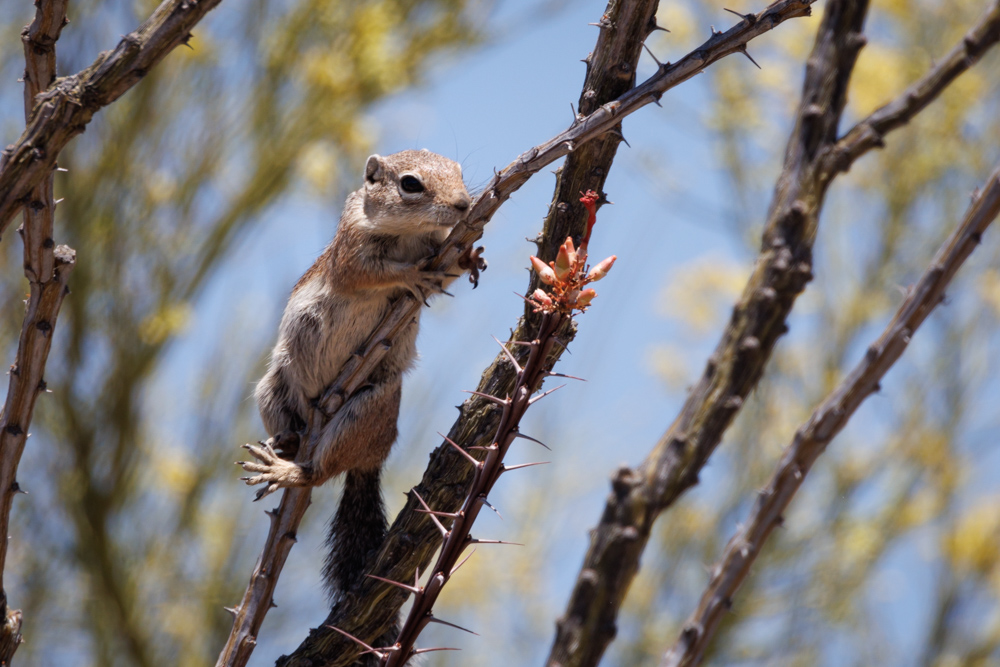
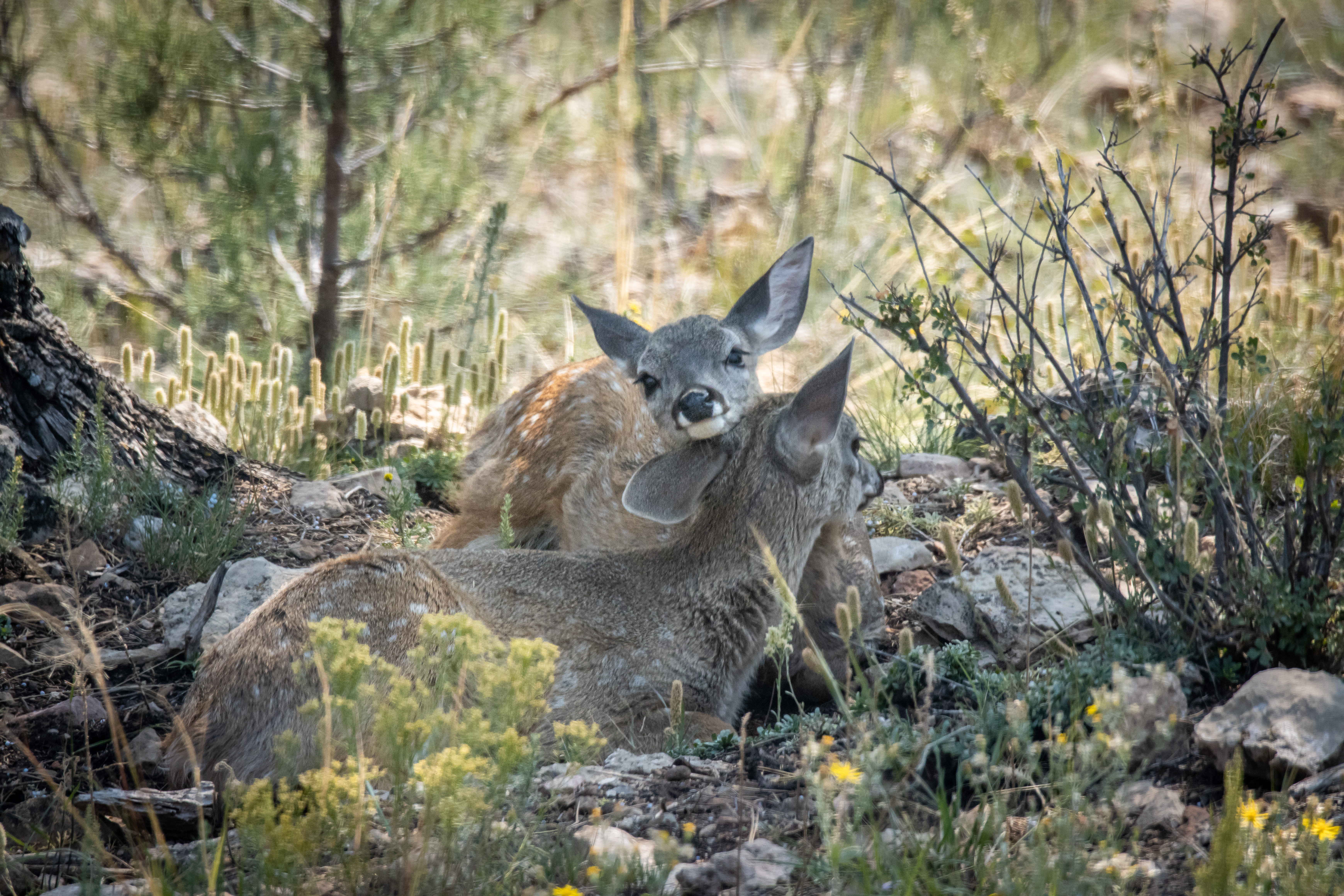
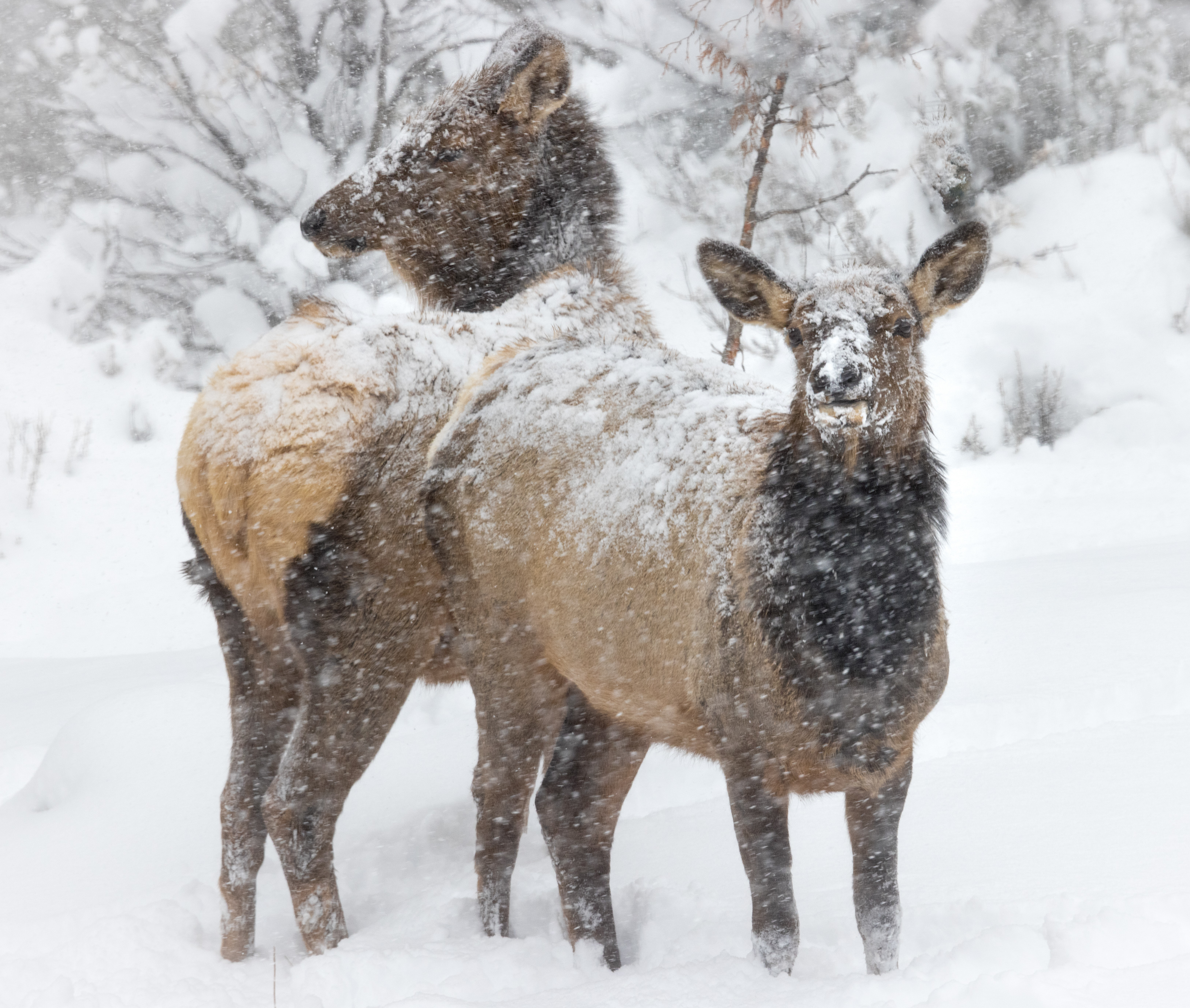
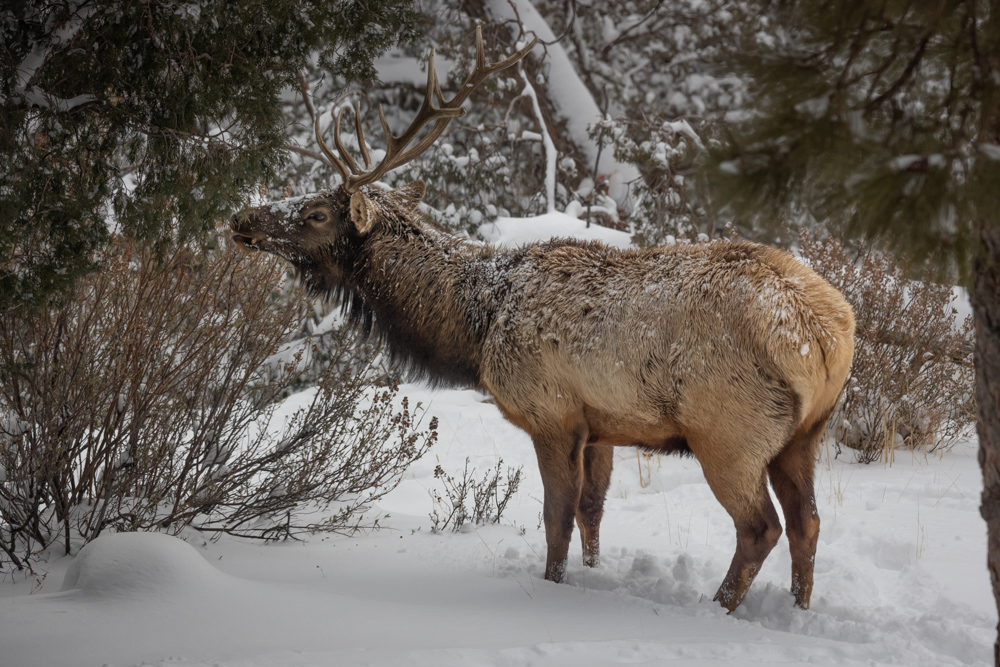
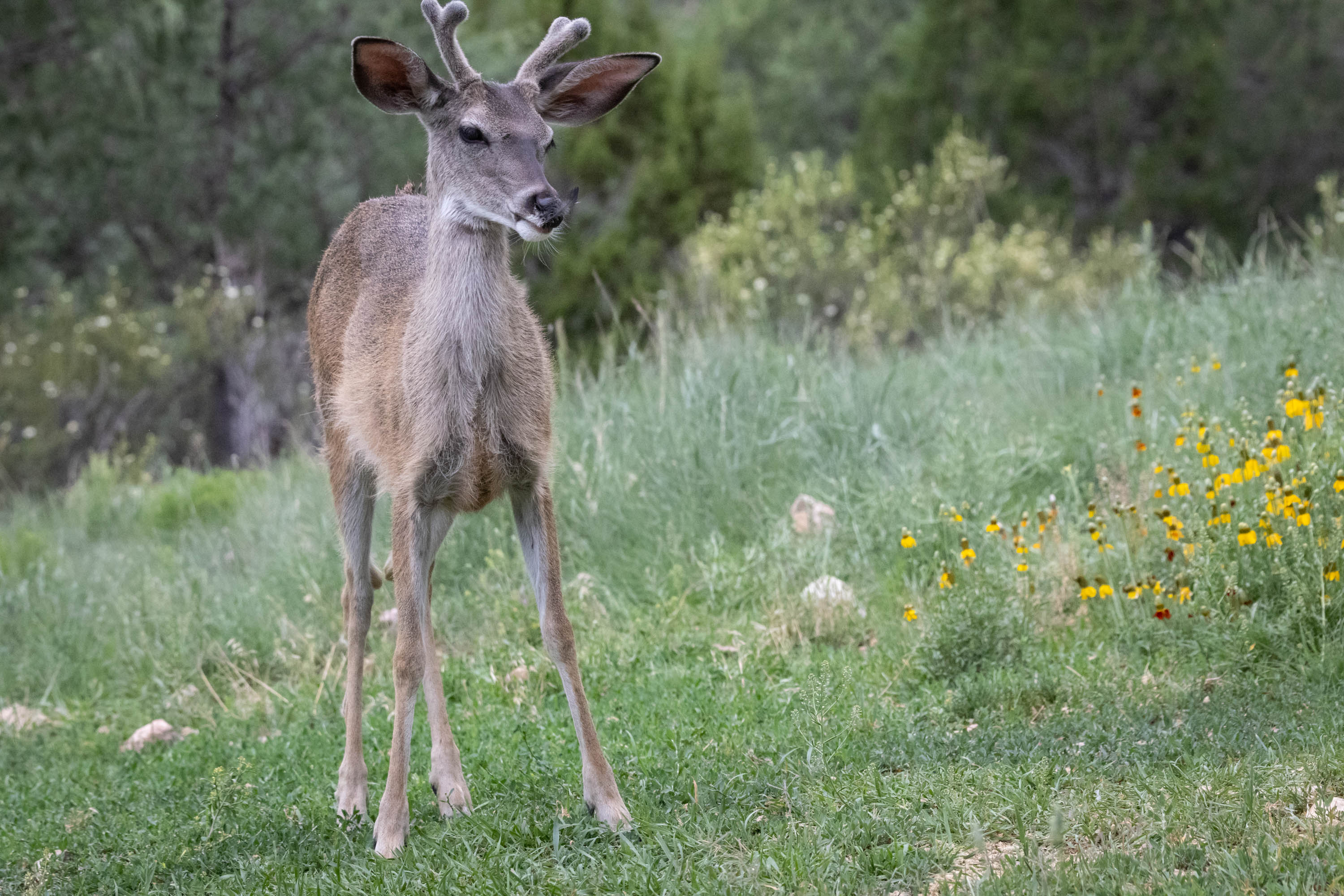
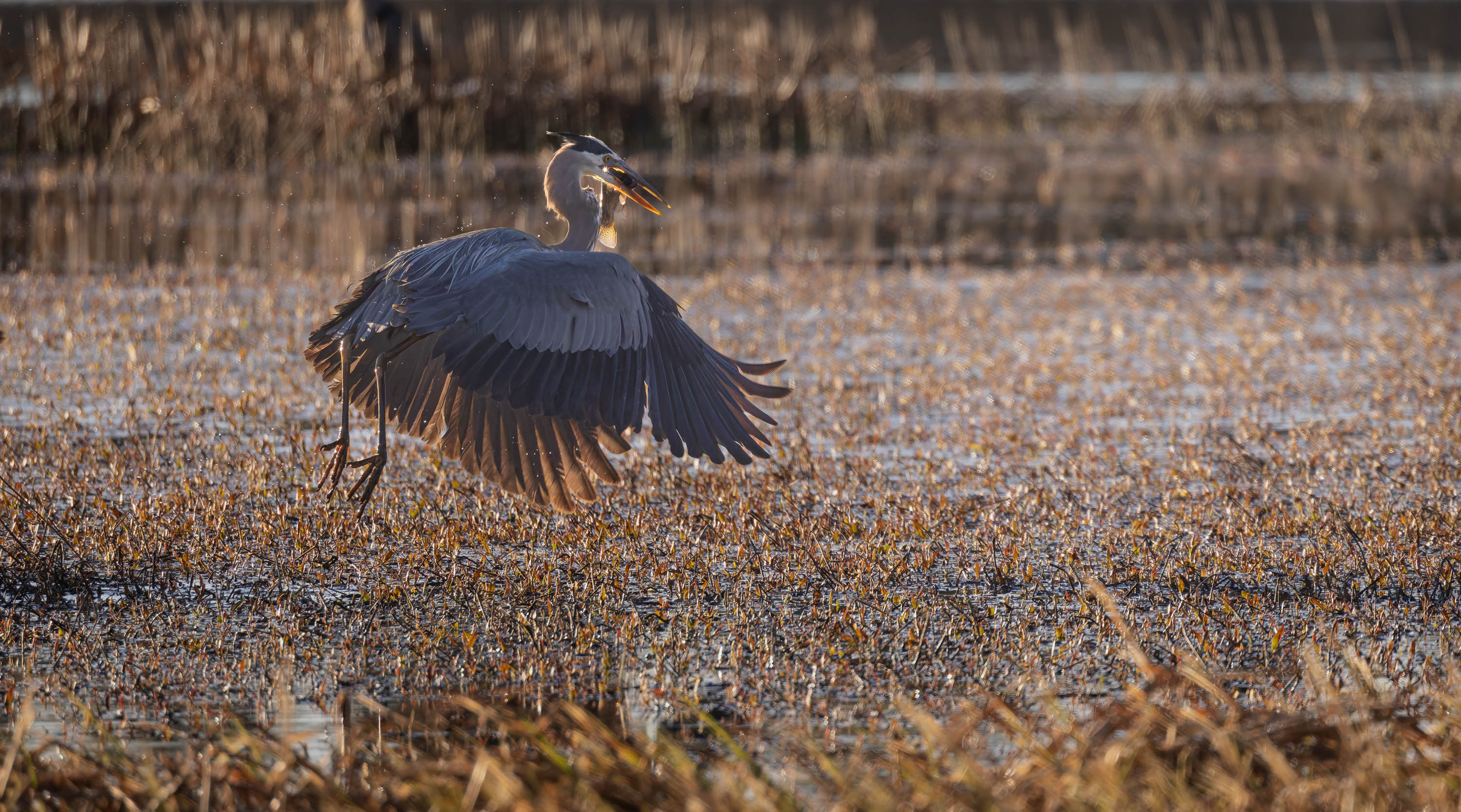
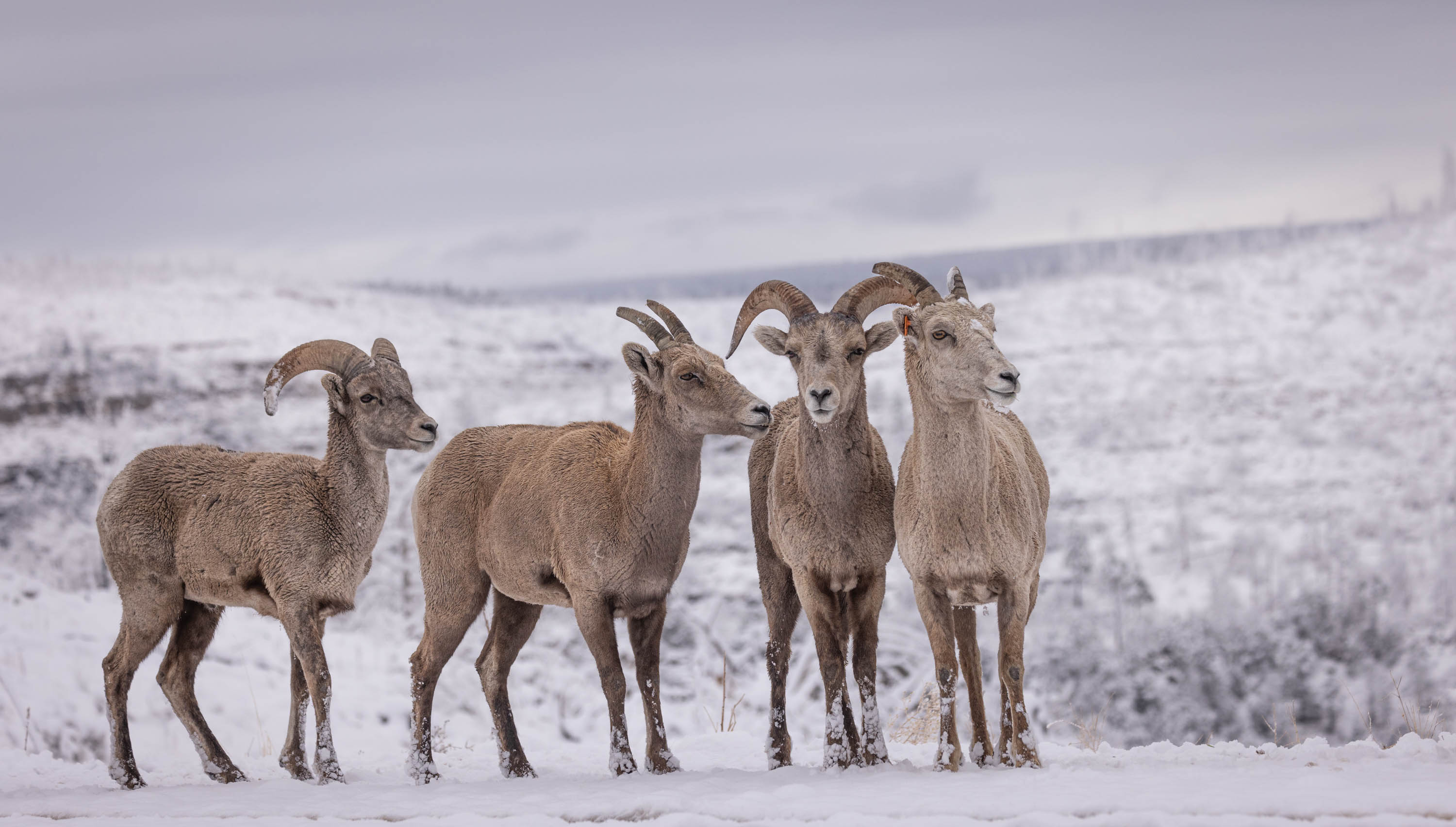
Herd of big horn sheep play in the snowBaby gray foxSandhill cranes at Whitewater Draw outside of TucsonCoatimundi portrait Coatimundi Pose, taken south of TucsonArizona Black Bear portraitArizona Black Bear looking for grub in forestGround squirrel braves sharp spires of the ocotillo for some of it’s tasty ‘candy corn’ fruit.Osprey trolls for breakfastWe encountered this scrawy bobcat scavenging for food following a morning snowstorm outside of Stoneman Lake Road near Flagstaff.Coopers hawk stares down photographerTwin fawns cuddle in the woodsElk roots around into fresh fallen snowPygmy Owl takes refuge during snow storm.Large 5 pt bull munches pinecone off of tree.Long tail weasel checks out photographerYoung white tail fawn in forestWhite tail buck and doe share tender momentYoung buck gets a feather stuck to his nose.Momma white tail doe dotes on baby.Ram herd portrait
It would appear from the sheer volume of my picks, that I got carried away. I can’t help myself, I do love nature and wildlife. It is near and dear to my heart, and if I’m lucky that shows through in the photos.
I recently posted a blog post, ‘Wall Worthy Landscapes’, (https://kritterspaw.com/2025/10/10/wall-worthy-landscapes/), that had me thinking about cool Arizona places. In an effort to distinguish landscapes from places, I required my picks to have some kind of man-made structure, bridge, or artifact in the photograph.
After a fair amount of scouring these were some of the cool structure / places I chose for your viewing pleasure:
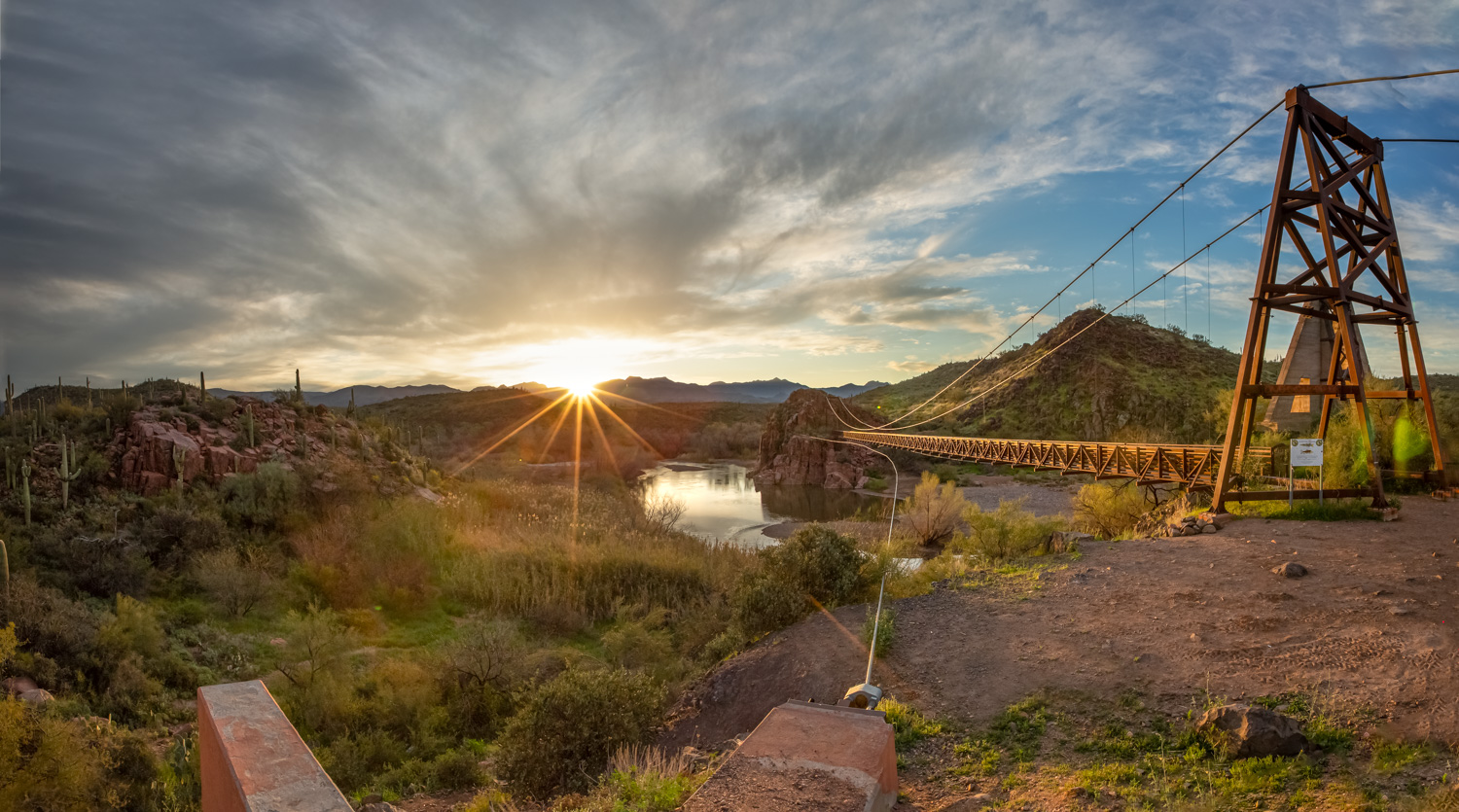
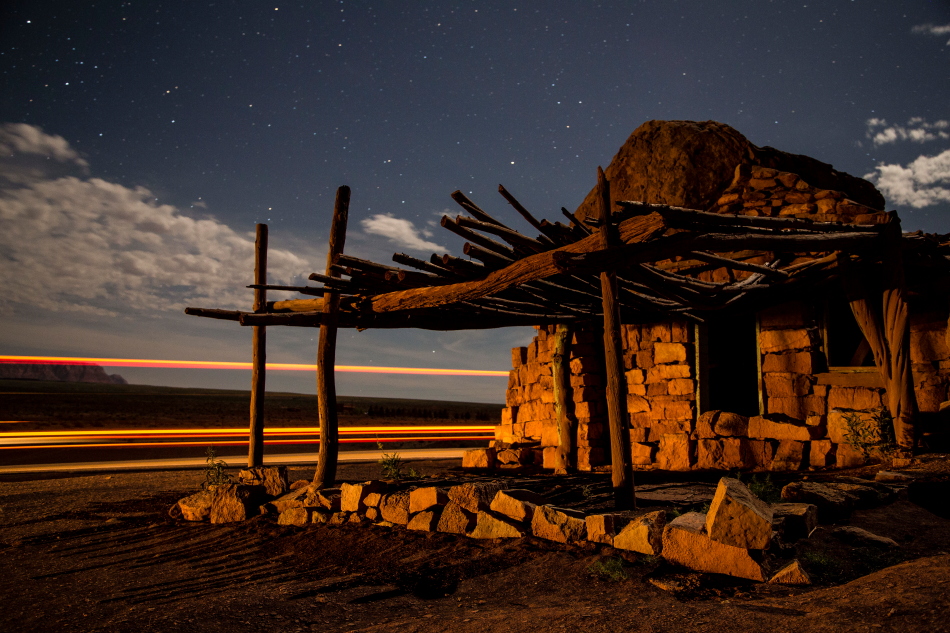
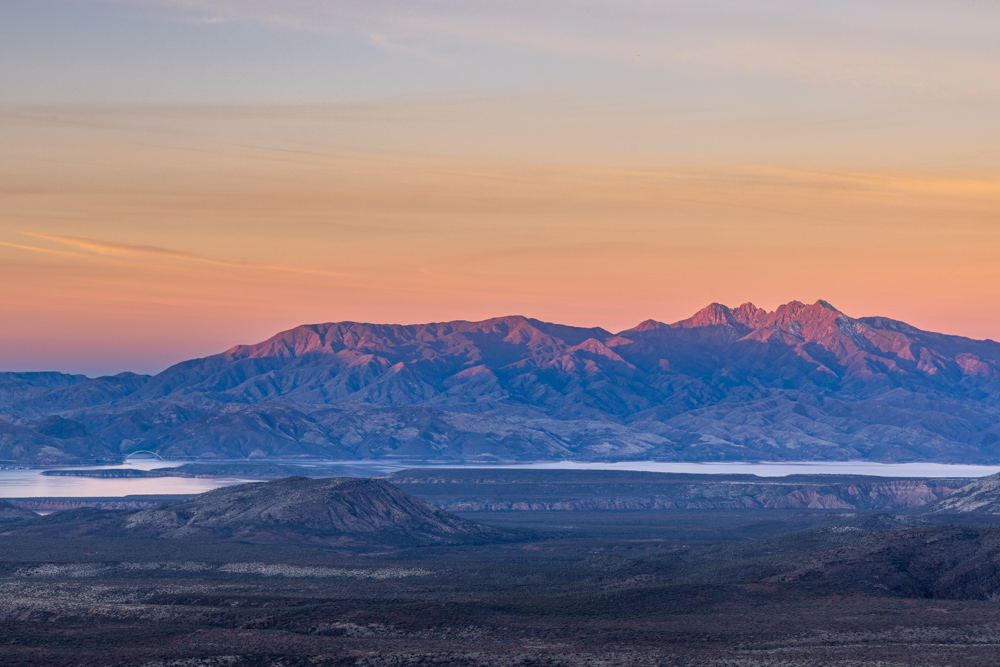
Bridge aross East Clear Creek en route to Mogollon RimDeadman anchors bridge at Sheeps CrossingSycamore Canyon RuinsCar streaks by ruins at Lee’s FerryFllintstone village at Aztec PeakFour Peaks morning glow over Roosevelt Lake bridge.Do tents count: Two tents camp at Aker LakeIf tents count, do paddle boards?: Dogtown Lake
Ok, so, admittedly, the last two were cheating. I confess to tent and paddleboards not qualifying as ‘man-made structures’, but they are factory-made, that accounts for something. This exercise highlighted for me that I don’t take that many photos of man-made structures.
In Arizona we have 3 different varieties of turkey: Merriam, Gould, and Rio Grandes. The Rio Grandes were introduced to Arizona in 2008 in the Arizona Strip along the Black Rock Mountain, near the border of Utah and the North Rim Grand Canyon and Vermillion Cliffs. The Gould turkey are a native turkey found in Southern Arizona and throughout the Chiricahua Mountains. Finallly, the Merriam turkey are common throughout western US, and prefer higher elevation and mountainous areas.
The Merriam turkey can be found along the Mogollon Rim. We encountered a group of 10 turkey: 4 adults, and 6 chicks. Interestingly, a group of turkeys go by many names, including rafter, posse, brood, flock, gang, herd, gaggle, and run are only a few of the many names for turkey congregations. The different names refer as much as the herd of turkey, as their activity. The original term, ‘rafter’ (no longer used), was coined by farmers where the turkey roosted in the rafters of barns. ‘Gaggle’ refers more to a noisy grouping of gobbling turkey. ‘Gang’ and ‘mob’ refer to noisy older males and young.
Our little flock is specifically referred to as a ‘brood’ as at least one adult female and a large group of young. The Merriam turkey can be identified by the pronounced white band on their tail feathers. Judging by the turkey feathers we collected from the area, and their locality in our ponderosa forest, we knew we were enjoying a Merriam turkey brood.
It never ceases to amaze me at how my passion for photography and desire to learn an animals behavior and habits to enable me to find and get closer to my subject, has made me more aware of the animal kingdom around us.
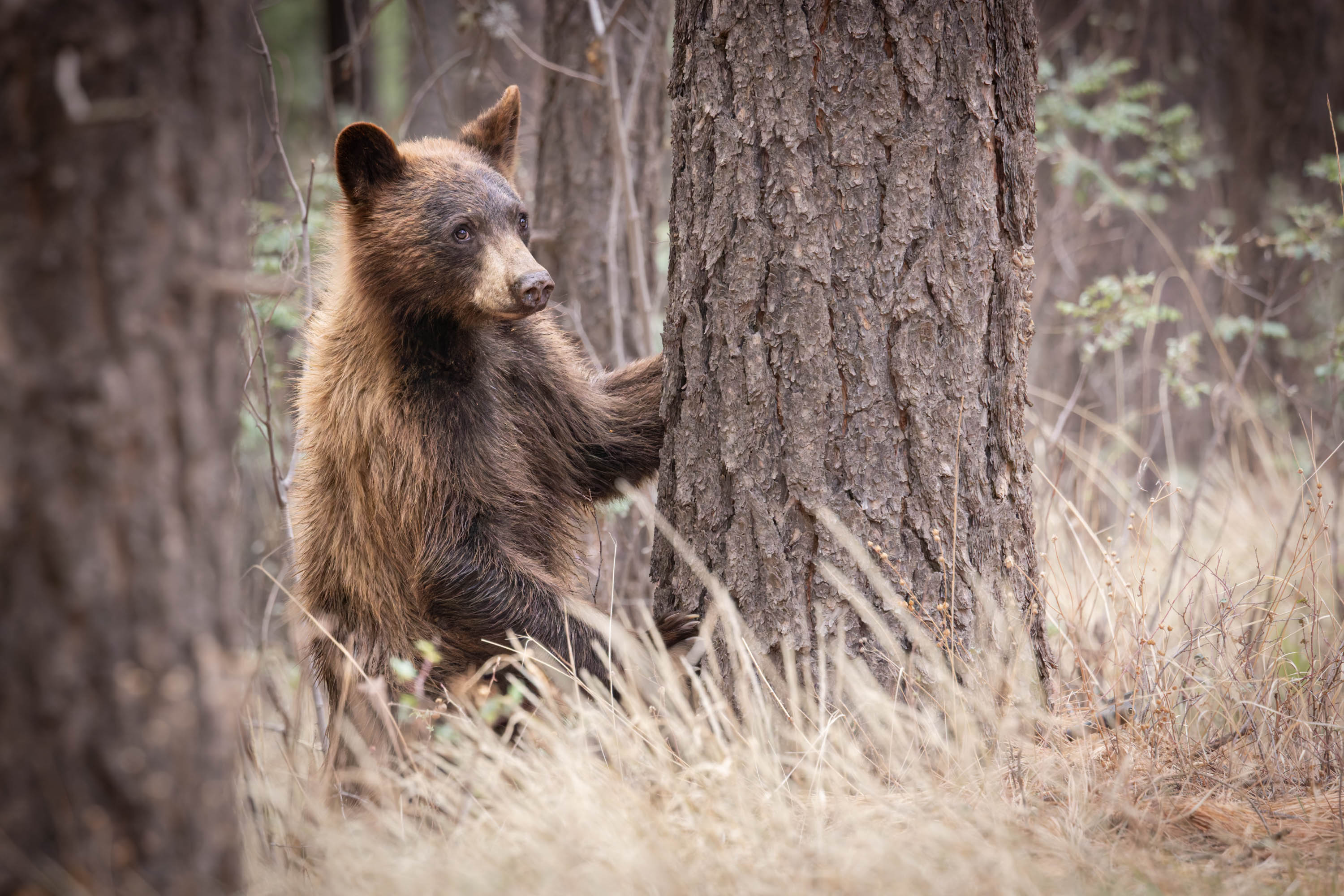
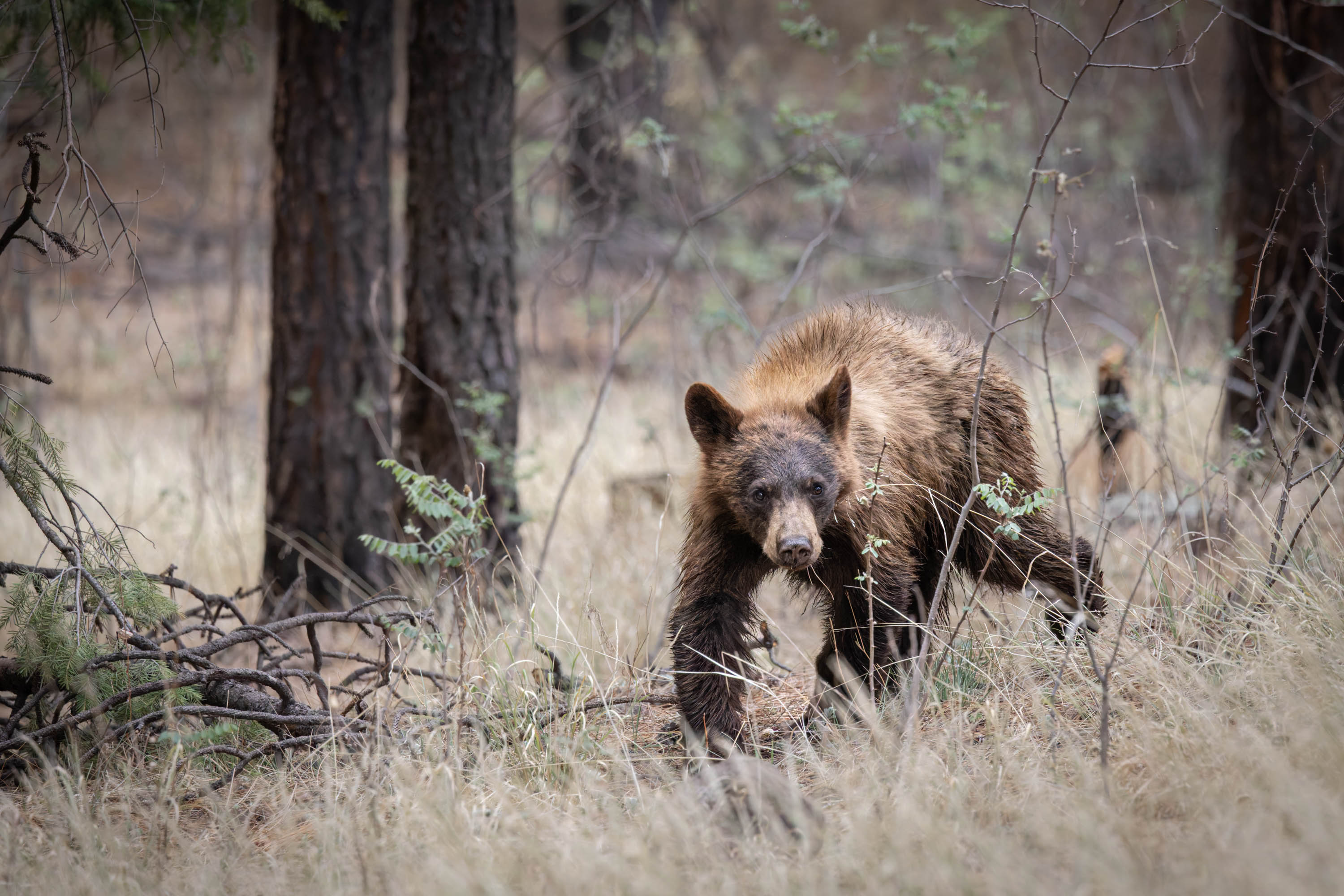
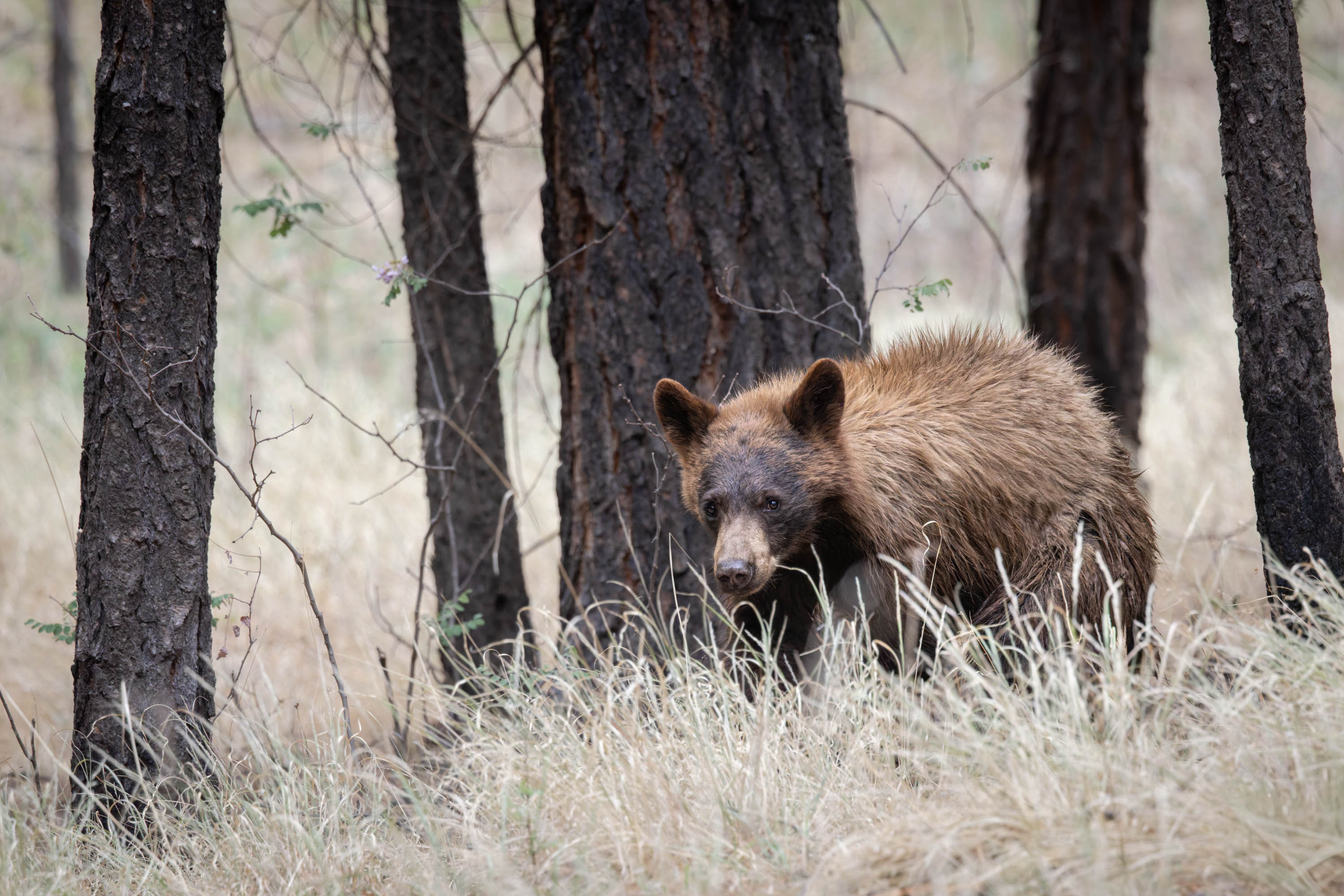
While out camping, we encountered a young Arizona brown bear. One might think that black bears are born brown and become black as they age. Or perhaps they are brown bears, not black bears at all, and an entirely different species.
In reality the brown bear is synonymous with a grizzly bear. Only our more Northern states have grizzlies: Alaska, Washington, Wyoming, Montana, and Idaho… and Canada. Arizona only has black bears.
Arizona black bears can have different fur colors. The color changes are a result of a 9,000 year old genetic mutation, similar to albinism, according to Smithsonian Magazine. It’s believed that the bears mutated as a result of environmental influences and have bred widely spreading and evolving the species since. Arizona black bears can come in varying hues of sandy blonde, brown, and cinnamon.
The bears forage for insects, berries, and acorns. We watched with fascination as this young brown-colored black bear overturned huge rocks with it’s massive paws, or rolled over logs, a mere mortal couldn’t budge looking for potential grubs underneath.
In all the years we have lived in Arizona we have seen a number of bear. All of our bear sightings have been fleeting and brief, as they ran at the very sight of a human. We felt especially privileged to have had the opportunity to stealthily observe this young bear in it’s environment. It was a memorable, thrilling experience.
When we plan a trip, as most people might, we consider the things we enjoy seeing. For any particular destination, the objectives might be different. One of the things I might always research in advance to any locale would be what type of wildlife I might find there, being sure to include any worthy experiences.
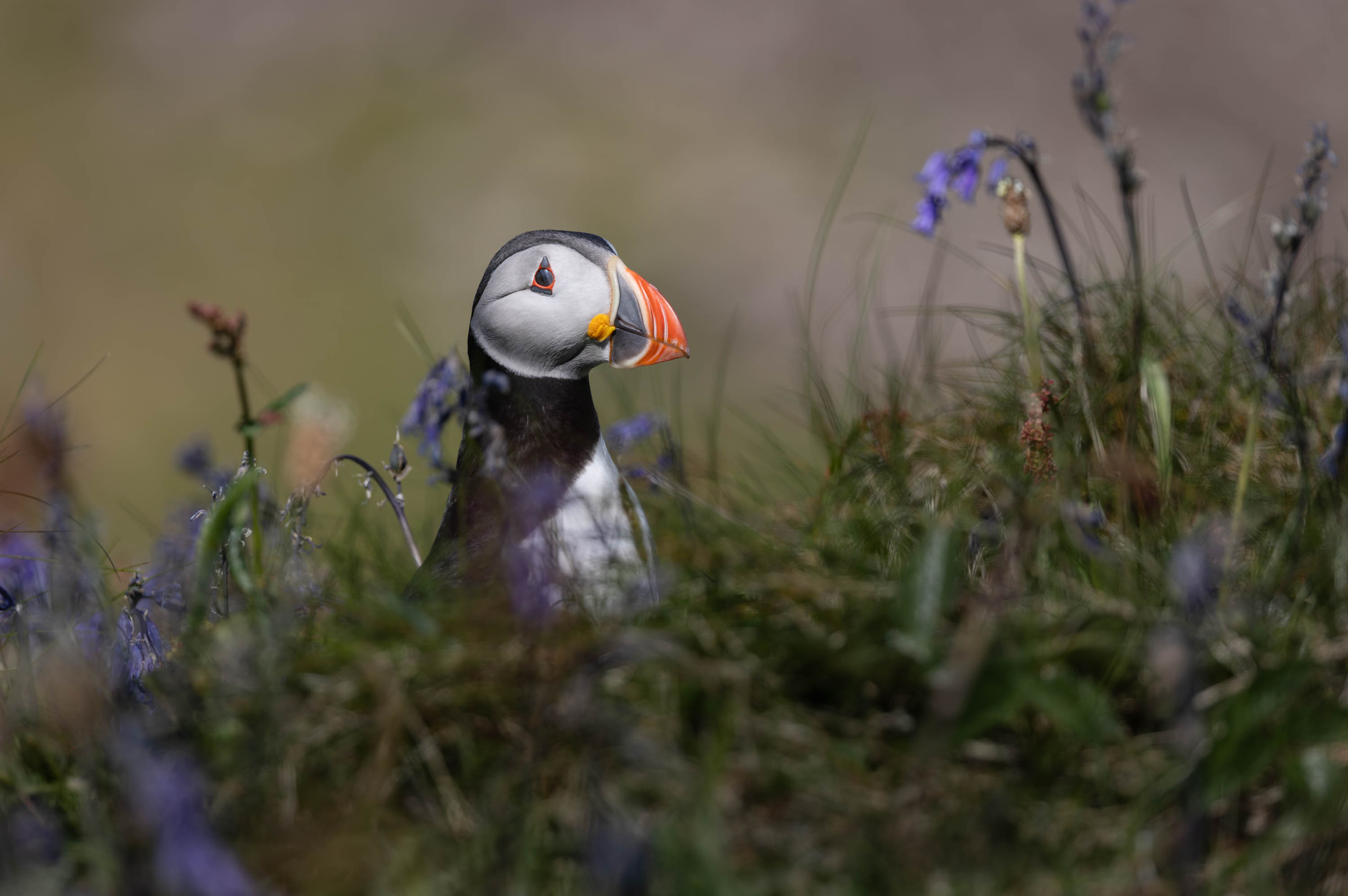
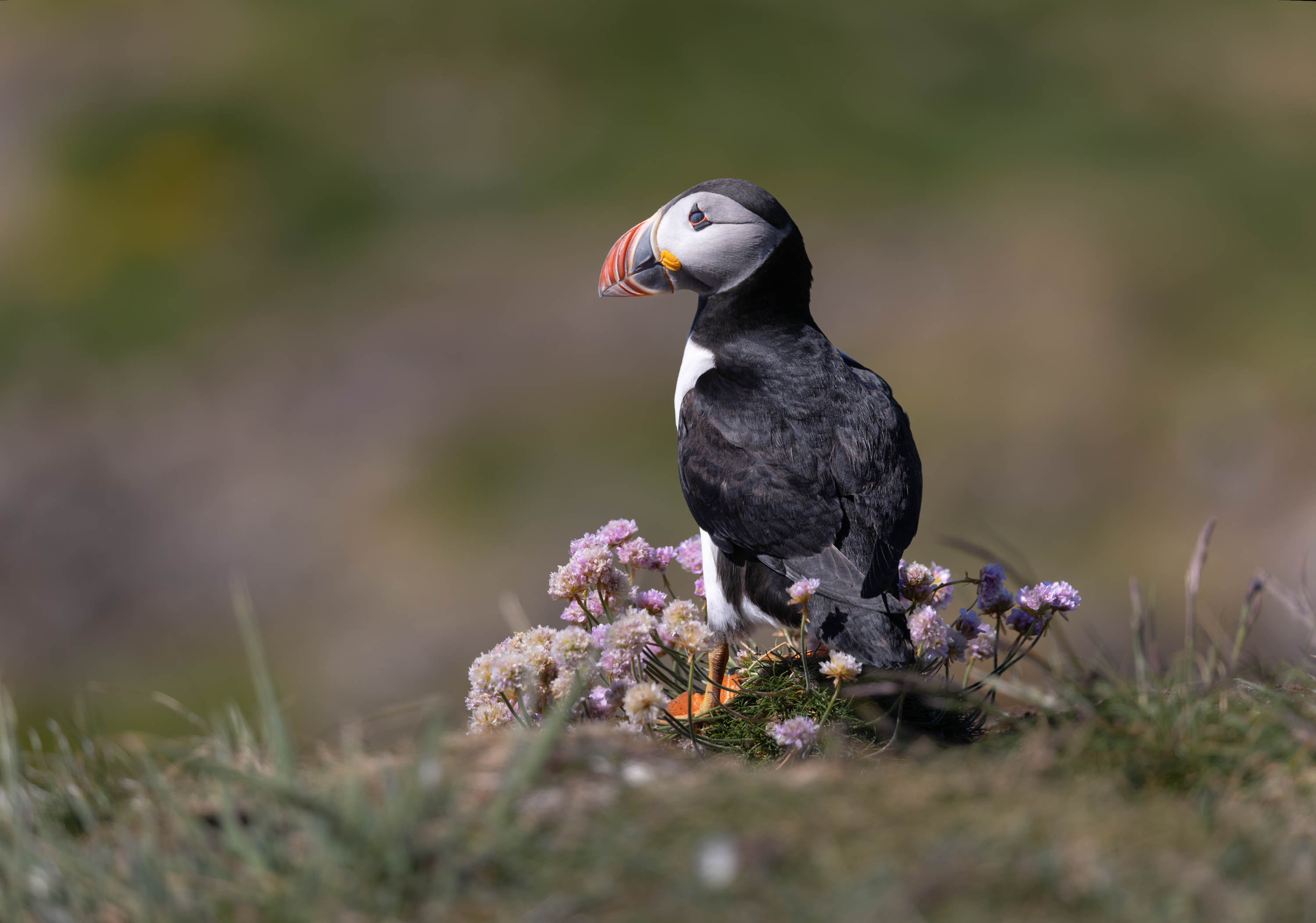
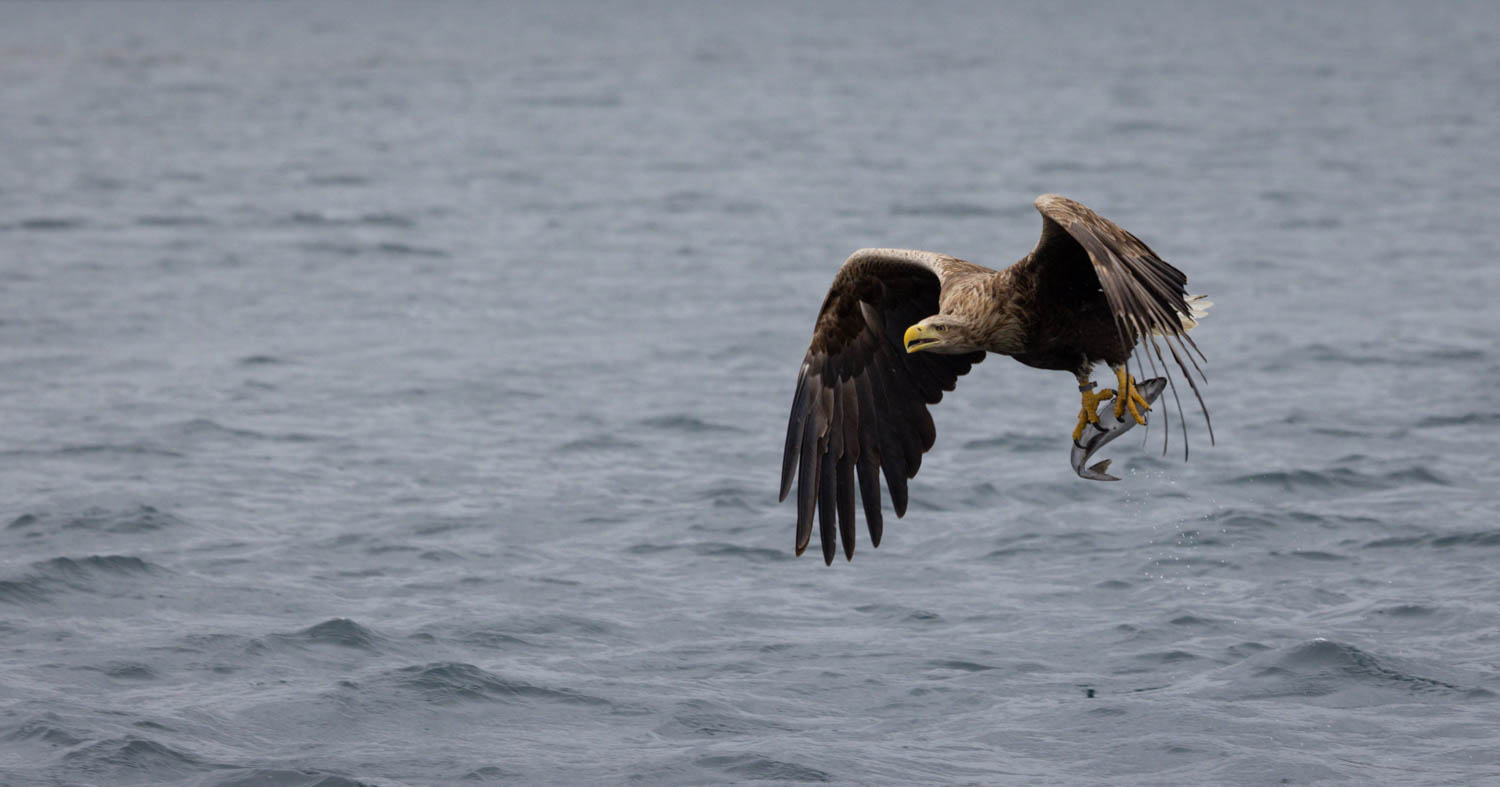
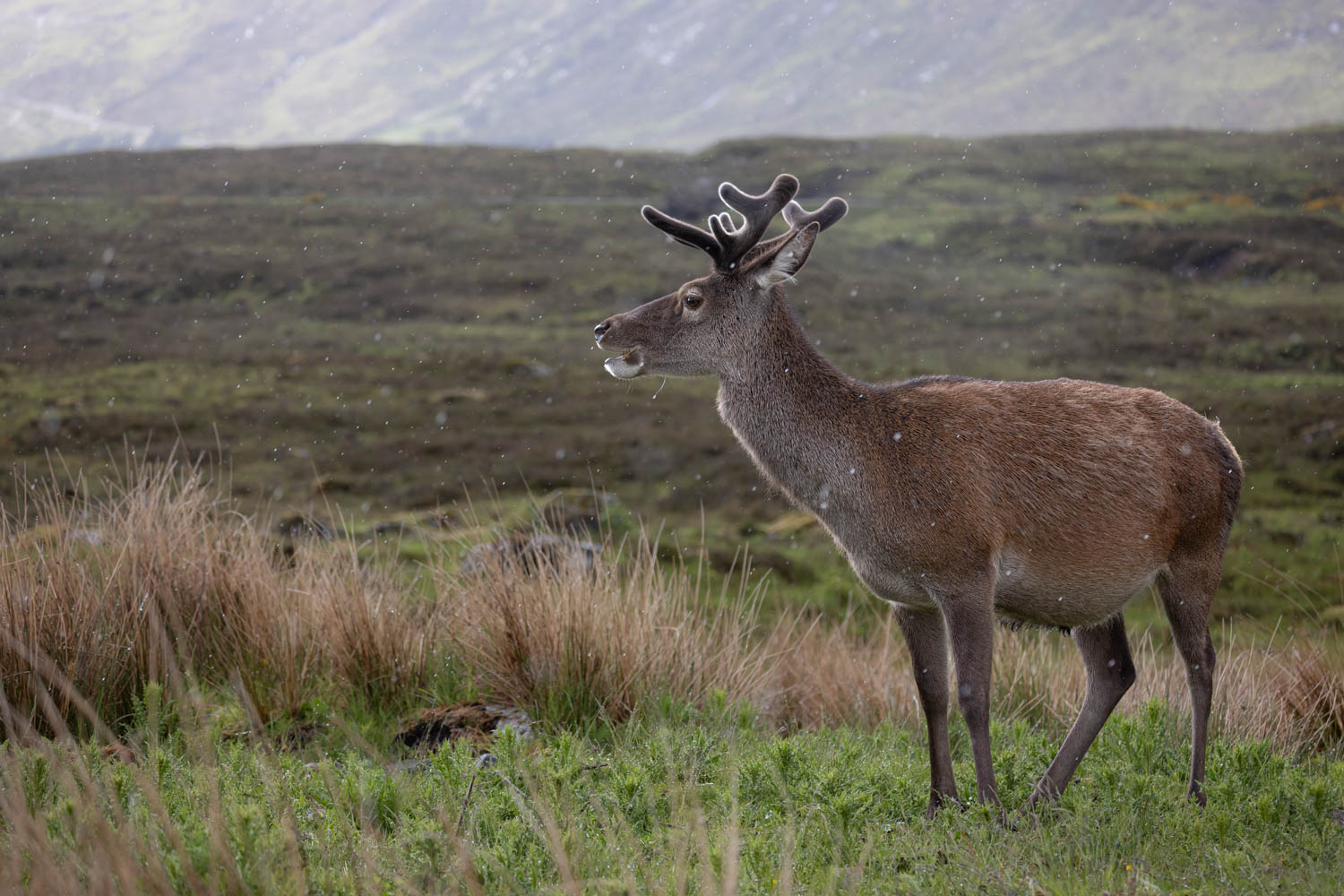
For our trip to Scotland, I was lucky enough to find ‘Focus On Wildlife’, with Victor Soares. Over the course of 5 days, we were able to photograph puffins, sea eagles, and otters from the Isle of Mull. Victor not only brought us to the animals, but was generous with his time and knowledge to assure we came about with great photos.
Atlantic Puffins
I was delighted to find a wide variety of animals I could encounter on our Scotland trip, so made an effort to line up some individual excursions.
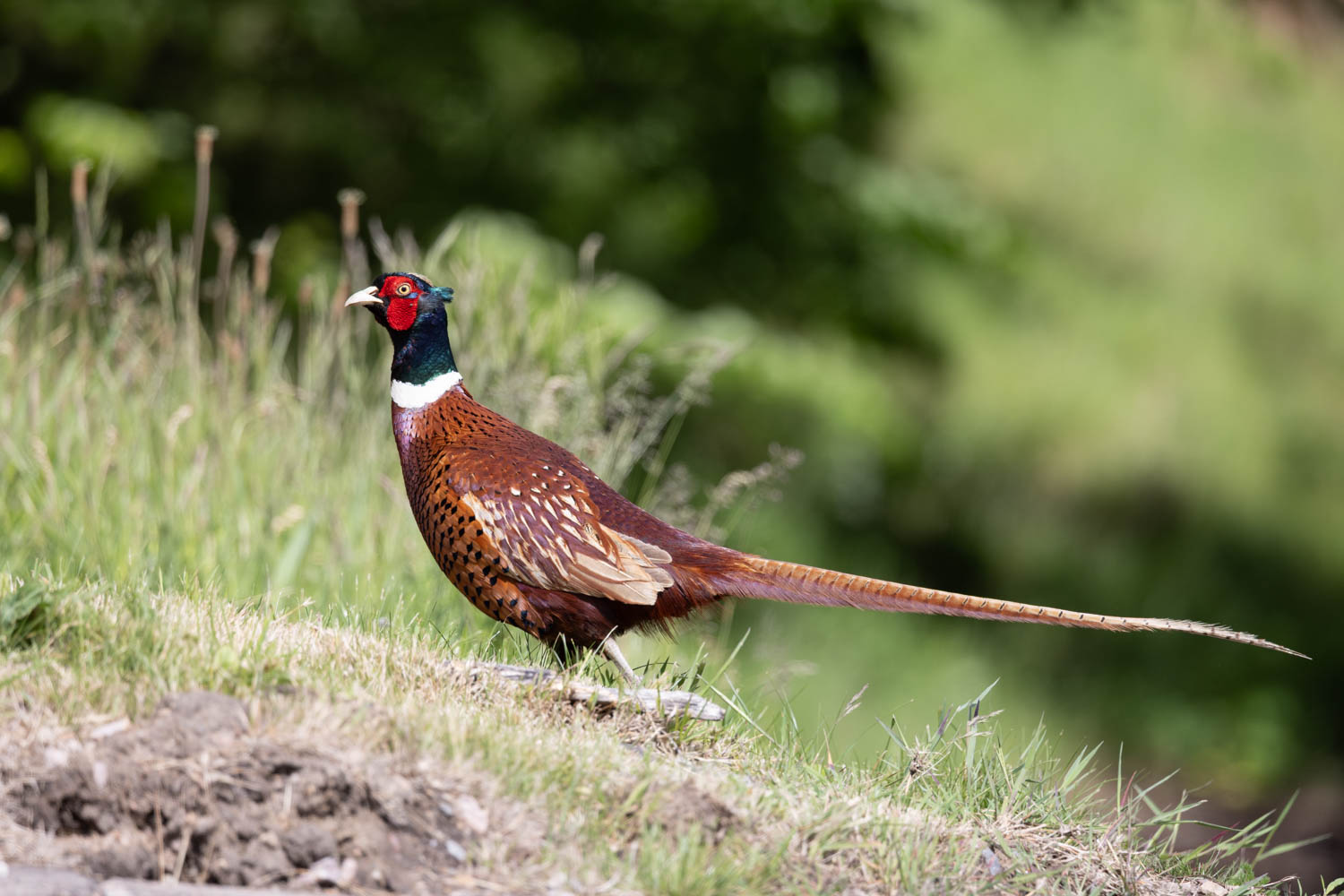
We even ran across a pheasant, moreover, it ran across us..
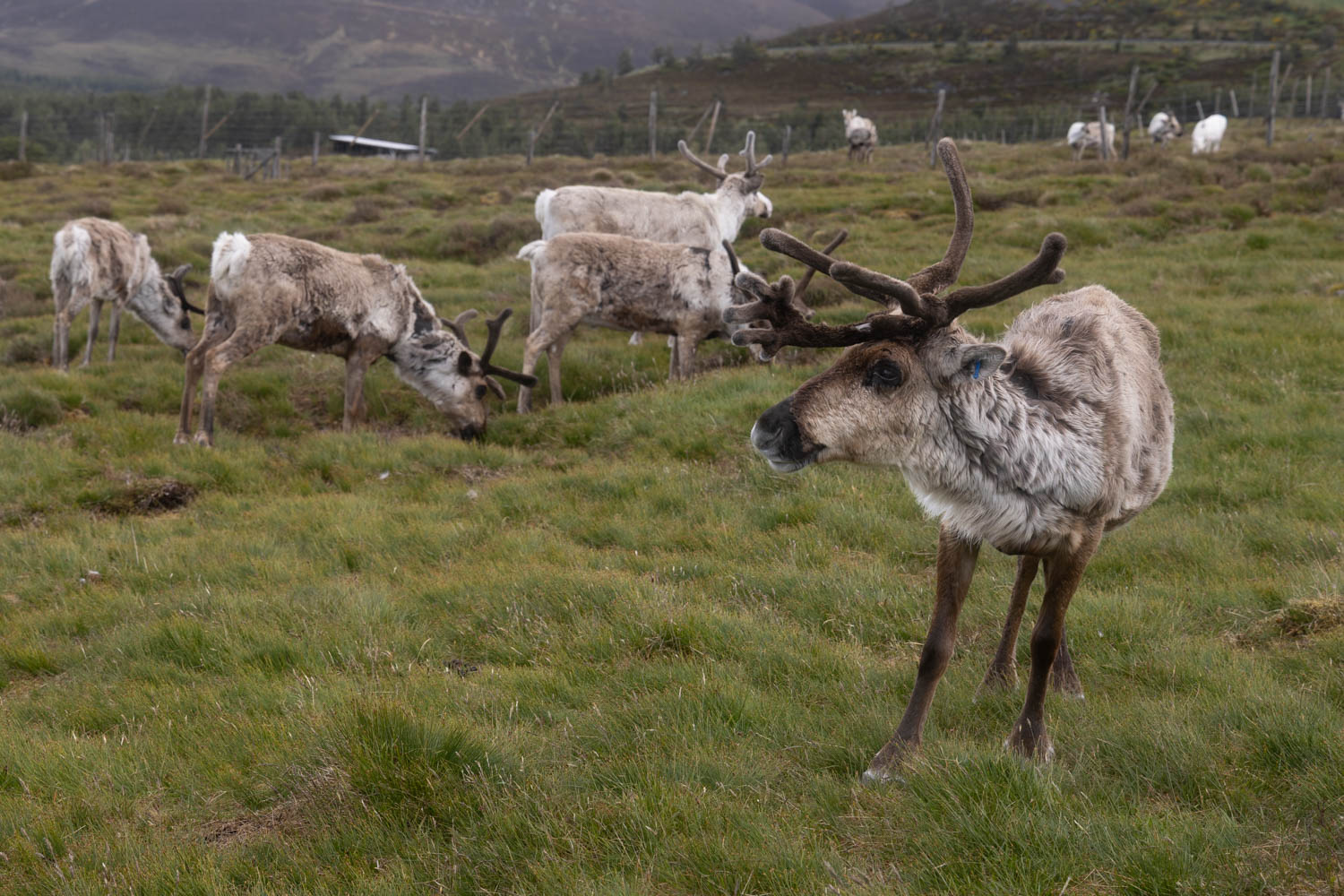
In the Cairngorms National Park we saw lots of caribou..
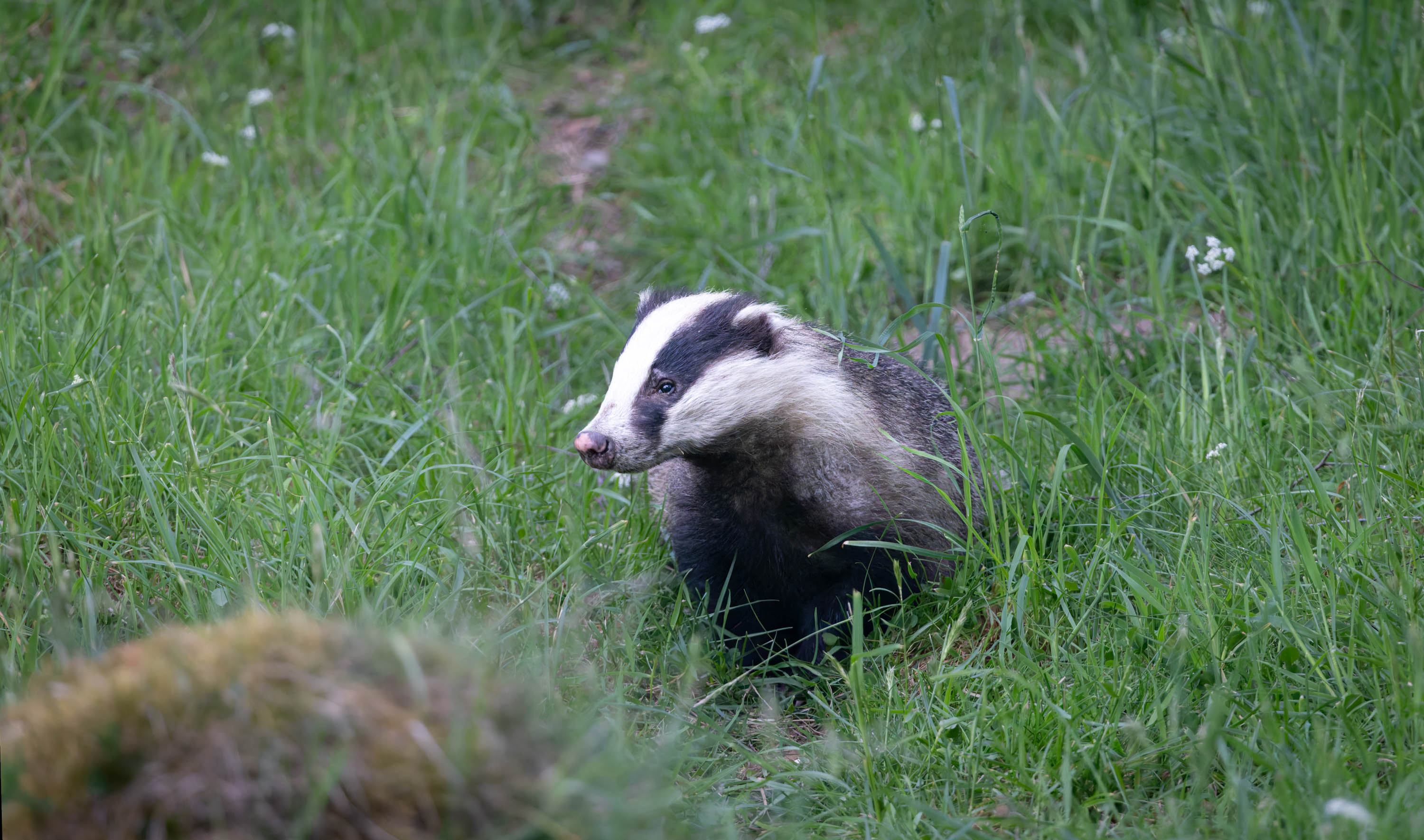
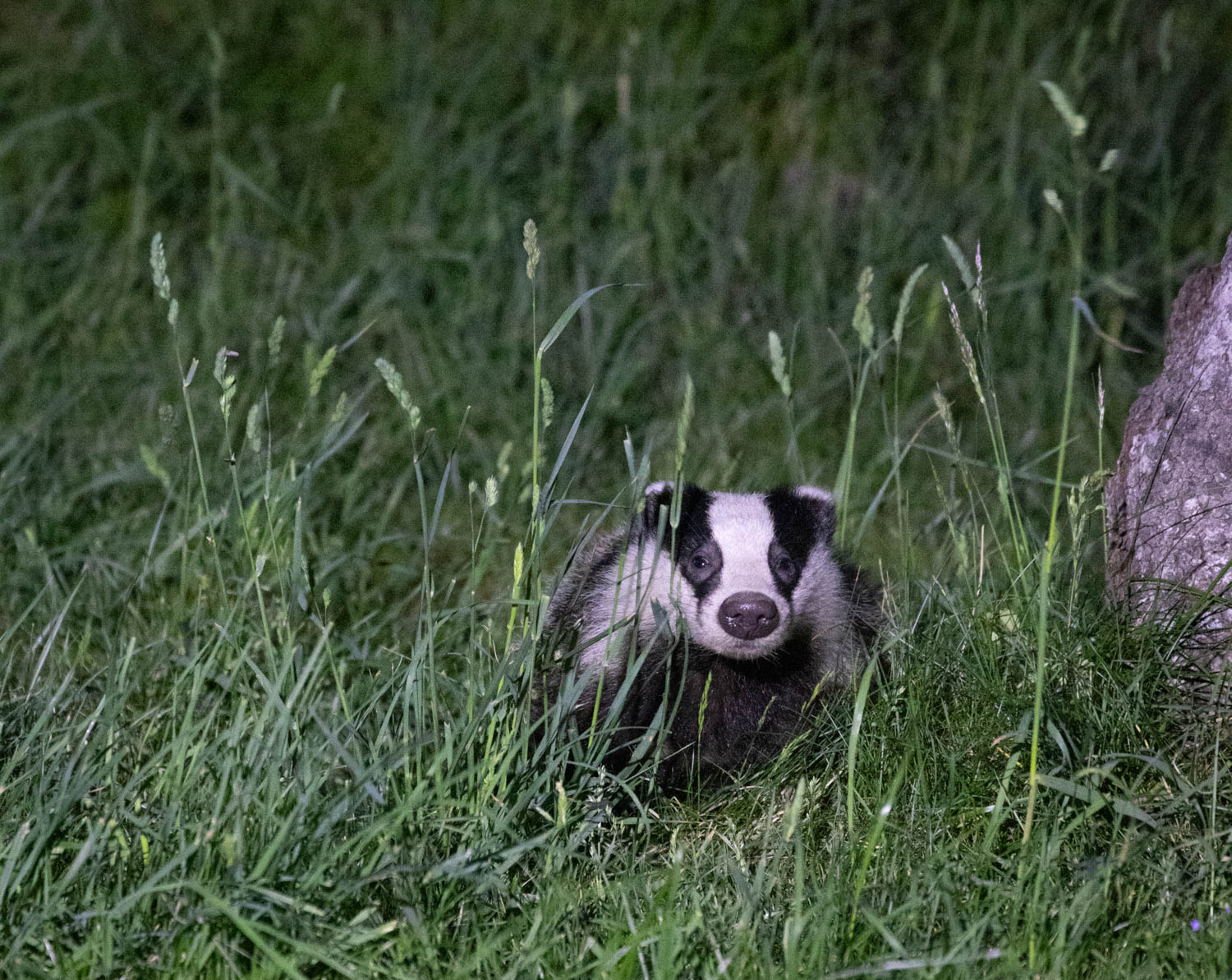
and even badgers..
I can’t think of another vacation quite so ‘lucrative’ in wildlife. I felt extremely fortunate to have the opportunity to see, and photograph, nature’s creatures in the wild. It was a thrilling treat.
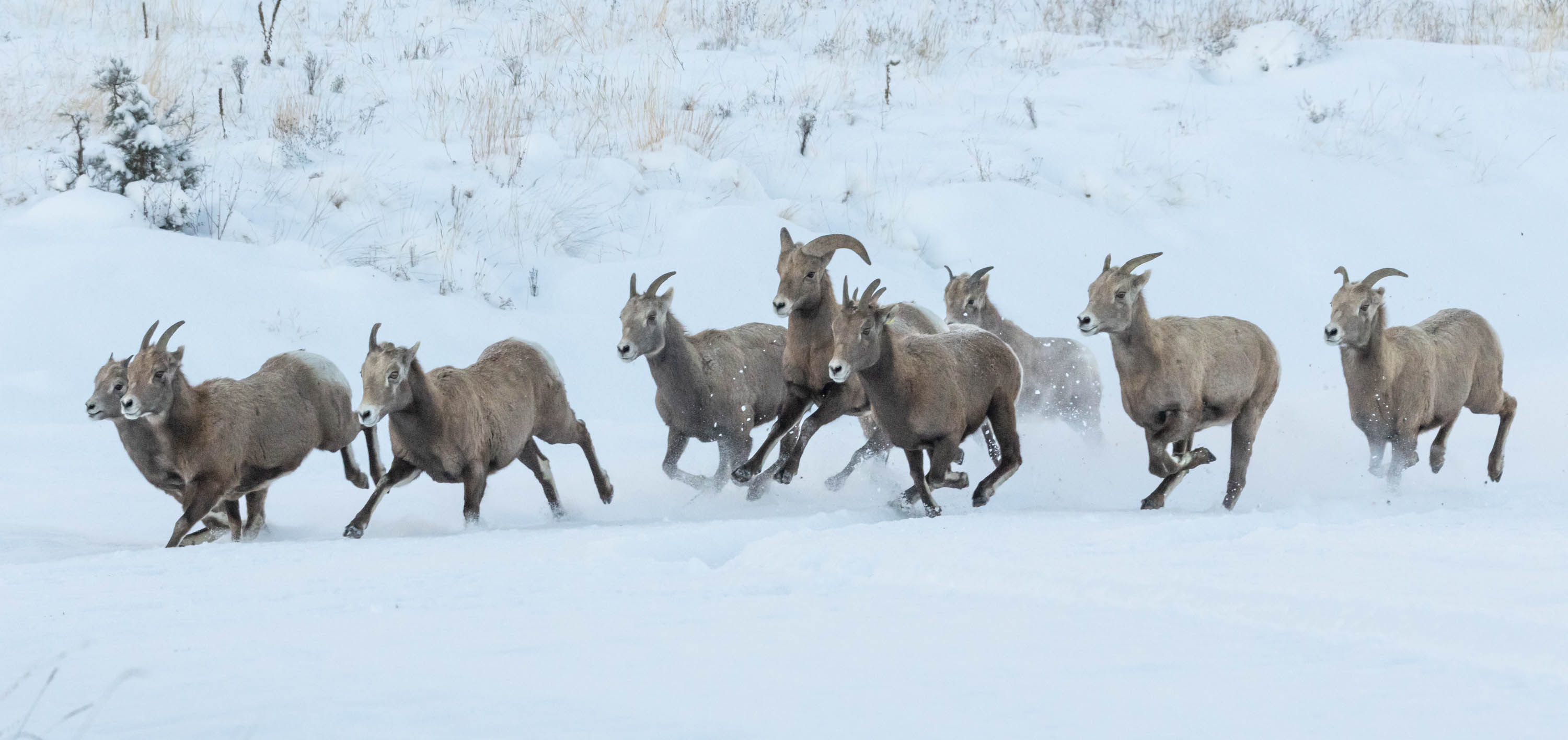
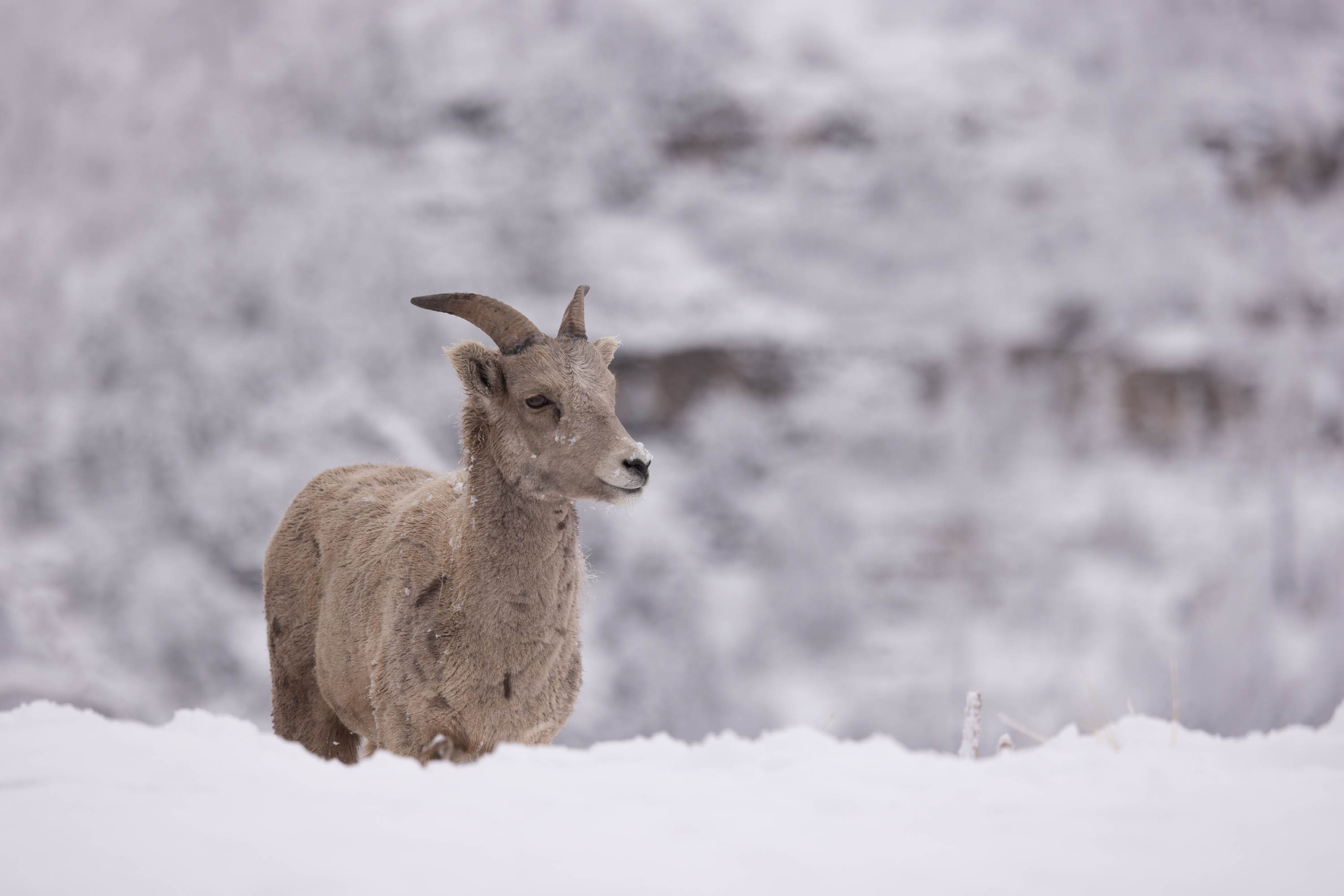
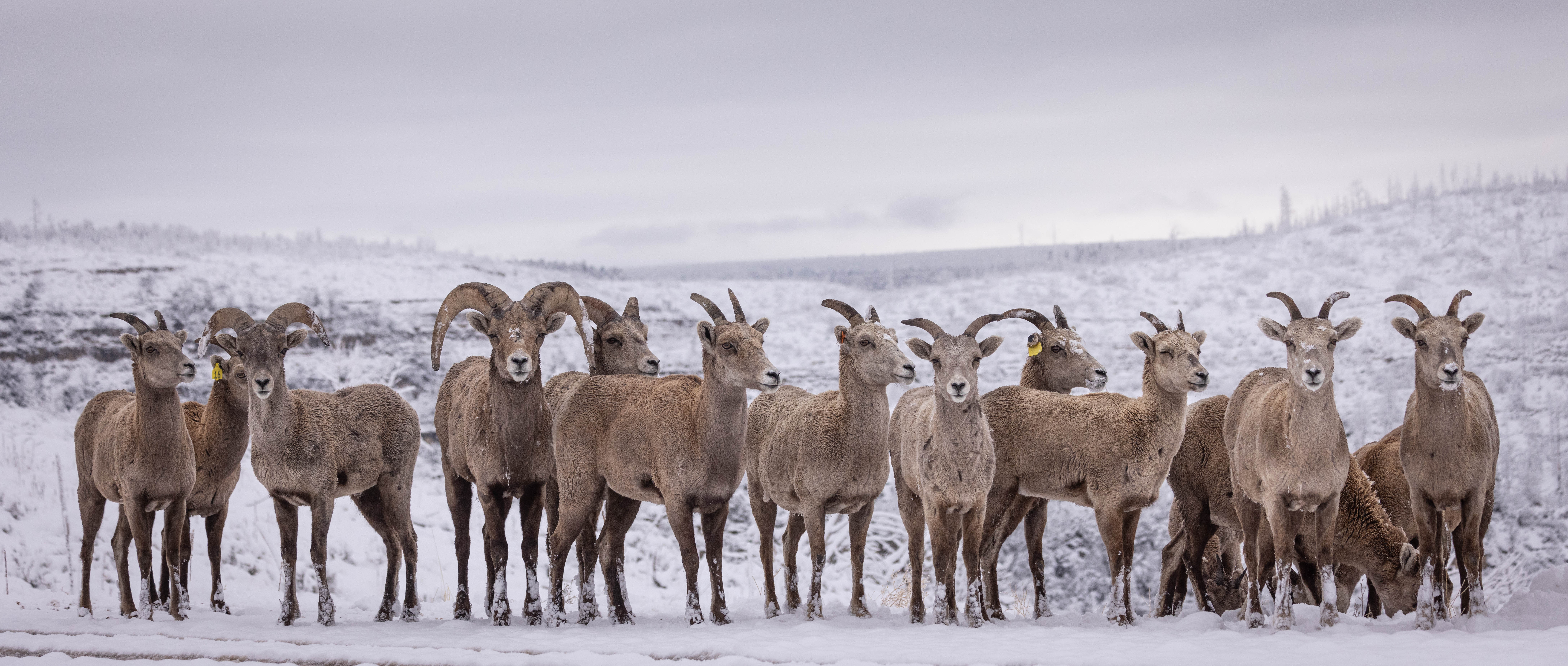
We were out looking for animals in the snow (see my post here … https://kritterspaw.com/2025/04/19/let-the-snow-fall/ ). We were fortunate enough to encounter a herd of big horn sheep munching on the grass as they dug through the snow to get to it.
It was pretty fantastic that they let me hang out for quite some time and observe and photograph their behaviors. It was a terrific experience.
I felt privileged to be in their company, particularly in the snow. It was thrilling for me.
I was sure not to wear out my welcome and cause them to change their behavior. I left to allow them to go about their business, but not before documenting my experience with some sweet photographs to keep for prosperity.
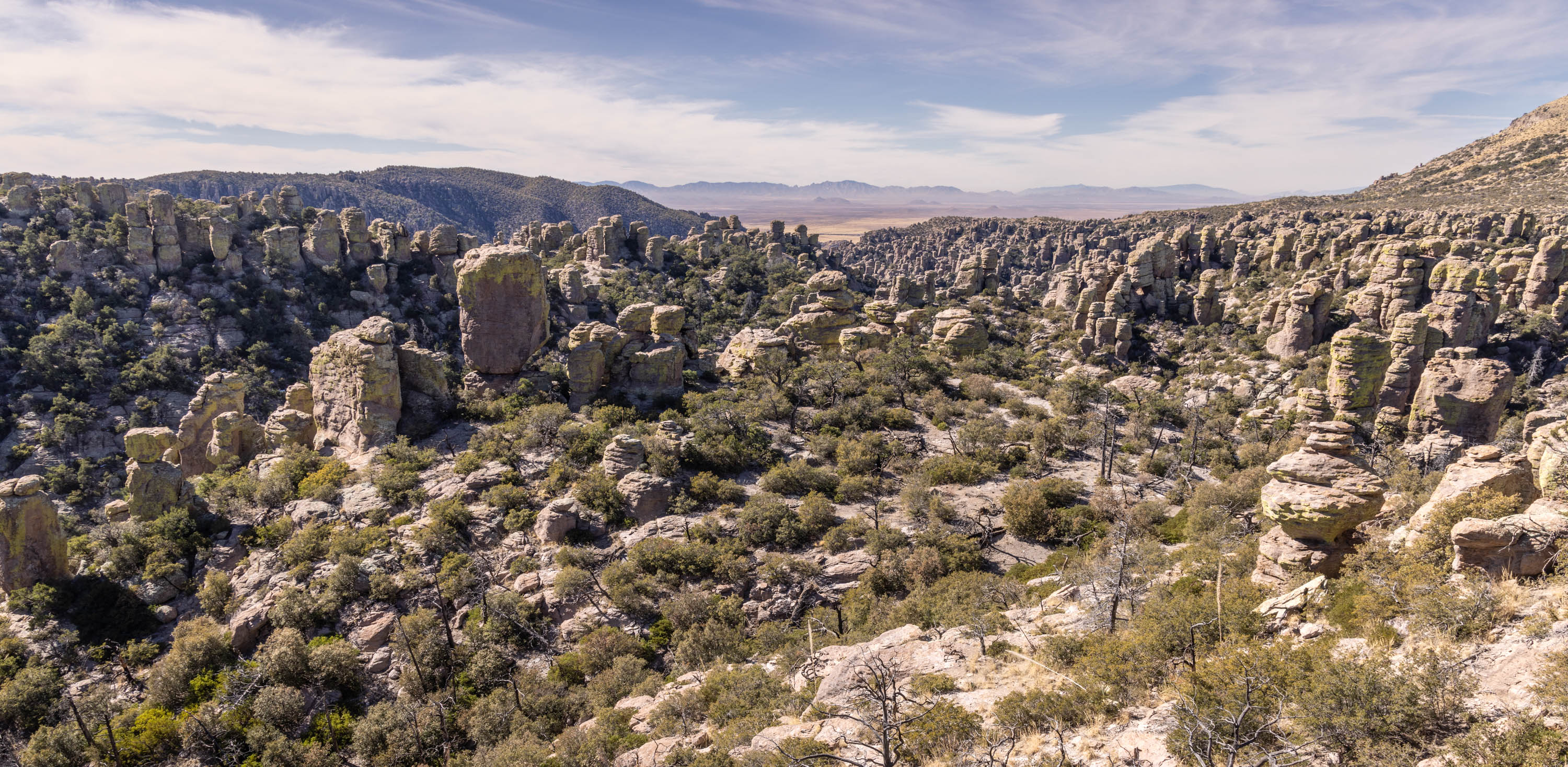
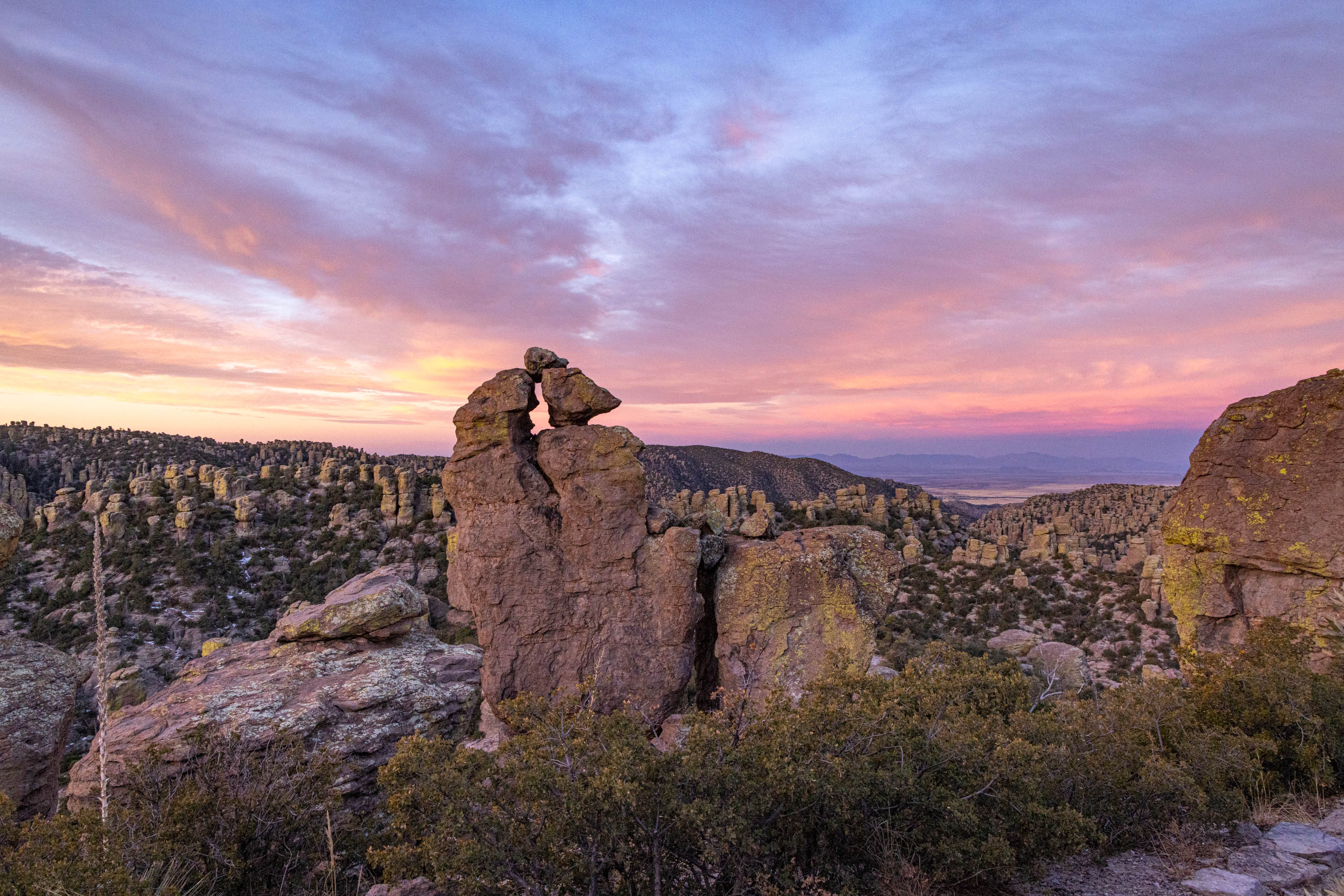
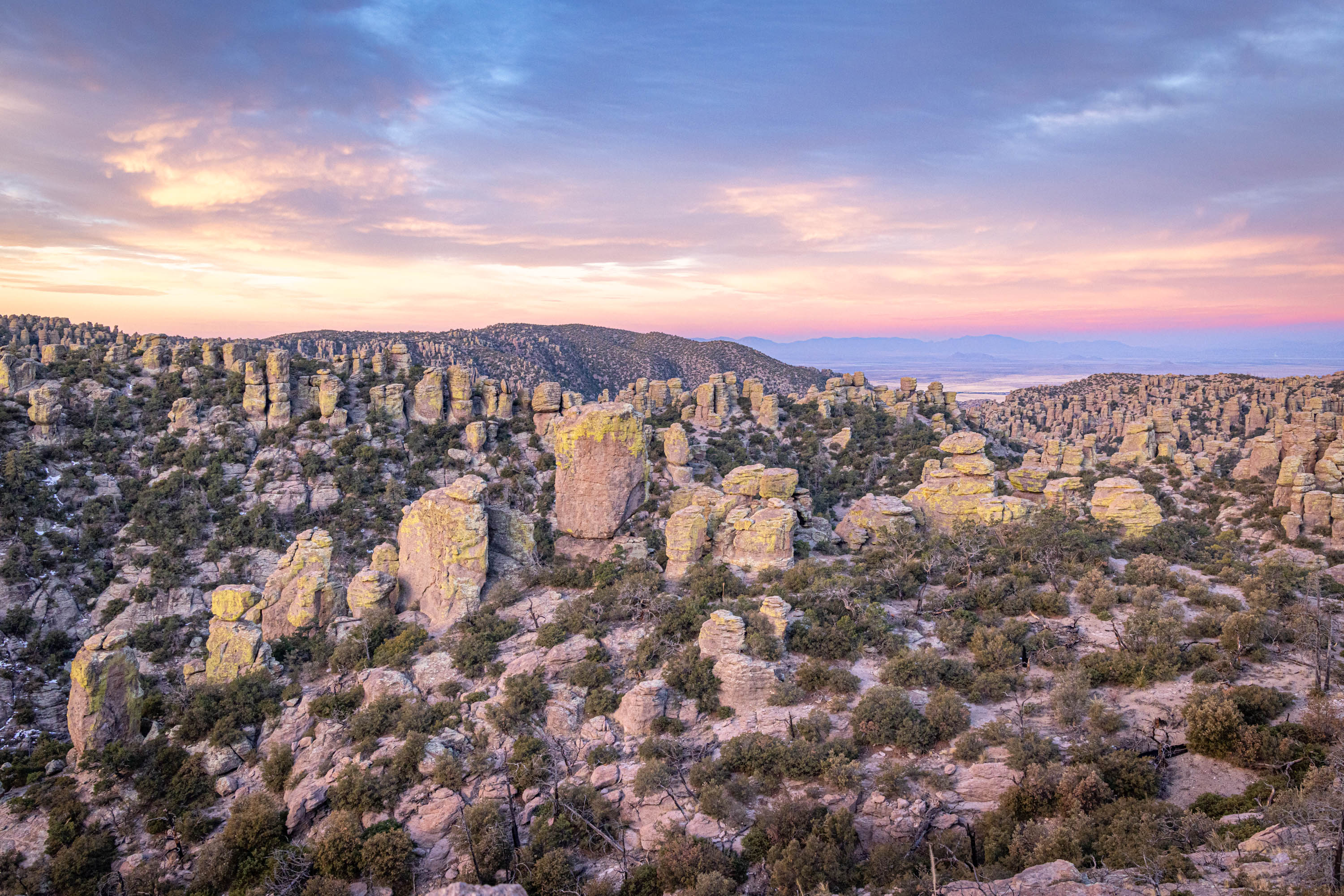
In the Southeast corner of Arizona lies this virtually ‘unknown’ Park managed by National Parks Service as a National Monument.
The site was established as a National Monument in 1924 to preserve and protect the rock formations and many pinnacles and spires that litter the landscape.
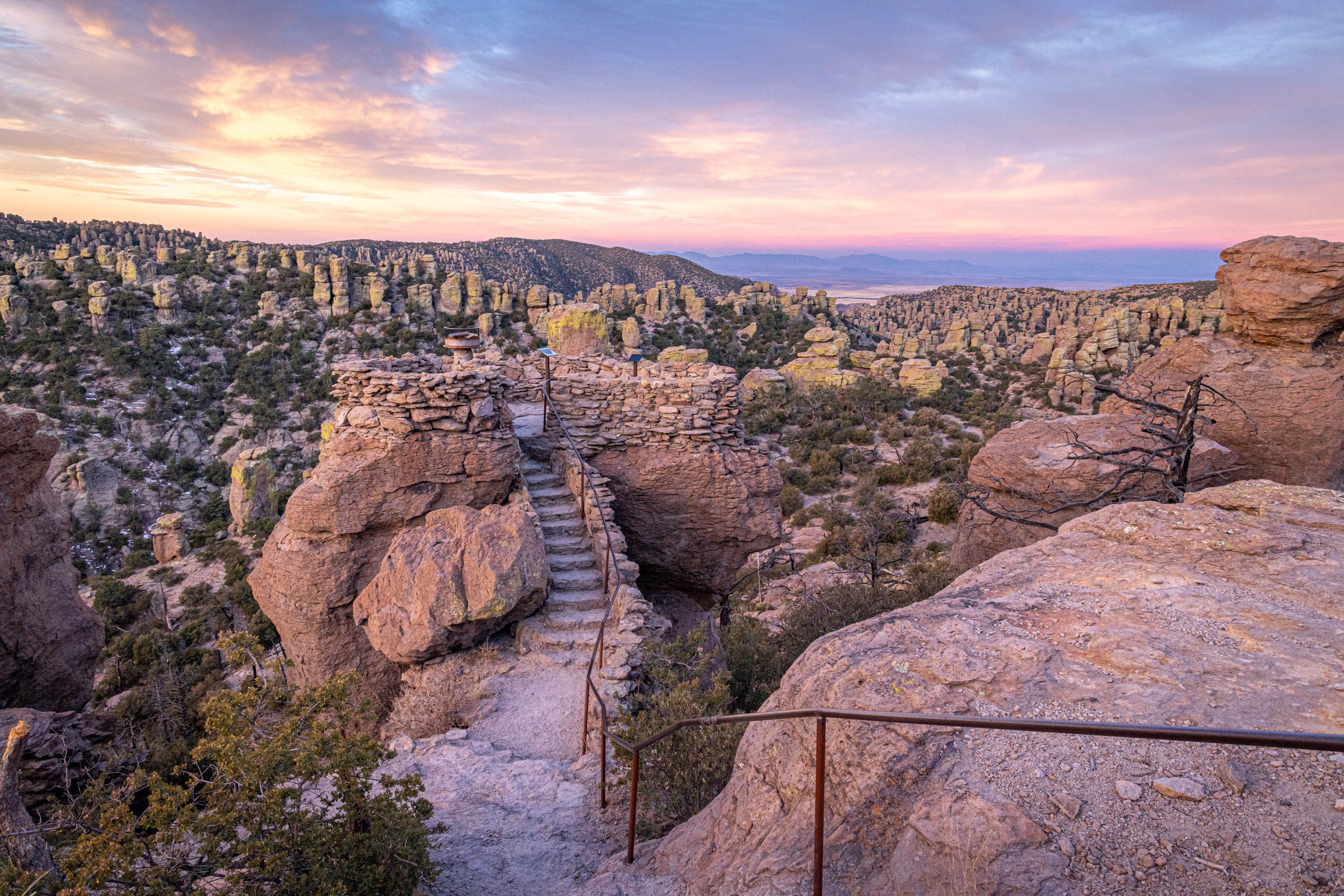
In 1934 the Civilian Conservation Corps built roads, trails, and structures to further establish the site and give many out-of-work young men jobs following the depression.
The park is over 12,000 acres; 84% of which is designated as a Wilderness Area. We loved walking the trails and were delighted to encounter a number of wildlife.
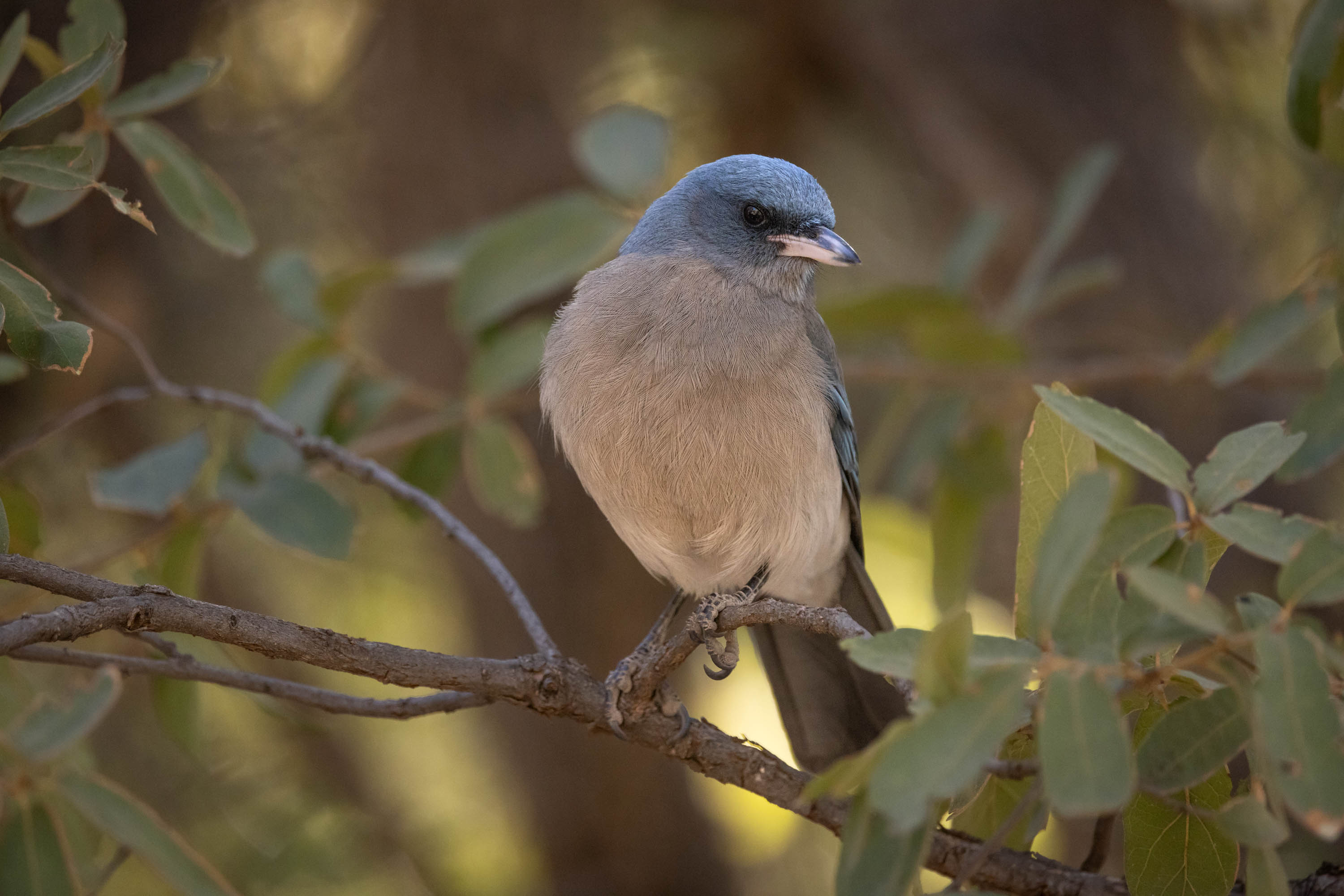
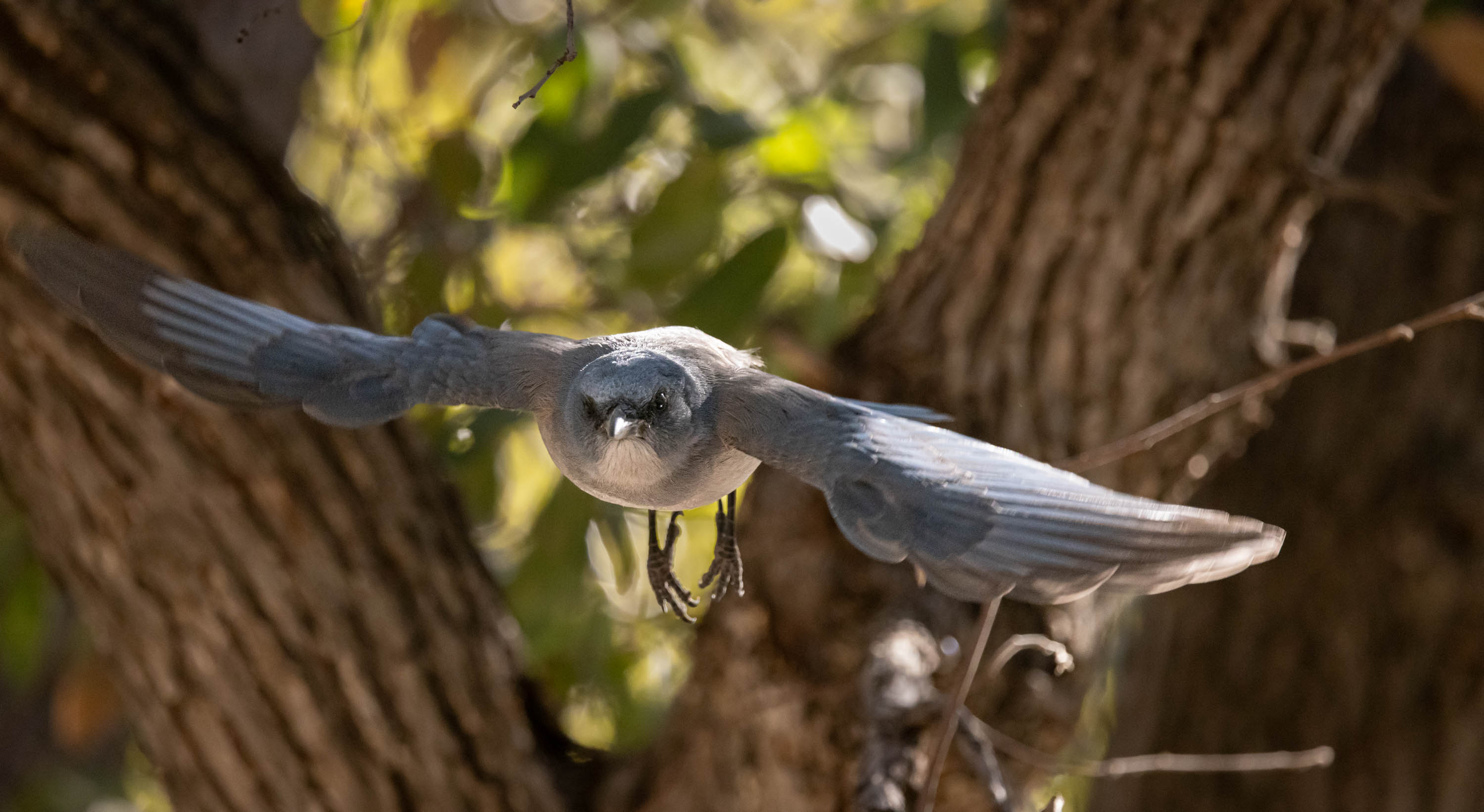
Not only did we see white tail deer and turkey, but quite a number of Mexican gray-breasted jays.
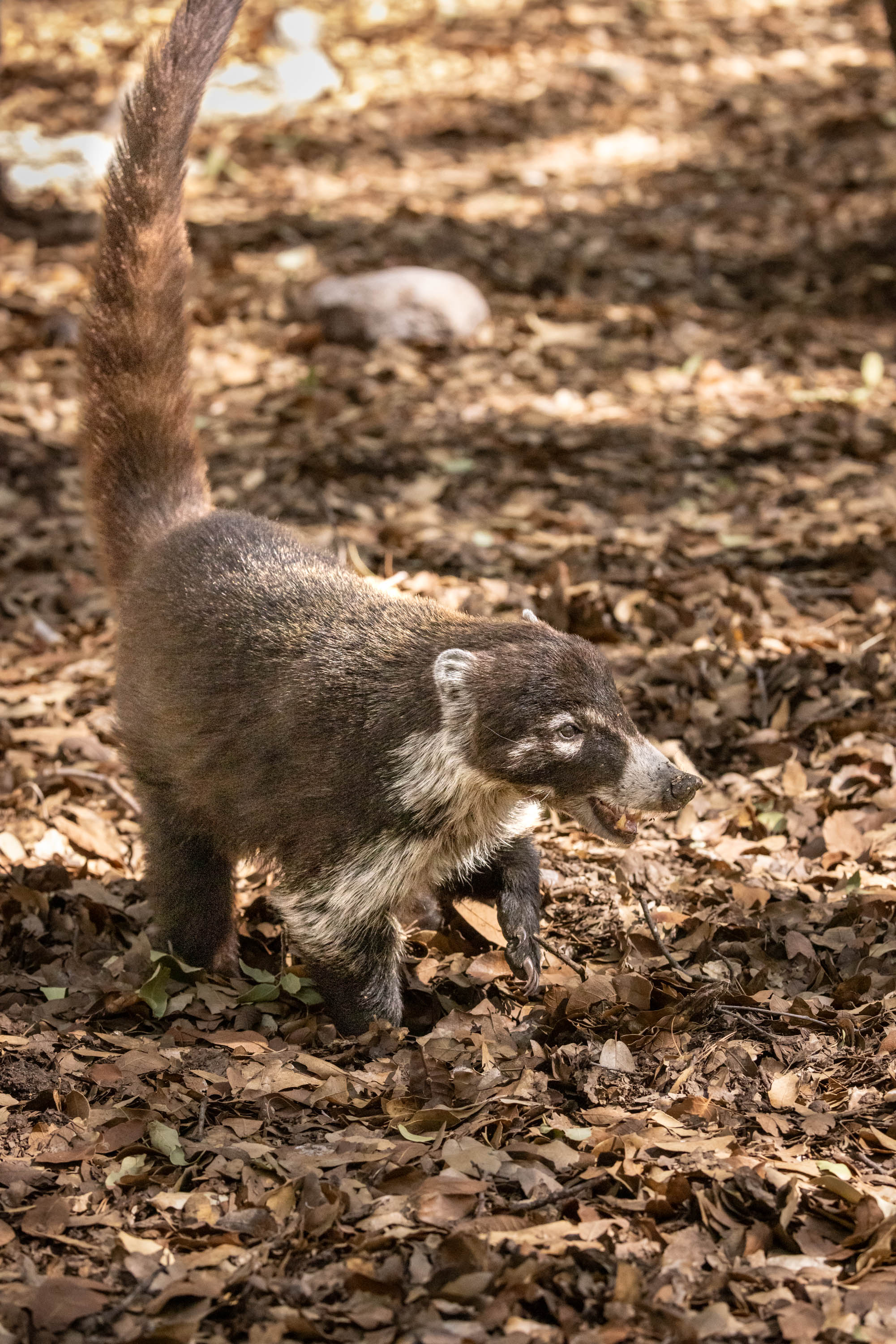
Mostly we were ecstatic to see our first coatimundi. Coatis are a small animal looking something like a cross between an anteater and a bear, but are actually members of the raccoon family. They live primarily in riprarian areas in canyons near water sources.
Their long snout, white face, and long tail make them very distinguishable from other mammals. We have camped out on multiple occasions over the years in areas known to be inhabited by coatis, with no luck, despite long periods of time in remote locations sitting in quiet for hours waiting for them to come in.
So when we saw our first ‘band’ or group of coatis we were beyond excited.
We were told to look for ‘dancing tails’, and it wasn’t until we saw it, that we understood what we were looking for.
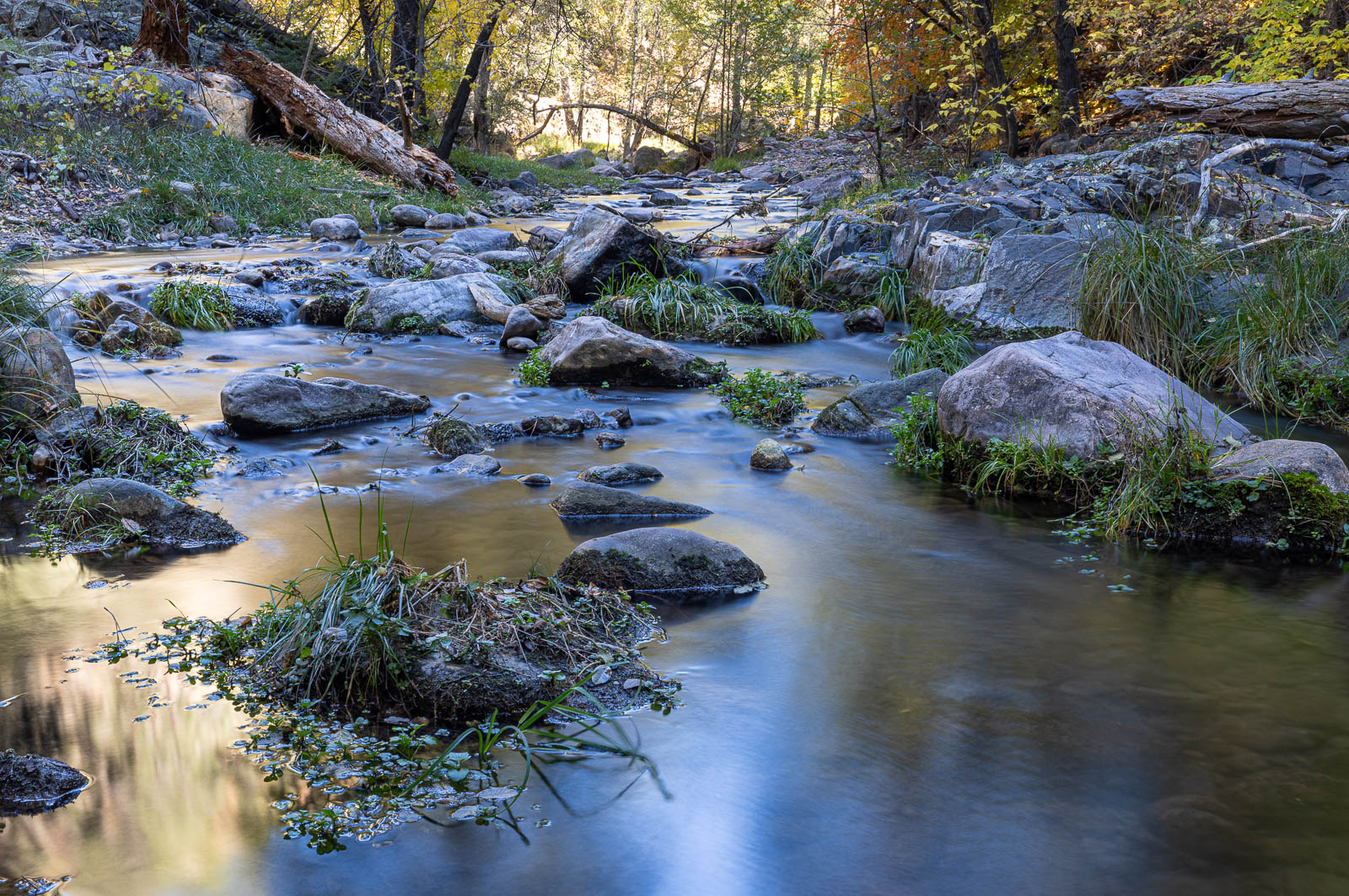
With so little precipitation this year, we were lucky to find a stream with water that we frequented at dawn and dusk in hopes of catching sight of a coatimundi. It wasn’t until after multiple trips that we finally spotted our first coati.
We were fortunate enough, as it turned out, to get multiple sightings.
As with any nature, the more you pursue it, the more you learn. We discovered that the coati would come out foraging for nuts and grubs in the heavy fall leaves coating the ground.
















































 kritterspix