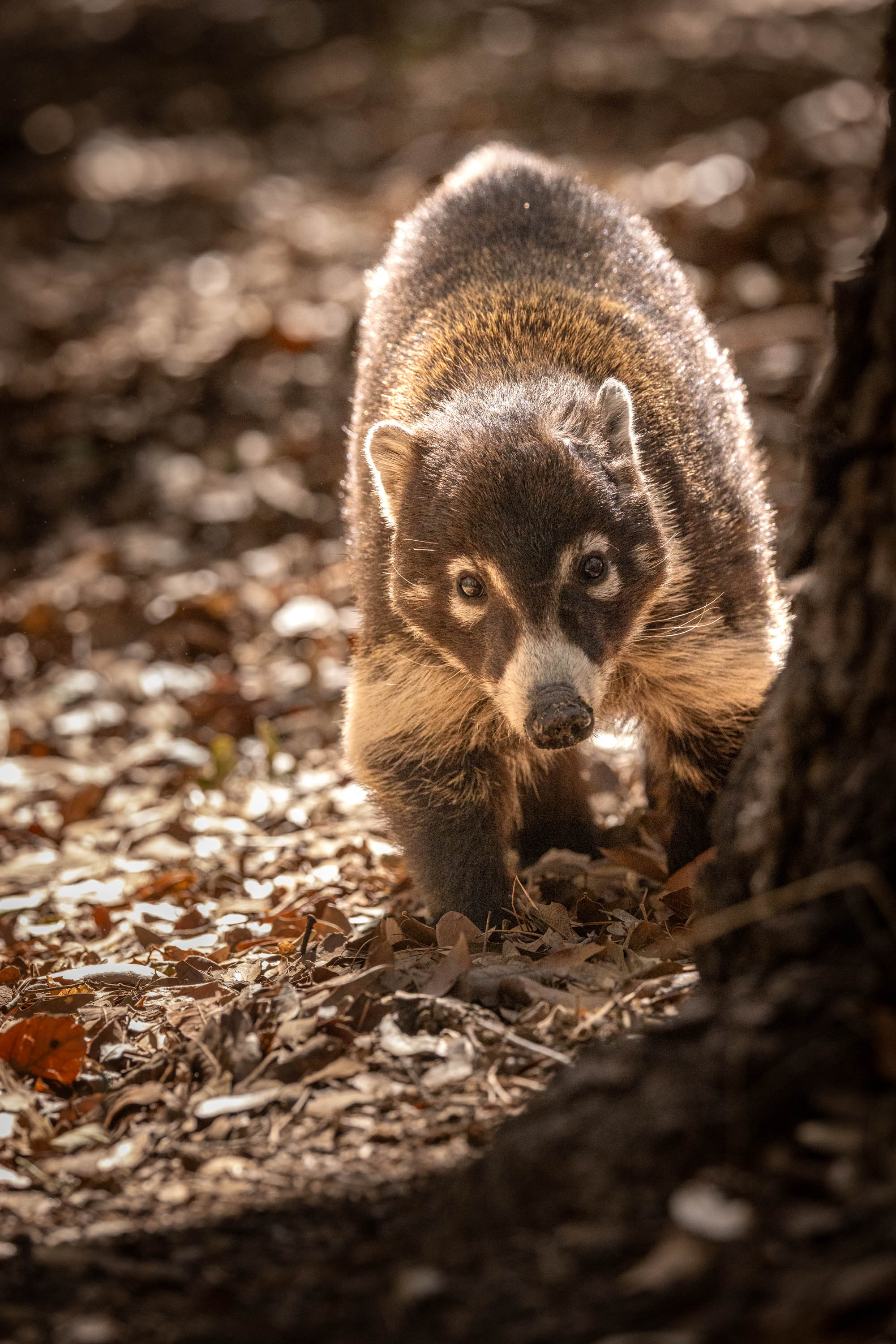
Coatimundi are a rarely seen Arizona mammal that inhabits our Southern and Eastern parts of the state. They band together and where you might see one, there are often more.
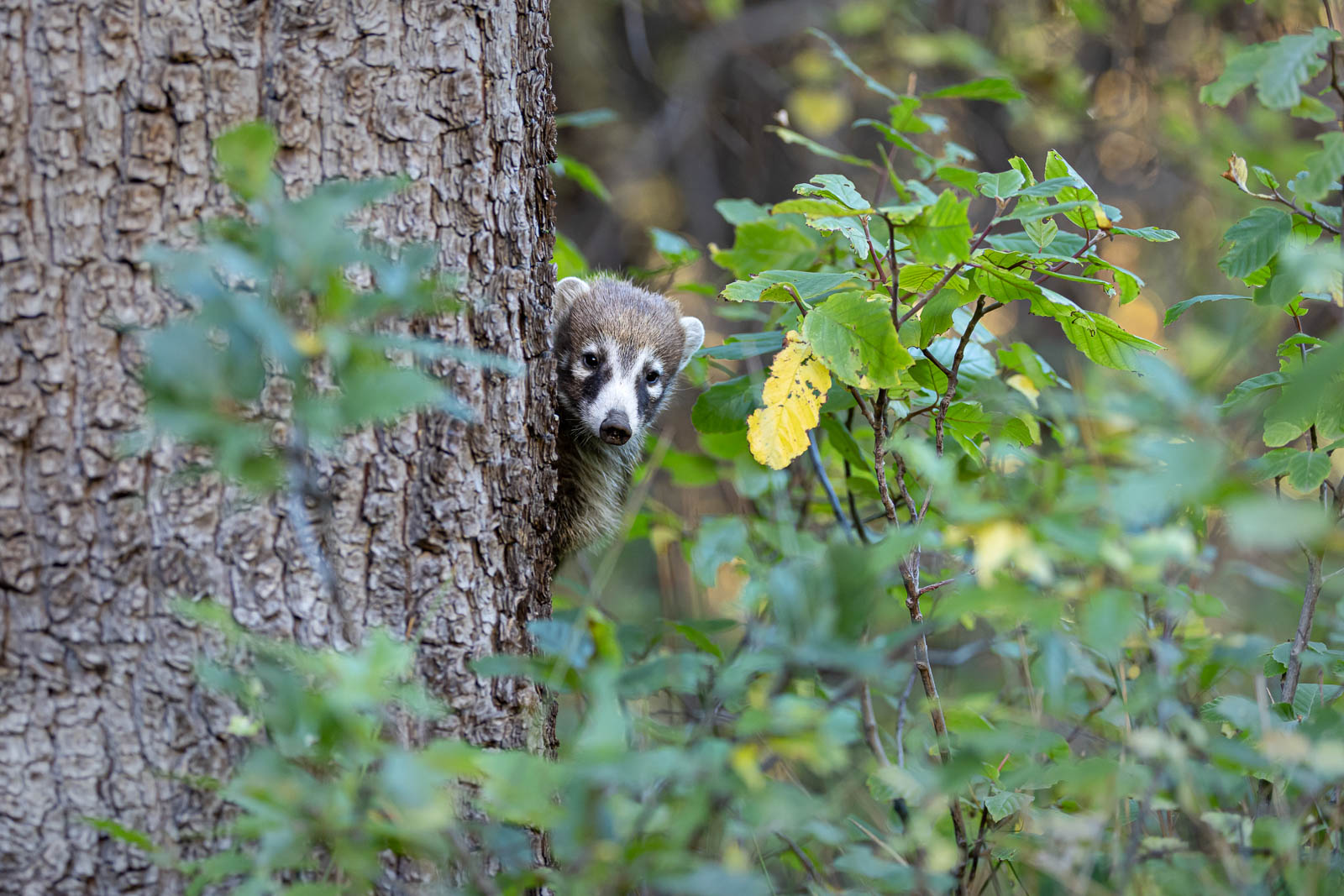
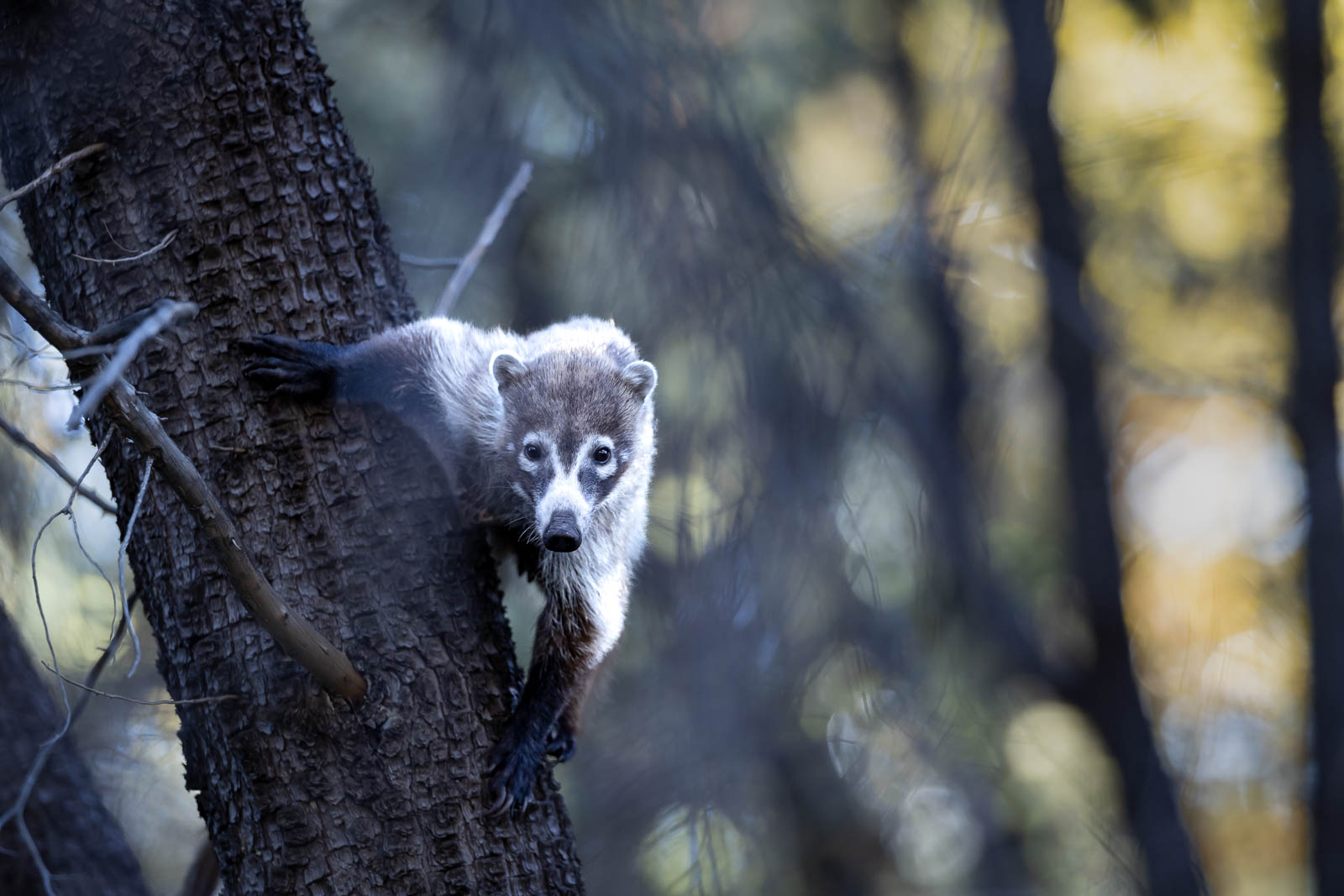
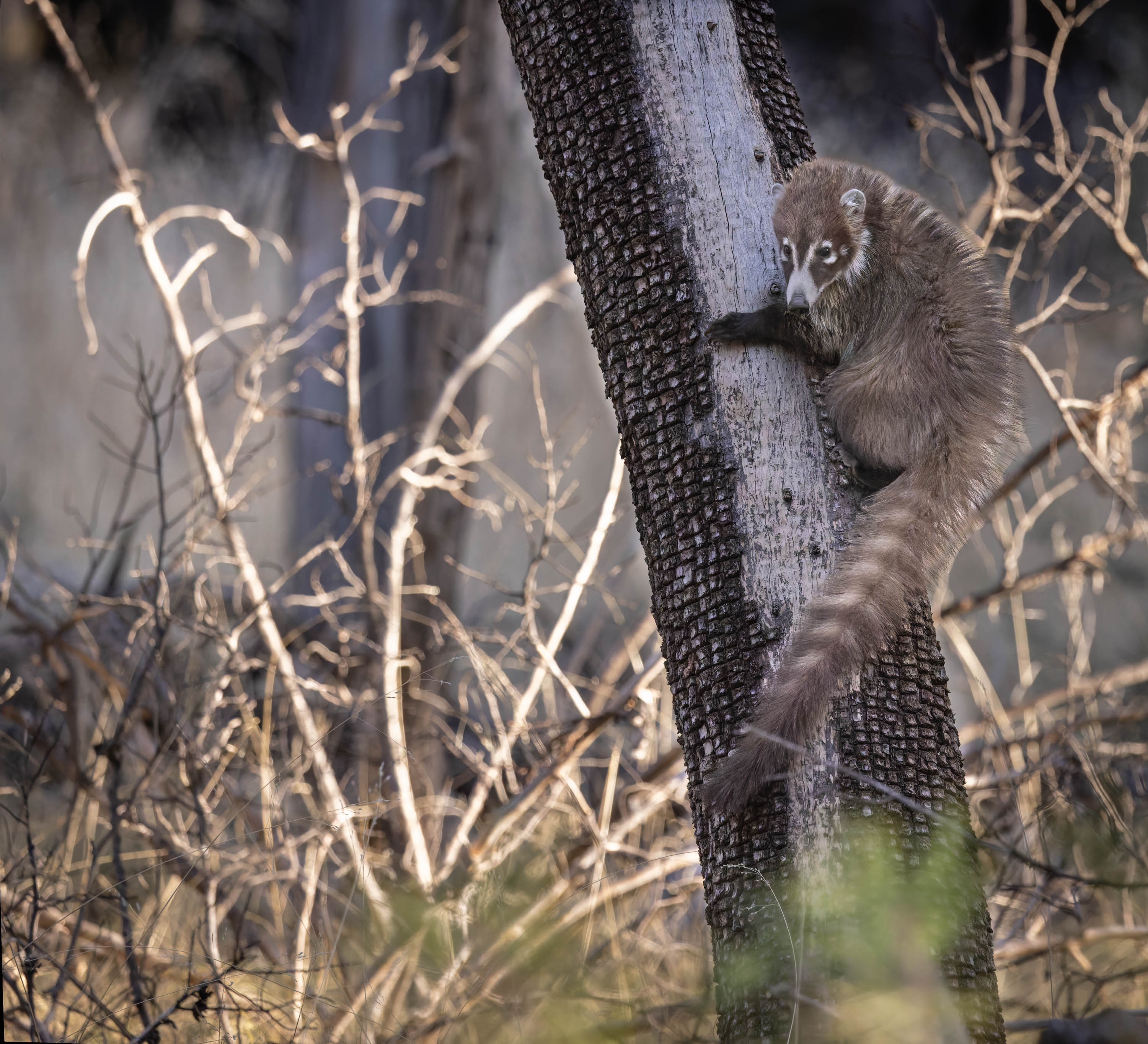
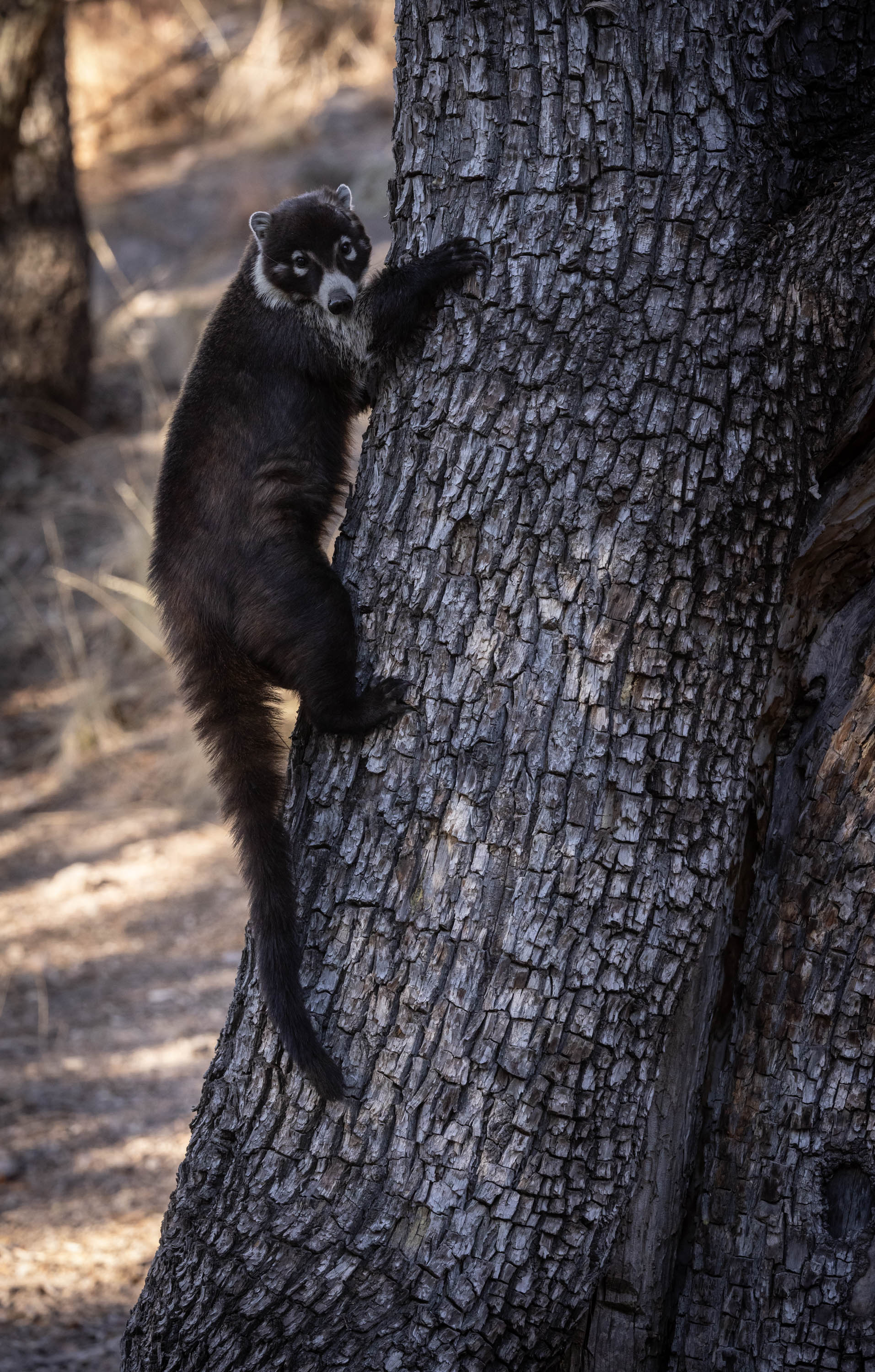
They are cute little guys with a long tail and white snout. They forage for seeds and nuts under the fallen foliage of oaks and sycamore trees. If spooked, they handily find refuge in trees.
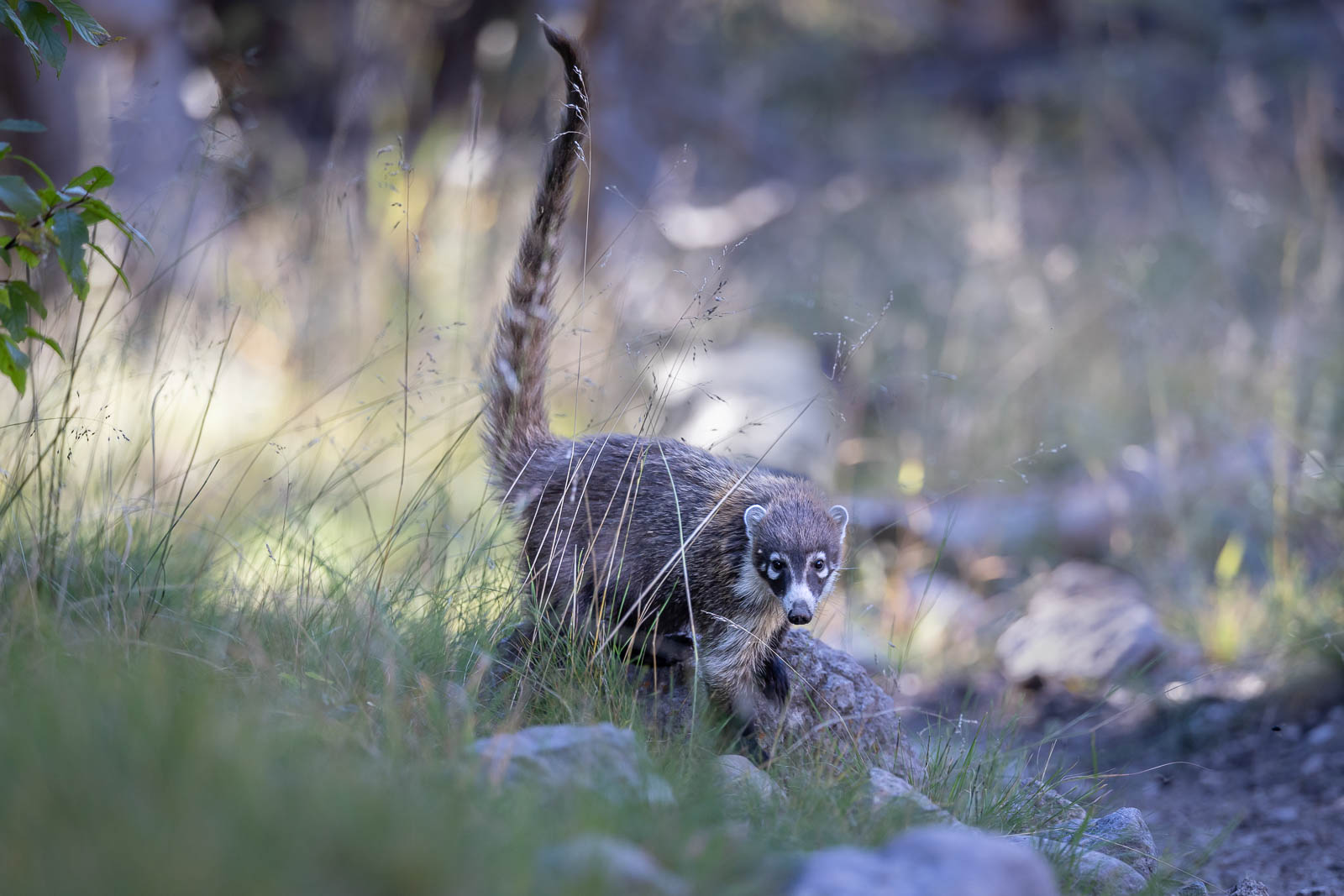
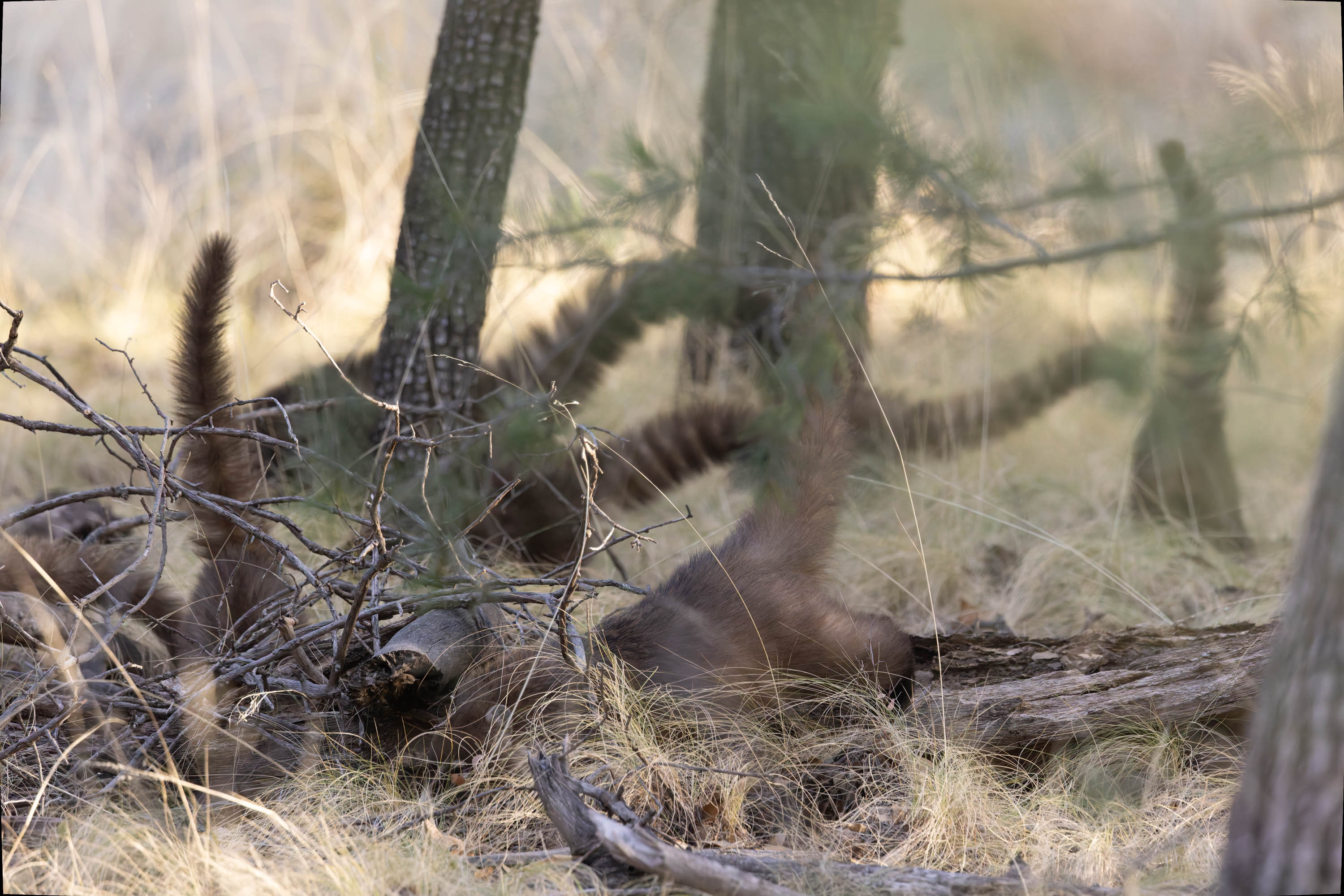
We were lucky enough to see a band of them while camping. They can be found at higher elevations, often near water sources, and can be spotted by their stripped tail raised high in thick grass.
The more of them I see, the more I want to see. Sightings can be fleeting, so I am thrilled for every opportunity to take advantage of it.
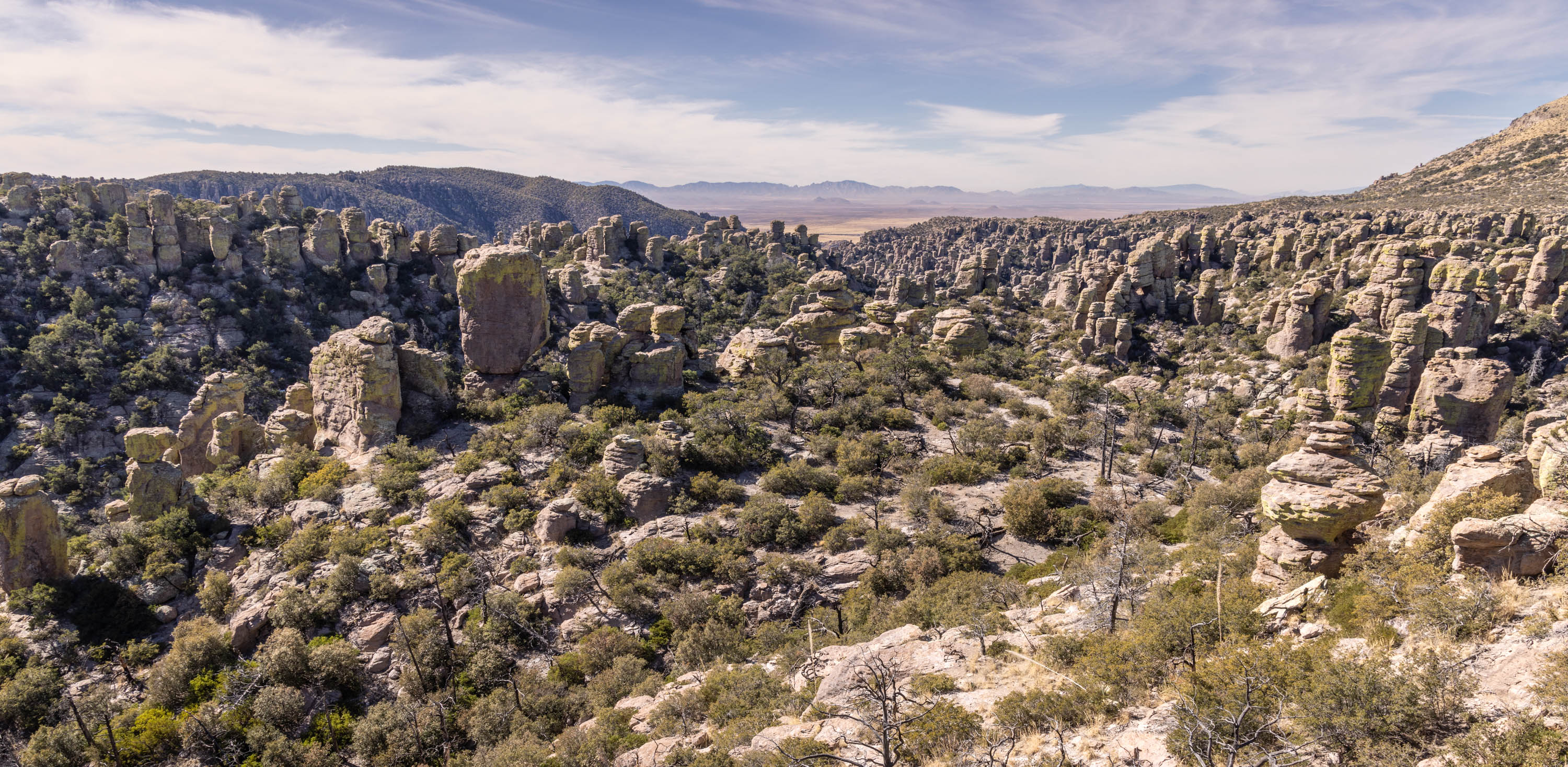
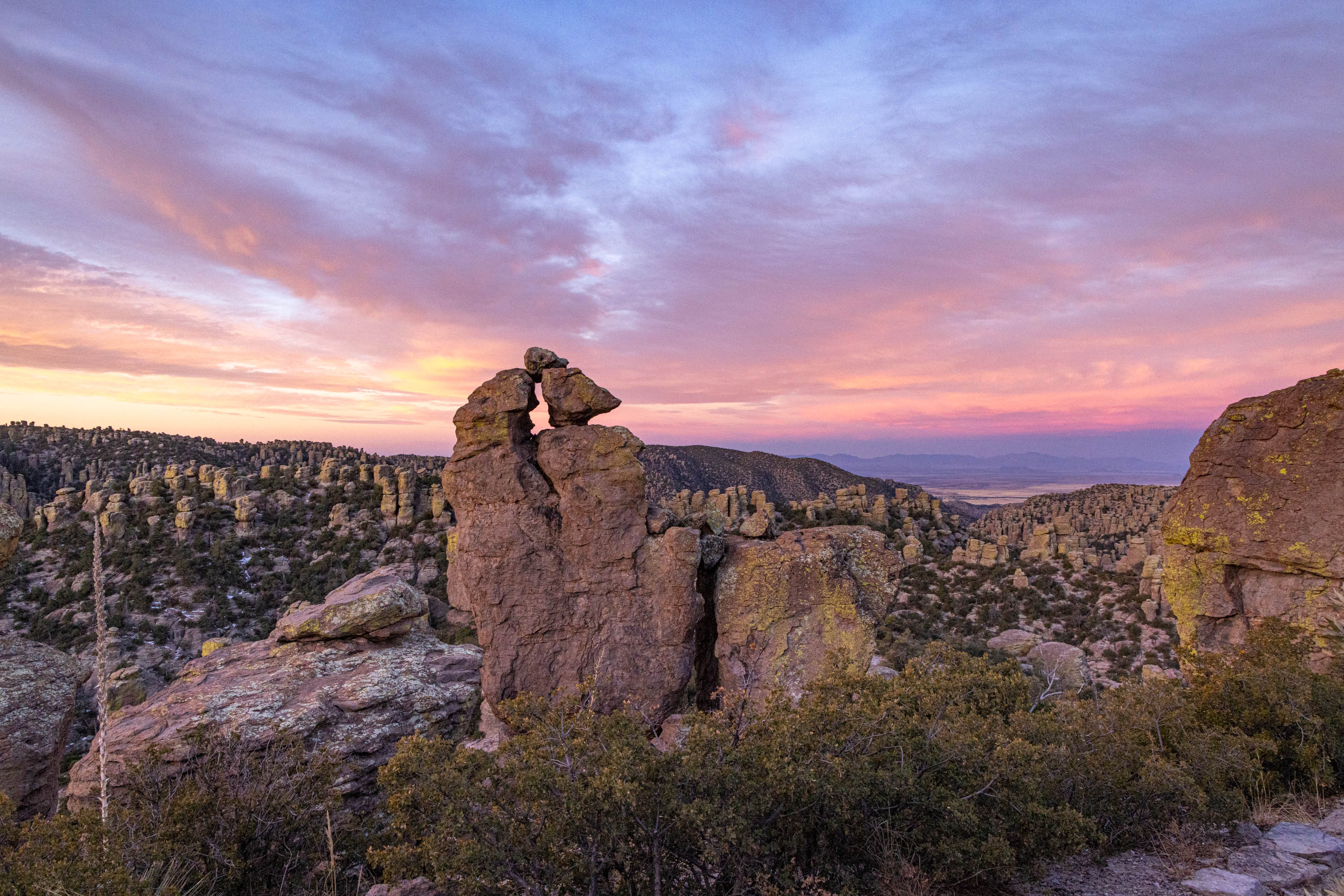
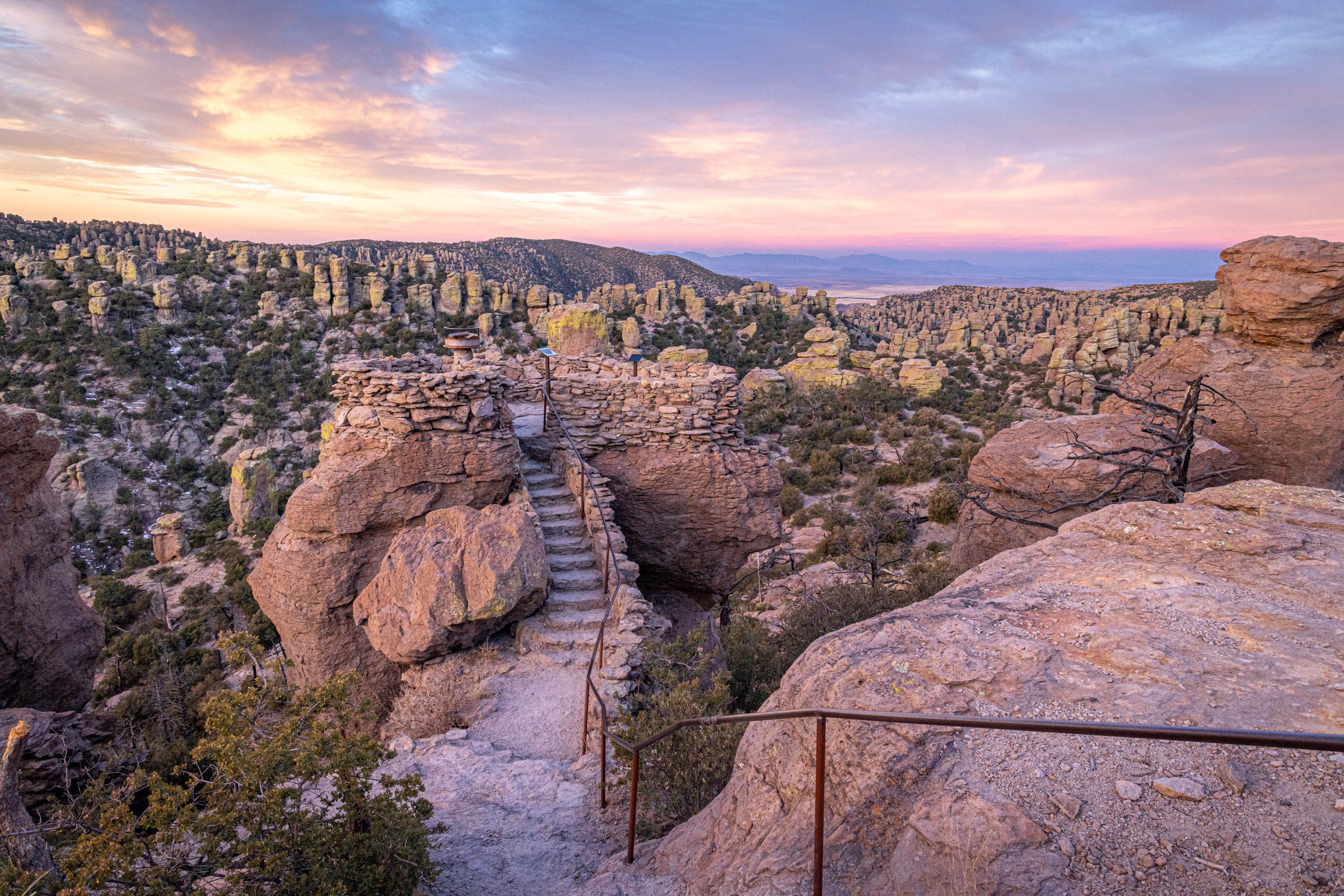
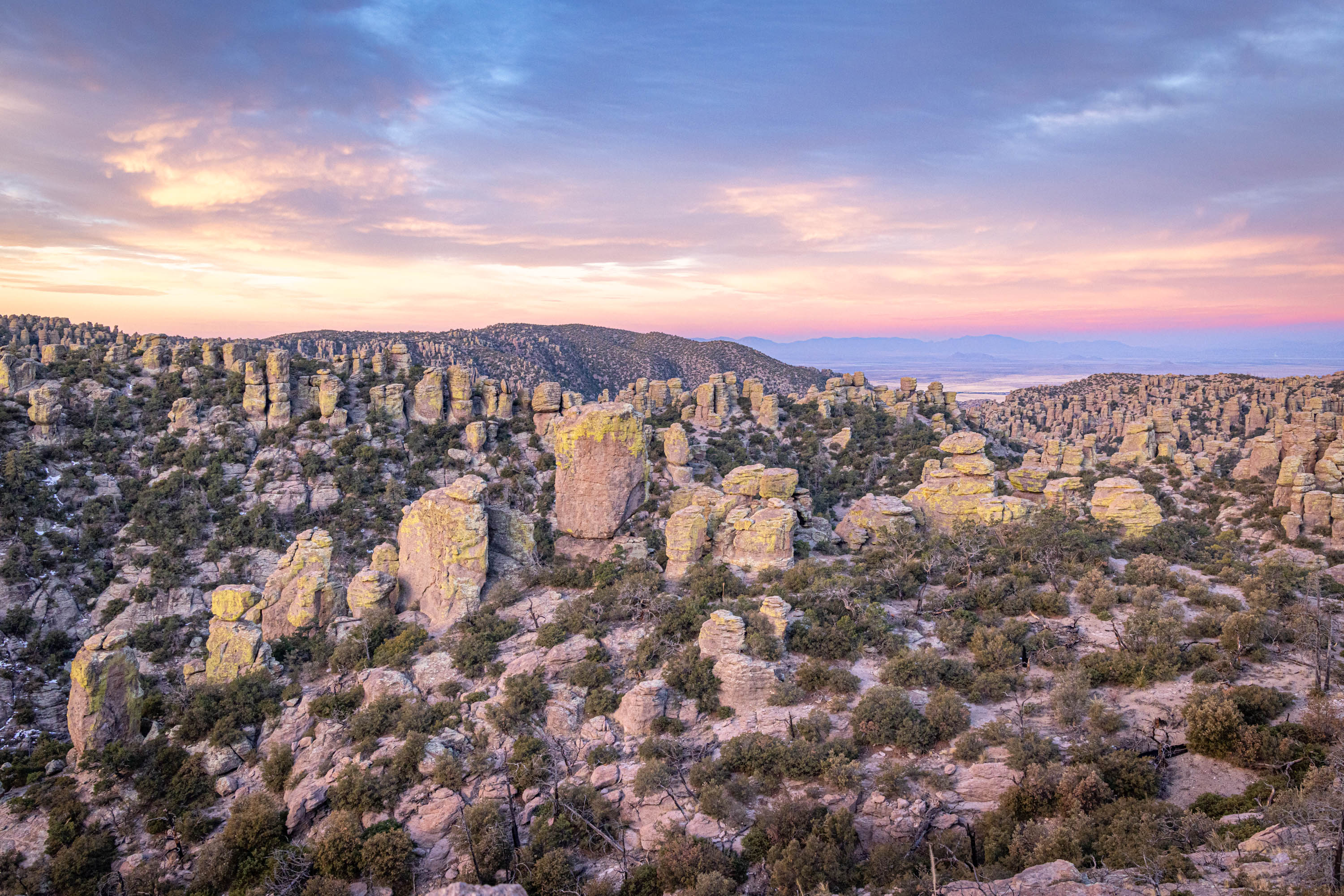
In the Southeast corner of Arizona lies this virtually ‘unknown’ Park managed by National Parks Service as a National Monument.
The site was established as a National Monument in 1924 to preserve and protect the rock formations and many pinnacles and spires that litter the landscape.
In 1934 the Civilian Conservation Corps built roads, trails, and structures to further establish the site and give many out-of-work young men jobs following the depression.
The park is over 12,000 acres; 84% of which is designated as a Wilderness Area. We loved walking the trails and were delighted to encounter a number of wildlife.
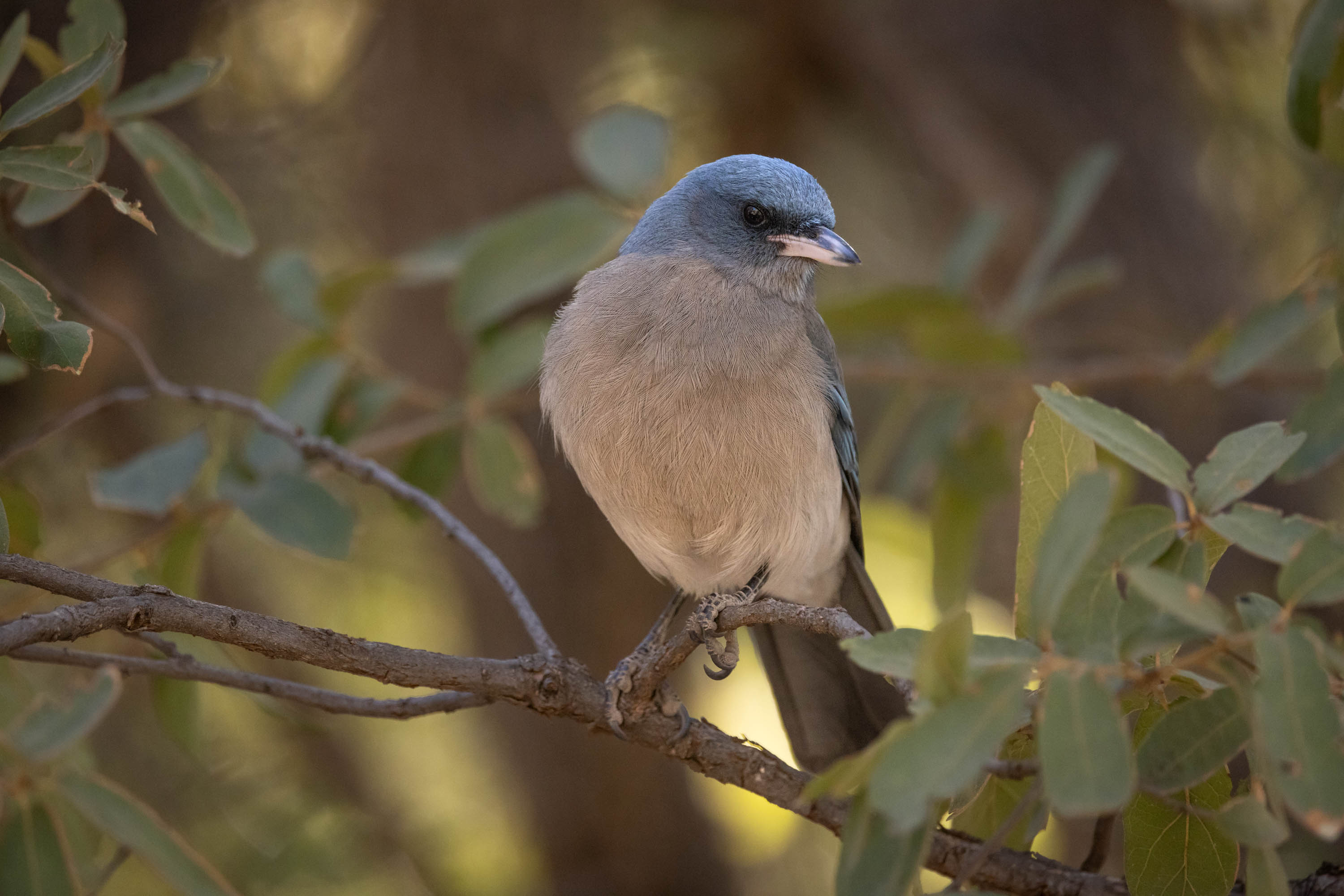
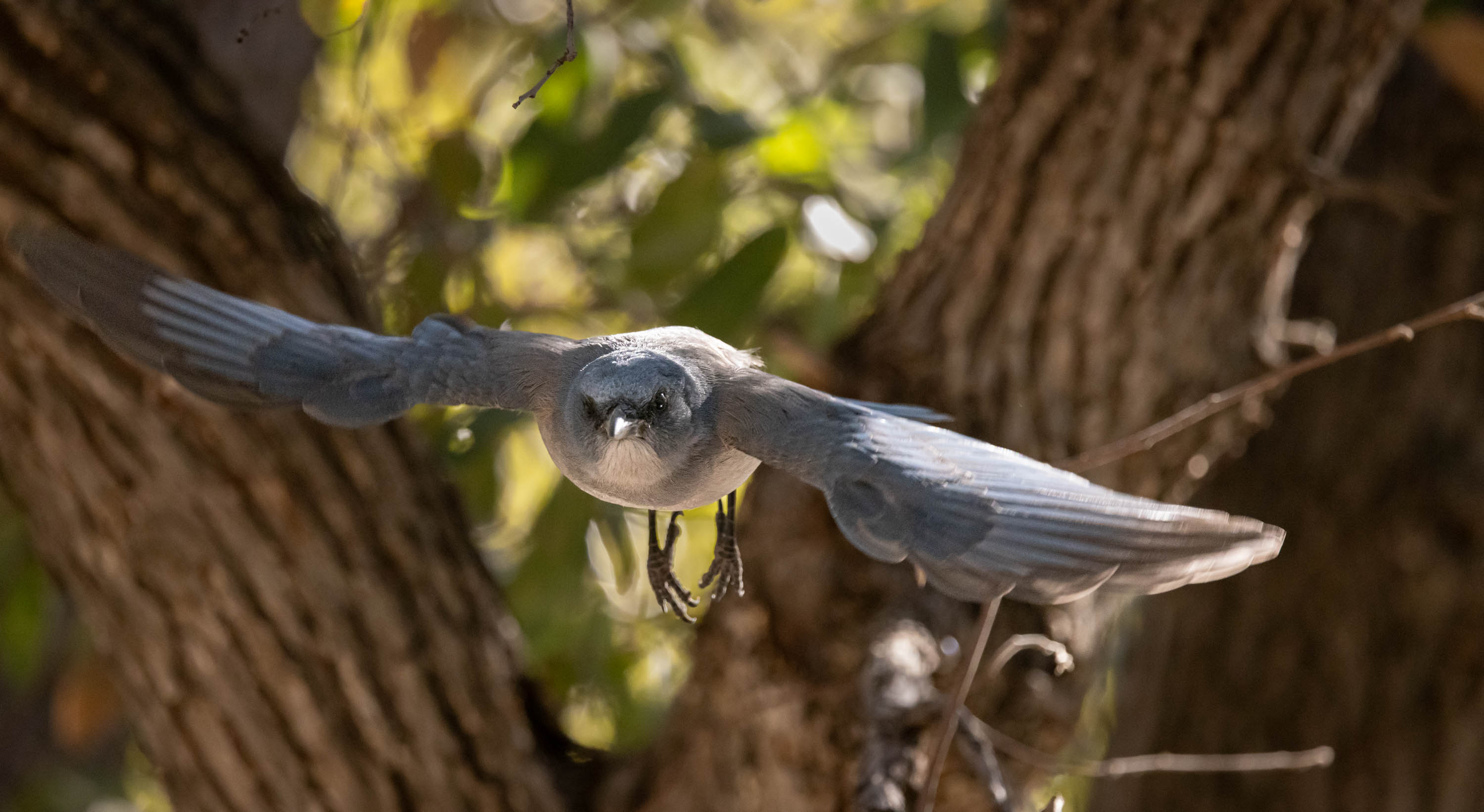
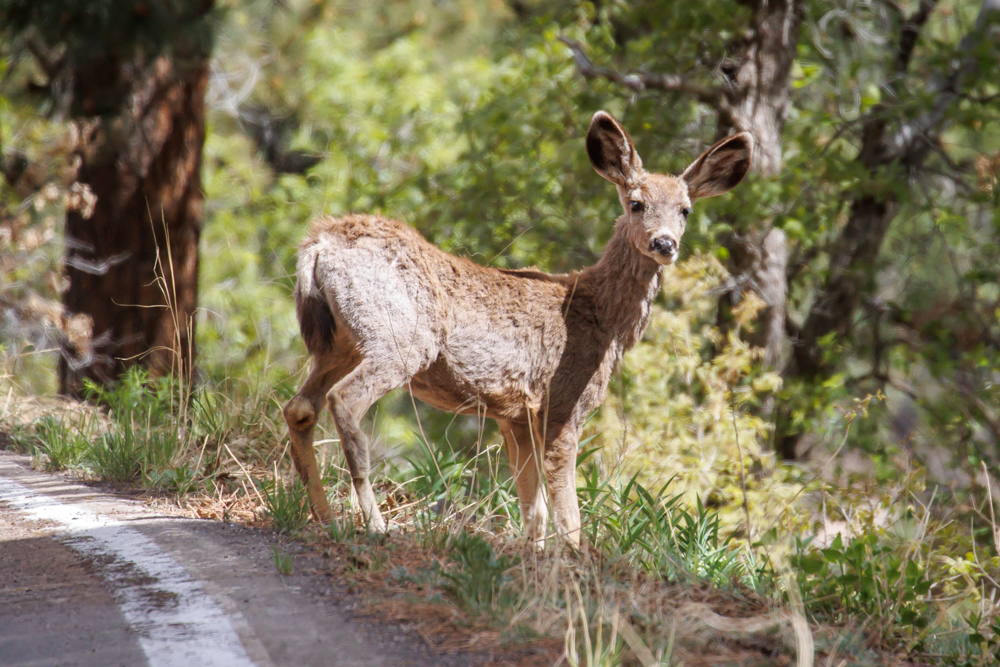
Not only did we see white tail deer and turkey, but quite a number of Mexican gray-breasted jays.
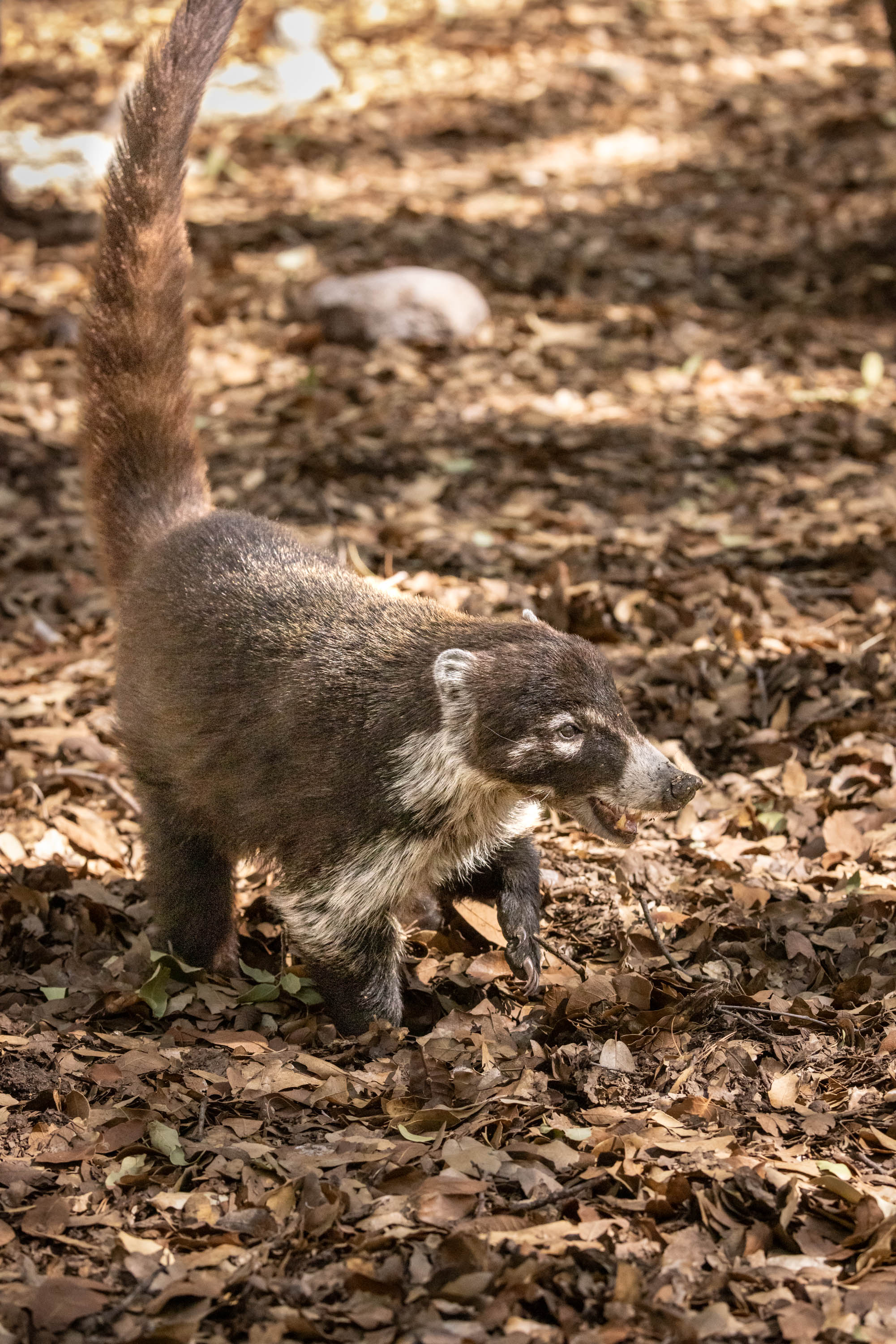
Mostly we were ecstatic to see our first coatimundi. Coatis are a small animal looking something like a cross between an anteater and a bear, but are actually members of the raccoon family. They live primarily in riprarian areas in canyons near water sources.
Their long snout, white face, and long tail make them very distinguishable from other mammals. We have camped out on multiple occasions over the years in areas known to be inhabited by coatis, with no luck, despite long periods of time in remote locations sitting in quiet for hours waiting for them to come in.
So when we saw our first ‘band’ or group of coatis we were beyond excited.
We were told to look for ‘dancing tails’, and it wasn’t until we saw it, that we understood what we were looking for.
With so little precipitation this year, we were lucky to find a stream with water that we frequented at dawn and dusk in hopes of catching sight of a coatimundi. It wasn’t until after multiple trips that we finally spotted our first coati.
We were fortunate enough, as it turned out, to get multiple sightings.
As with any nature, the more you pursue it, the more you learn. We discovered that the coati would come out foraging for nuts and grubs in the heavy fall leaves coating the ground.
We got a tip that we might be able to find coatimundi at Cluff Ranch in Pima, AZ, a locale they had been seen many times before. Having never seen a coatimundi, we were anxious to follow up on the lead and hopeful to get a great shot.
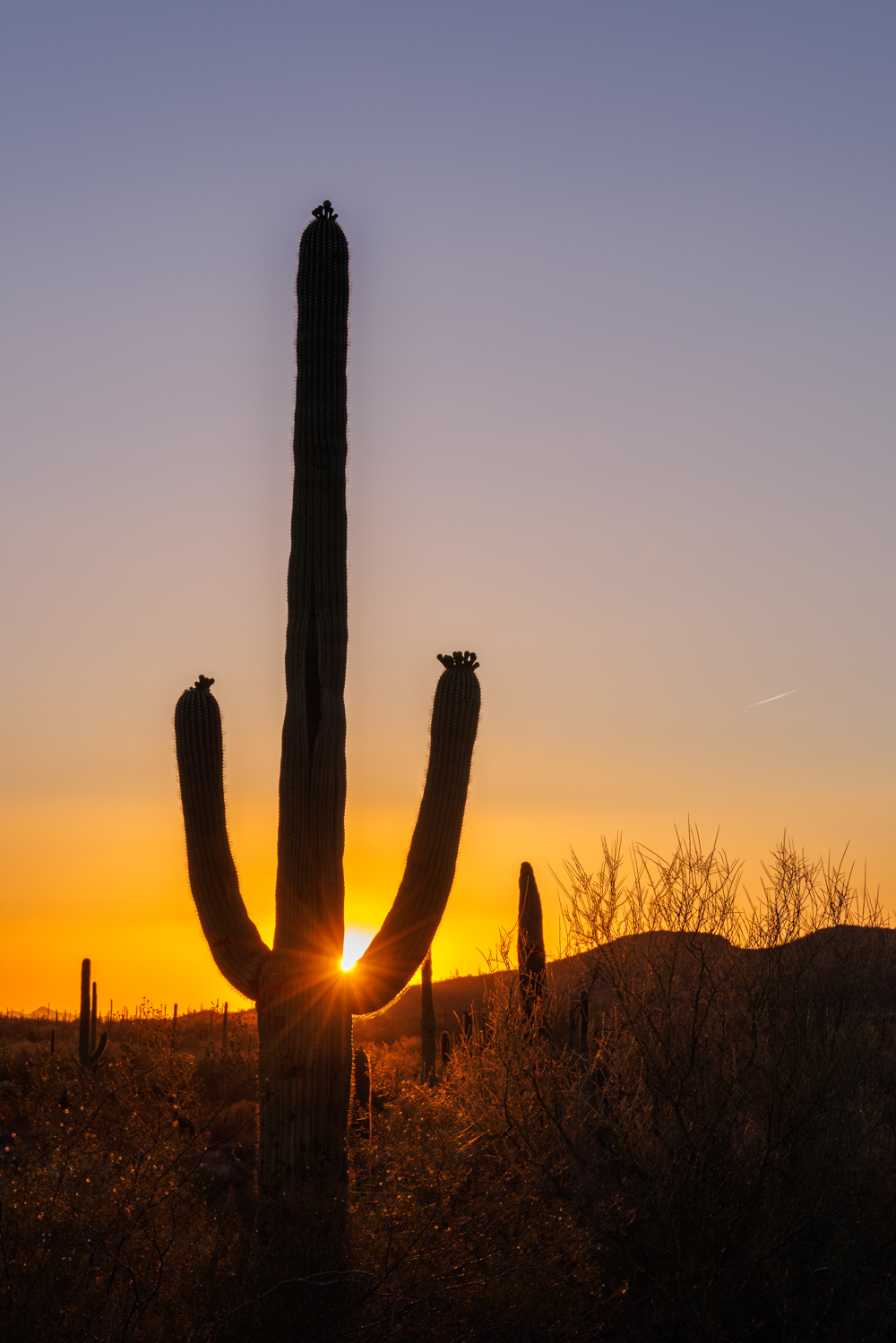
We stopped at Tucson Mountain Park along the way. It was sunny blue sky the entire time, but we weren’t there for sunsets, we were there for the animals.
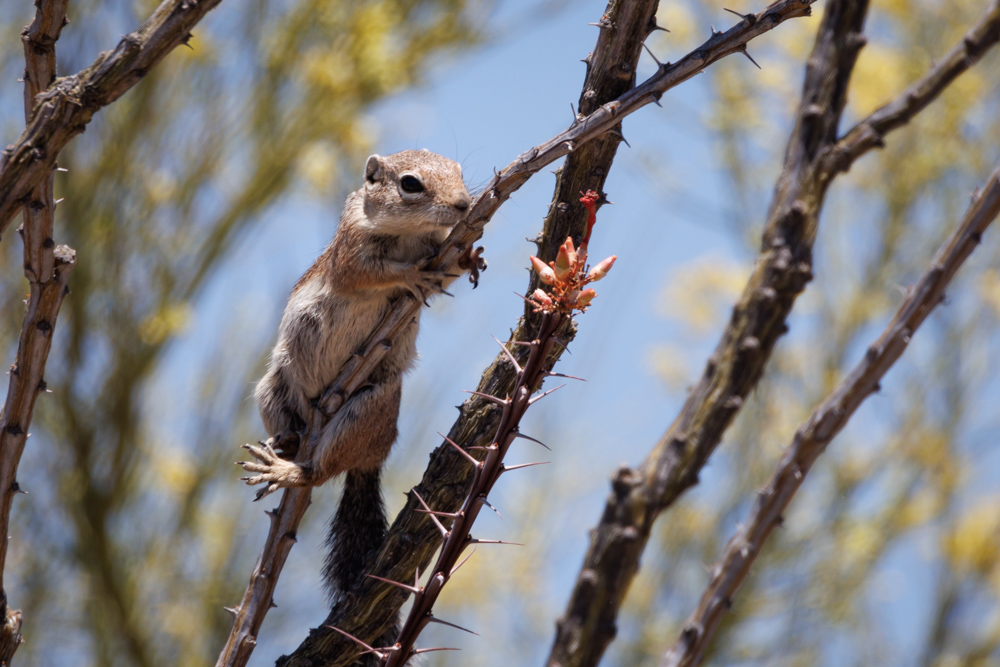
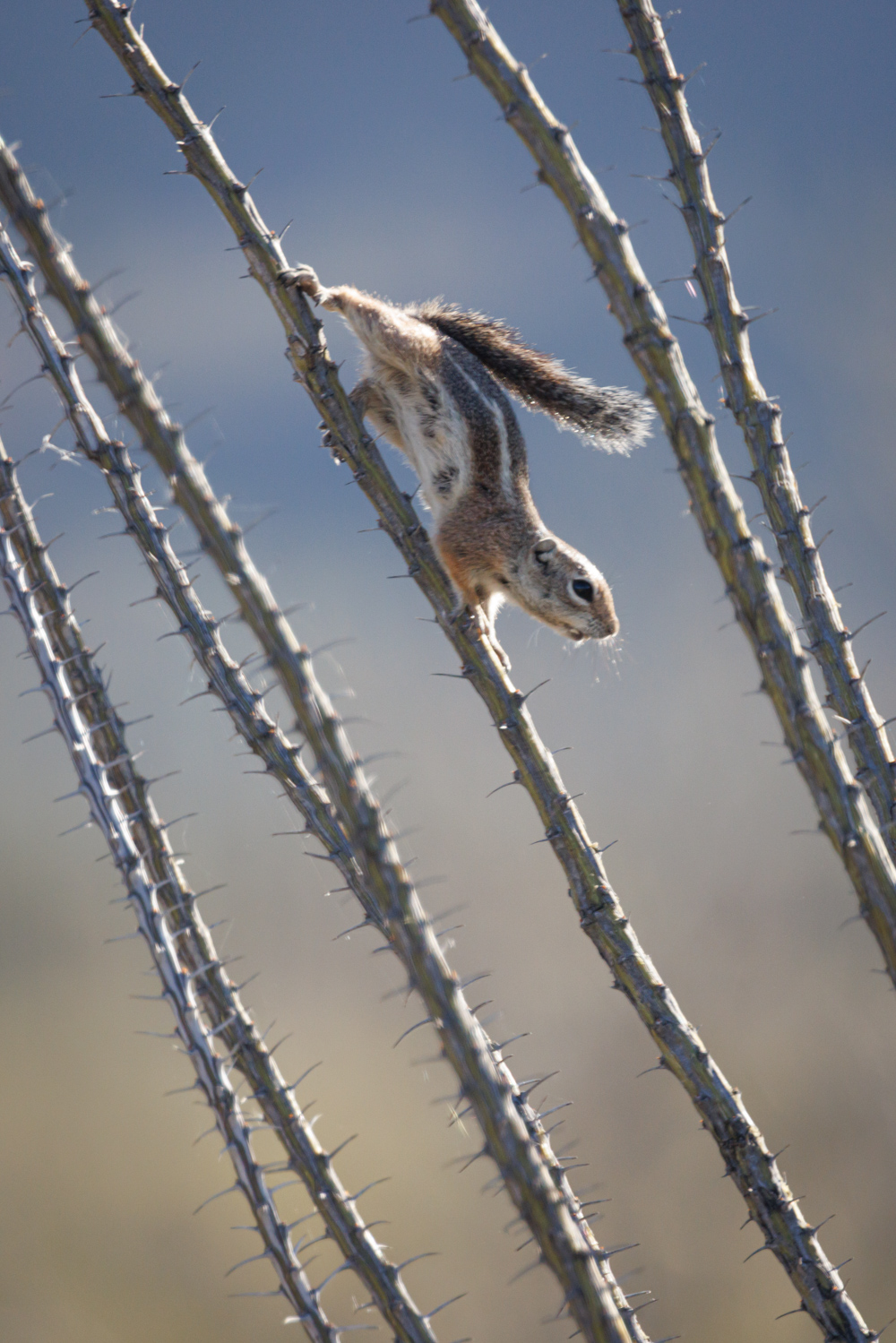
At Tucson Mountain Park we were delighted and entertained as we watched these little ground squirrel brave the ocotillo thorns just for a taste of it’s ‘candy corn’ fruit.
When we got to Cluff Ranch in Pima, AZ, we hiked in to the spot we thought we might see coatimundi, parked ourselves and hid for several hours, waiting in silence hoping for an encounter. Unfortunately, not all animal outings are productive. They work to their own schedule and don’t tend to appear on command.
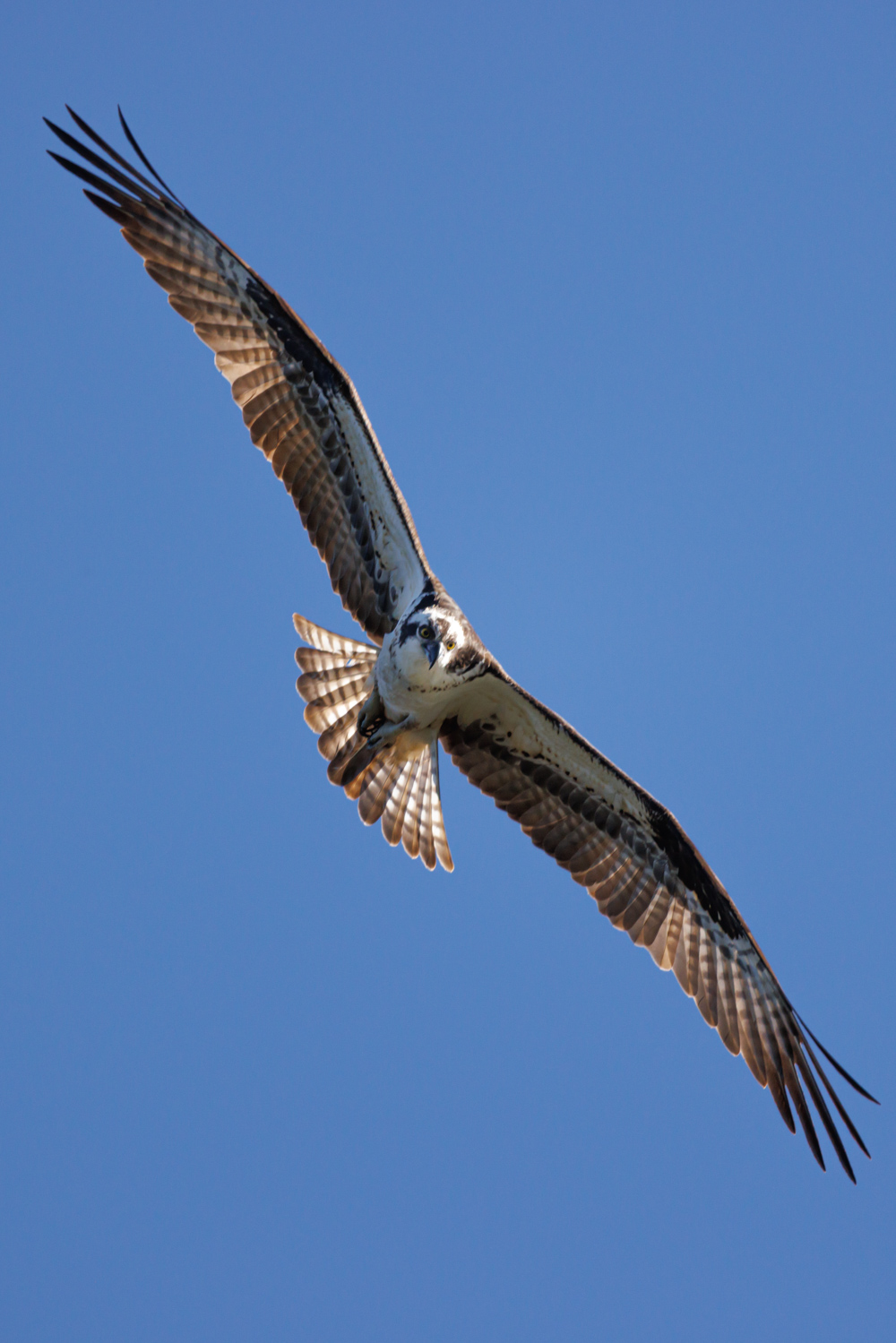
The heat was intense at 97F, particularly for us mountain dwellers, so we made our way back through Hannigan’s meadow toward Greens Peak in hopes of catching some osprey fishing.
We were rewarded with a 53F day, nearly 45 degrees from the previous day in Southern AZ, and fortunate to see some osprey, yet unable to catch that illusive shot of them fishing… but I’ll keep trying.
















 kritterspix