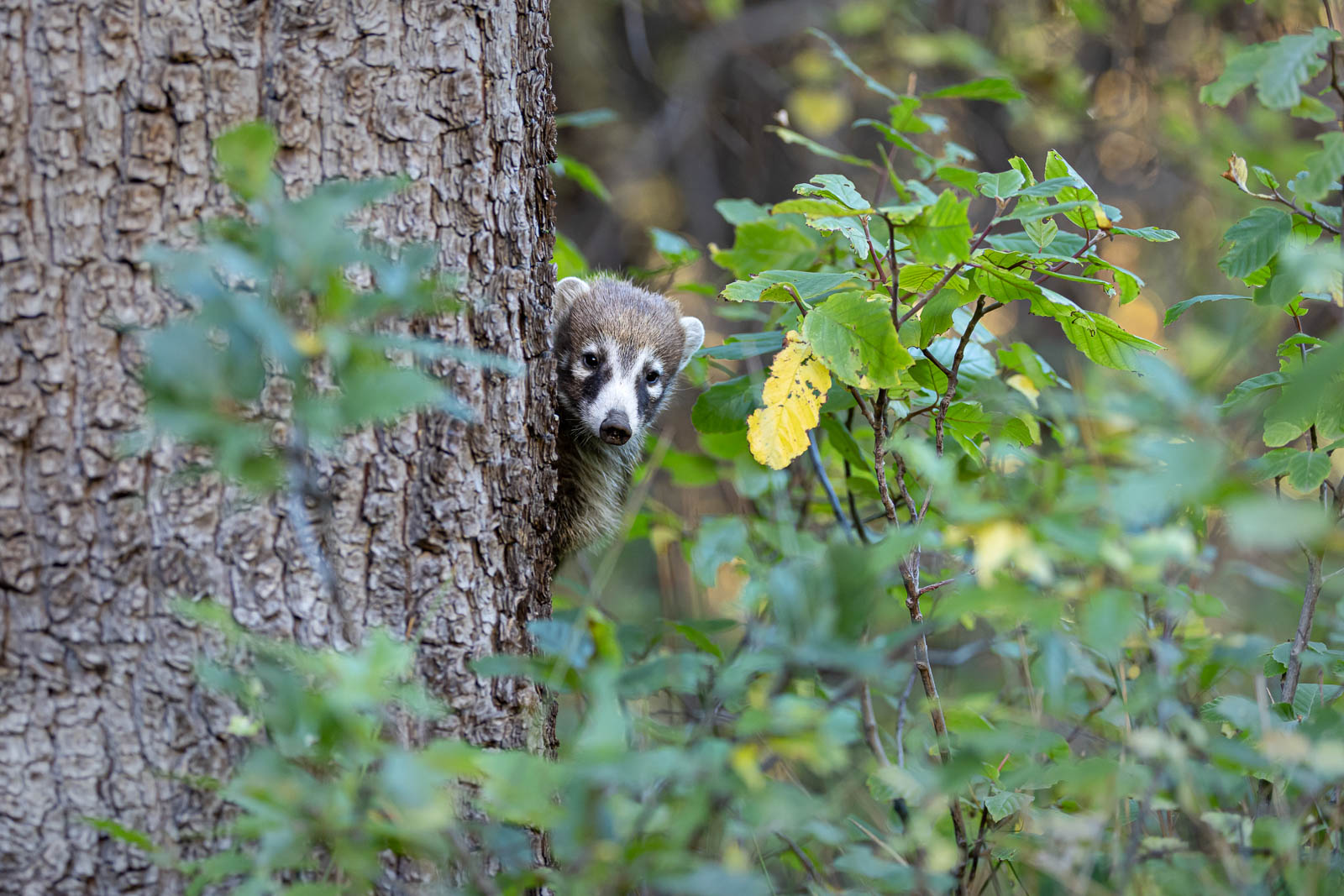
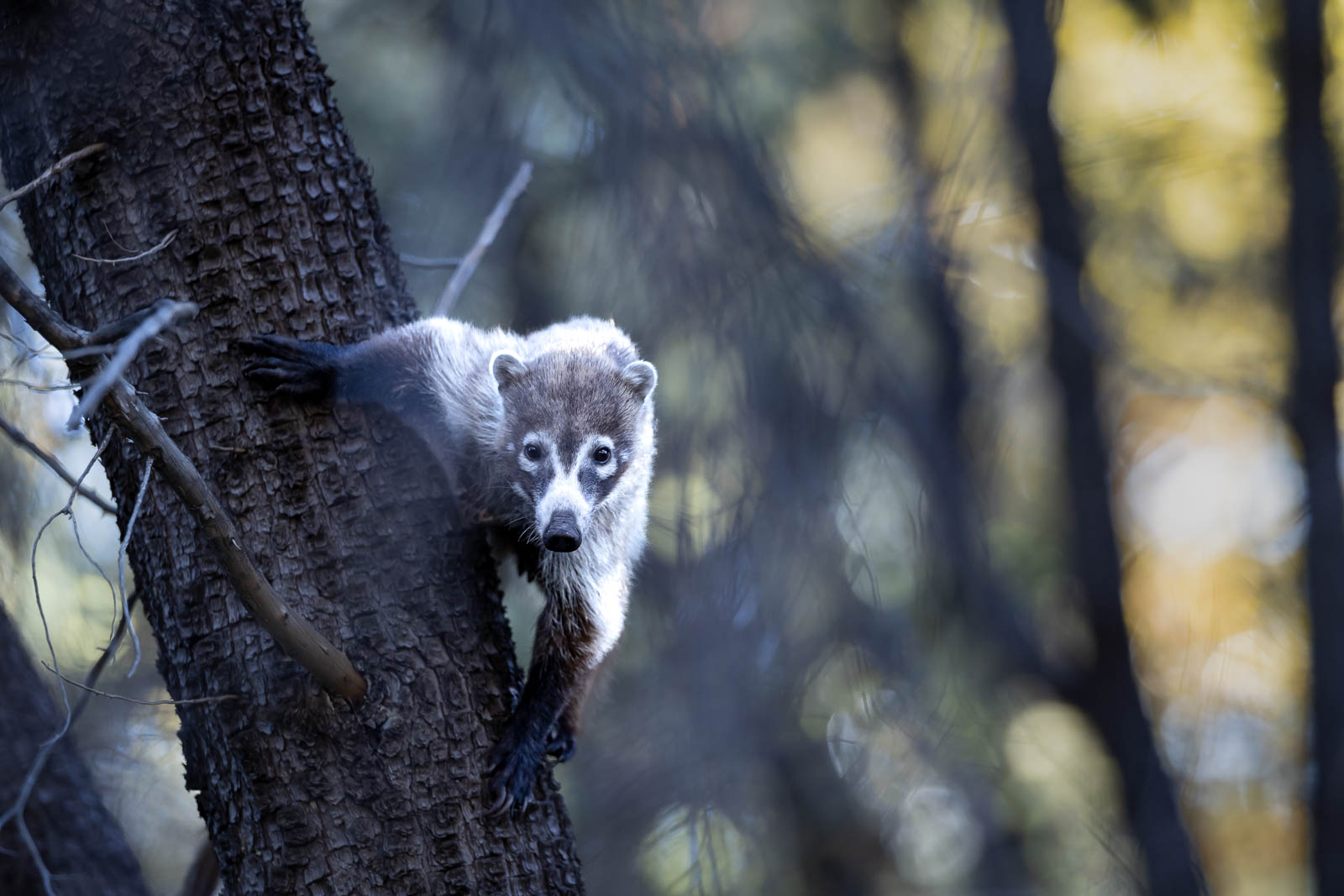
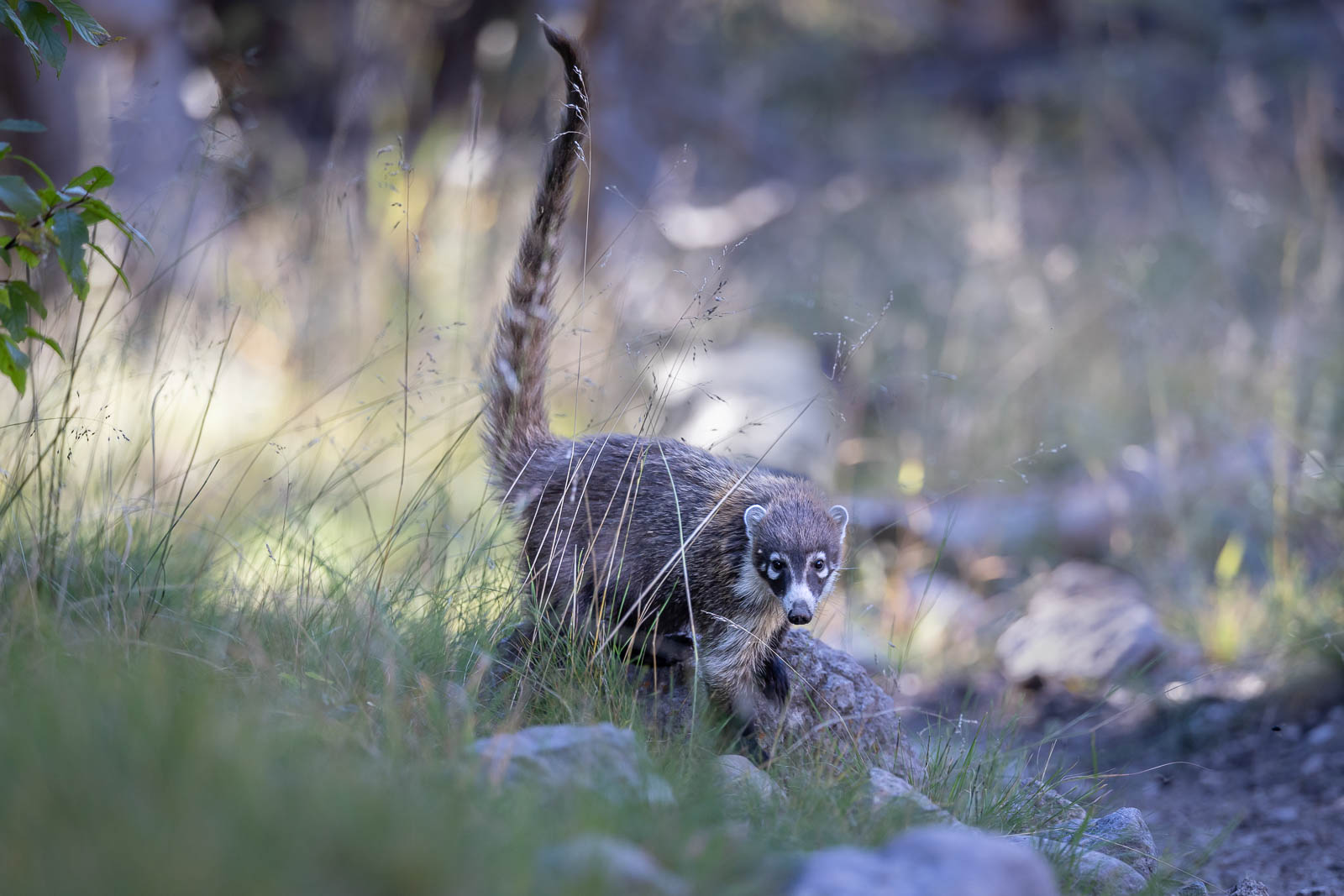
Coatimundi are a rarely seen Arizona mammal that inhabits our Southern and Eastern parts of the state. They band together and where you might see one, there are often more.
They are cute little guys with a long tail and white snout. They forage for seeds and nuts under the fallen foliage of oaks and sycamore trees. If spooked, they handily find refuge in trees.
We were lucky enough to see a band of them while camping. They can be found at higher elevations, often near water sources, and can be spotted by their stripped tail raised high in thick grass.
The more of them I see, the more I want to see. Sightings can be fleeting, so I am thrilled for every opportunity to take advantage of it.
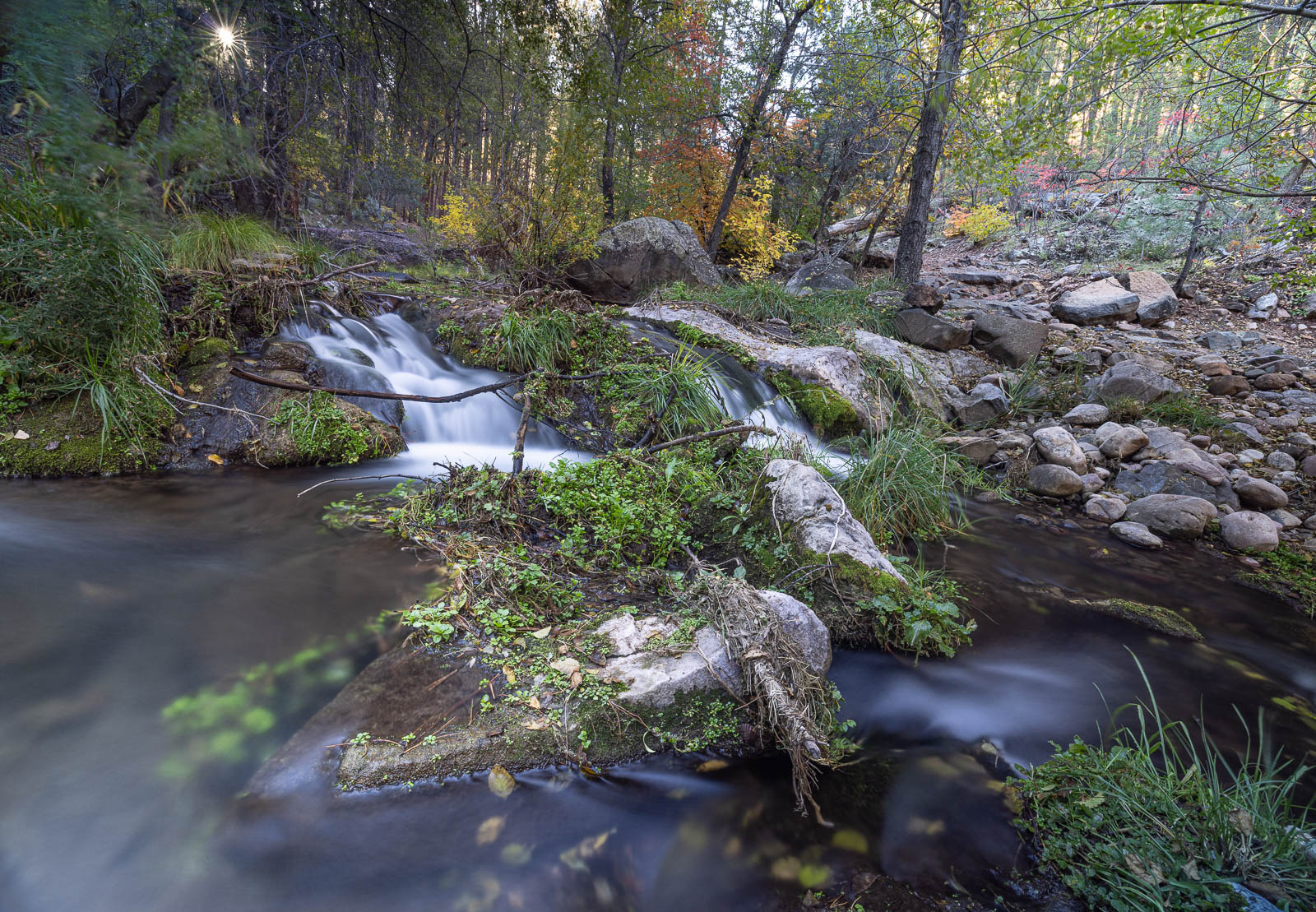
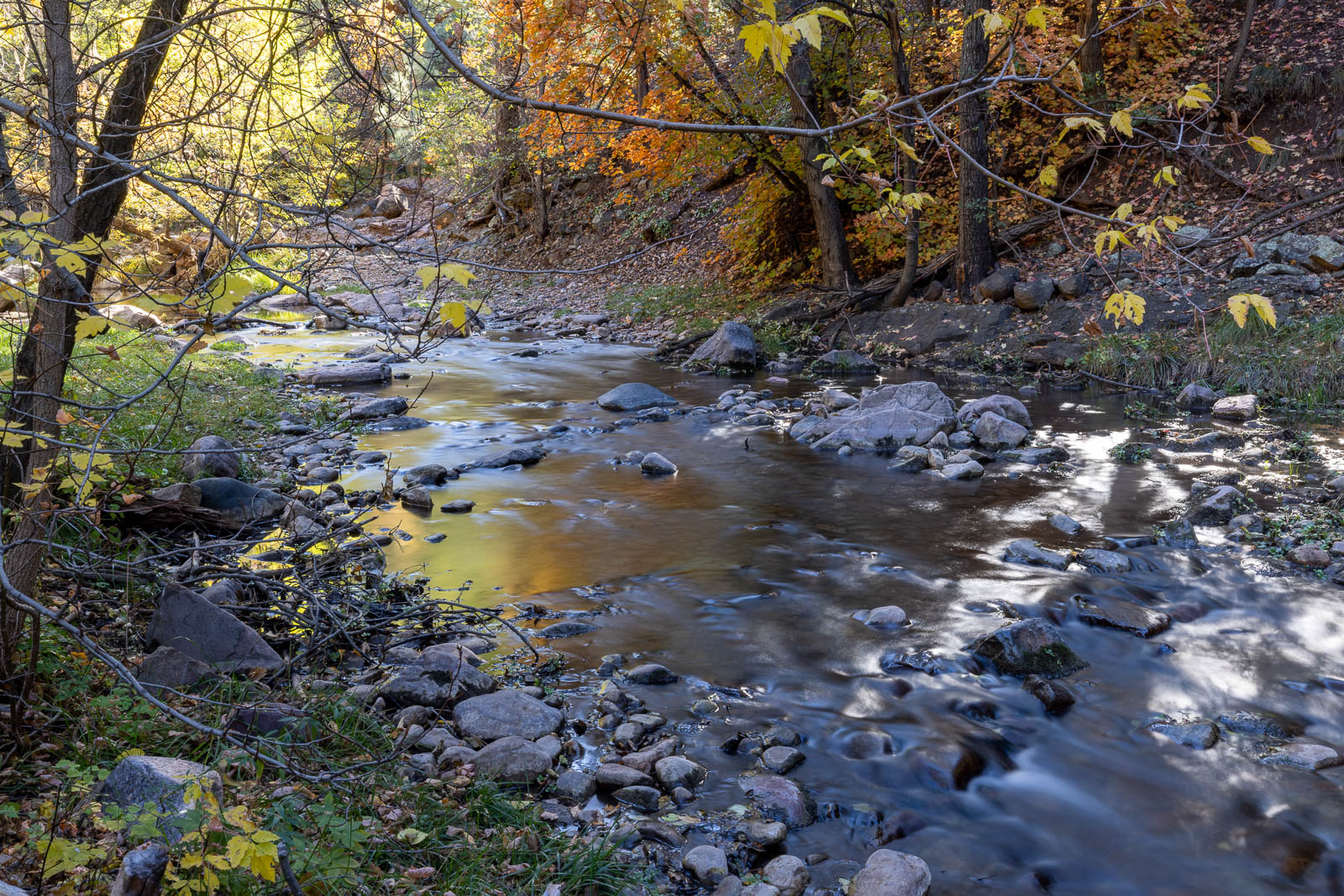
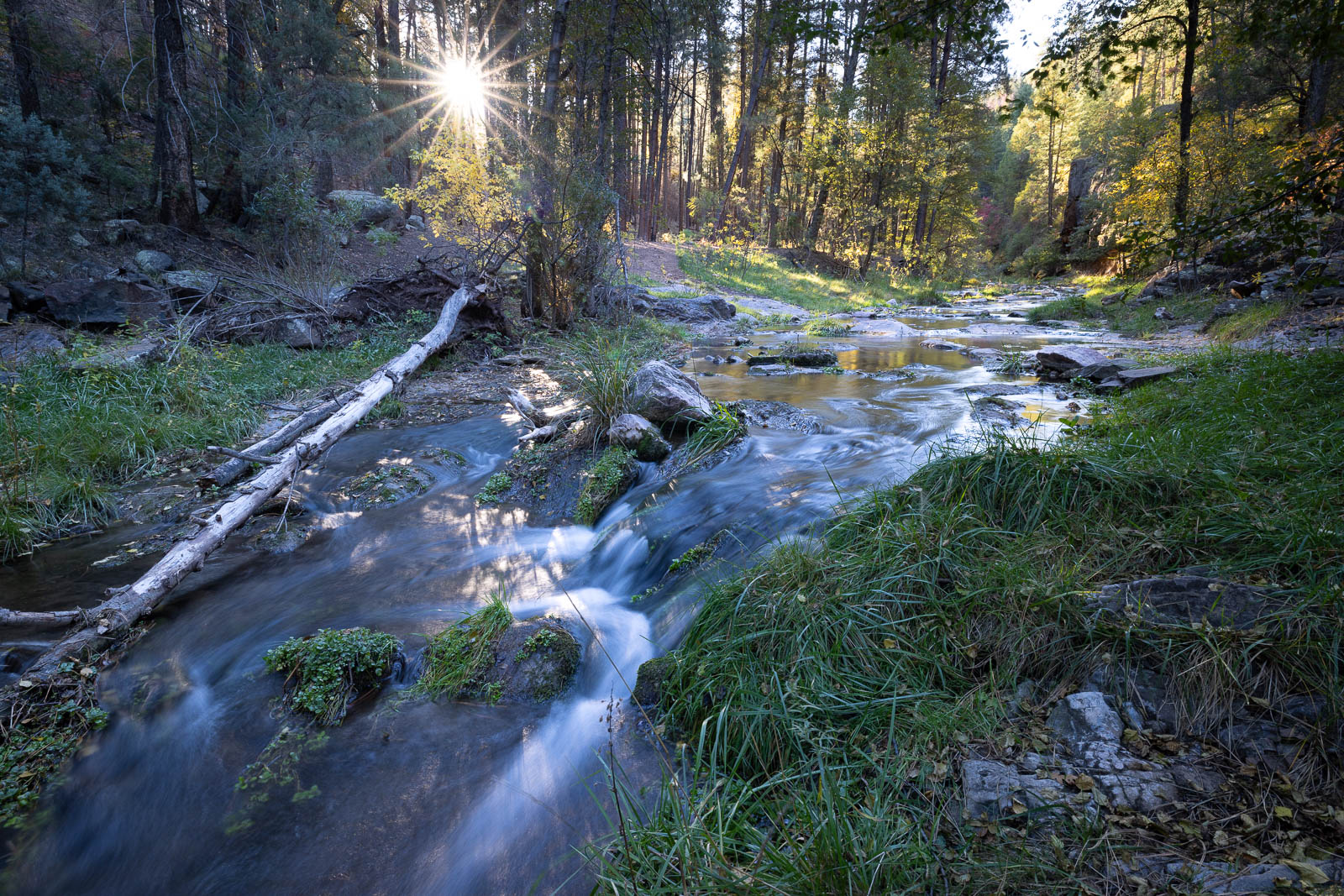
The late cold snap has brought vibrant color to our forests and trees. As time goes on, the leaves begin to change at lower and lower elevations. We covered the higher altitudes of Mogollon Rim and Green’s Peak around 7500′ (see pix here .. https://kritterspaw.com/2025/10/18/fall-colors-2/)
So we figured we would hit the lower elevations near Payson, AZ and see if we could get some color around 5500′.
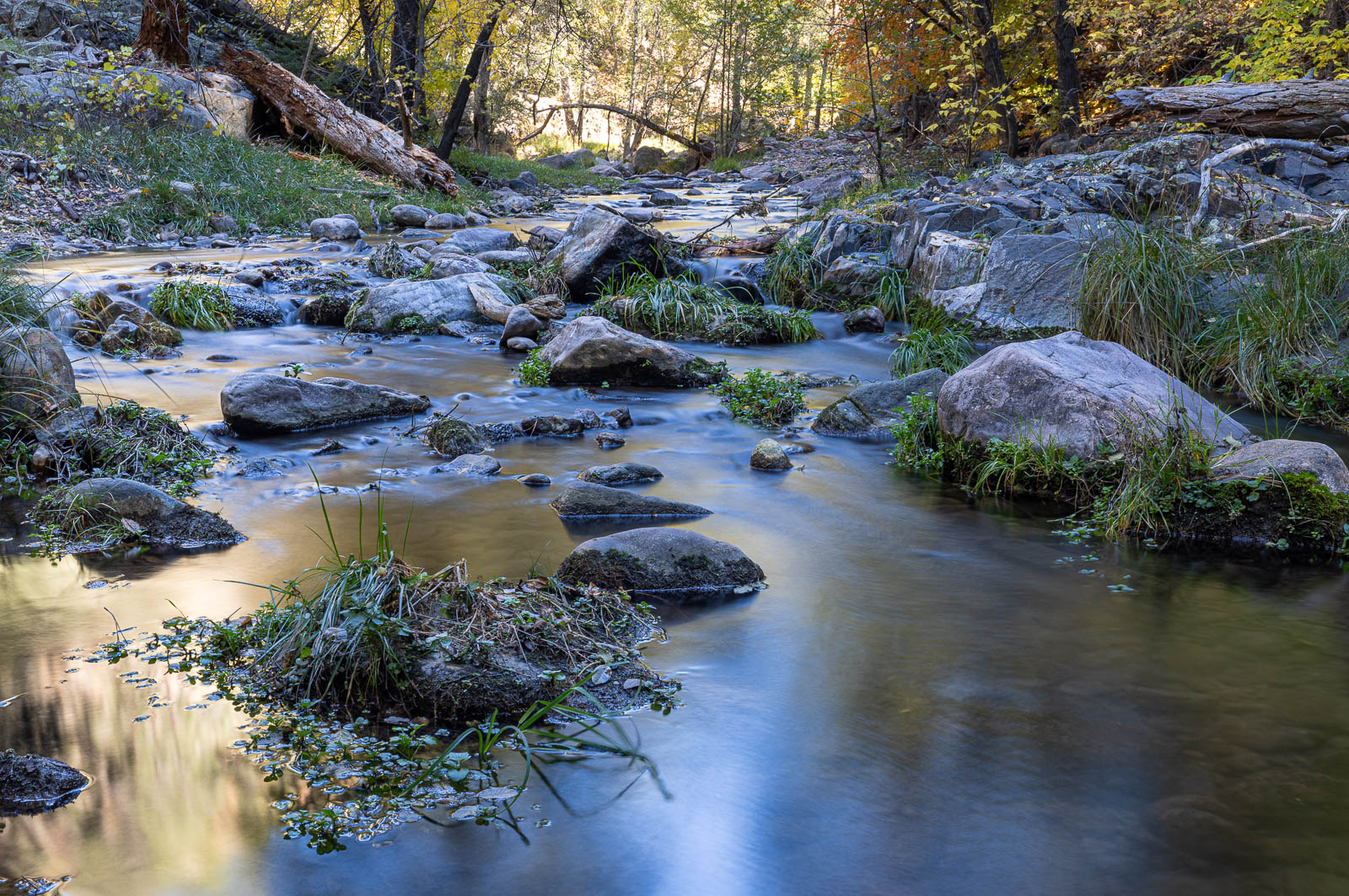
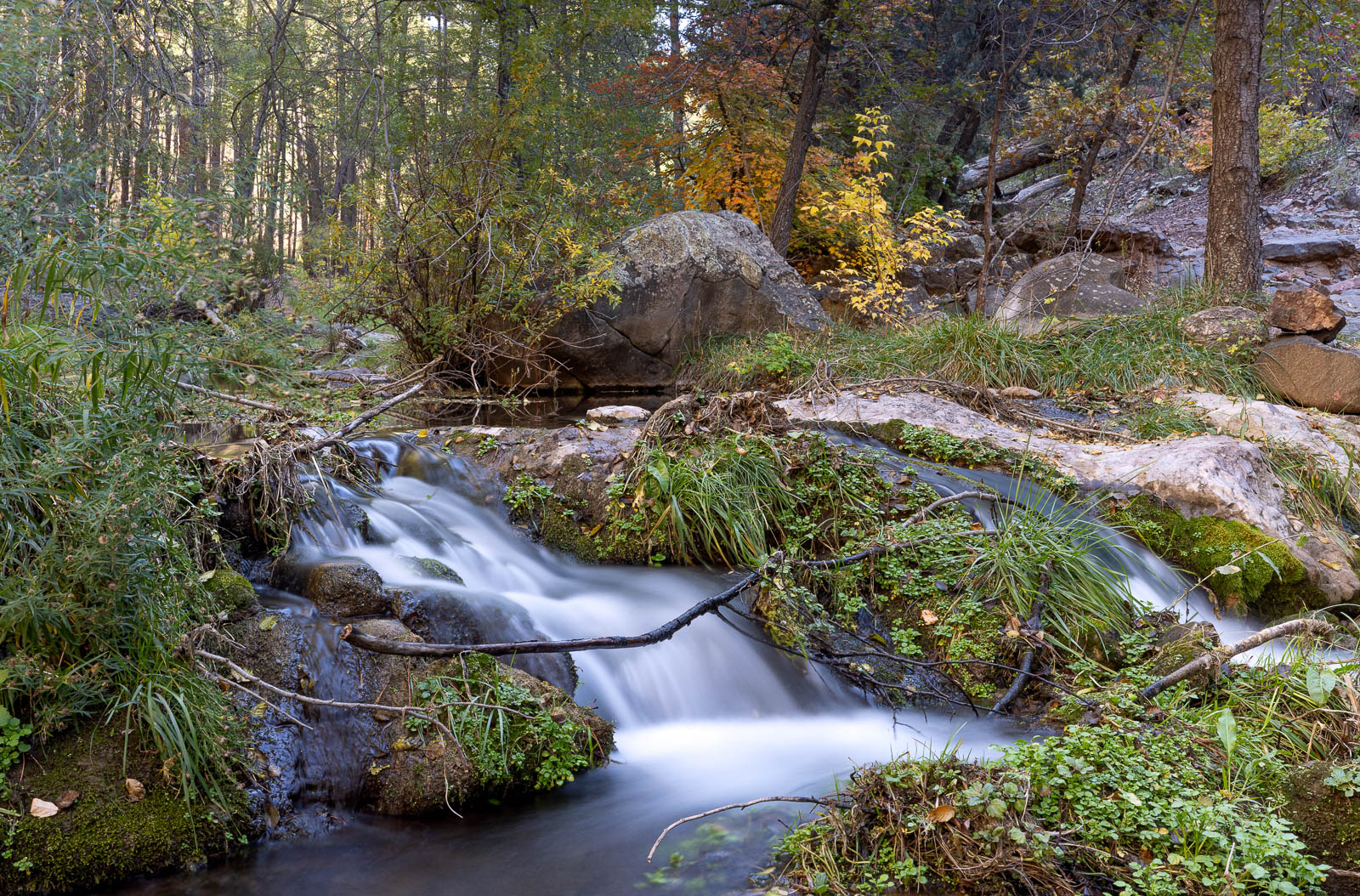
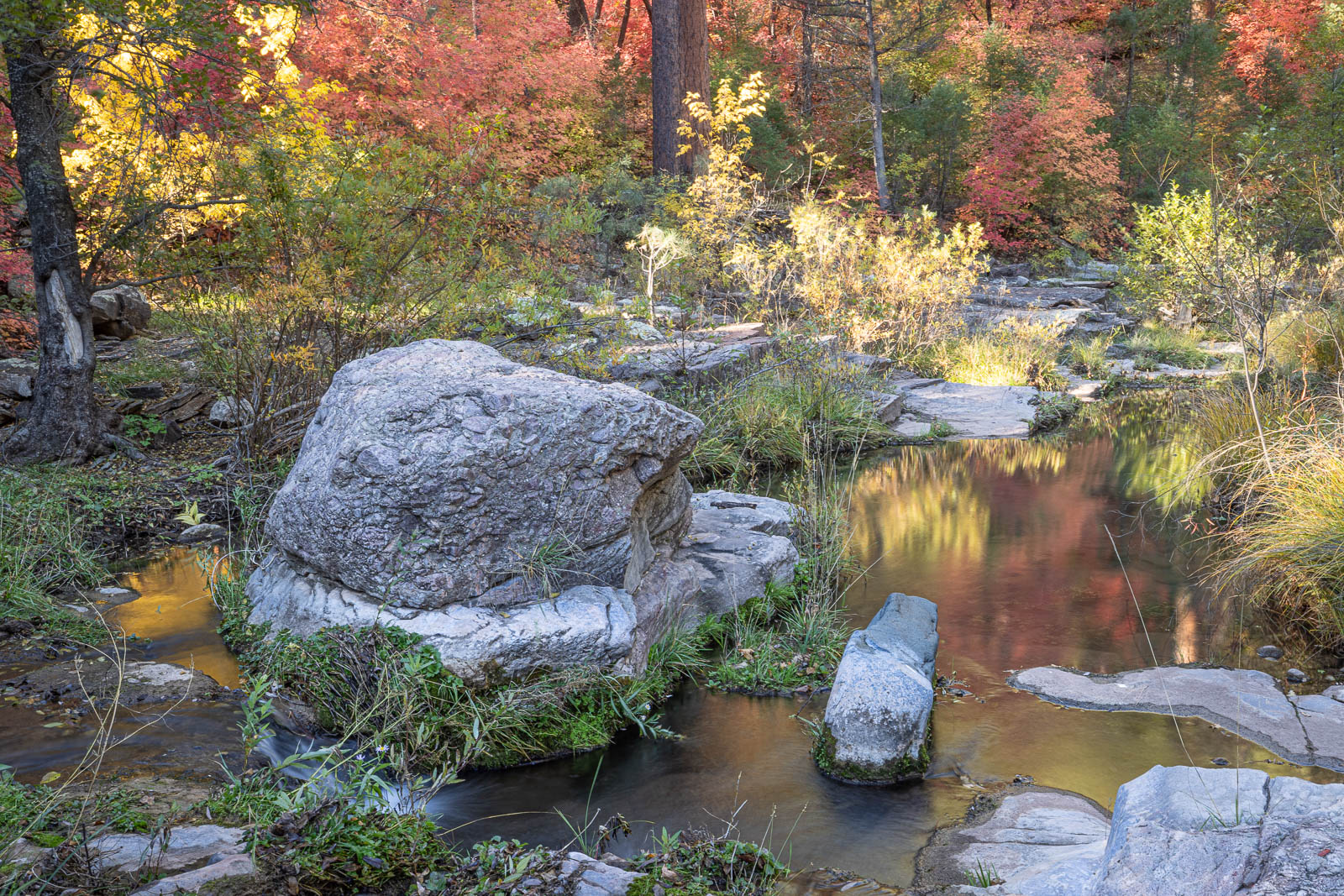
While colors of green, gold, red, and orange pop against gorgeous landscapes, the only thing that makes it better is reflection in the water.
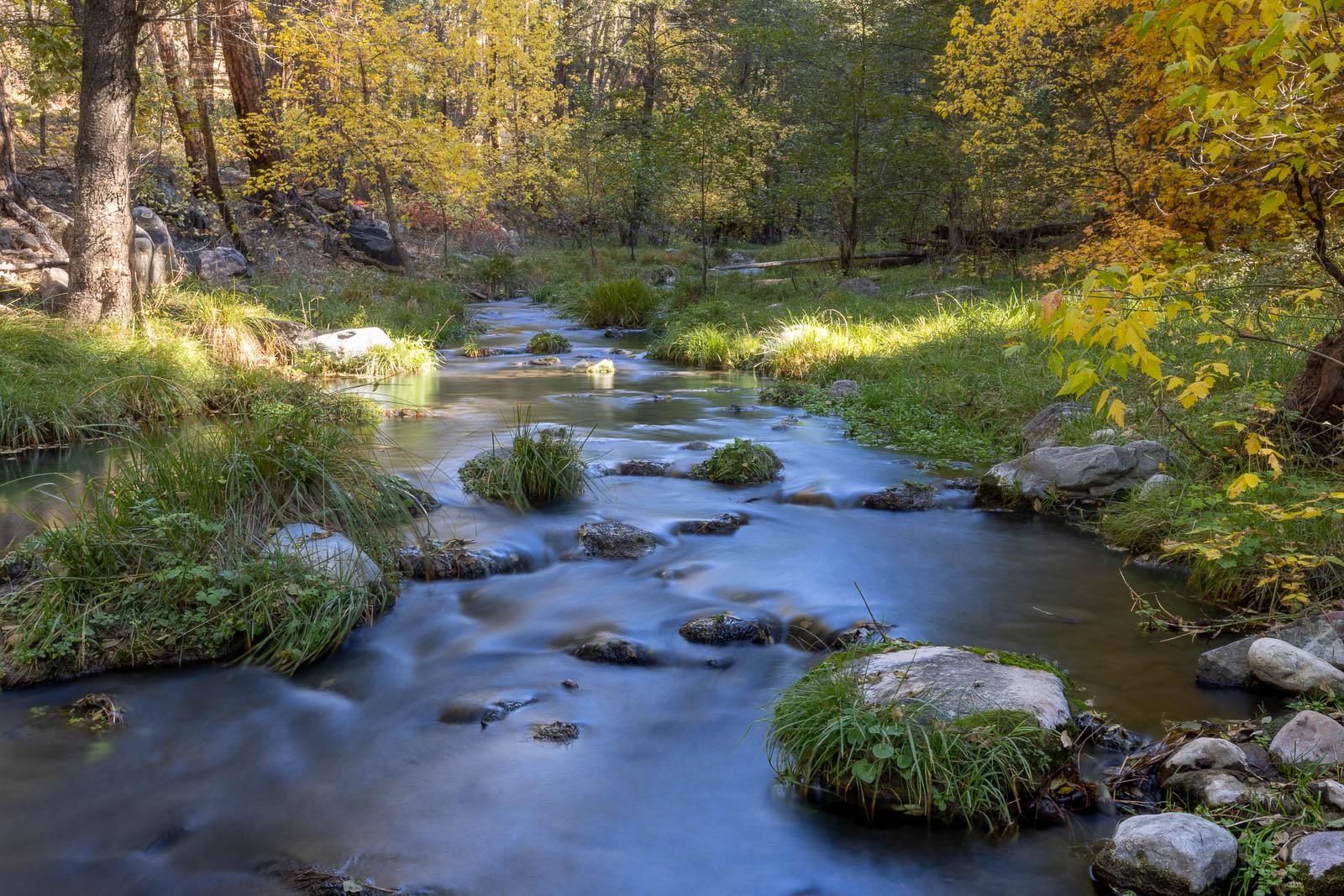
Creeks and streams litter our road maps with little blue lines scattered all over Arizona. The difficult part is finding actual water, which can prove to be a challenge. But we were up for the task and trekked deep into the back roads to find a special spot that yielded great color and reflections.
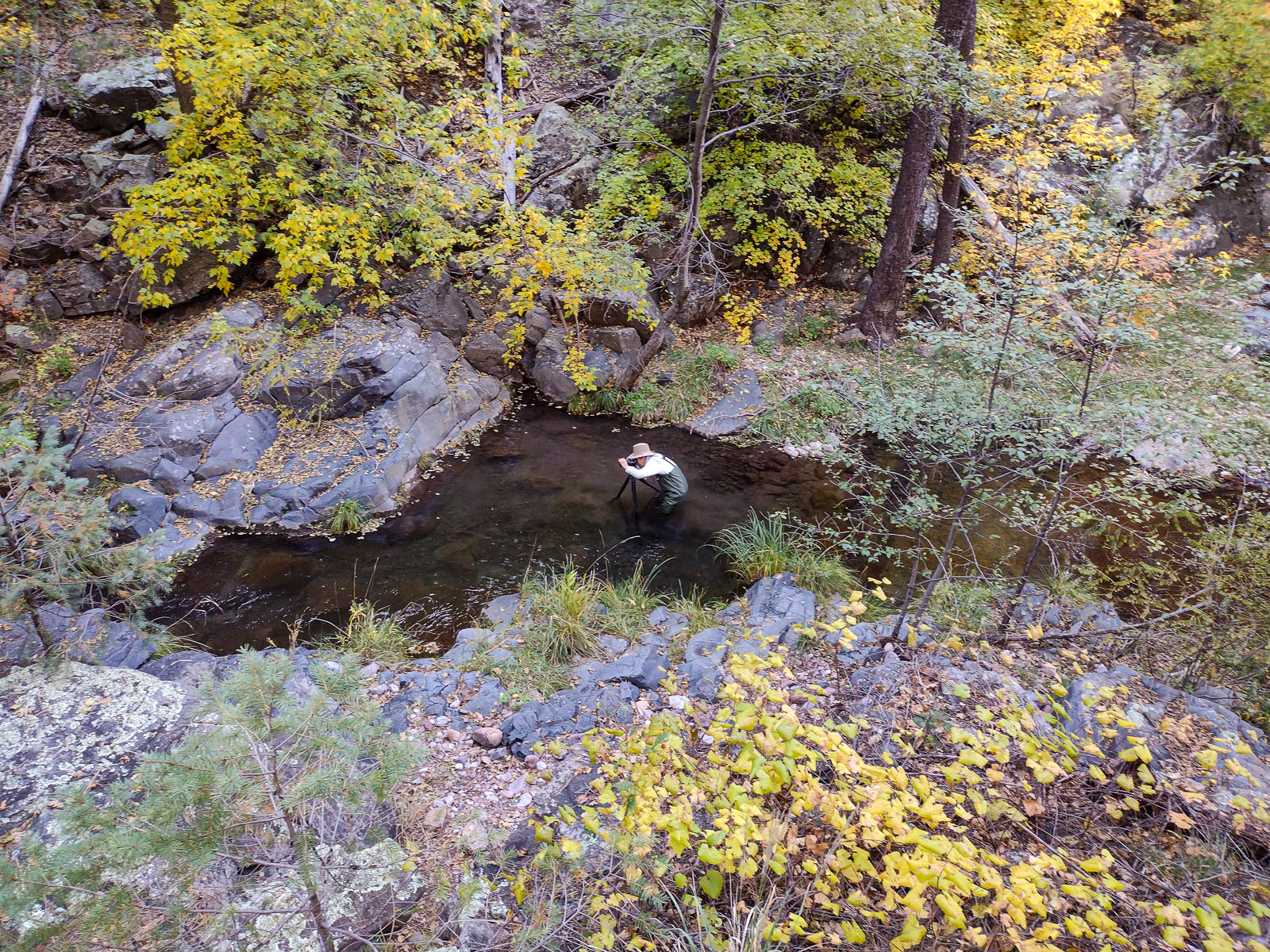
I donned my waders and got in deep, shooting low from my tripod for long exposures to create soft water and moody images.
There is something truly special about being surrounded by such beautiful scenery, and the stunning natural environment we live in. It’s hard to get enough and keeps us going out for more.
I hope I managed to capture the heart and soul of this spectacular season.
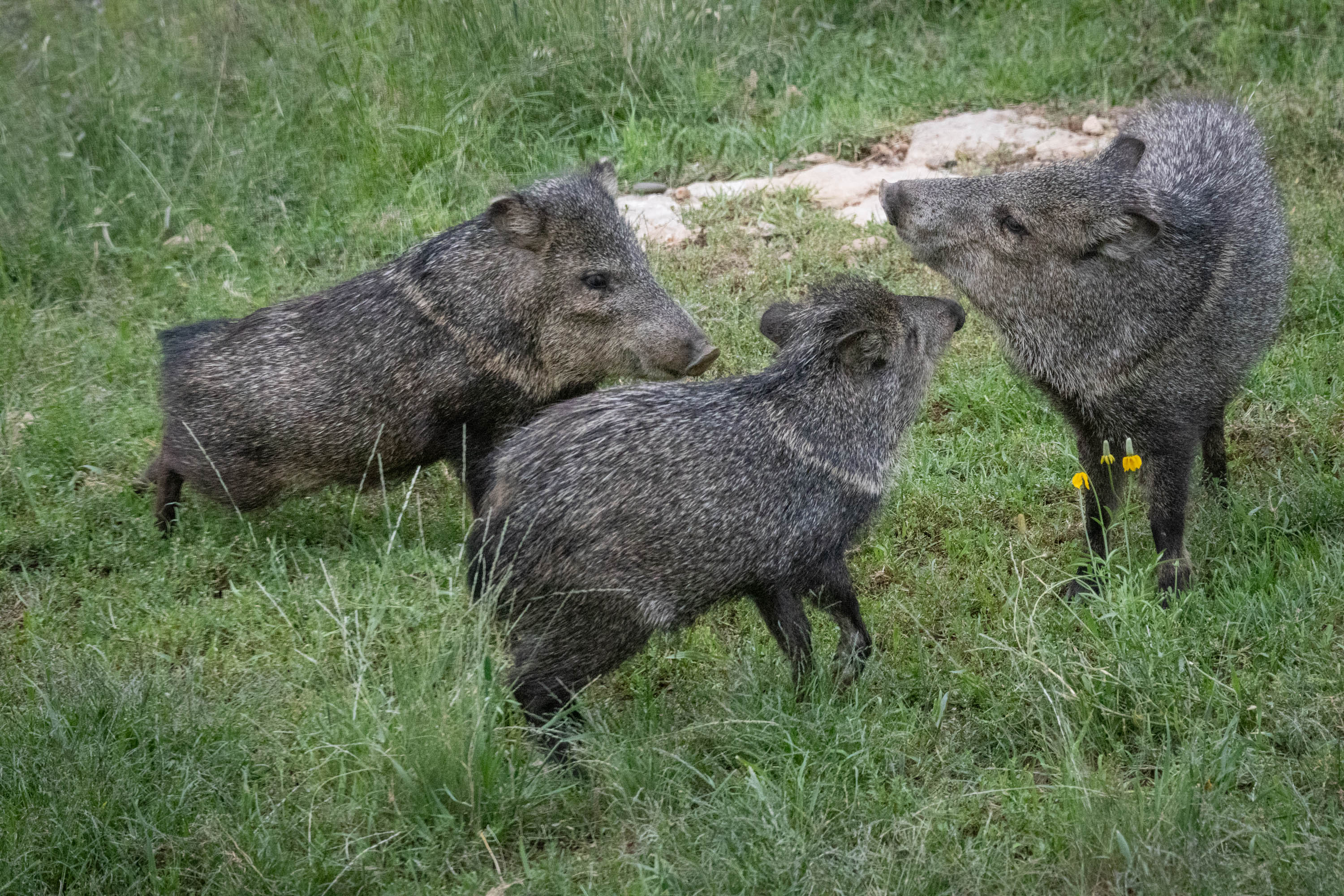
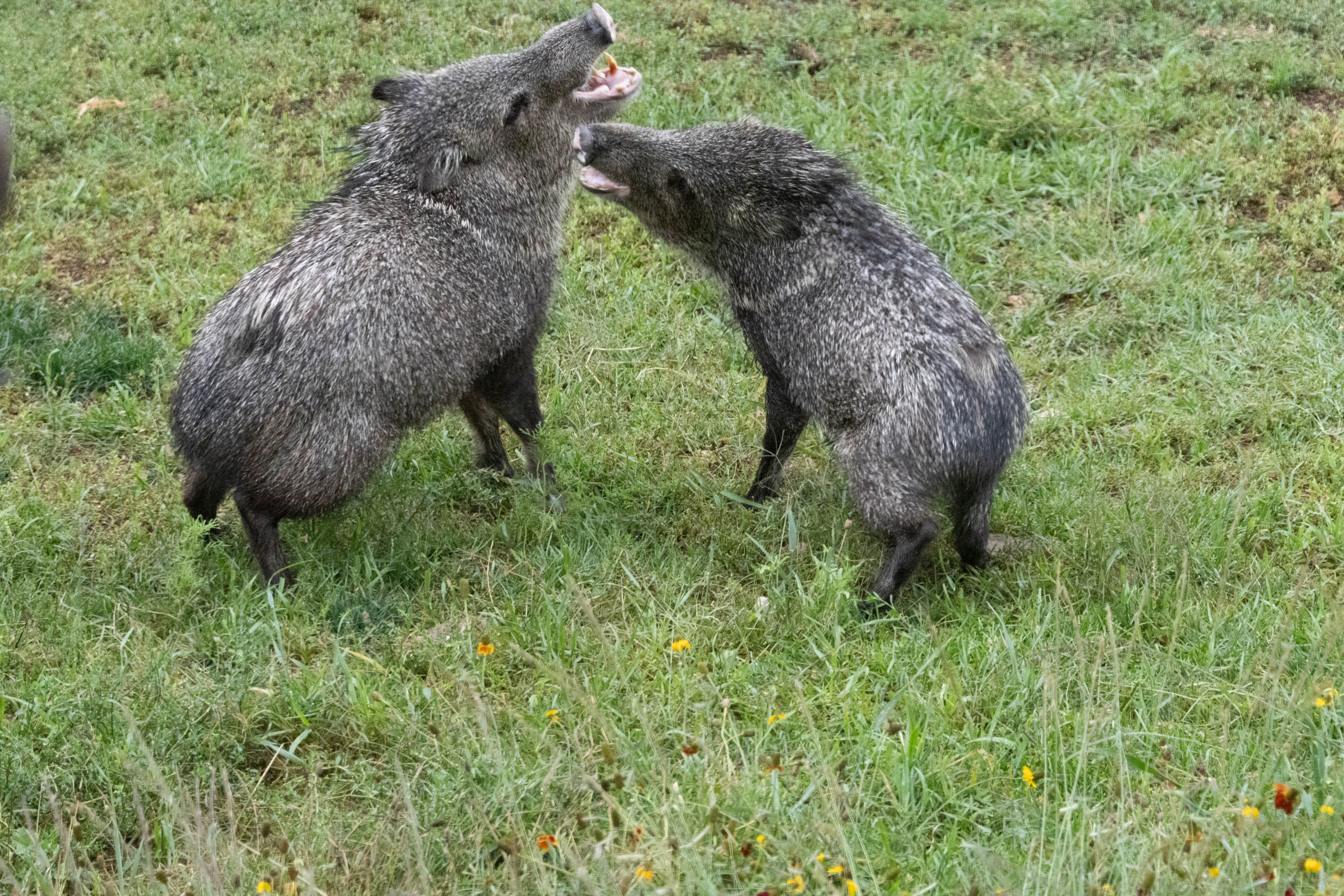
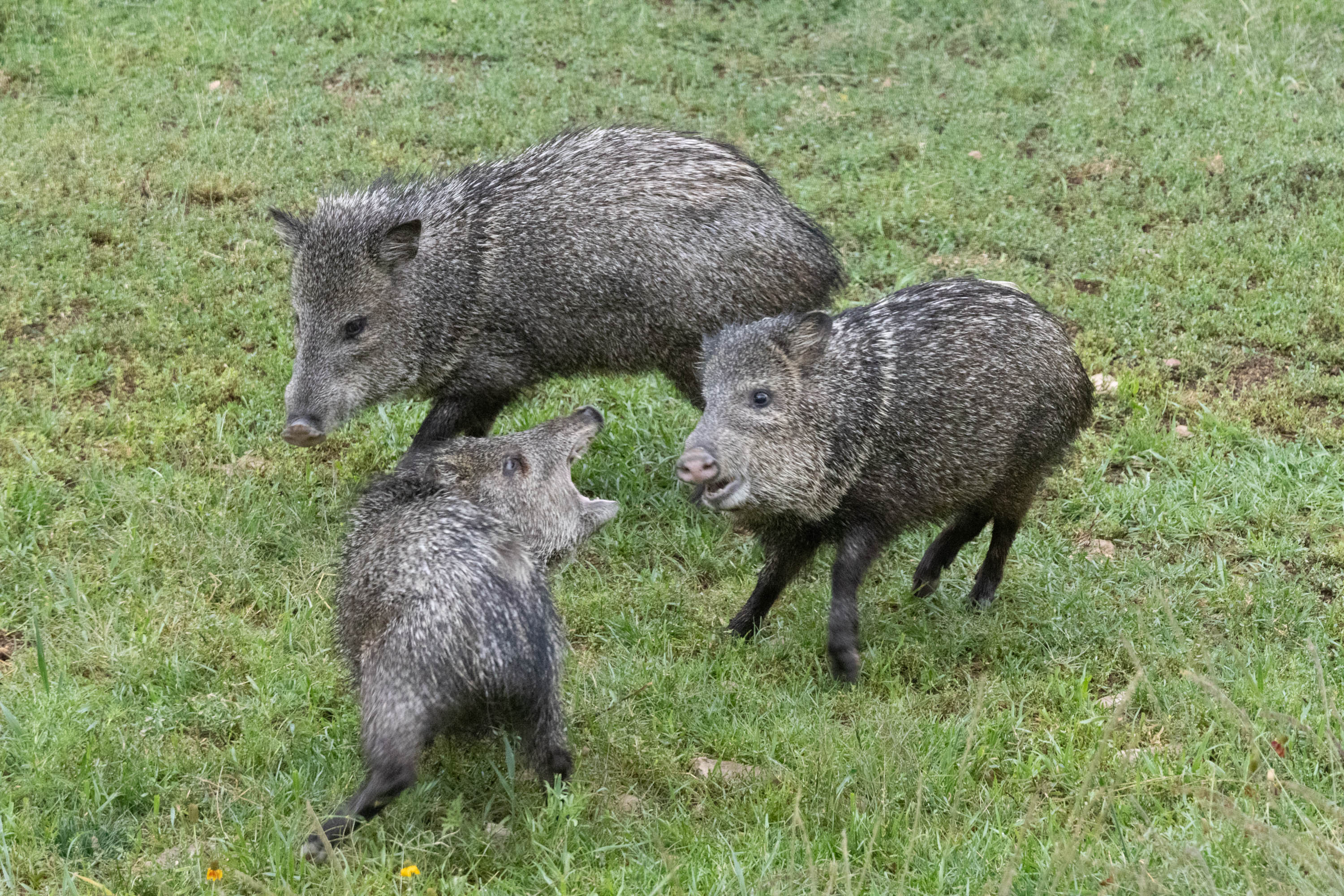
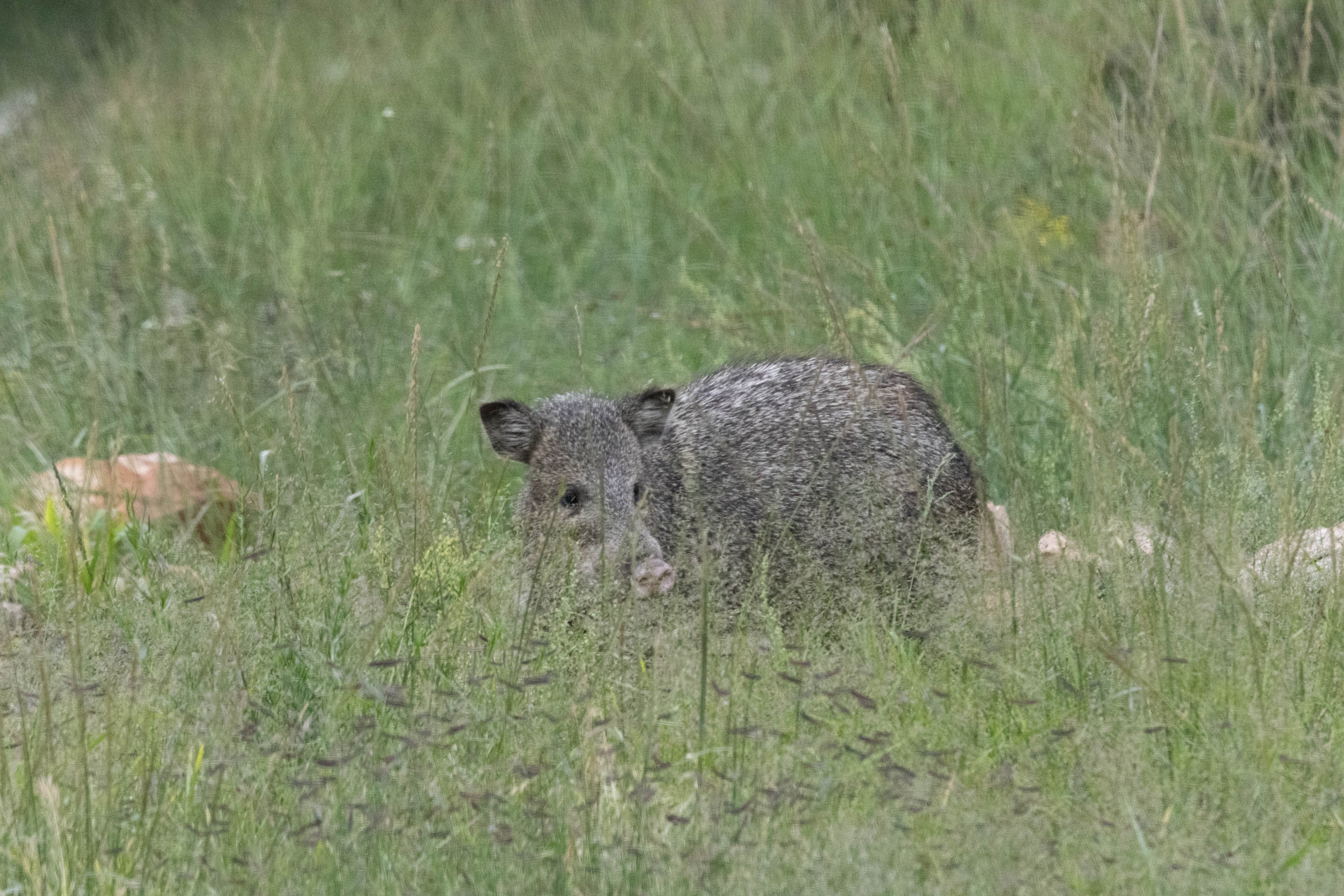
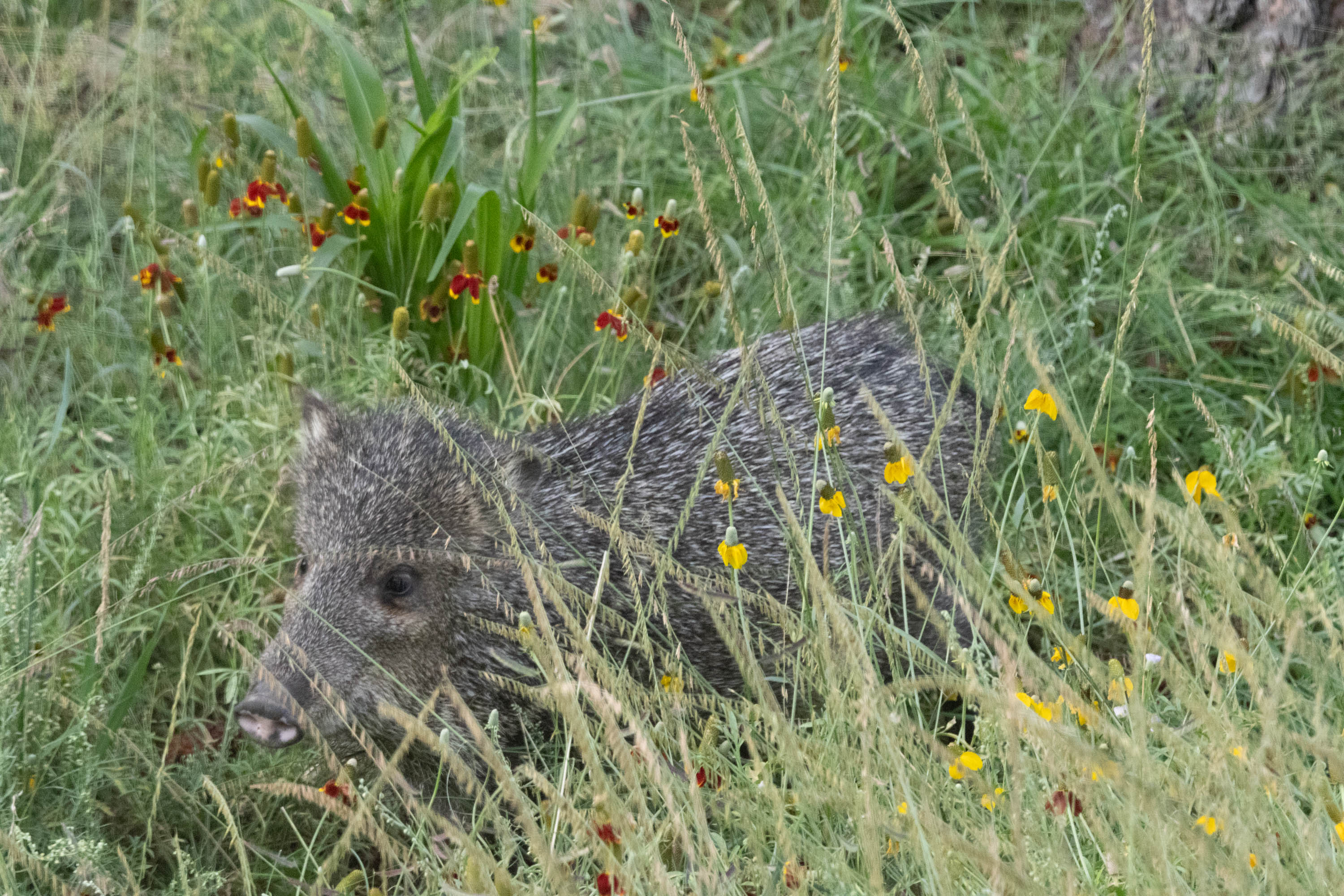
It sounds like a spicy green you put in your salad. But in reality collared peccary is better known as javelina. It’s as foreign to these parts as spicy greens. Down South, you know, Phoenix / Tucson area is a more suitable home for the herbivore desert swine that subsists on desert fauna like mesquite beans, prickly pear, and desert greens.
The collared peccary is so called for their light colored collar around their neckline.
These small ‘pigs’ are relatively small in stature – only 2′ tall by 3-4′ long, generally 35 – 55 lbs. We encountered a small family of three – presumably the mother, father, and baby. They were very affectionate with one another and rubbed their scent on their skin to identify with one another.
The javelina are myopic and have poor eye sight, but rely heavily on their sense of smell and hearing. They spar with one another in a playful manner, as if to teach skills for the wild with predators such as coyotes, bobcat, and mountain lion lurking.
They were quick to vanish at the sound of danger, but slow to notice me watching with my camera.
They were more interested in the patch of lush green grass they enjoyed in an otherwise field of fallen dry pine needles in the thick forest they found themselves in.
Despite their unusual sighting, we were happy to see them and capture some fun shots of the peculiar beasts.
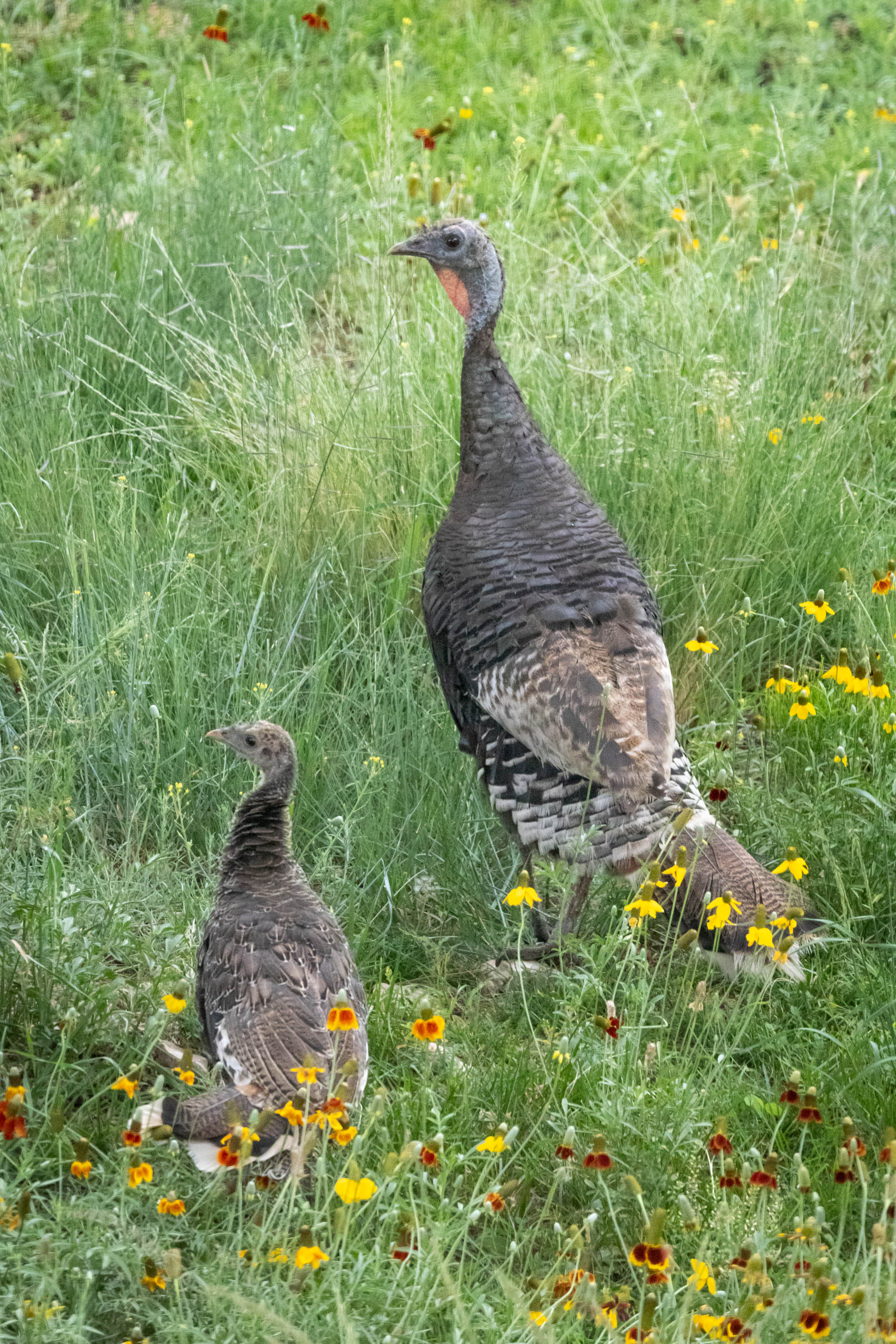
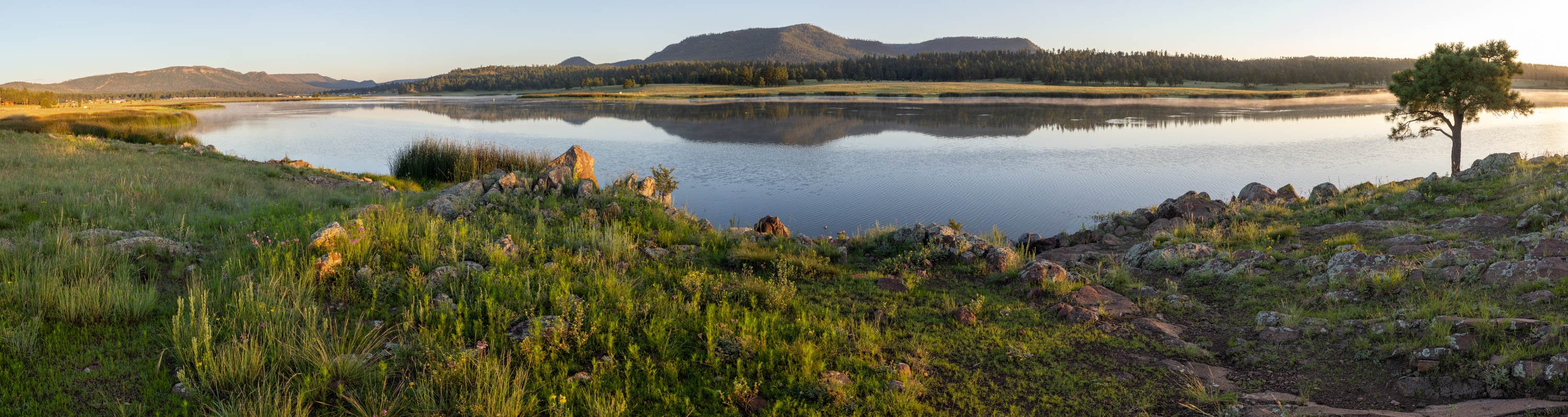
Just East of Alpine nearly to the New Mexico border is a 75 acre beautiful lake at close to 8,000 feet elevation. It’s home to huge herds of elk, turkey, and a variety of waterfowl.
Campers, bicyclists, fishermen, four-wheelers, and hunters flock to the respite. It’s just off Highway 191, otherwise known as the Coronado Trail National Scenic Byway, which follows the trail of the explorer Francisco Vasquez de Coronado, who in 1540 sought the fabled “Seven Cities of Cibola”.
Wildflowers abound during the summer following monsoon rains, attracting birds, butterflies and other flying pollenators.
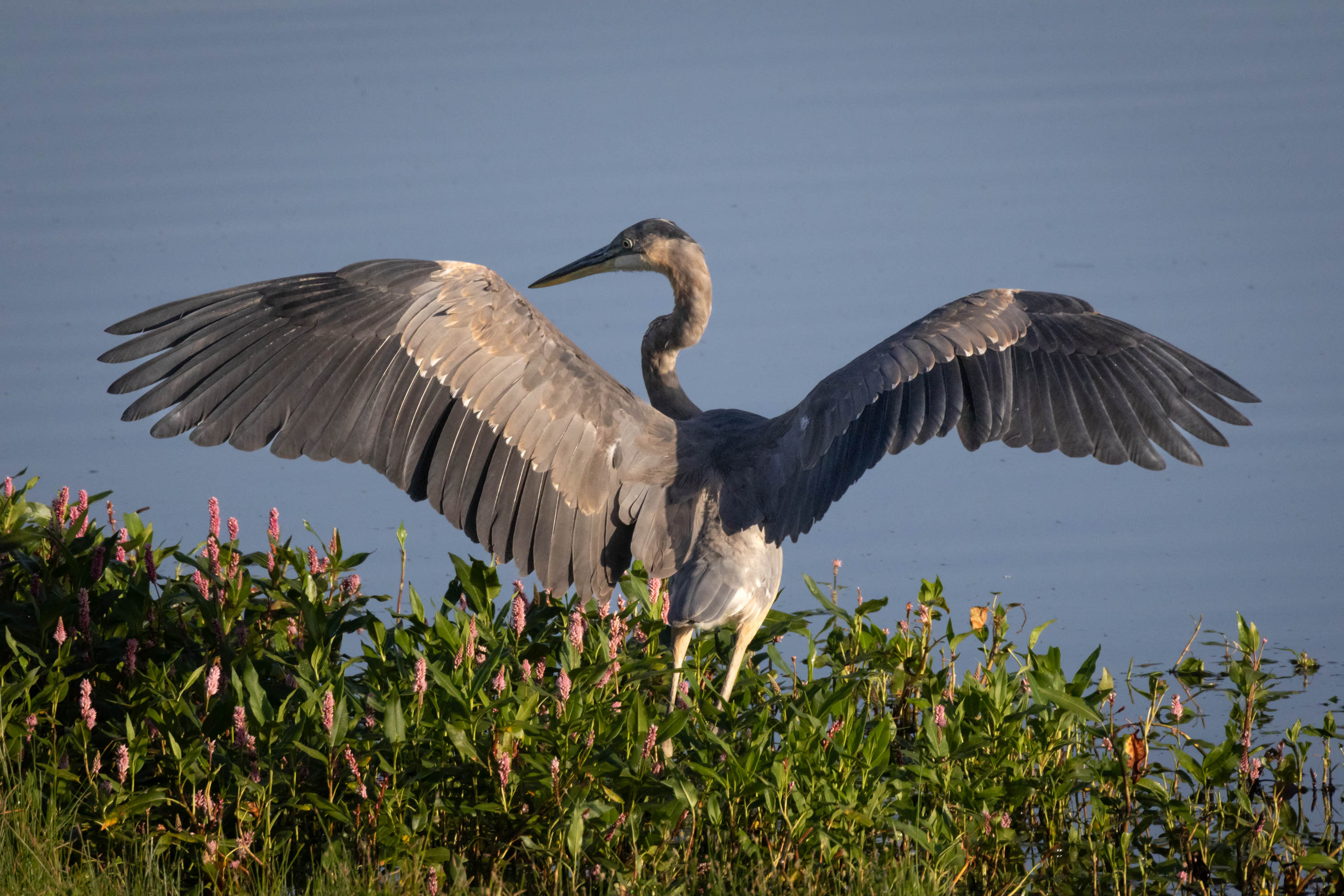
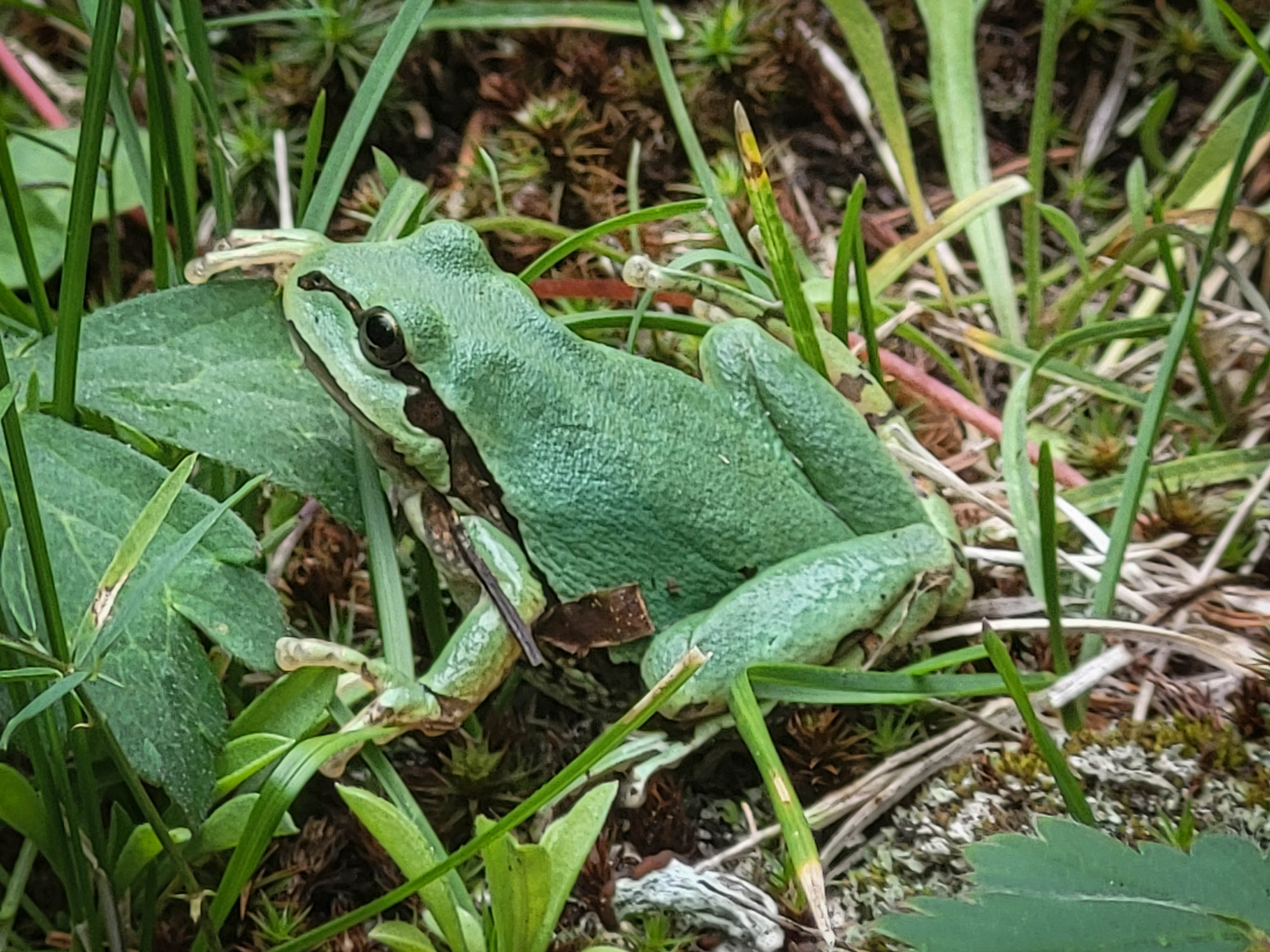
The Wildlife area provides a riparian area enjoyed by osprey, bald eagle, weasels, and tree frogs.
Whatever your allure, Luna Lake offers a little bit of everything for anyone who enjoys the outdoors and nature.
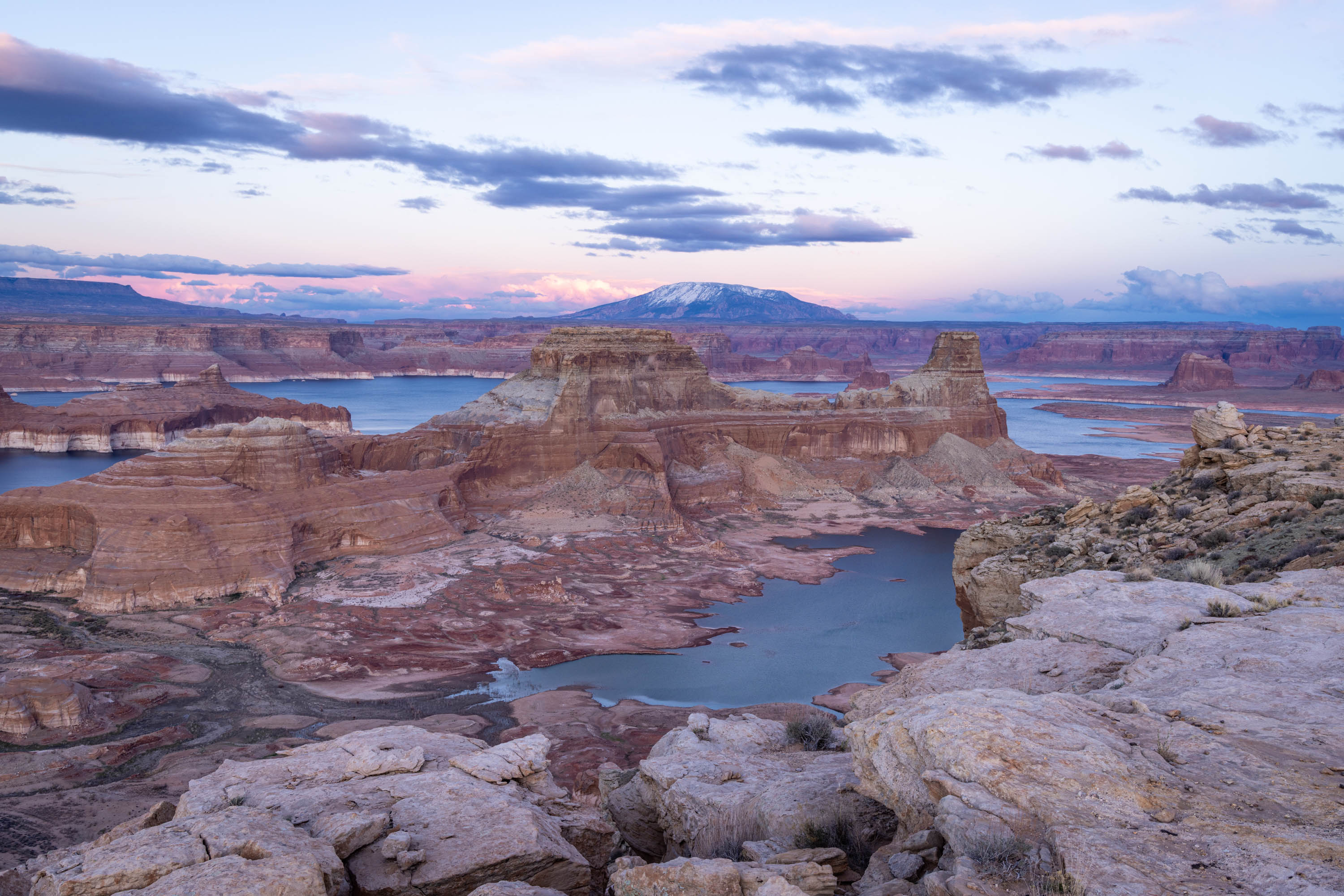
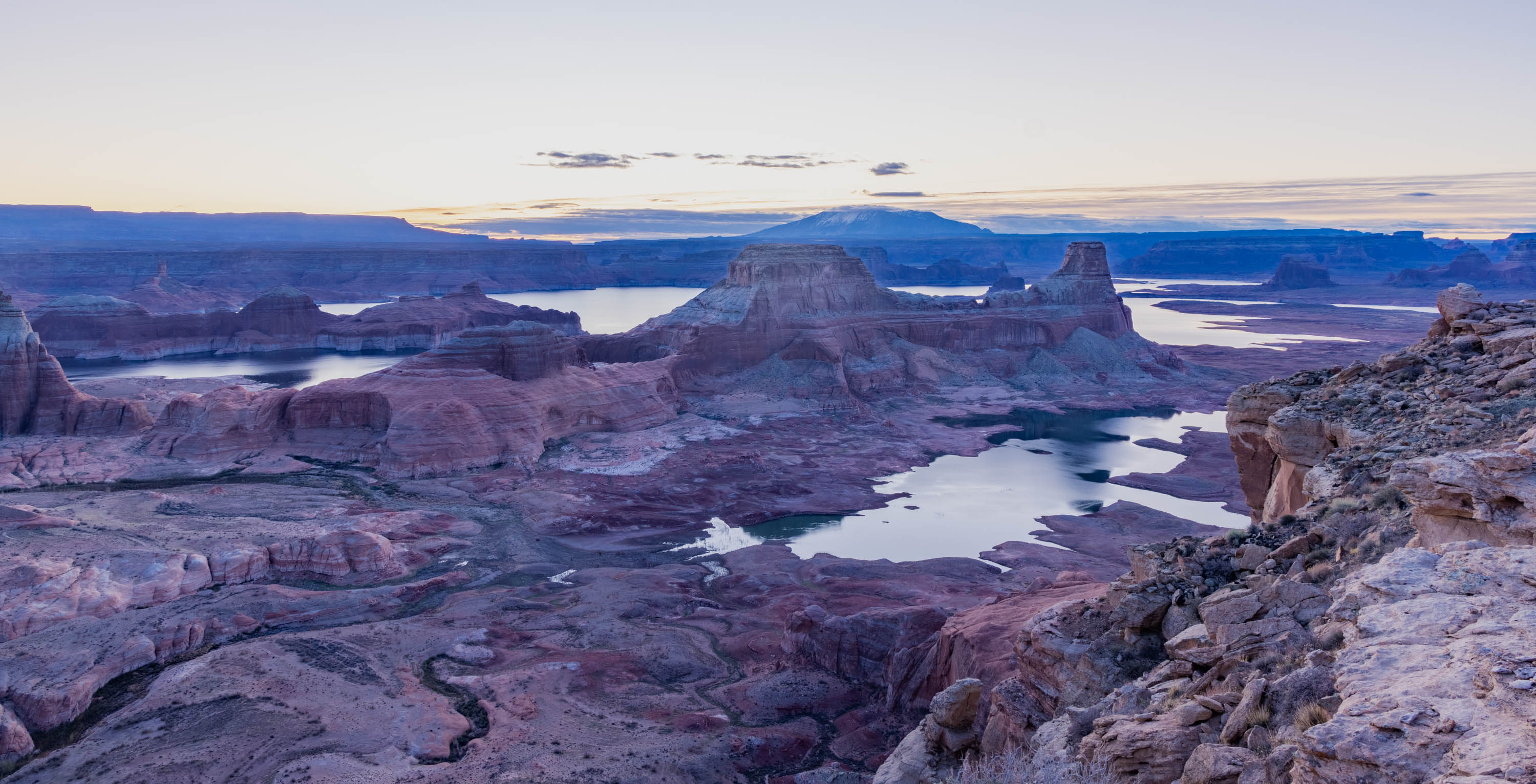
Alstom Point is one of those stunningly beautiful overlooks that is hard to get to, but in the end, worth the journey. The point lies just past Page, AZ across the border of Utah, along a 40 mile dirt road that turns treacherous, rock crawling, and hard to navigate.
Sunset overlooking Lake Powell
The view at the end of the journey is it’s reward, with sprawling vantage points of Lake Powell and Gunsight Butte. The Lake was significantly low, at only 31% of full (or 141 feet below full), but offered new canyons, waterways, and ridges to gawk at from high above.
Our first camping trip of the year was only for an unfortunate short period of time, but the view while it lasted was memorable.
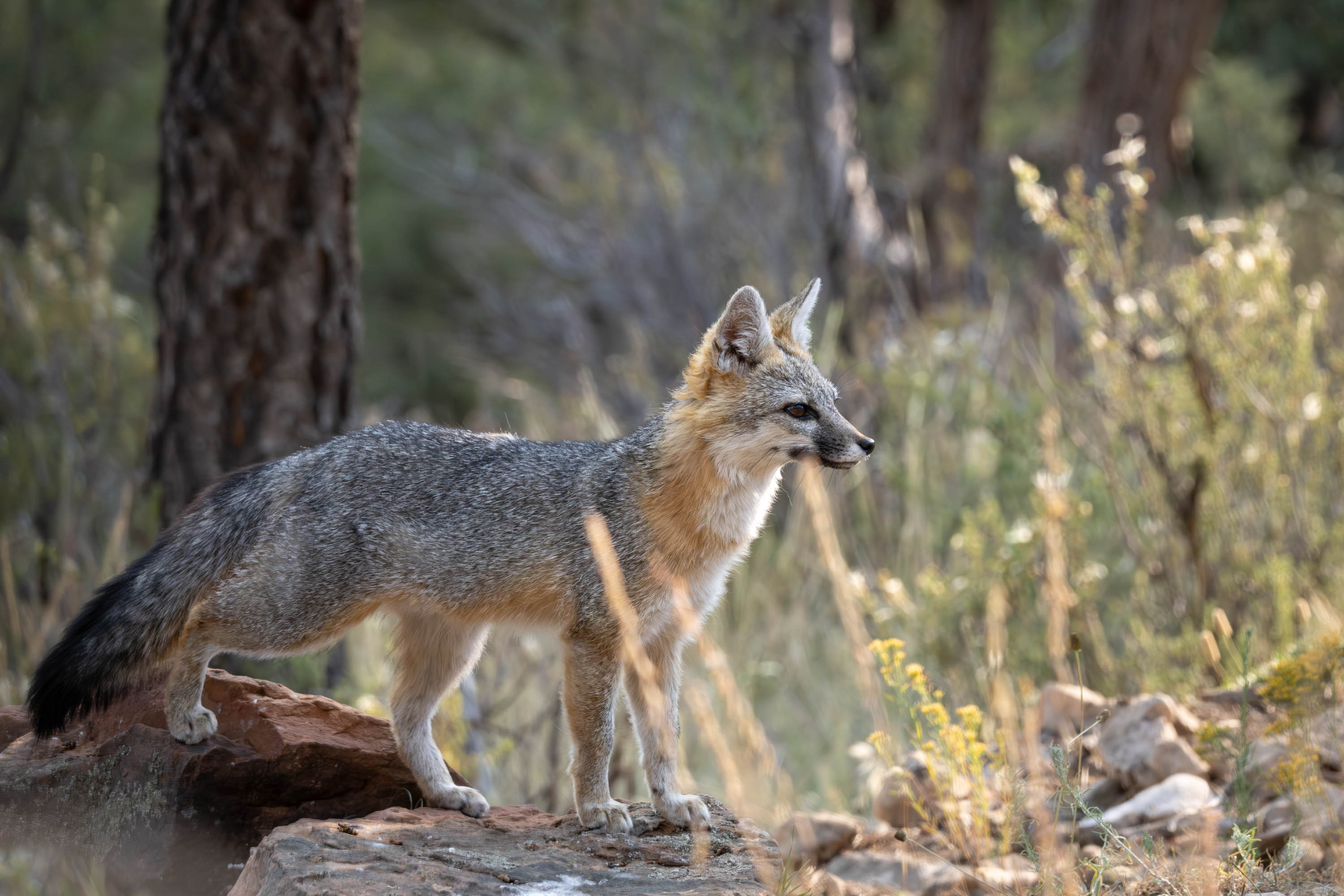
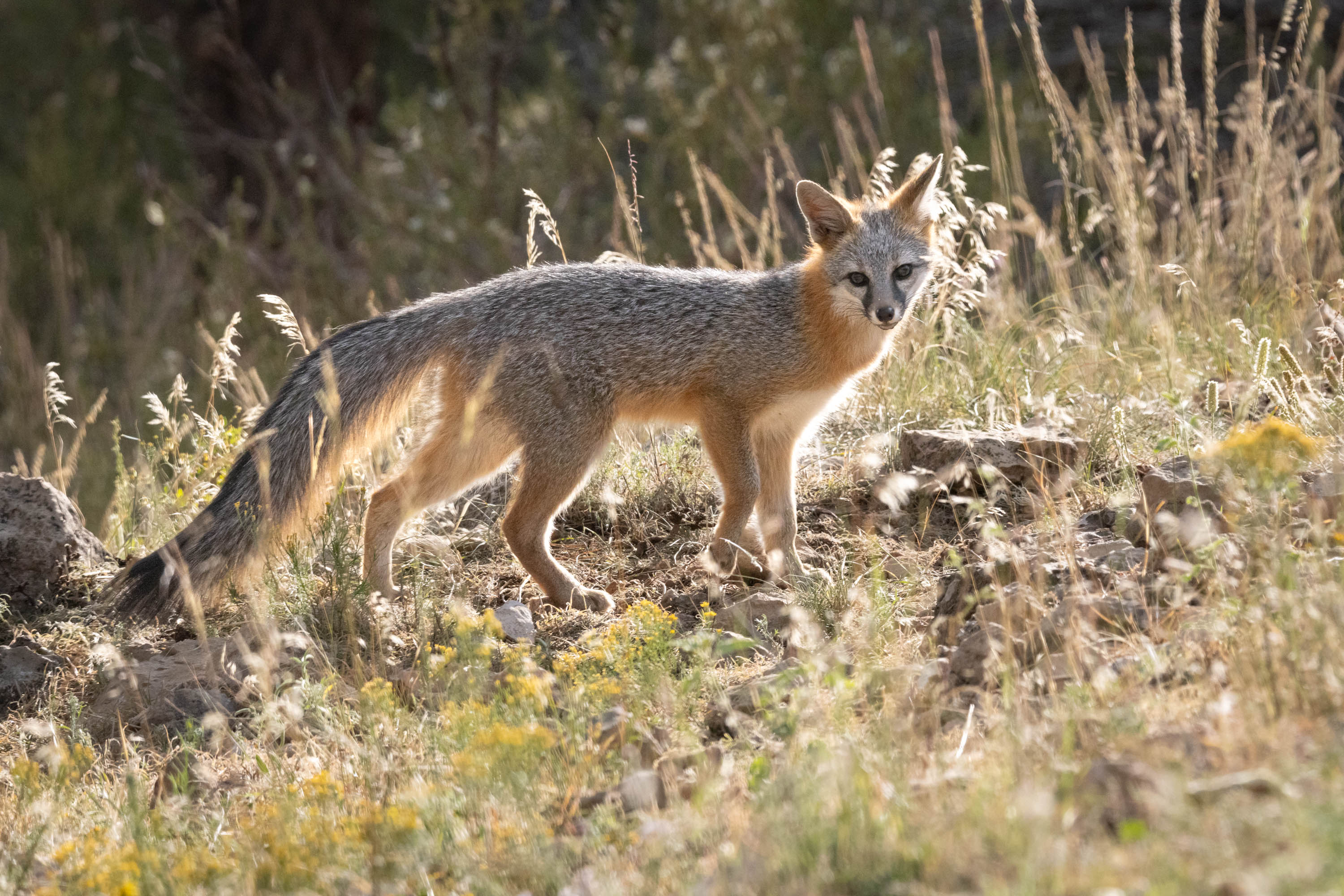
We have been fortunate enough to see gray fox this year, which is fortuitous given its nocturnal nature.
The gray fox normally frequents ridges and canyons, but can be found in wooded areas and grasslands. We were lucky enough to witness mom and 2 kits playing.
Our sightings were limited though, as the gray fox can be quite skittish, particularly during daylight hours.
Their predators include mountain lion, bobcats, coyotes, eagles, owls, and hawks, all of which we have our fair share, particularly the pesky mountain lion that wants to eat our pup for a snack.
The gray fox are mostly omnivores and prey on chipmunks, mice, bunnies, and the occasional bird or insect. Whatever brings them here, we are happy to see them, for as long as they happen to visit.
The big horn sheep used to number in the millions between 1850 and 1900. Unfortunately, parasites, disease and modern city growth have dwindled the numbers of desert big horn sheep to 20,000 and about 45,000 Rocky Mountain big horns. In Arizona the total population across AZ for both desert and Rocky Mountain bighorns is estimated to be about 6,000. We were lucky enough to run into a herd of big horn sheep, complete with a number of small lambs.
As I relished in the joy of trying to photographically capture these beautiful animals, I was struck by all the tips I have learned over the years flooding into my mind as I framed and composed my shots.
With so many animals, I had to keep reminding myself to cut the clutter for clean shots devoid of distraction.
Maintain a tight frame, and check all the borders for any complications that might take your eye away from the subject. Avoid ‘butt’ photos and isolate the face and body. Try to avoid cutting off body parts. Though, when necessary, be careful of cutting off feet, heads, and ears, and maintain at least front half of animal, behind front legs or major joints. Be cognizant of post process cropping to maintain large pixel size for best sharpness particularly when enlarging images.
Look for gestures, cute faces, and action to make more interesting and inviting photographs. Make sure the animal is looking at you and you can see the eyes, straight on or profile. Use narrow depth of field (large aperture) to blur distraction from background.
I try hard not to spook the animal or change it’s behavior. Stop, look, and enjoy the encounter of nature’s wildlife and her habits, characteristics and mannerisms. Knowing these things helps to achieve better results at the next lucky encounter.
Give the animal room to roam, allowing space around the animal. It’s not lost of me that some of these methods contradict one another. That’s the fun of photography, despite my own guidance, ‘rules’ are meant to be broken. Different situations call for different solutions. Creativity and vision are in the eye of the beholder. When dealing with wildlife, it is difficult to create a perfect clean shot, so we must adapt to what we encounter.
I’m not by any means a ‘plant person’. I have more of a black thumb than green. But I do enjoy the wildflowers that grow on the hills in the summer, the colorful arrays along the roadside, and the occasional wildflowers we might find in our travels.
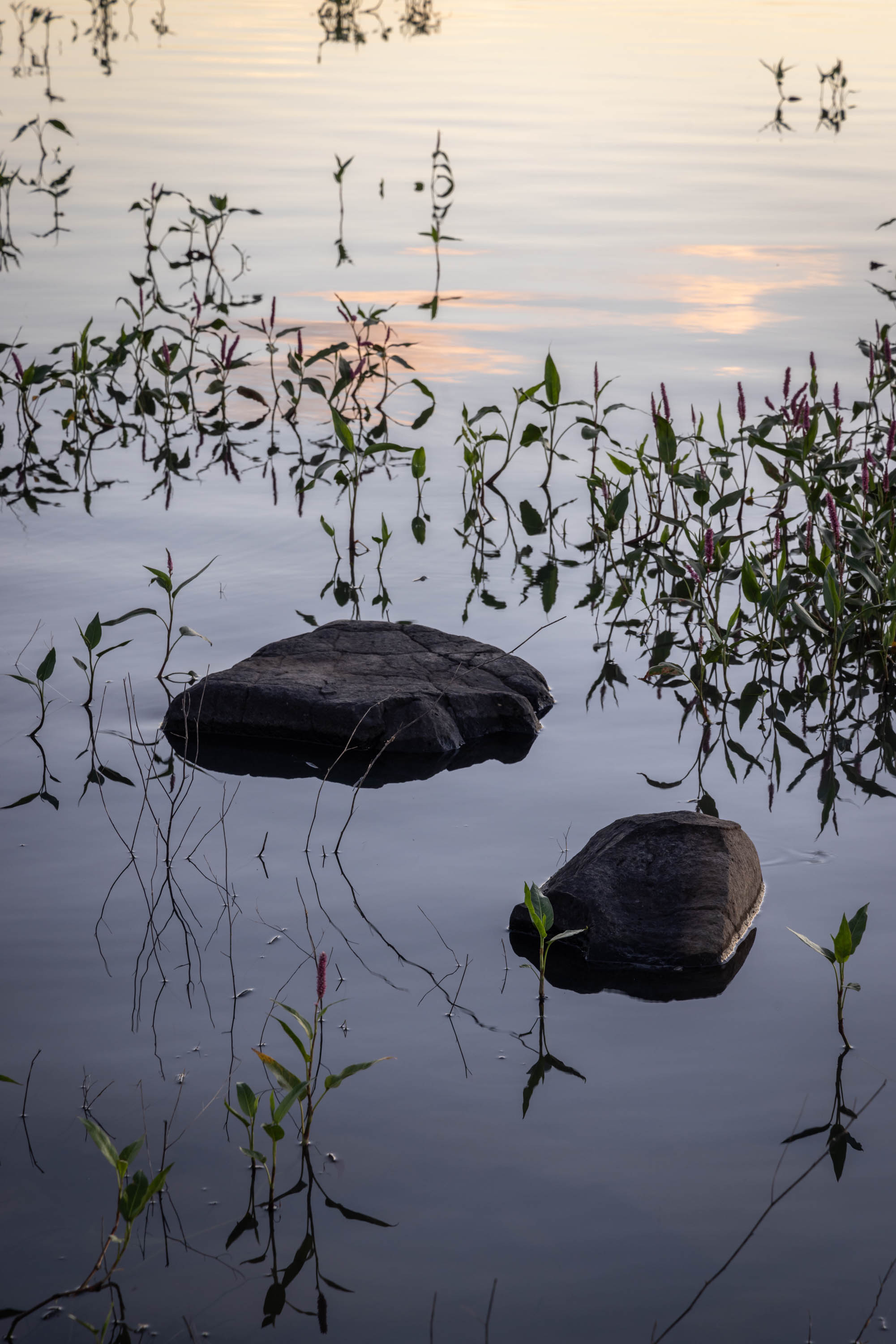
As a photographer, I have found myself learning all kinds of new things we find along the way. iNaturalist is certainly a helpful tool I carry on my phone to assist in the identification of something I am unfamiliar with, as it did for these knotgrass we found at the Lake.
Knotgrass is a perennial plant that grows in clusters that spread along the base. It is enjoyed by the small insects and birds along rocky wet soil. Knotgrass or knotweed is a type of water smartweed, which I mentioned here … https://kritterspix.com/2023/07/13/smart-weeds/. There are actually 6 species of this Persicaria plant in Arizona.
For us, it made an attractive backdrop during our day at the lake.
Summer is wrought with widespread weeds, evasive and native. I often find weeds are a matter of perspective. Webster’s Dictionary defines a weed as “a plant that is not valued where it is growing and is usually of vigorous growth”. Yet wildflowers, by their very nature, are indeed weeds. Beauty is in the eye of the beholder.
I never cease to be amazed at the things we encounter while exploring the great outdoors. We often go back to a places we have been before just to see some particular scene or animal we have seen before.
But one thing I have learned is that one must take advantage of the opportunities presented to us at that very moment in time, as those moments are fleeting and may not return again. Such was the case when we went back to the Lake looking for osprey as we had seen before, only to find an entirely different scene.
This time around we found the lake blanketed in pink with a lily-esque type of plant I had never seen before. I searched the internet to yield nothing. It took reaching out to my AZGFD contact to identify this ‘strange’ plant as a native water smartweed.
As many times as we have been out and about, visiting many lakes throughout Arizona, we had never seen this beautiful photogenic aquatic plant. This unique smartweed can grow either submerged or floating on top, making it an unusual amphibious plant. You can read more about it here … https://www.fs.usda.gov/wildflowers/plant-of-the-week/polygonum_amphibium.shtml
One must be prepared for the situations we encounter, equipped with the right tools and knowledge, and willing to dedicate the time to capitalize on the moment.
We recently checked out Whitewater Draw south of Tucson and just outside of Willcox, AZ to see the massive sandhill crane migration. You can see my post here… https://kritterspaw.com/2023/01/28/natures-wonder/. We figured while we were in the area we could check out Chiricahua National Monument as it is not far from Whitewater Draw.
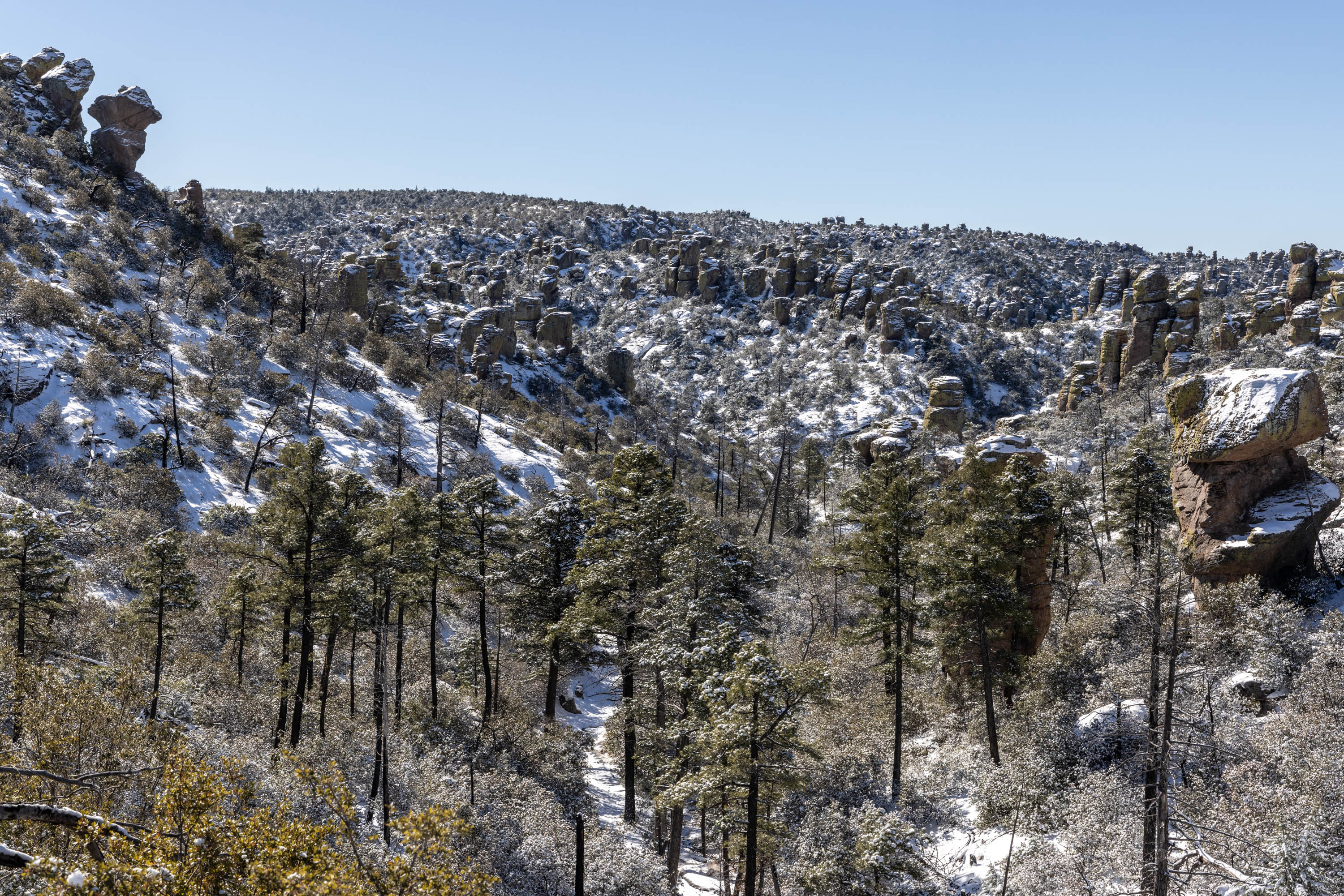
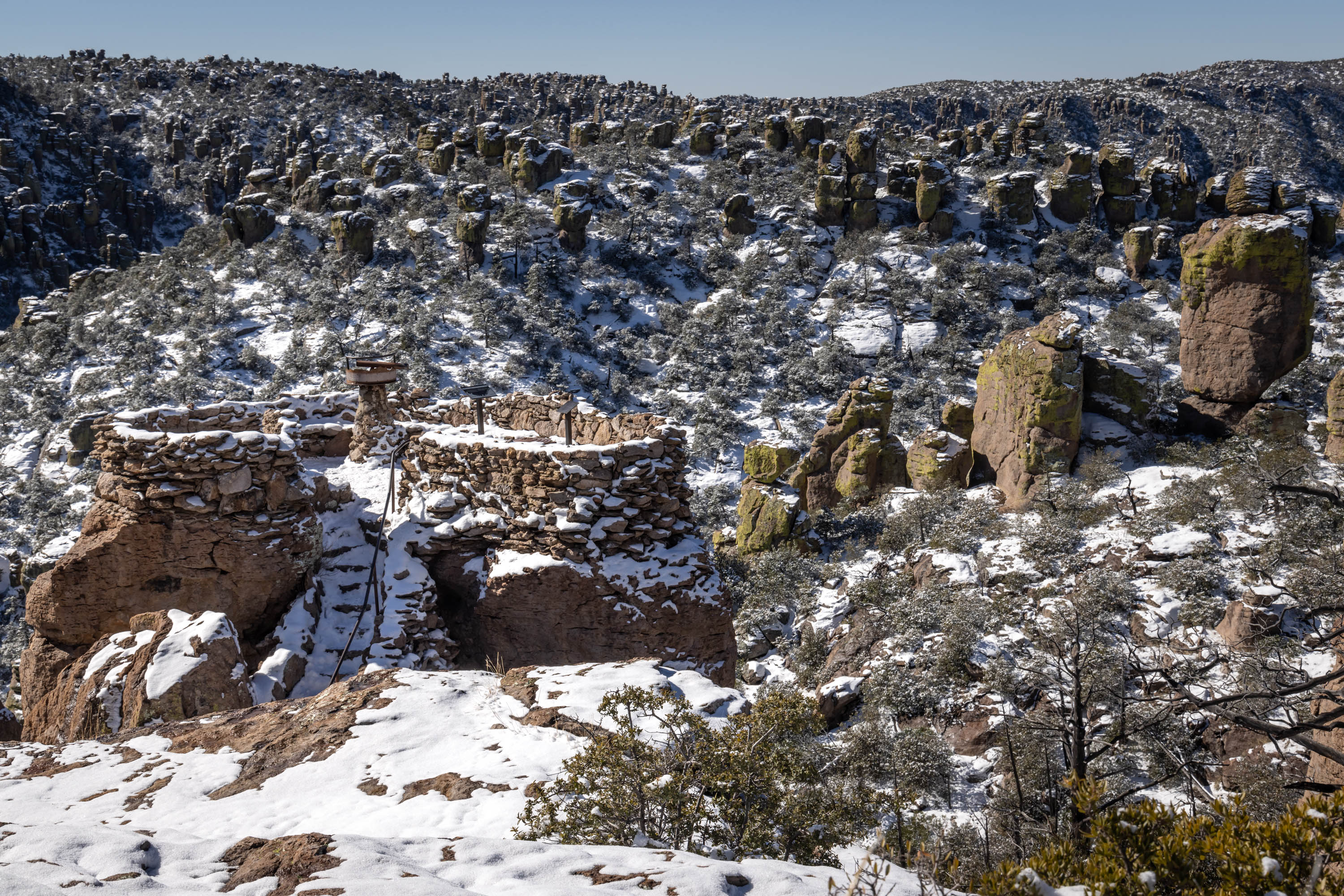
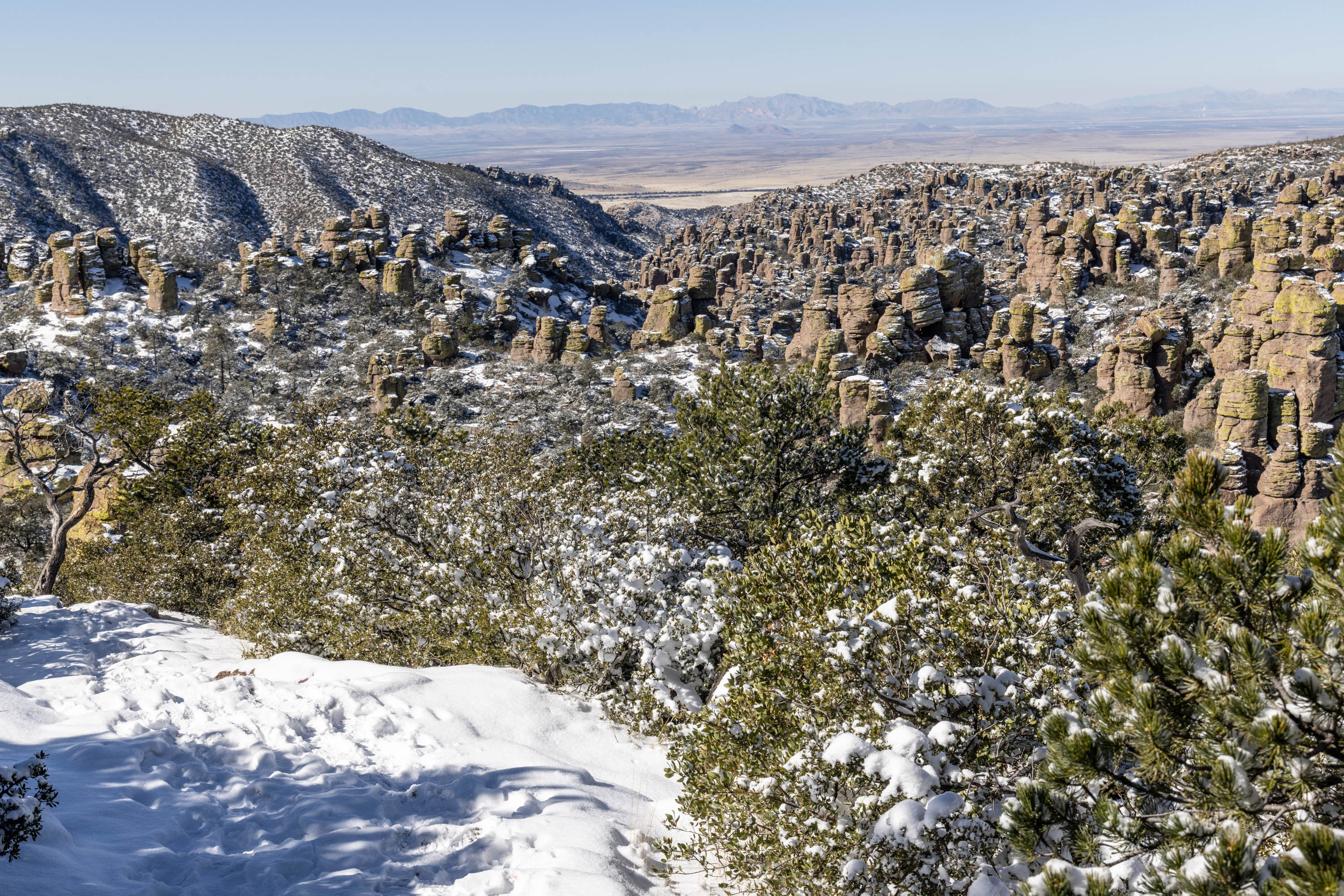
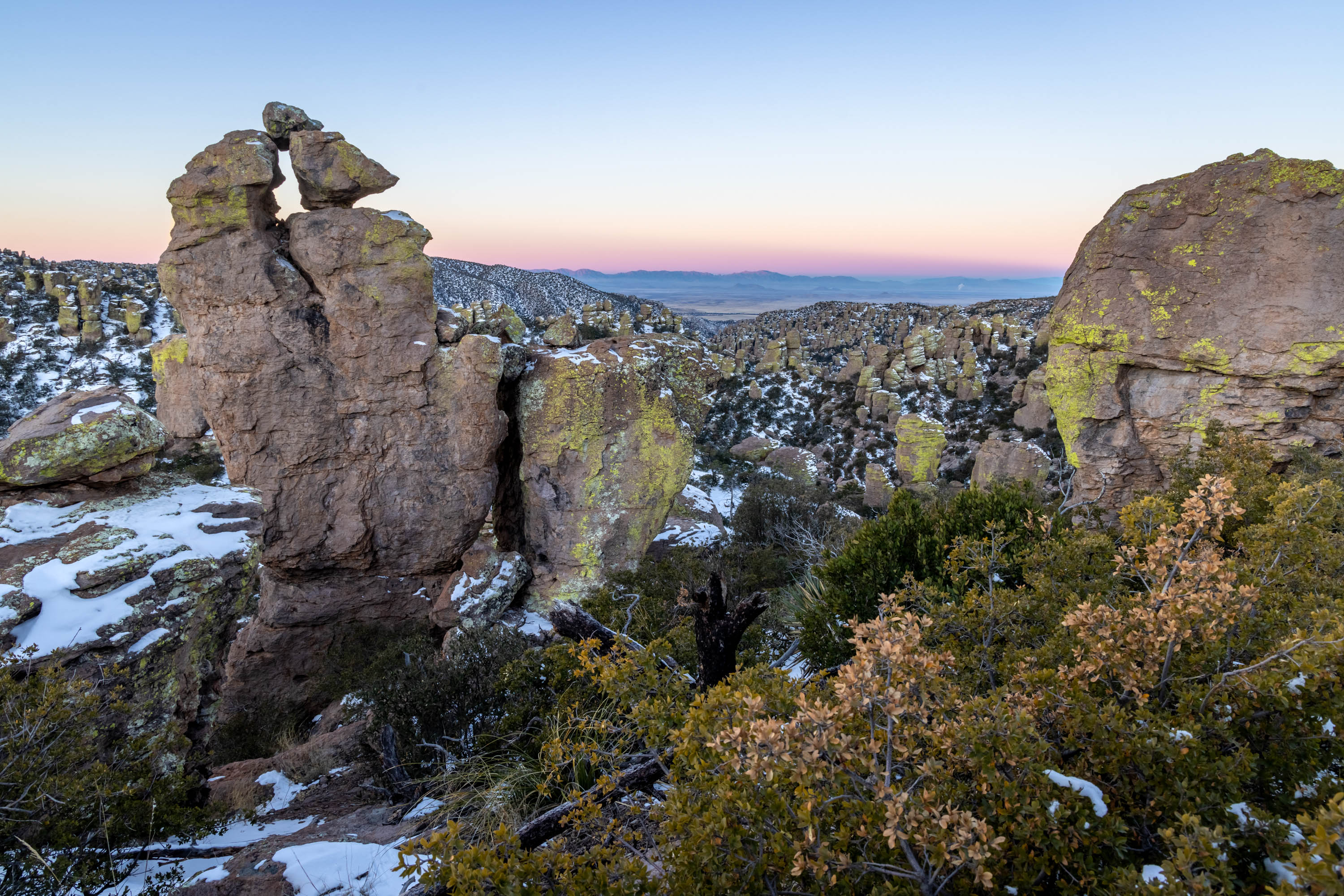
Chiricahua was established as a National Monument in 1924 to protect the over 12,000 acres of ‘pinnacles’ that jut from the ground. It’s said that these pinnacles were formed by a volcanic eruption from Turkey Creek Volcano over 27 million years ago. The volcano spewed ash over 1200 square miles cascading into fields of tall spires forming layers of gray rock called rhyolite.
This isolated mountain range rises above the surrounding grassland sea as if you are climbing into a sky island. Meadows dot the landscape with scattered cactus, mesquite, sycamore, juniper, and oak trees. The remarkable spires signify the unmistakable guardians looming from the forest floor that is Chiricahua National Monument.
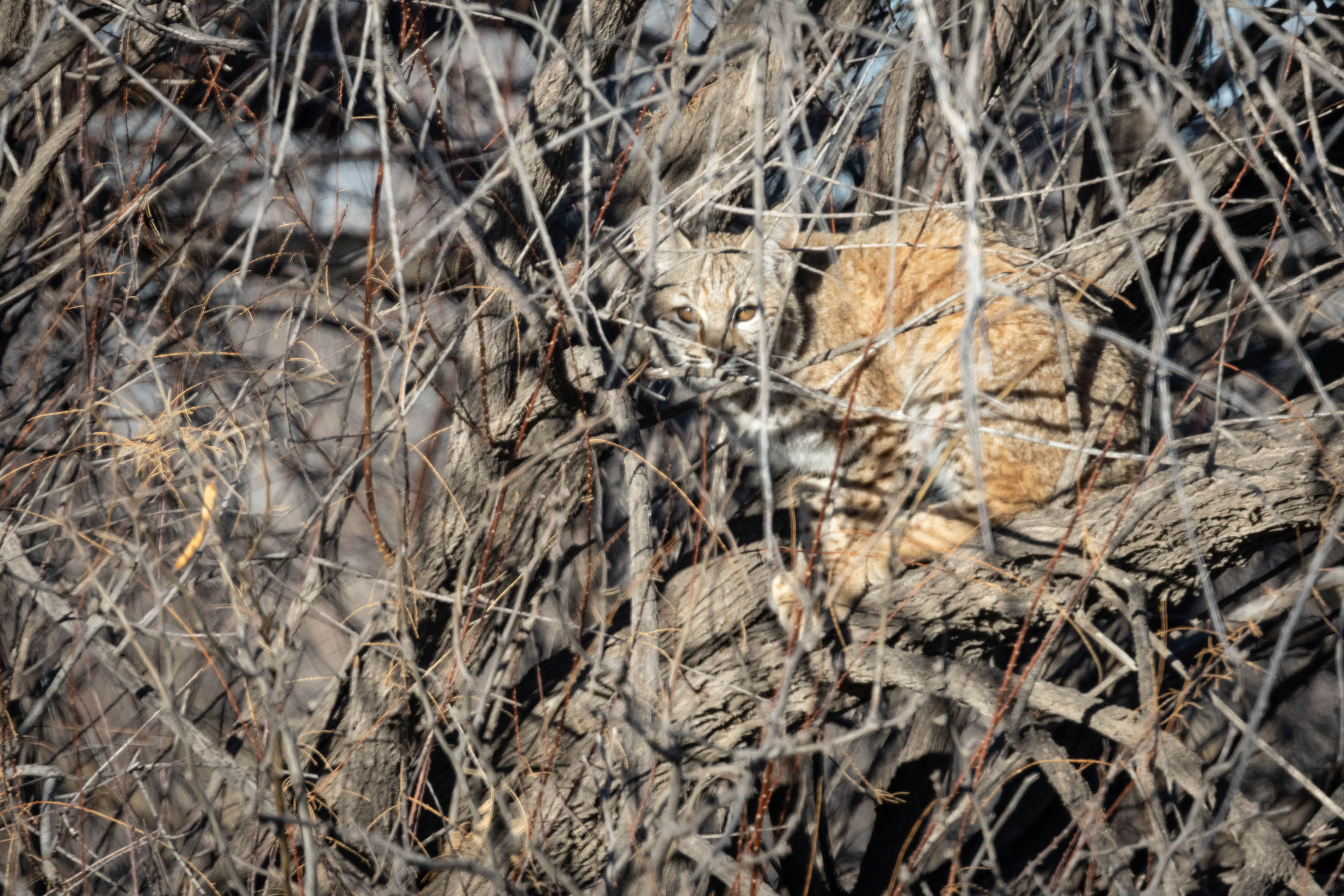
The area is rich with hawks, deer, and even bobcat.
The park itself rises up to 9,763 feet and when we were there we found the trails to be solid ice and snow. The pinnacles still wore patches of snow from a snowstorm earlier in the week. The cold temperatures (24F when we were there) ensured the snow lingered for our morning sunrise.




























 kritterspix