Little Big Horns

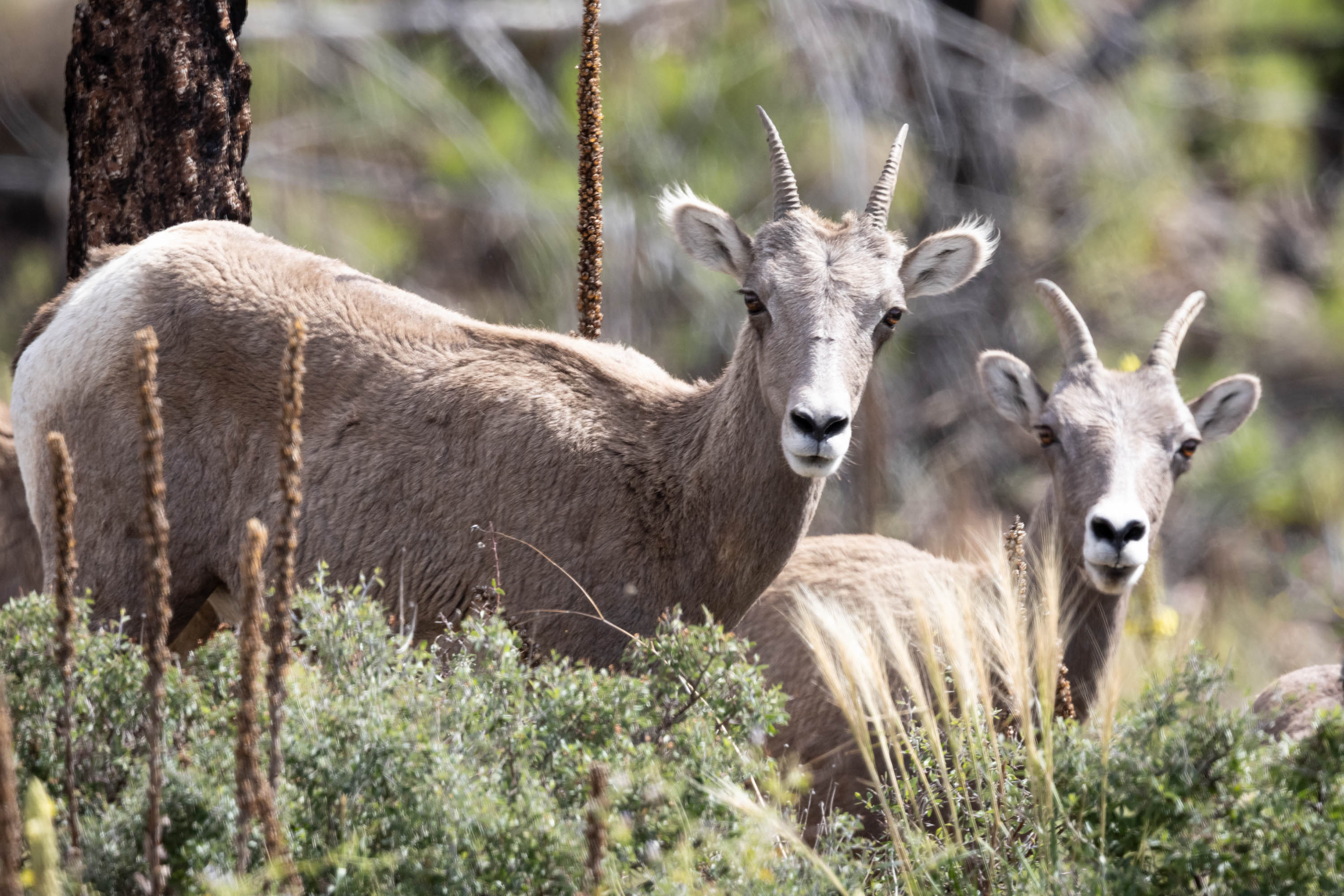
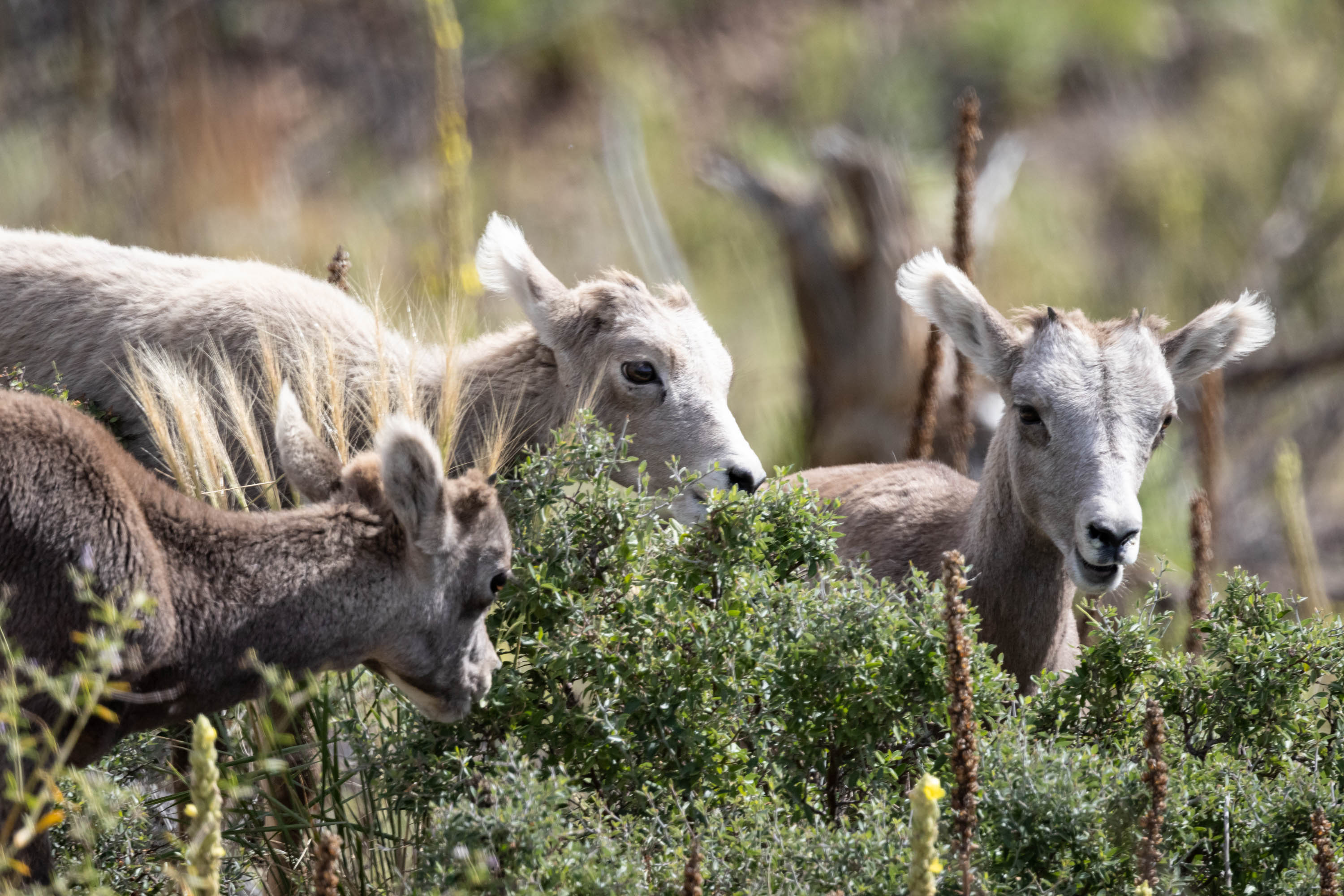
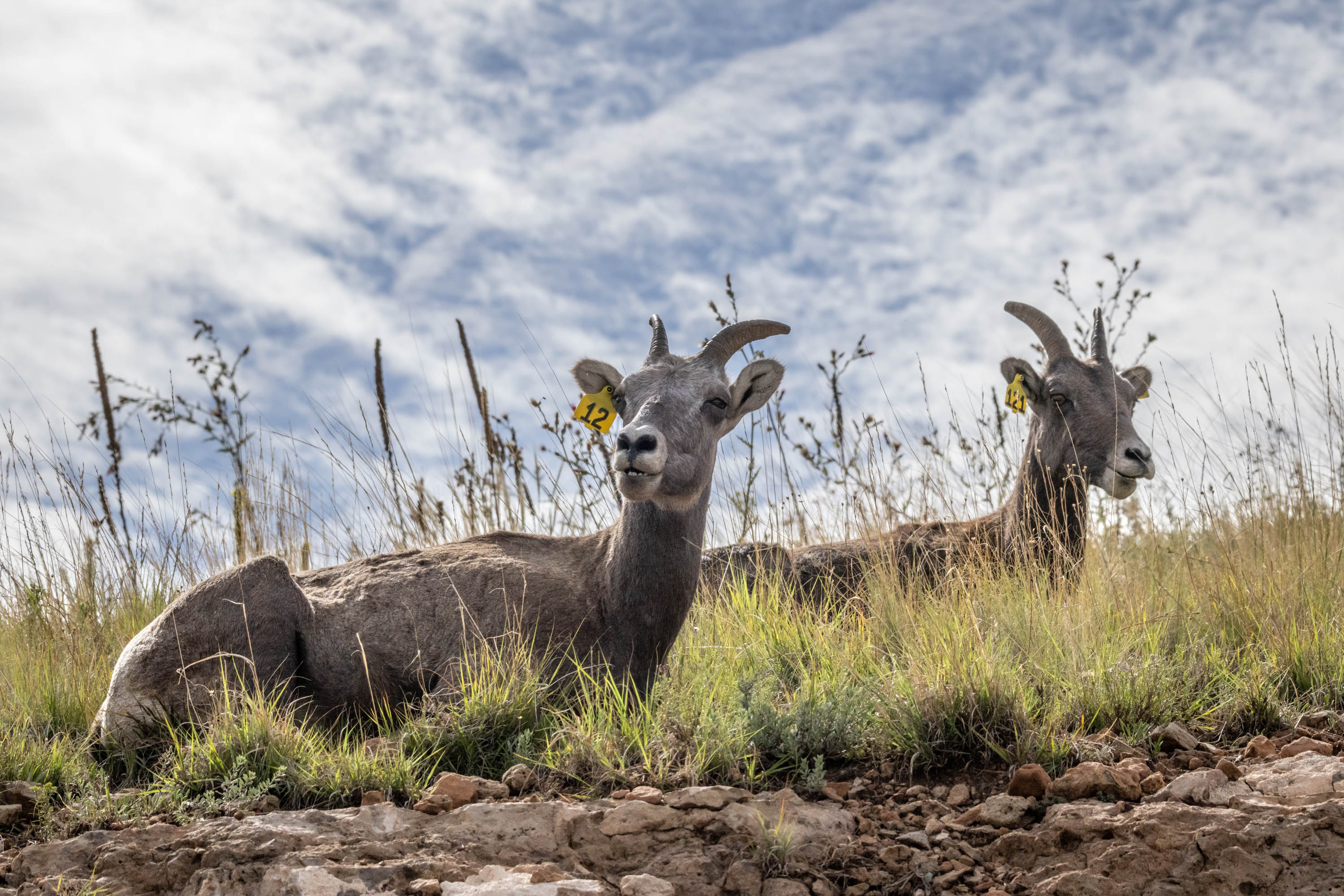
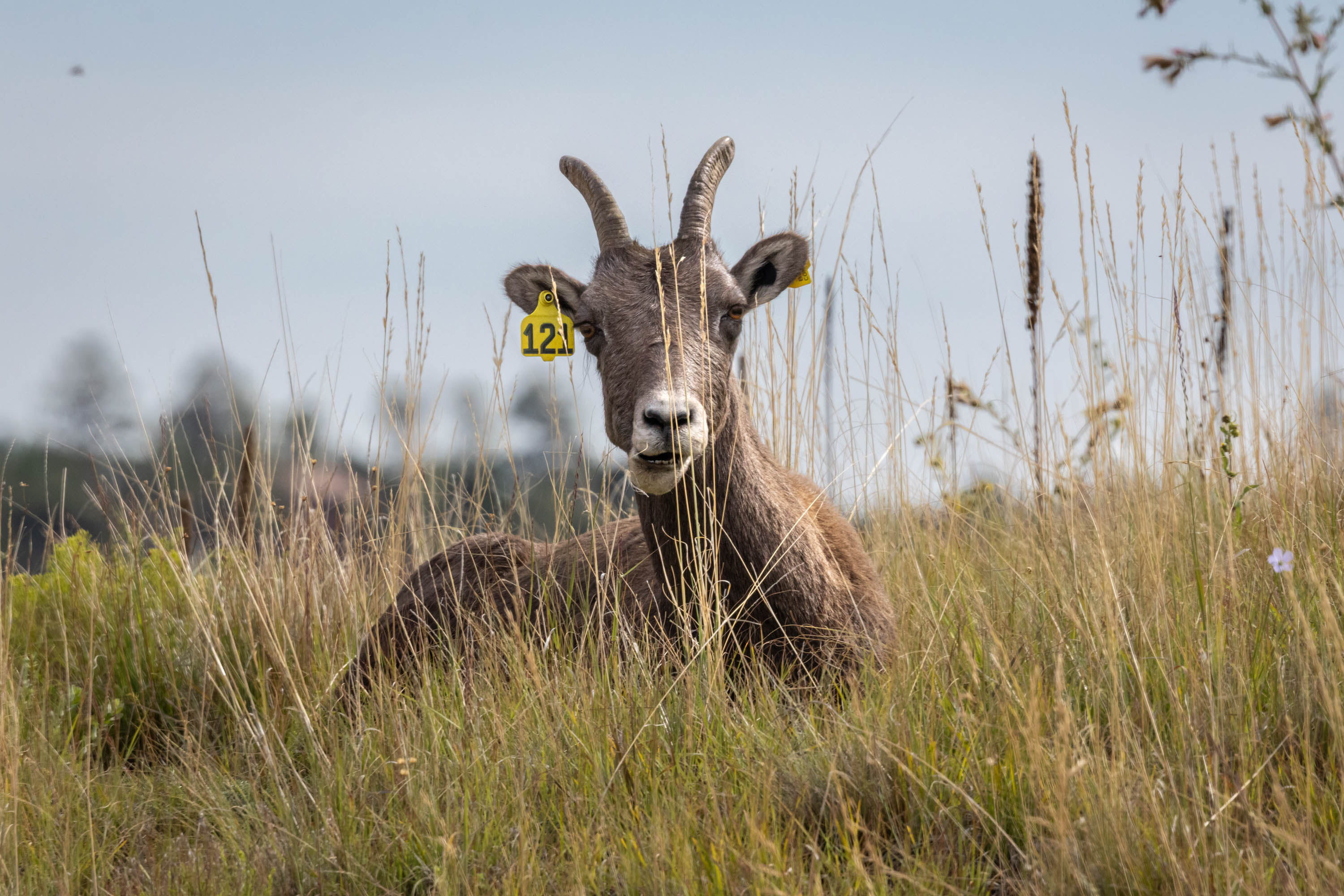
The big horn sheep used to number in the millions between 1850 and 1900. Unfortunately, parasites, disease and modern city growth have dwindled the numbers of desert big horn sheep to 20,000 and about 45,000 Rocky Mountain big horns. In Arizona the total population across AZ for both desert and Rocky Mountain bighorns is estimated to be about 6,000. We were lucky enough to run into a herd of big horn sheep, complete with a number of small lambs.

As I relished in the joy of trying to photographically capture these beautiful animals, I was struck by all the tips I have learned over the years flooding into my mind as I framed and composed my shots.

With so many animals, I had to keep reminding myself to cut the clutter for clean shots devoid of distraction.

Maintain a tight frame, and check all the borders for any complications that might take your eye away from the subject. Avoid ‘butt’ photos and isolate the face and body. Try to avoid cutting off body parts. Though, when necessary, be careful of cutting off feet, heads, and ears, and maintain at least front half of animal, behind front legs or major joints. Be cognizant of post process cropping to maintain large pixel size for best sharpness particularly when enlarging images.

Look for gestures, cute faces, and action to make more interesting and inviting photographs. Make sure the animal is looking at you and you can see the eyes, straight on or profile. Use narrow depth of field (large aperture) to blur distraction from background.

I try hard not to spook the animal or change it’s behavior. Stop, look, and enjoy the encounter of nature’s wildlife and her habits, characteristics and mannerisms. Knowing these things helps to achieve better results at the next lucky encounter.

Give the animal room to roam, allowing space around the animal. It’s not lost of me that some of these methods contradict one another. That’s the fun of photography, despite my own guidance, ‘rules’ are meant to be broken. Different situations call for different solutions. Creativity and vision are in the eye of the beholder. When dealing with wildlife, it is difficult to create a perfect clean shot, so we must adapt to what we encounter.

Big Horn Sheep

I love all animals. I search them out. You can see my post on Baby Season and it’s animals here … https://kritterspaw.com/2023/08/22/baby-season-2/

The more ‘exotic’ the better as far as I am concerned. But those more rare animals are indeed harder to find, particularly in good light to photograph.

So I am thrilled any time I get to observe any animal, so much so, that I solicit my friends and neighbors to let me know of any sightings. My friend and neighbor did just that when they told me of this herd of big horn sheep.

They caught me on the street during a walk around the neighborhood. I quickly jumped in their truck and asked them to take me home so that I could go get my camera and check it out.

Fortunately, I was able to catch them, and delighted to find a large group of baby sheep practicing climbing on the bunny hill ledges.

It was one of those memorable magical moments that I hope I was able to capture the fun and delight of these babies experiencing ‘firsts’ right in front of me.

I feel so fortunate and thankful for the tip.

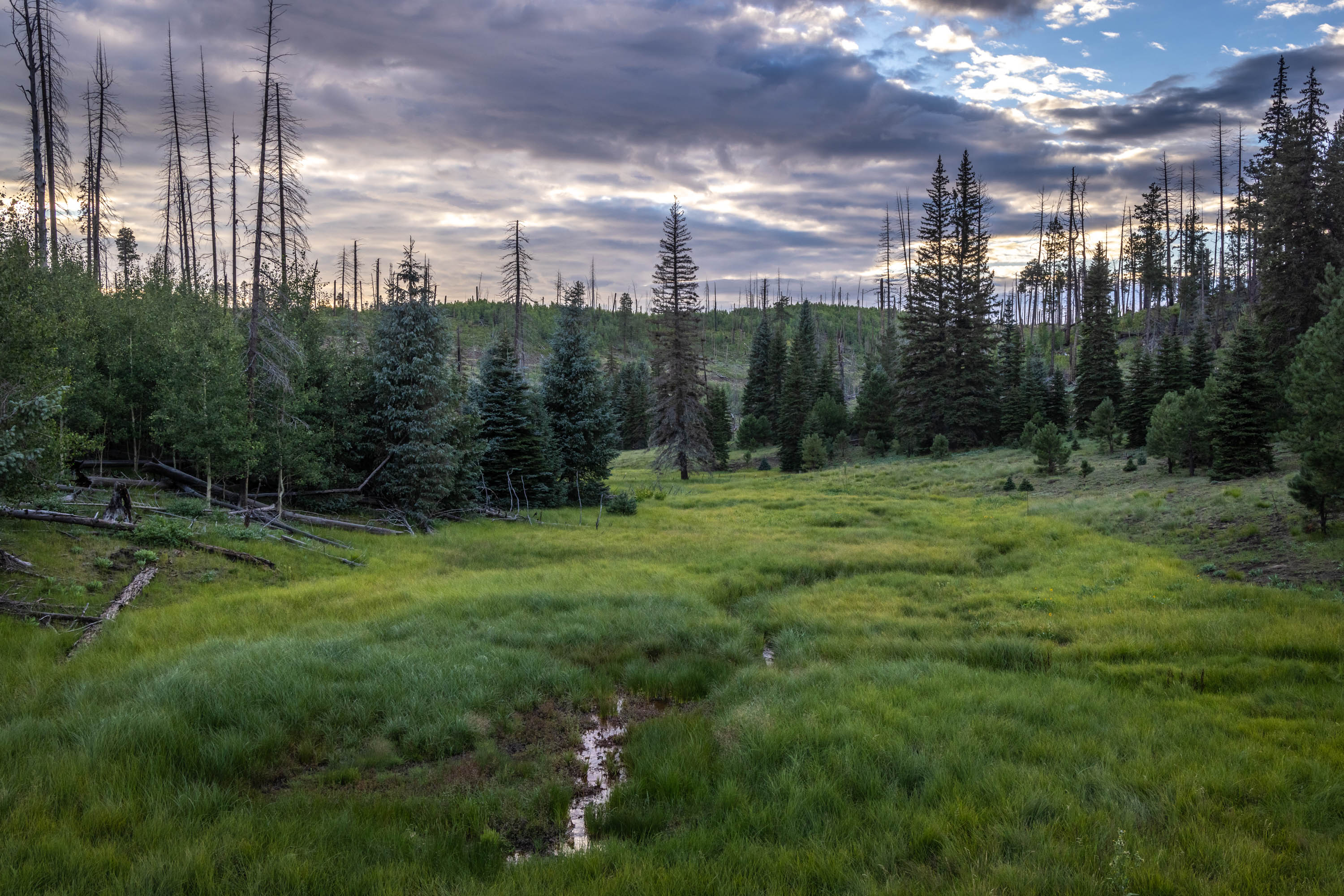
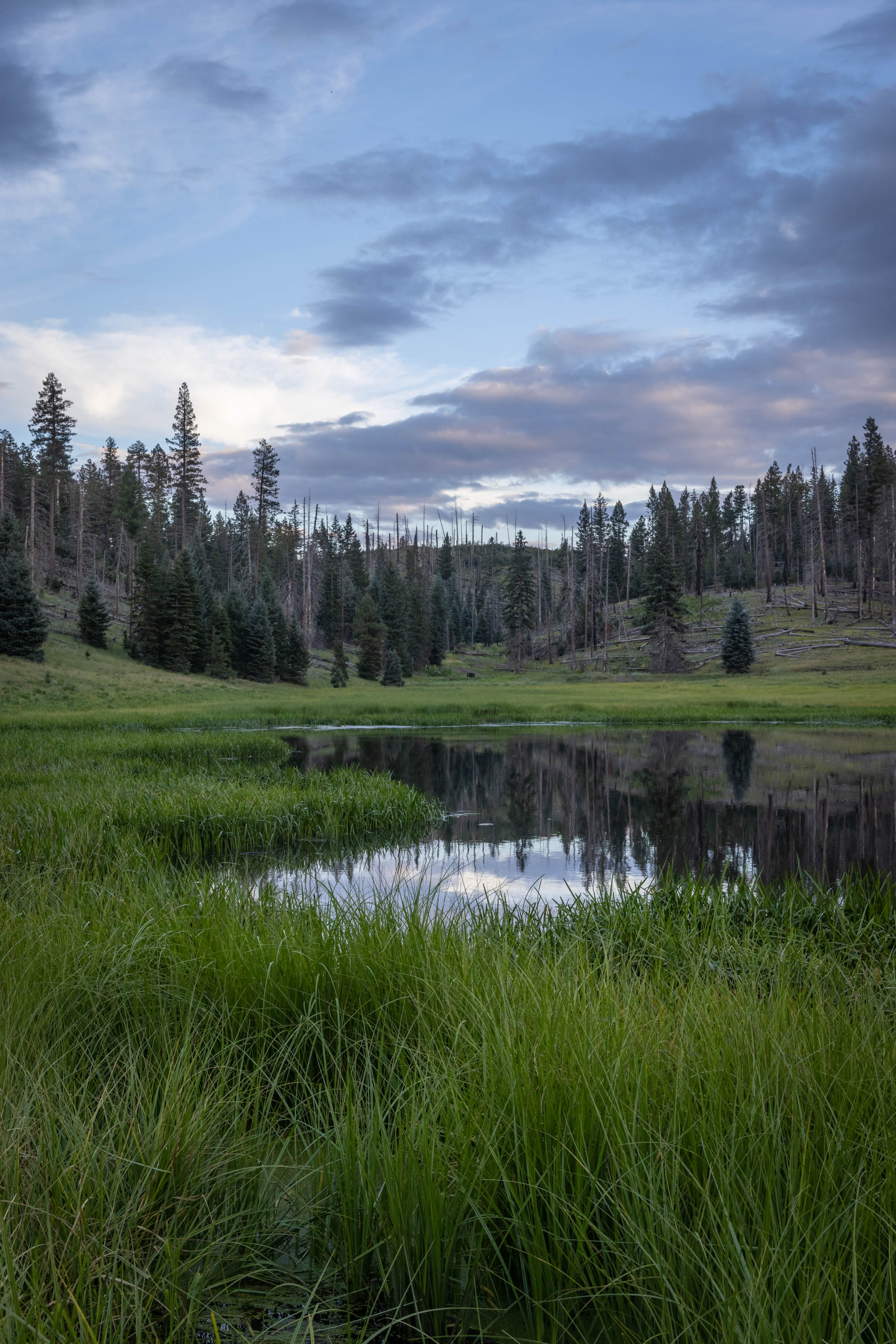
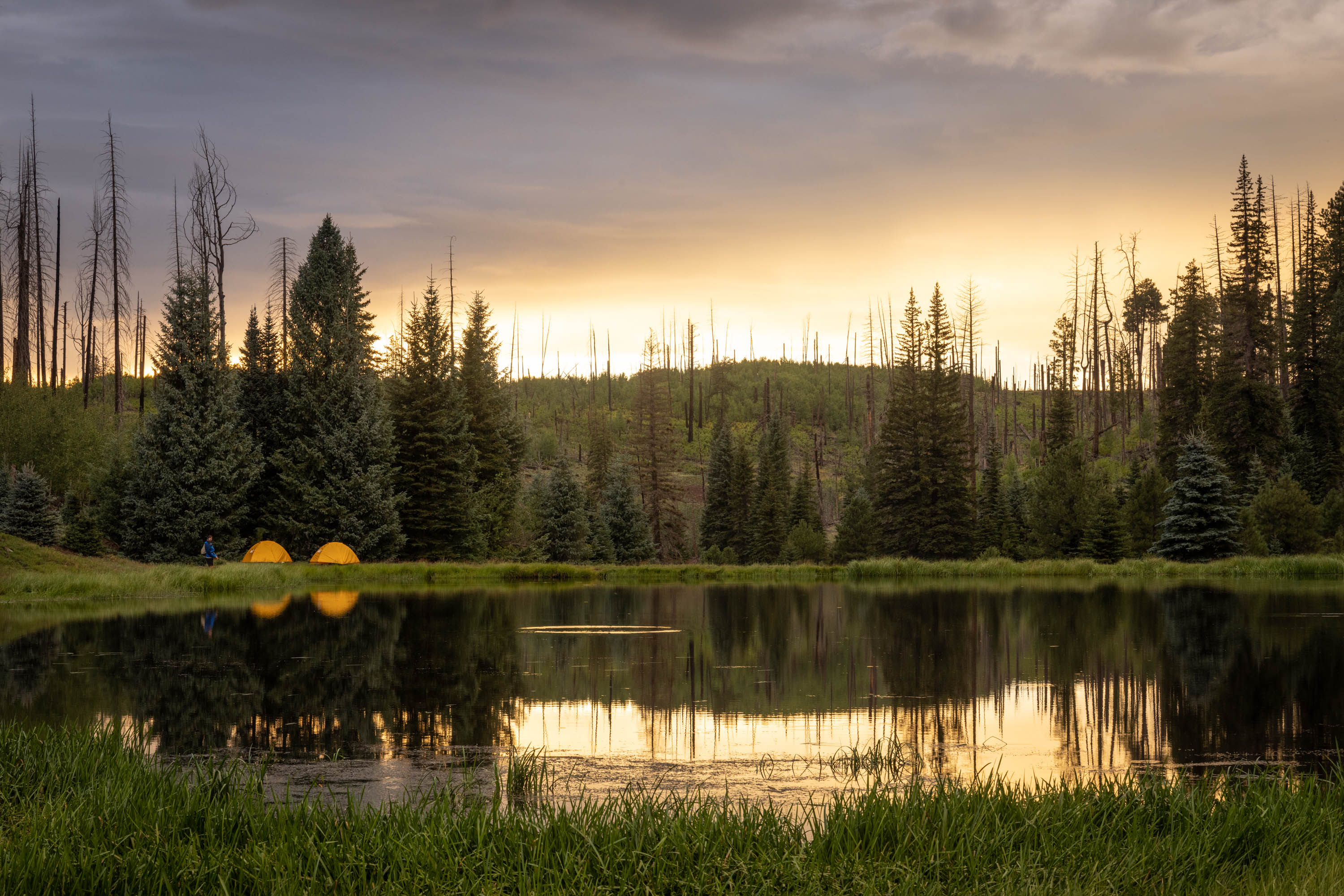
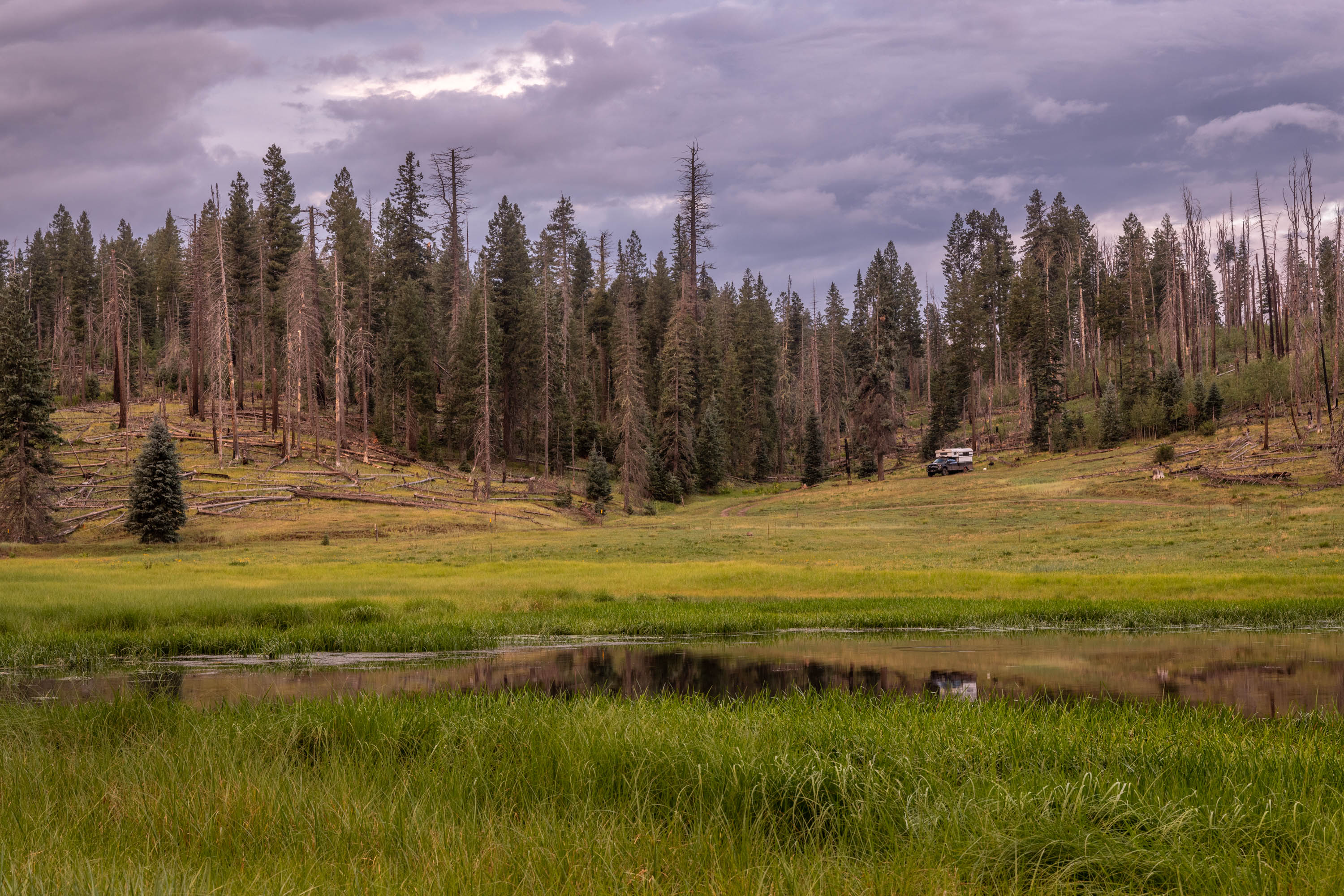
Hannigan’s Meadow

I’ve always thought Hannigan’s Meadow was a long way from anything. Probably because it essentially is. It is nearly on the border of New Mexico. It’s 275 miles from Phoenix, and 225 miles from Flagstaff.

It’s seclusion though gives it that inner beauty, that long away sense of isolation and independence. It used to be a favorite get away from the big city. But the Wallow Fire some 12 years ago tore through Bear Wallow Wilderness and consumed 538,000 acres, giving it the unfortunate recipient of Arizona’s largest fire in history.

It still wears the scars of that fateful 6 weeks in 2011 that raged through Hannigan’s Meadow, Greer, Alpine and the wilderness beyond. The two cousins that started the fire were sentenced to 2 days in jail and 200 hours of community service. Further restitution hearings to cover the over $79 million cost to fight the fire resulted in a further penalty that the two individuals pay $3.7 million at monthly payments of $500 for one, $250 for the other for 4,900 years.

The area will never be what it once was, but new growth has re-generated new wildlife, landscape, and campers to the area. We enjoyed several days in the mix of devastation of fallen and scorched trees, and meadows of grass and small lakes.

We found it be a beautiful place, peaceful and serene. It boasts few visitors these days, which made it more attractive for us.

The dawn of a new day yields lessons from our past, and hope that we learn and grow for the future.

Knot grass

I’m not by any means a ‘plant person’. I have more of a black thumb than green. But I do enjoy the wildflowers that grow on the hills in the summer, the colorful arrays along the roadside, and the occasional wildflowers we might find in our travels.

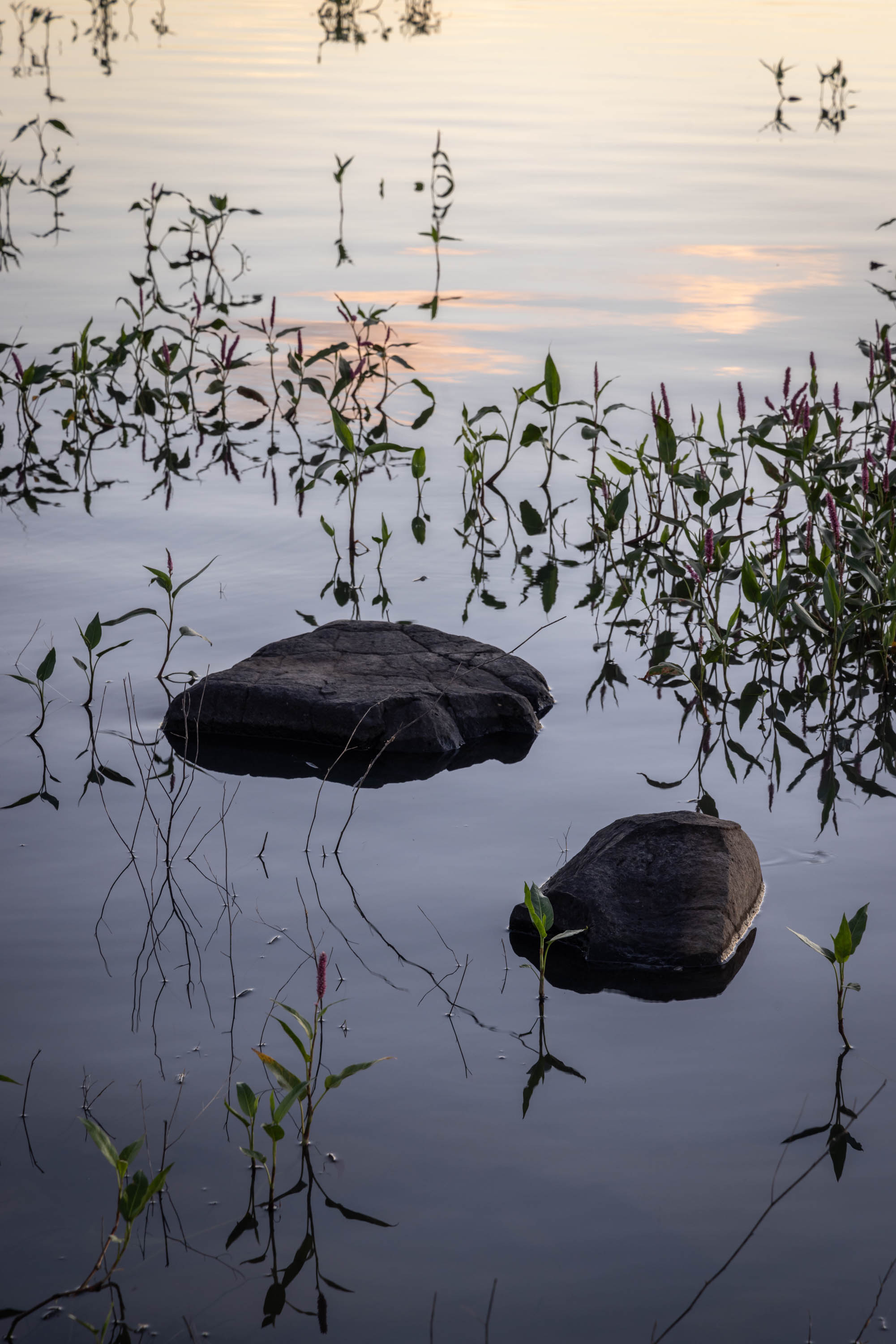
As a photographer, I have found myself learning all kinds of new things we find along the way. iNaturalist is certainly a helpful tool I carry on my phone to assist in the identification of something I am unfamiliar with, as it did for these knotgrass we found at the Lake.

Knotgrass is a perennial plant that grows in clusters that spread along the base. It is enjoyed by the small insects and birds along rocky wet soil. Knotgrass or knotweed is a type of water smartweed, which I mentioned here … https://kritterspix.com/2023/07/13/smart-weeds/. There are actually 6 species of this Persicaria plant in Arizona.

For us, it made an attractive backdrop during our day at the lake.

Summer is wrought with widespread weeds, evasive and native. I often find weeds are a matter of perspective. Webster’s Dictionary defines a weed as “a plant that is not valued where it is growing and is usually of vigorous growth”. Yet wildflowers, by their very nature, are indeed weeds. Beauty is in the eye of the beholder.

Woodpecker Babes

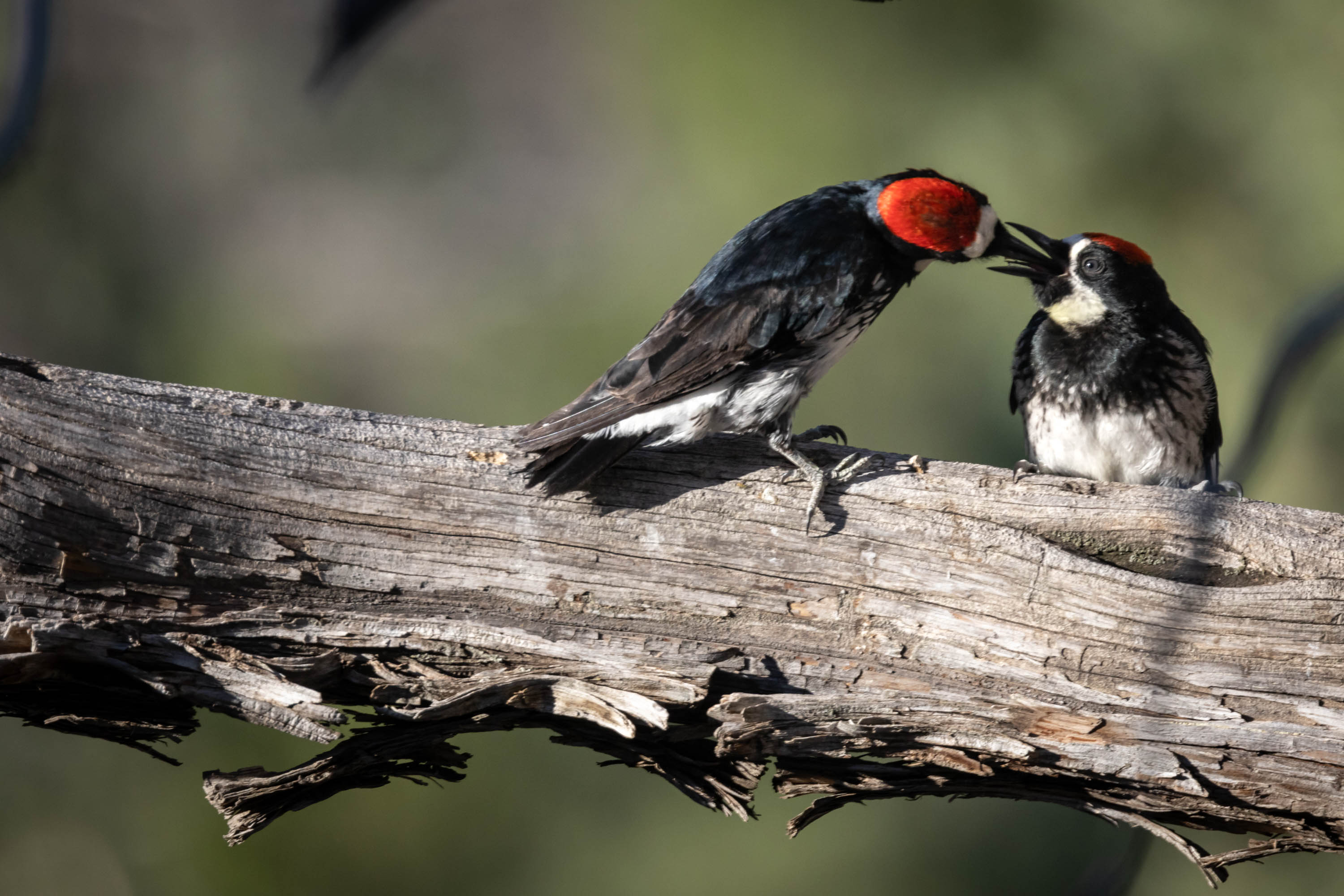
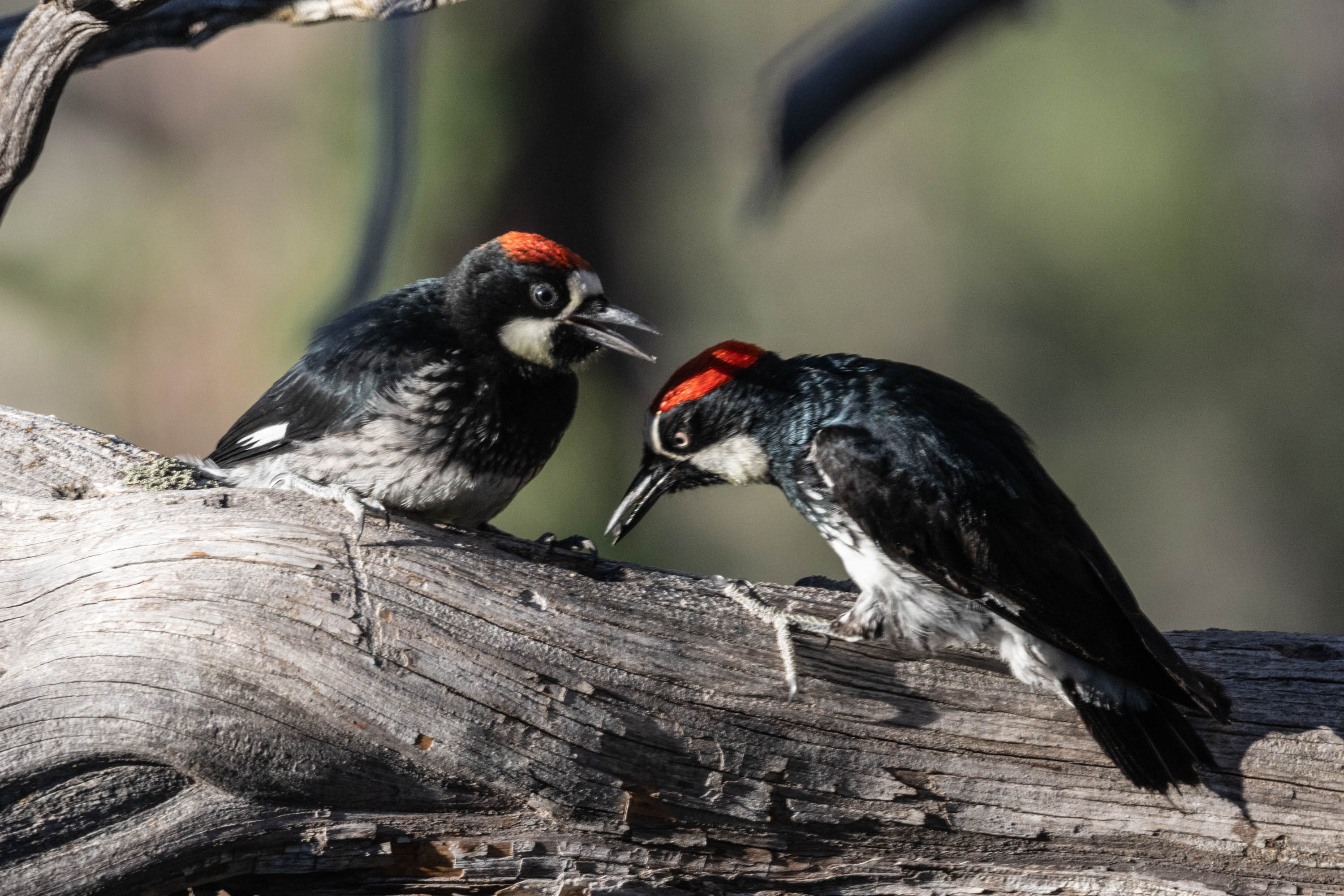
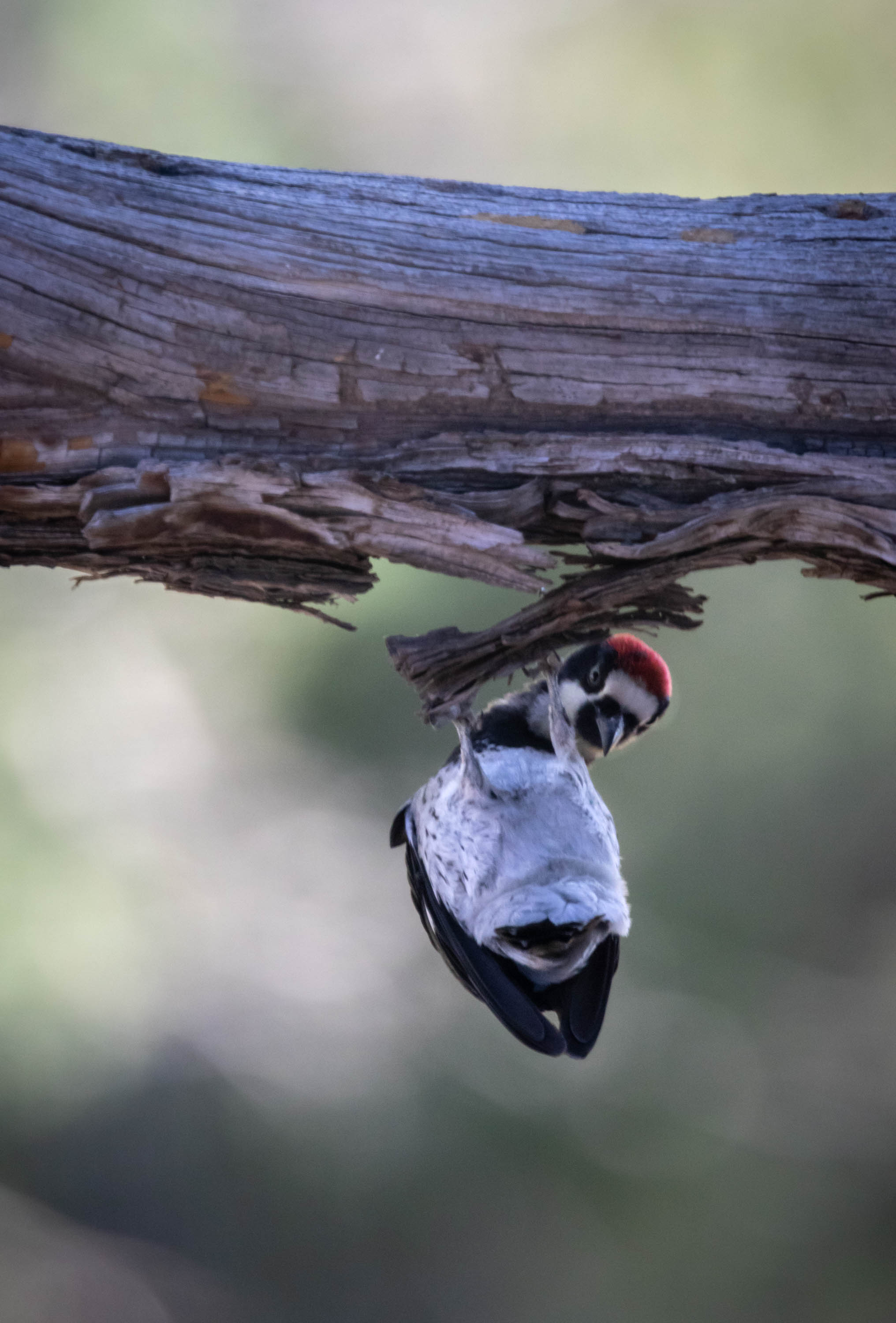
I am always astounded by how big, and how quickly baby birds grow to be full size. I caught these baby acorn woodpeckers being fed by mom.

You can tell the baby by the black eye, while the parents have a yellow ring around their pupil. Both parents feed their young, normally 1 – 2 broods per year.

The red-headed acorn woodpecker eats nuts (acorns), seeds, and insects. They burrow in bark and trees to bury their food for later. It’s fascinating to watch the parent teaching the babies early on to squirrel away seeds to eat later.

Animal behavior is so interesting to watch if you just take the time to observe.

See more baby bird pix here .. https://kritterspaw.com/2023/07/15/bird-watching/

Smart Weeds

I never cease to be amazed at the things we encounter while exploring the great outdoors. We often go back to a places we have been before just to see some particular scene or animal we have seen before.

But one thing I have learned is that one must take advantage of the opportunities presented to us at that very moment in time, as those moments are fleeting and may not return again. Such was the case when we went back to the Lake looking for osprey as we had seen before, only to find an entirely different scene.

This time around we found the lake blanketed in pink with a lily-esque type of plant I had never seen before. I searched the internet to yield nothing. It took reaching out to my AZGFD contact to identify this ‘strange’ plant as a native water smartweed.

As many times as we have been out and about, visiting many lakes throughout Arizona, we had never seen this beautiful photogenic aquatic plant. This unique smartweed can grow either submerged or floating on top, making it an unusual amphibious plant. You can read more about it here … https://www.fs.usda.gov/wildflowers/plant-of-the-week/polygonum_amphibium.shtml

One must be prepared for the situations we encounter, equipped with the right tools and knowledge, and willing to dedicate the time to capitalize on the moment.

Santa Fe Adventure

Adventure adds spice to life. Enjoy every moment to the fullest and celebrate often.

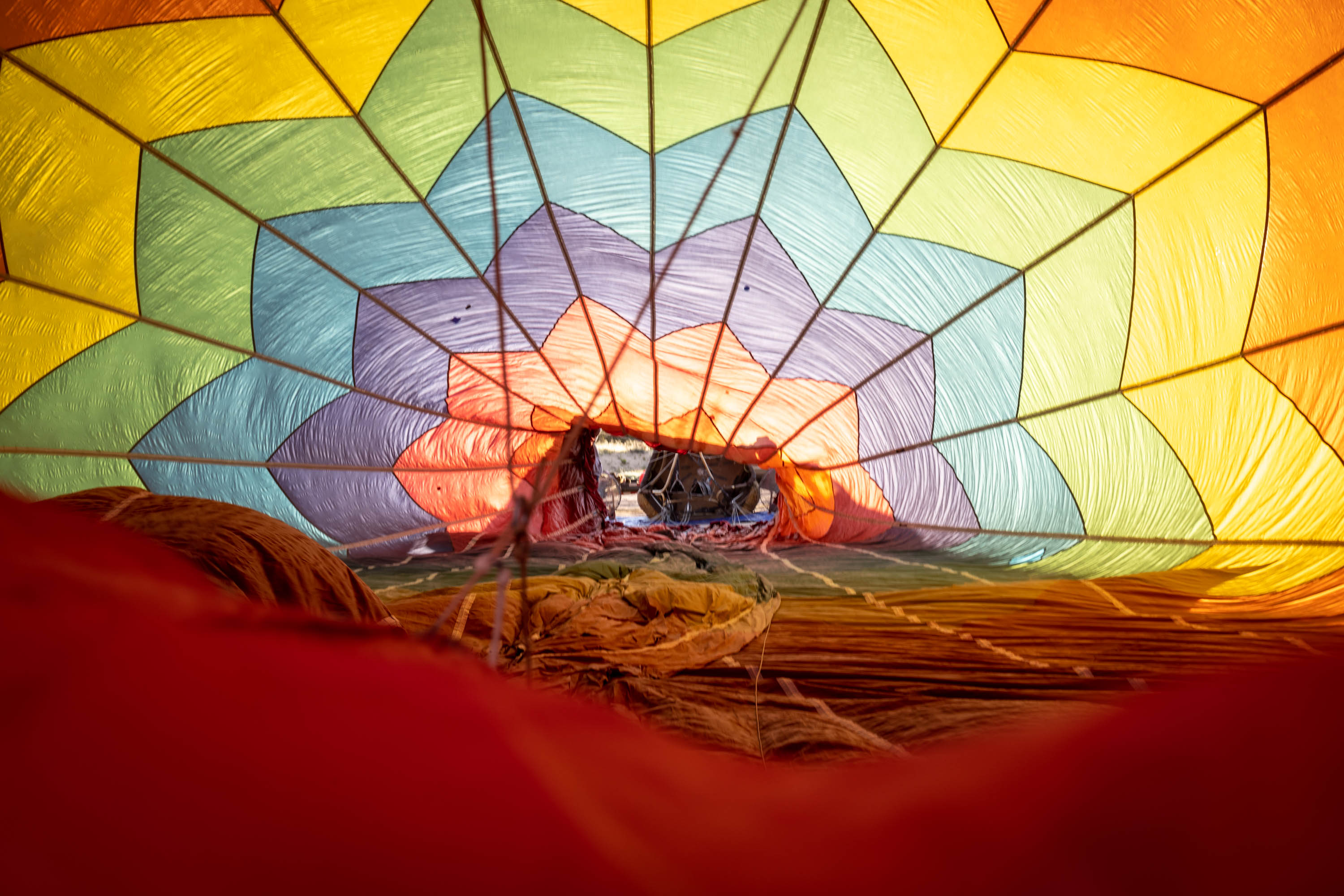
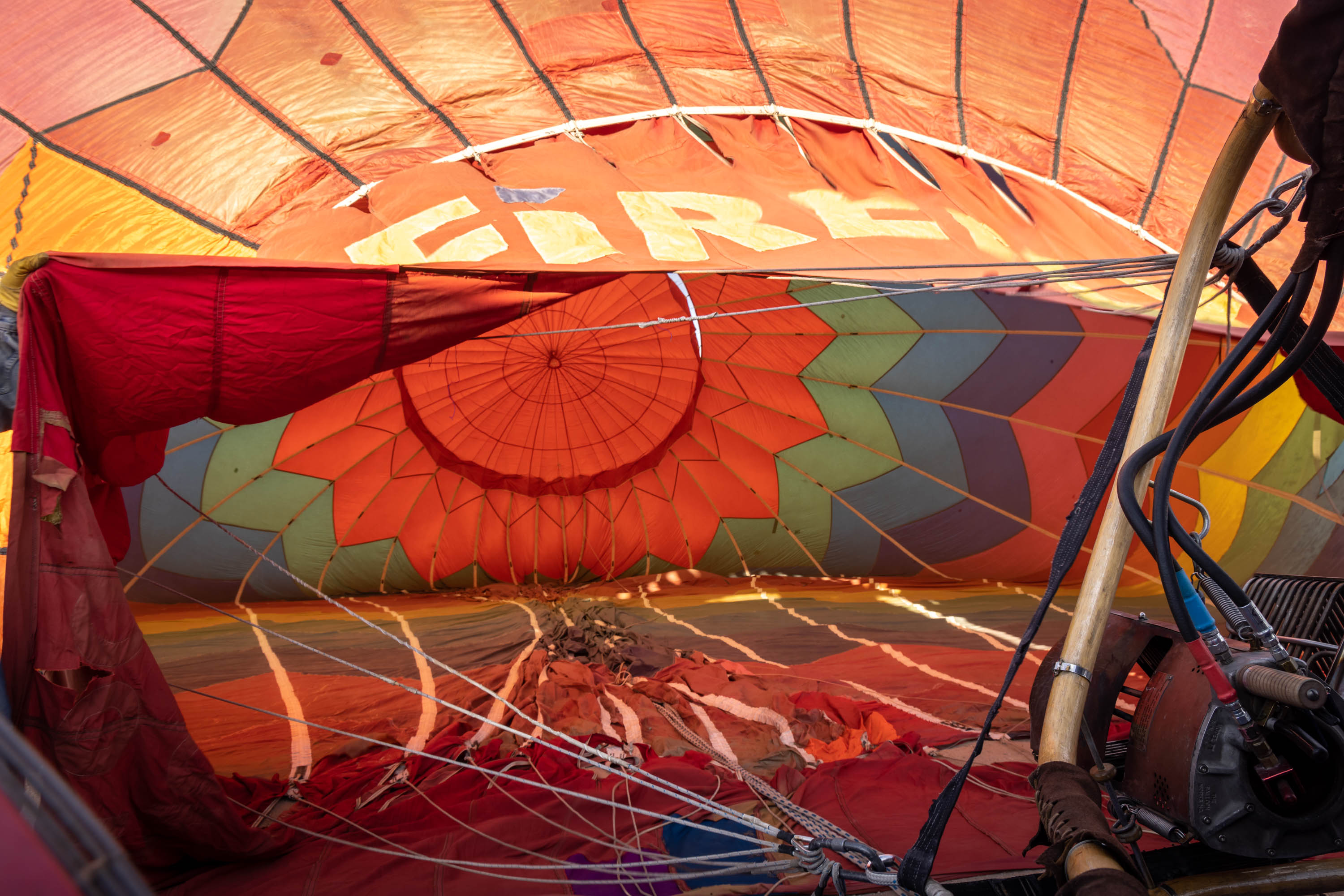
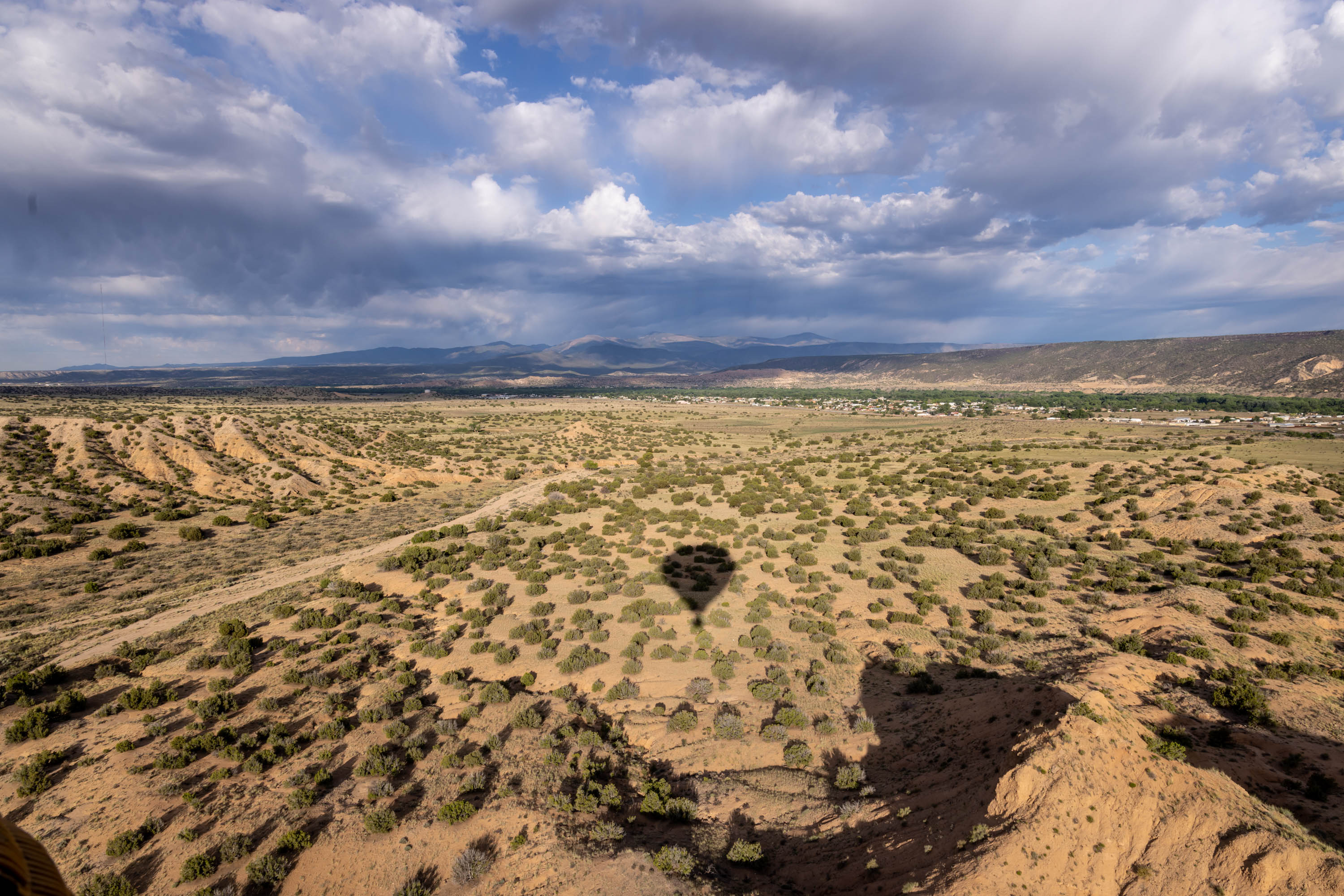
John outdid himself when he surprised me on my birthday with a balloon ride outside of Santa Fe. Even though I used to work chase crew for Arizona Balloon Company a lifetime ago, I have never been up in a hot air balloon… that is until now.

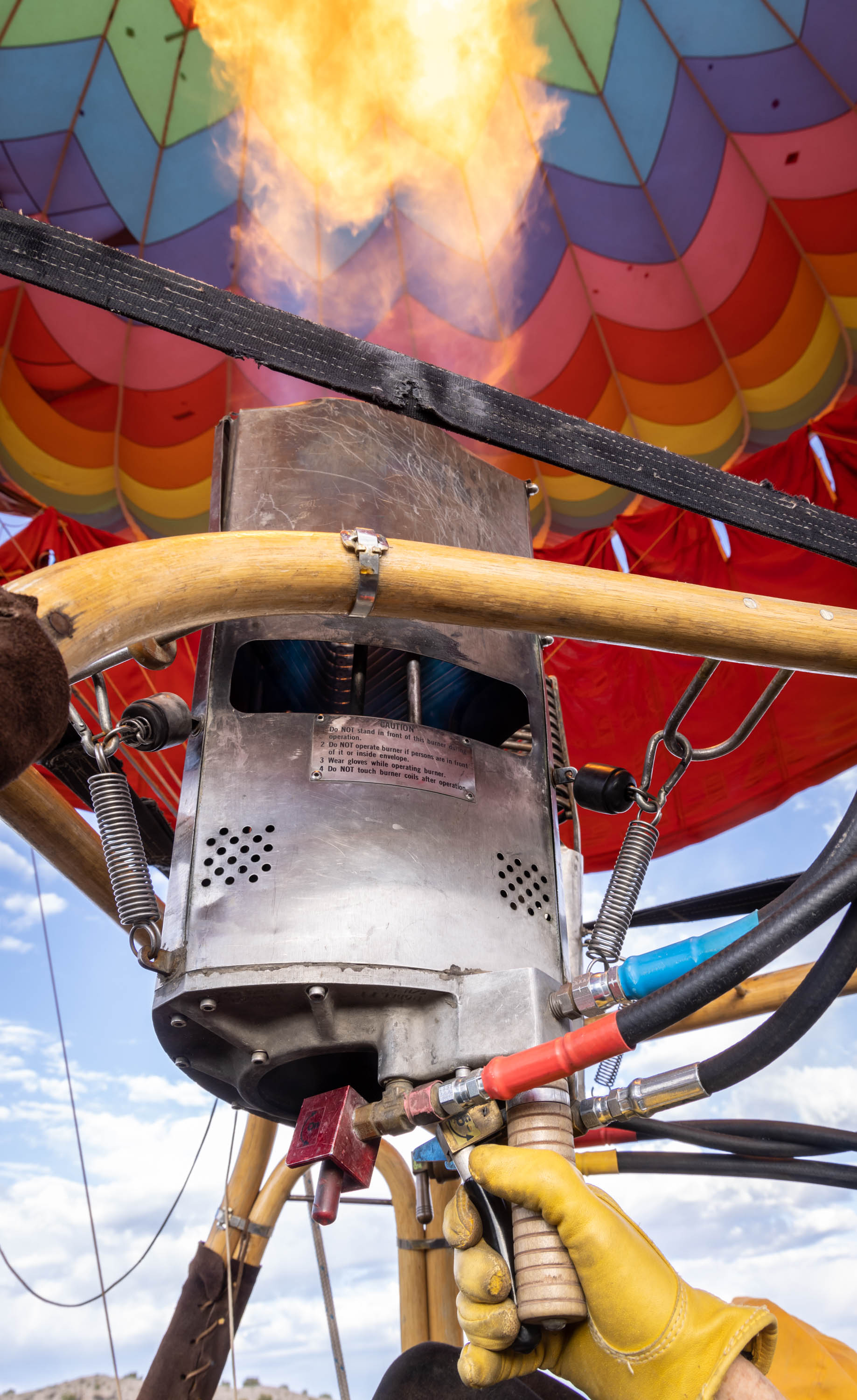
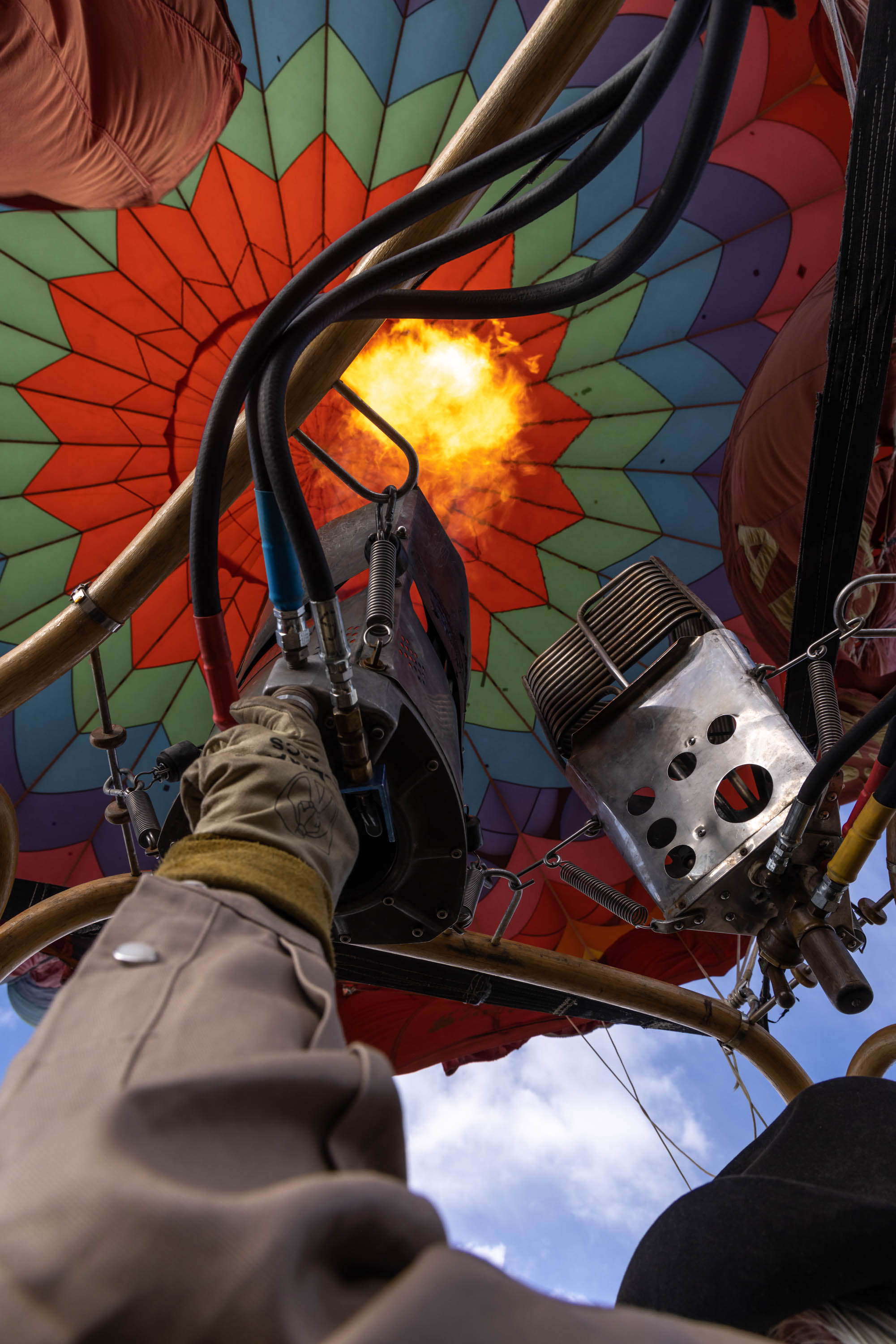
He had signed us up for a special experience with Santa Fe Balloons, owned by the colorful character, Johnny Lewis. I can’t imagine a better guide through our maiden voyage as Johnny explained the art and science of ballooning as he deftly showed his experience through his skillful hands.

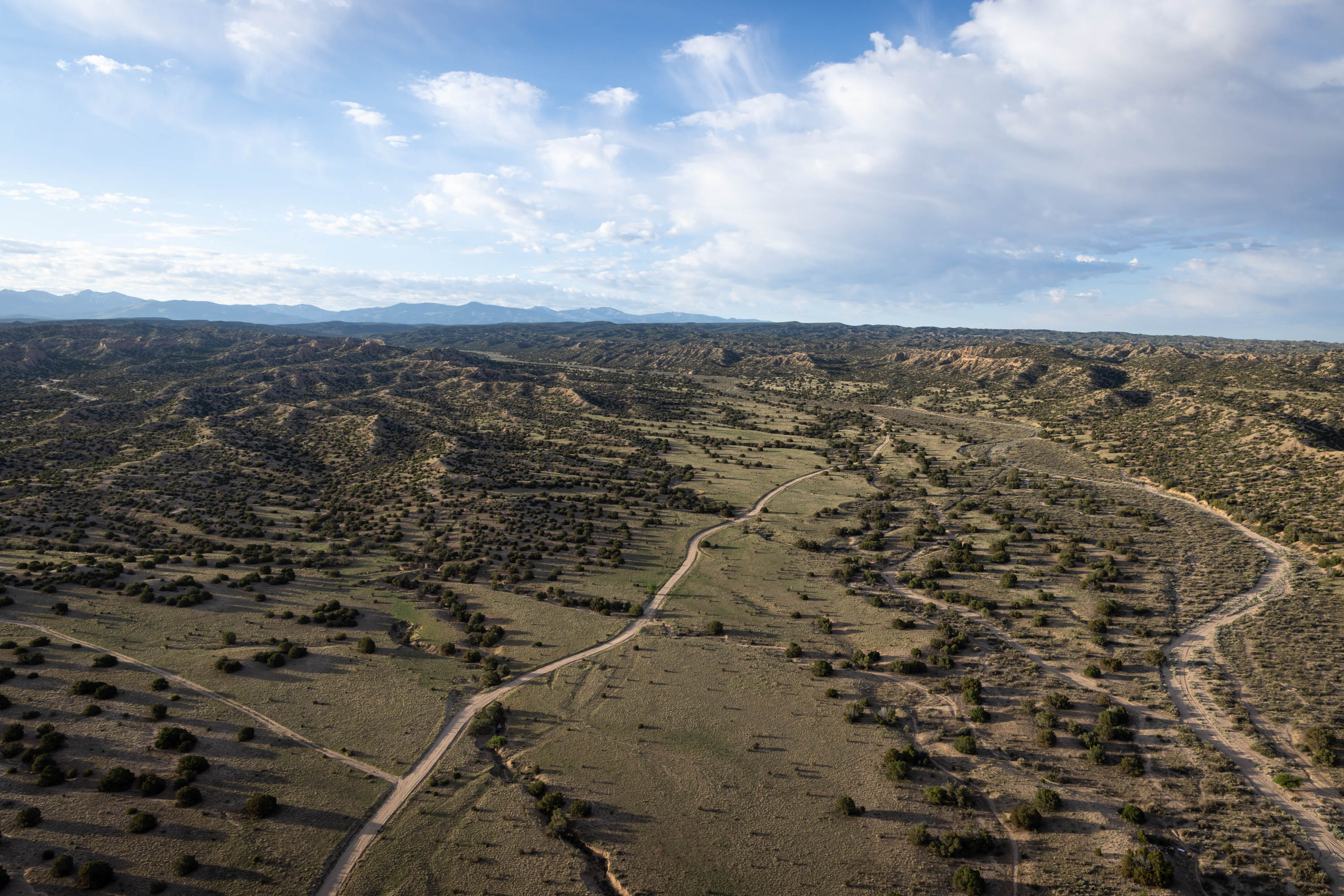
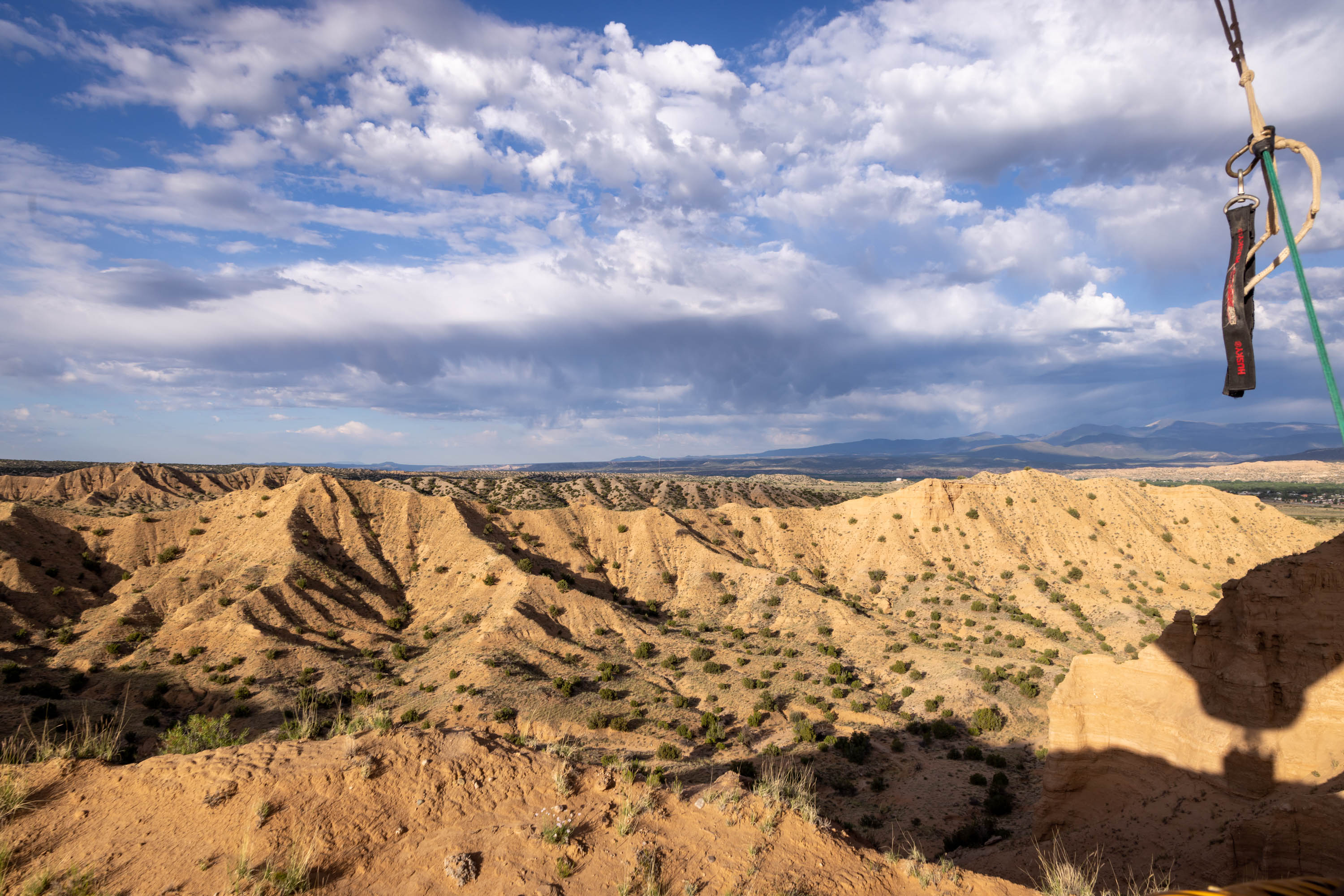
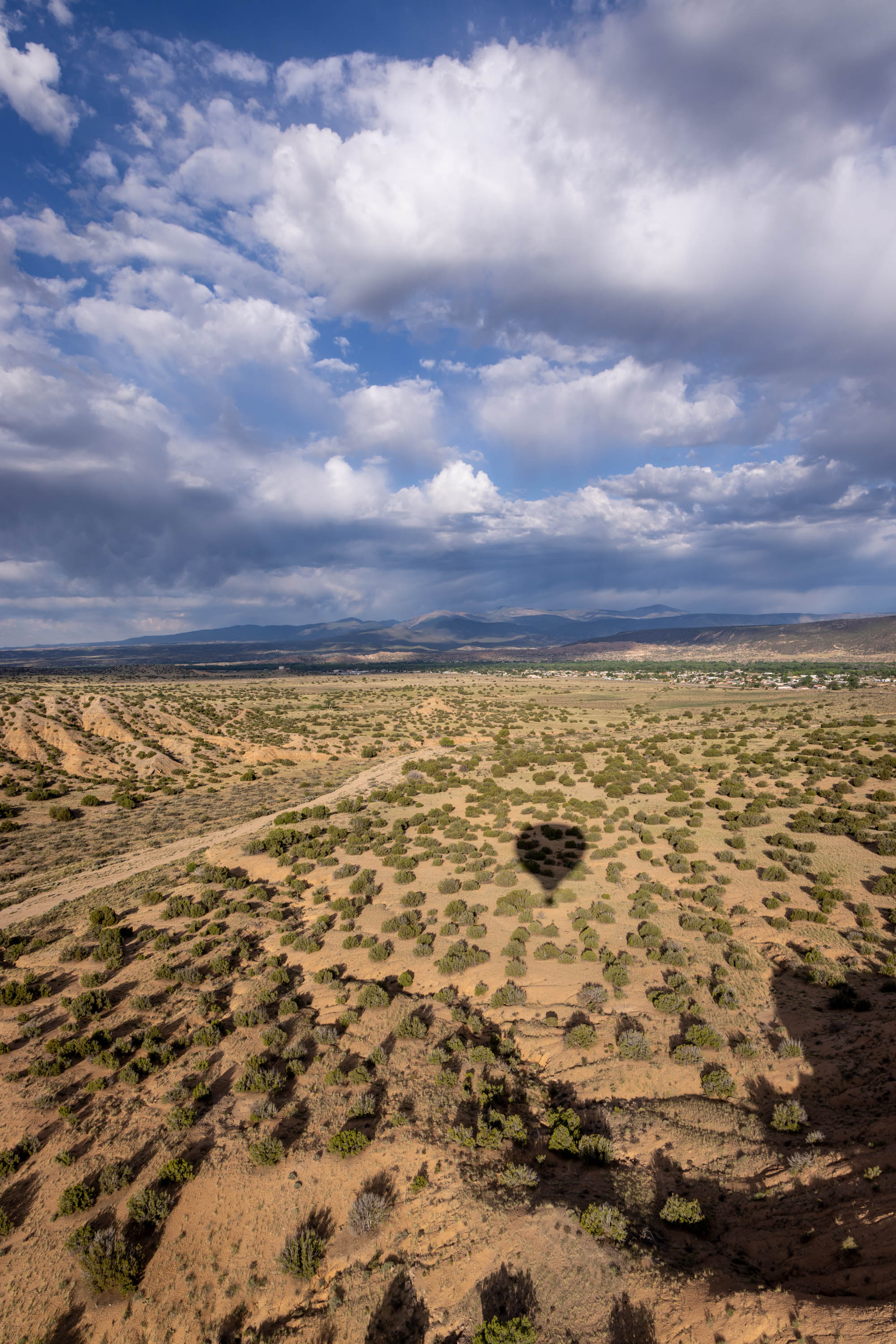
We floated effortless and quietly across the ravines north of Santa Fe, not a power line or city in sight. The views were stunning, and made better only by the commentary and education we learned as Johnny entertained and delighted us.

Johnny deftly walked the balloon across the nap of the earth, through the valleys, and gently raised it over ridges just as we wondered if we’d hit ground. He did things with a hot air balloon we didn’t know could be done giving us a thrilling ride.

Then he brought us to 1000′ altitude so that we could view the landscape from a-high. I can’t imagine a better pilot for our first ride.

He worked the winds as if he controlled the gods from above as he made the balloon yield to his every whim. His masterful touch, his charismatic wit, and undeniable charm just added to this amazing experience.

With a kiss of the earth and barely a bump, he walked the balloon back the the trailer waiting on the ground. He was showing off his experience to anyone able to see it. It was a sight to behold.

Johnny was aided by a faithful crew who had clearly been to this rodeo before, as they handily aided in the deployment, catch and release of this ancient art. Jeannie, Johnny’s co-pilot was a delightful companion as she shared history and stories to enhance our experience.

We toasted our safe return to the earth with champagne and the balloonists prayer:

The wind has welcomed you with softness. The sun has blessed you with his warm hands.

You have flown so high and so well that God has joined you in your laughter and set you gently back into the loving arms of Mother Earth!

Thank you Johnny, Jeannie and crew of Santa Fe Balloons for a wonderful adventure and adding spice to our life for a memory of a lifetime. And to my loving husband who I love more today than the day I married him 36 years ago.

Channel Islands – Santa Cruz & Santa Rosa

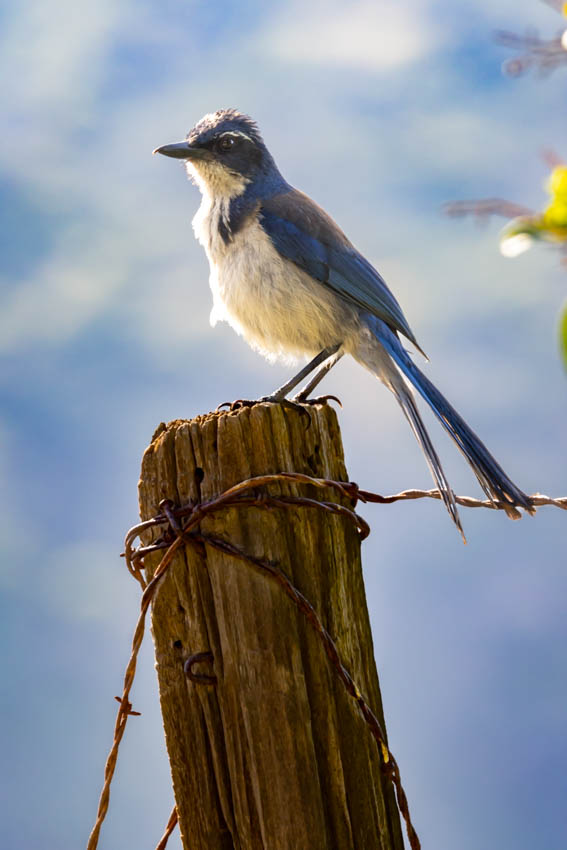
While there are over 500 species of birds that breed in North America, only one, the island scrub-jay, lives and breeds on a single island, Santa Cruz in the Channel Island National Park. The island scrub jay breeds in the coastal oak and chaparral oak that are found throughout Santa Cruz, and feeds on insects, lizards, mice and nestlings.

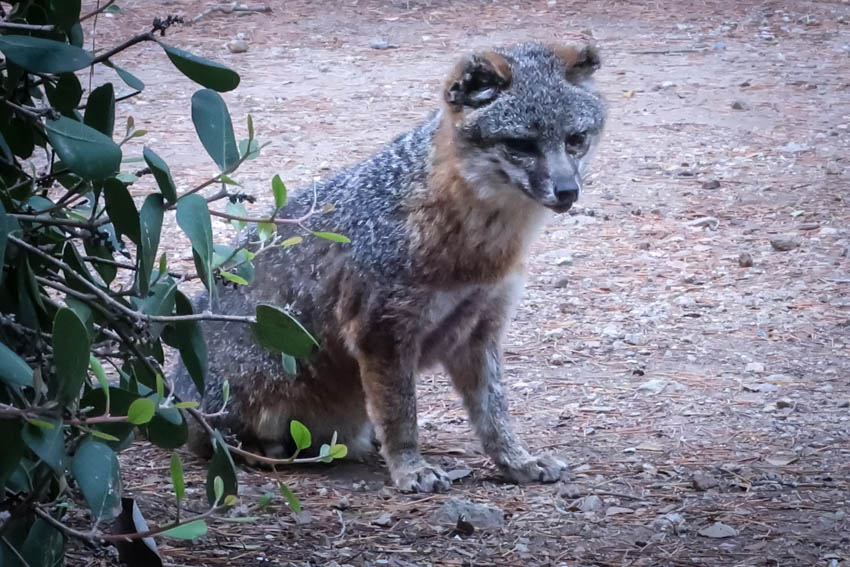
Other species endemic to the Channel Islands are the island fox. The island fox lives on only 5 of the 8 Channel Islands, and no place else. Each island fox species is recognized as its own separate unique subspecies. The island fox is a third smaller than the mainland ancestor, and more the size of a small cat, at only 4 – 5 lbs. It has distinctive markings around its face, with rust colorings on its sides and white underneath.

The one (above) we saw on Santa Rosa, was visibly different from the one we spotted on Catalina (below).

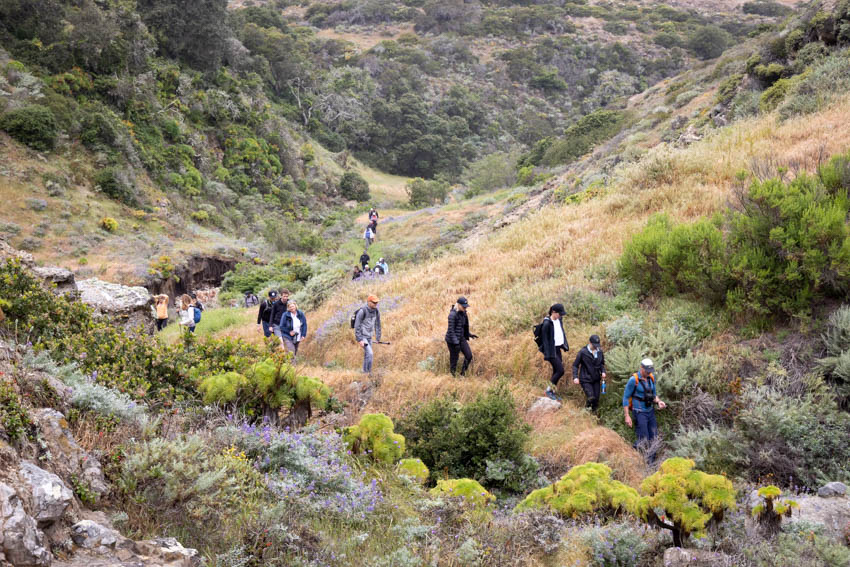
We found our visit to the Channel Islands to be interesting, educational, and tiring with the many nature hikes and excursions we enjoyed. for more photos of the Channel Islands – Anapaca, check out my blog post here…https://kritterspaw.com/2023/05/05/channel-islands-anacapa/

Santa Ynez Valley, CA

Just Northwest of Santa Barbara, CA is this little triangle of small towns, Solvang, Buellton, and Los Olivos, that are full of charm, character, and scenic opportunities. Solvang offers Danish charm where one can feel like they were transported to Copenhagen and gorge themselves on butter cookies and ebelskivers. The city was founded in 1911 by Danish settlers and includes a Hans Christian Anderson museum and park. Buellton is considered the Home of Pea Soup, where Pea Soup Andersen’s has been serving scratch made fresh pea soup since 1924. Los Olivos has multiple wineries, tasting rooms, restaurants and eclectic shops.

The Central Coast of California is well situated North of the Los Angeles / San Fernando Valley and South of San Francisco / Paso Robles area. The area is littered with agriculture and small farm stands selling local produce. The landscape is dotted with craggy oak trees that can reach up to 600 years old, and are native to the area.

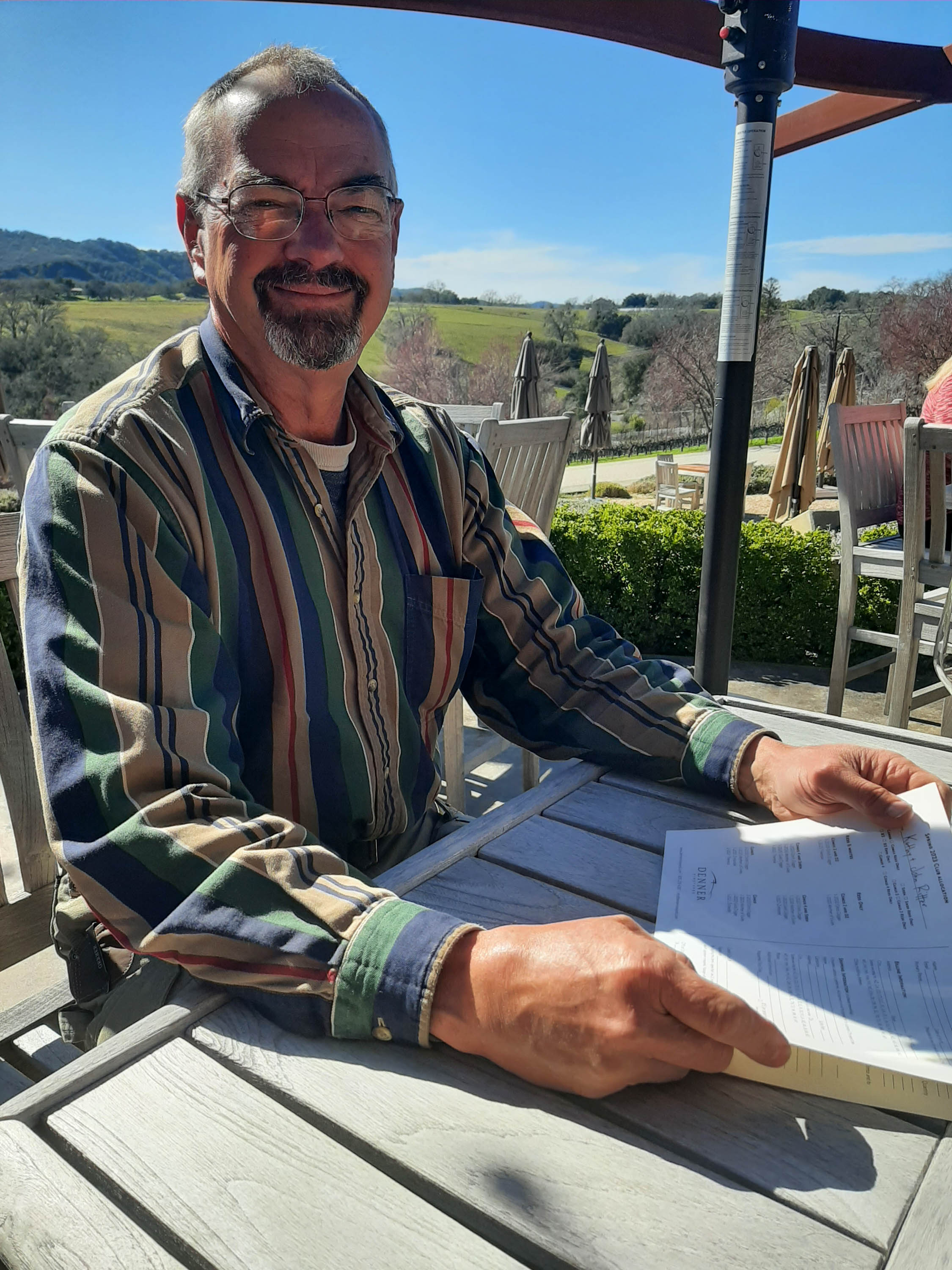
We wandered around, ate & drank, visited wineries, and poked around the numerous shops. It’s the stuff vacations are made of, relaxing and indulging in the local culture. We drove some of the back roads around Foxen Canyon. We wanted to drive through Figueroa Mountain, but the historic snow and winds in the area closed the areas to traffic.

Further Northwest is Cambria, another charming town worth exploring along the coast. Just outside of San Luis Obispo, Cambria is a popular destination spot for locals and tourists alike.

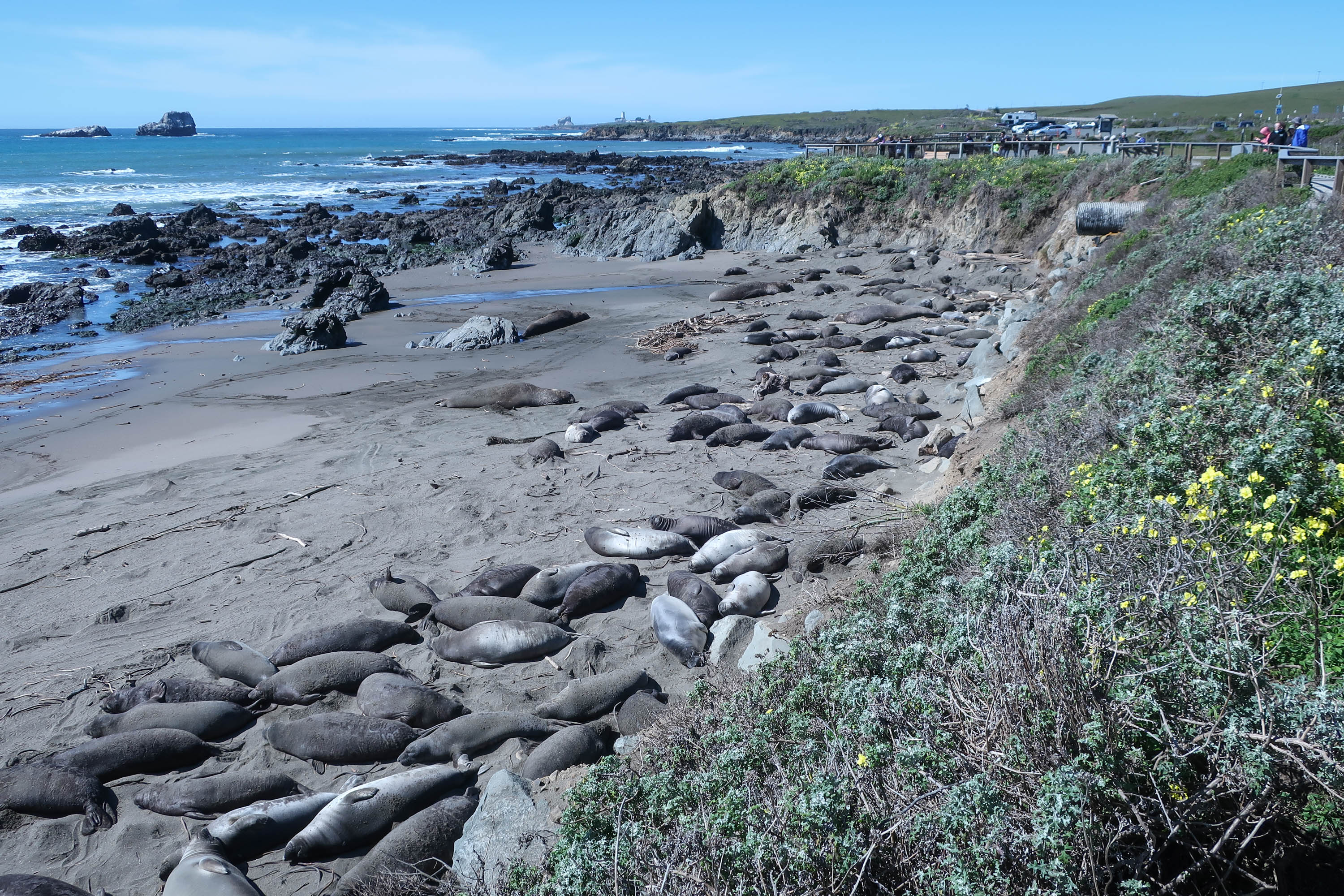
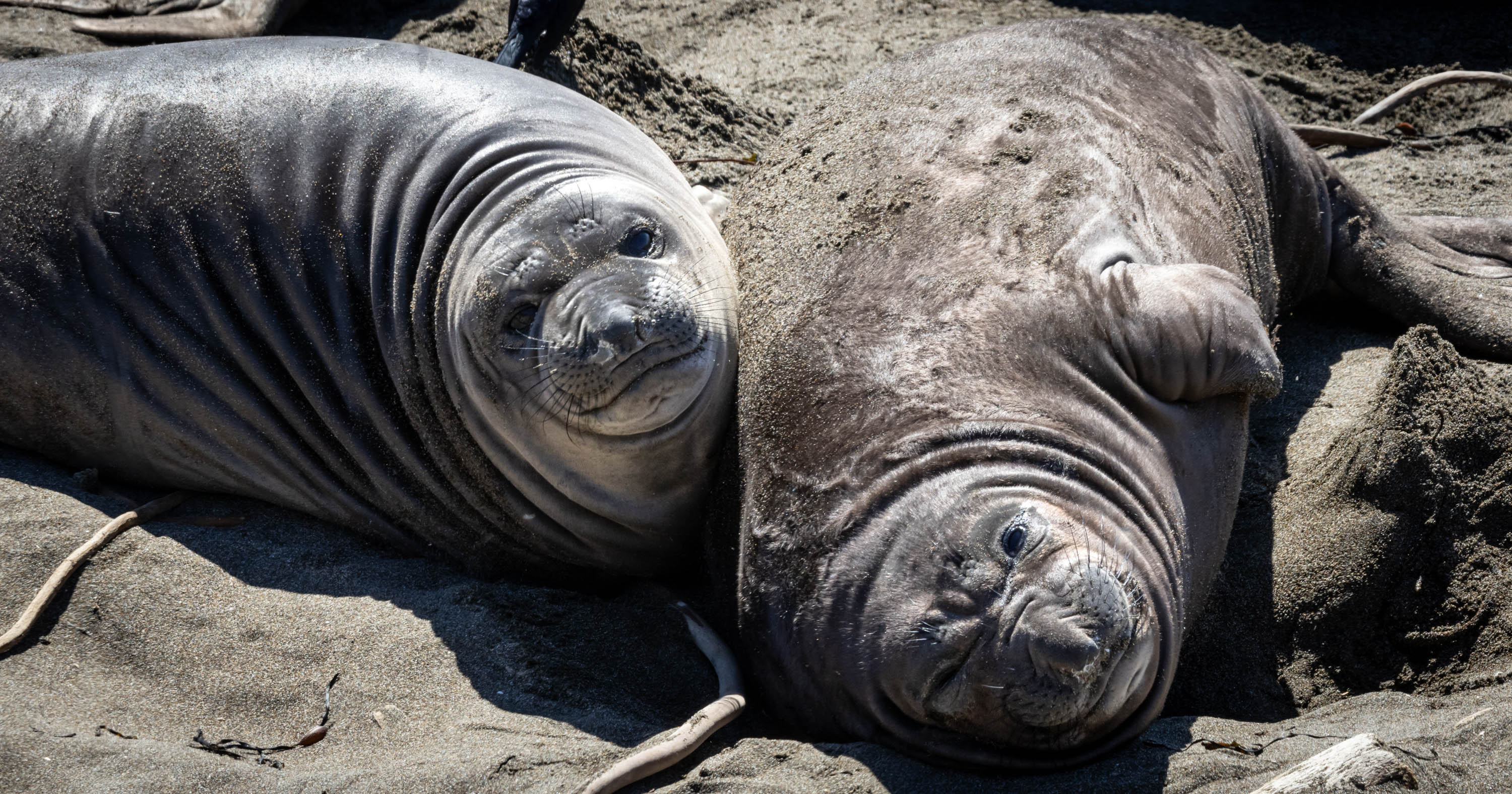
Cambria is a convenient location close to Paso Robles, 30 miles North, Hearst Castle (San Simeon), and Elephant Seal Vista Point.

While in Cambria we enjoyed a gorgeous hike along Fisculini Ranch Bluff trail (at the end of Windsor Rd) with great trails along the oceanside. We indulged in our own picnic at one of the many ‘twig’ benches along the well kept paths.

Next time we are in the area, Cambria is well worth a stay. Another hike we would have loved to do was the Moonstone Beach Drive at Leffingwell Landing.

You can see my photos of Morro Bay, further North, here .. https://kritterspaw.com/2023/03/08/morro-bay-ca/

White Pelicans

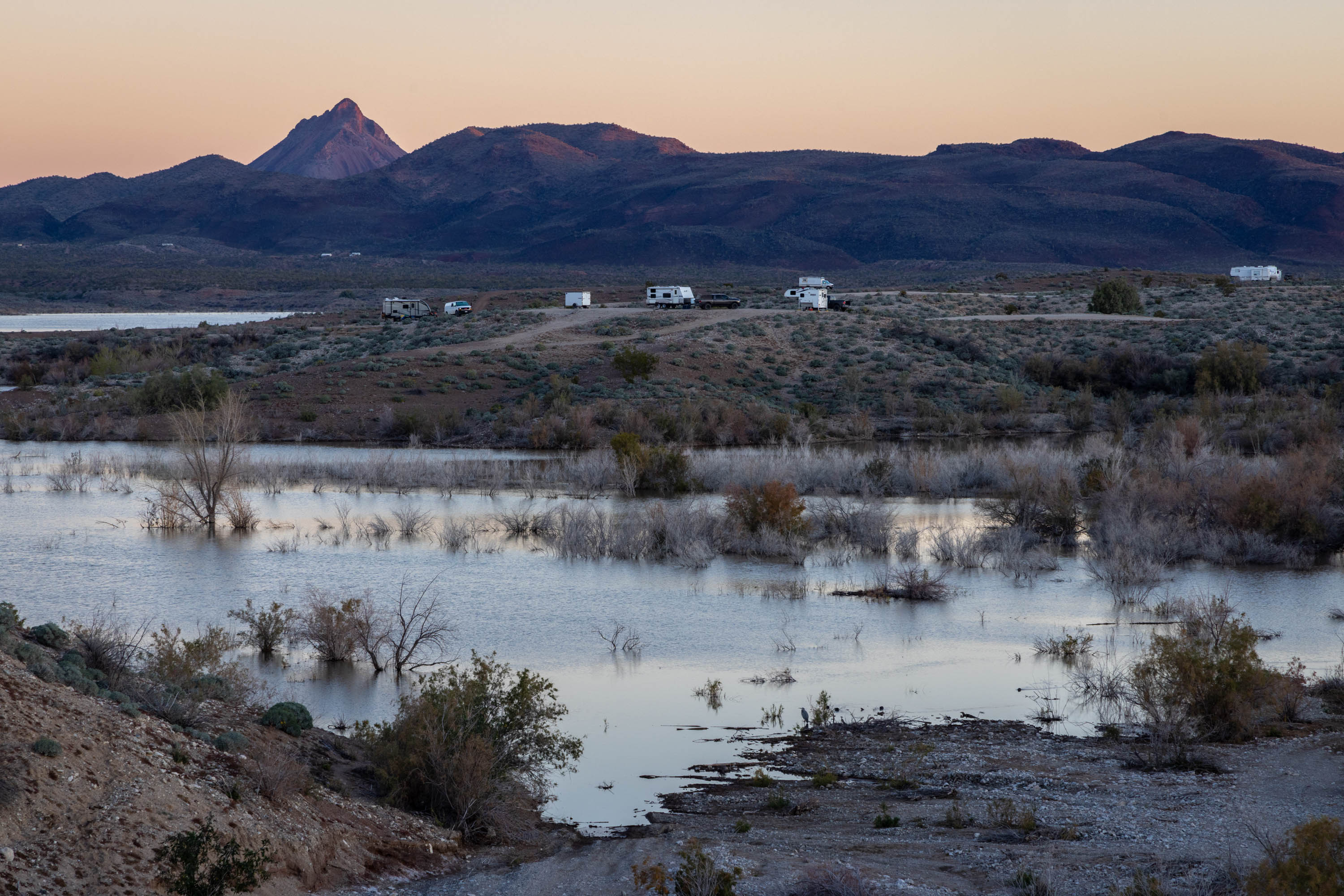
Most people know where Lake Havasu is. The London Bridge has made it a tourist landmark. Forty miles southeast of Lake Havasu is the Alamo State Park.

The park was formed as a recreational reservoir. It offers camping, ATV trails, boating, and fishing. It is also popular to wild burros and white pelicans.

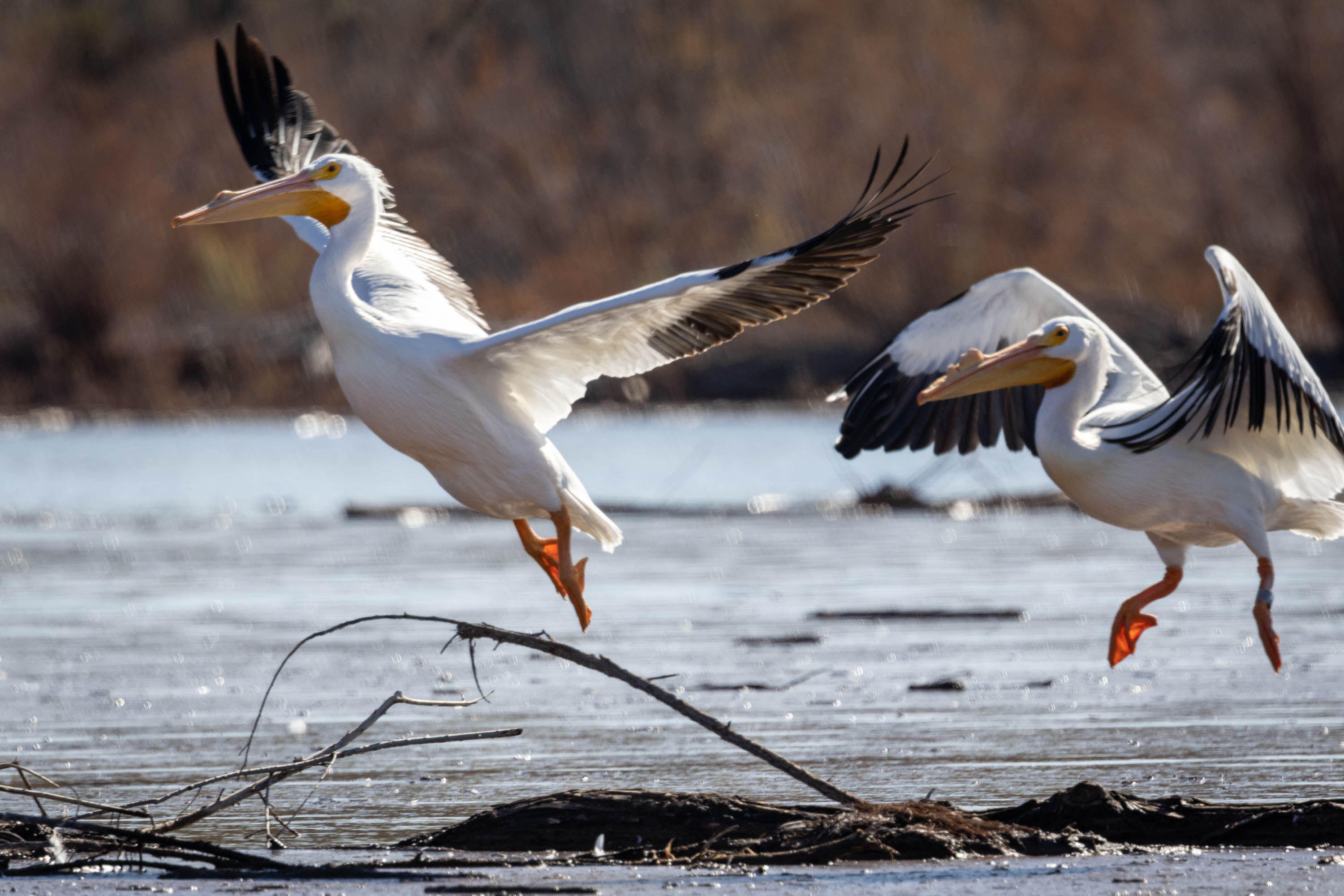
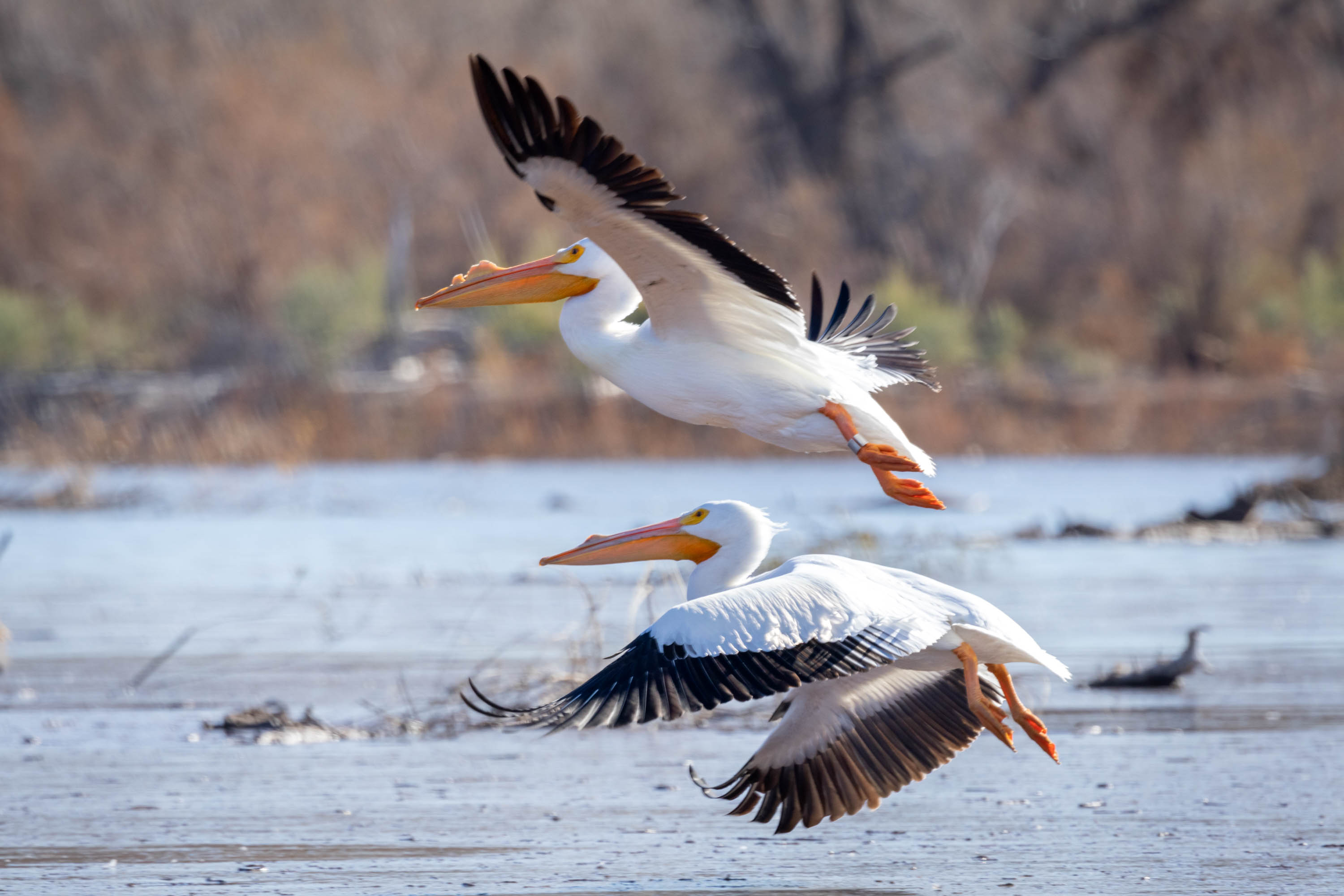
We saw dozens of white pelicans who winter in the calm still water in the recesses of the Lake.

The American white pelican breeds in Canada and upper Midwest, but migrates south to warmer climates for the winter. Arizona has become an increasingly popular place for the pelicans to winter due to the ideal climate, warm waters, ample fishing (thanks to well stocked man-made lakes) and protection from predators.