The more I embrace this Wildlife Photography the more I learn about what I don’t know. Much of my animals have been by luck by golly, and a product of many many outings. At the risk of stating the obvious, we are learning that you can actually ‘predict’ (as much as that is possible with wildlife) where and when the animals might be.
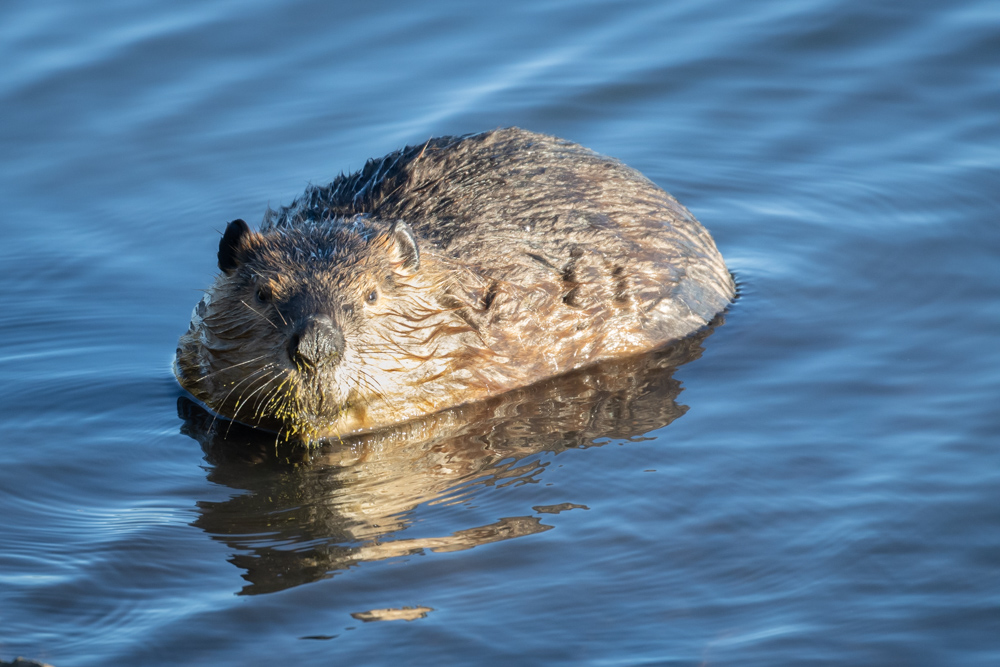
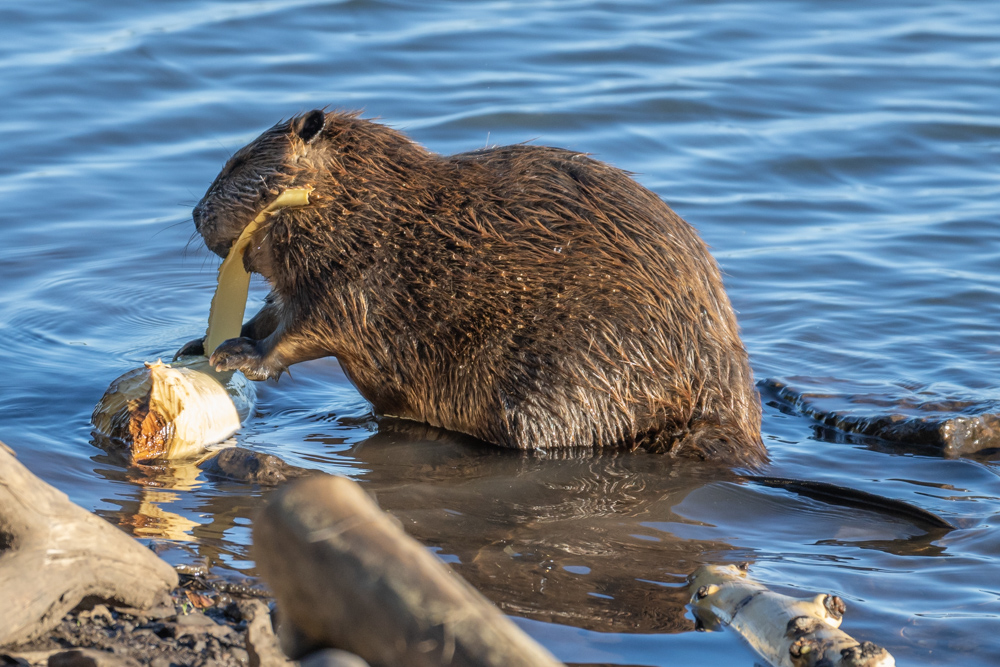
Their habitat will help to identify where you might find a particular animal, both in terms of weather, climate, and environment. For instance, antelope like the low plains and fields to graze on. Elk are partial to the dense wooded areas, and of course water fowl (and beaver) can be found on lakes and waterways.
If you can follow footprints and / or scat (poop) to track the animal you can lay in wait for them. All animals, particularly when rain is sparse are attracted to water holes, and in search of food. They come out early morning & evenings (or middle of the night).
If you can find their home – a nest or den – you are much more likely to be able to camp out and wait for their arrival or departure. We were lucky enough to encounter a beaver den. Sometimes they are abandoned, but fresh cut trees will lead you to where you might find them.
It’s gratifying when a plan comes together and persistence pays off. It keeps me coming back for more.
It’s interesting to witness the evolution of my own wildlife photographs.
I recall oh so many years ago taking photographs of animals so very far away. Today, I look at those photographs and wonder what it’s of. Oh, there it is, that little dot in the distance is some almost unrecognizable animal. Hmmm, I guess I have improved!
When I bought better equipment, bigger lenses, and learned more, I began filling the frame with the animal. But it’s more than that, it’s clearing the clutter of a messy background.
It’s including some background that shows the animal in it’s environment.
It’s including action, if you’re so lucky.
It’s catching that glint of it’s eye, making sure it’s sharp and looking in your direction.
It takes anticipation of the animals behavior and patience to wait for the animal to come to you, look your direction and capture what it does in it’s environment.
It’s a ‘sport’ that is humbling, gratifying, and frustrating at the same time. It takes practice and time, lots of it. Something I try to apply as I continue to learn and improve.
With everything going on in the world, I guess it goes without saying that everything changes. I’m not talking about the prices, lack of workers, or social upheaval. If you go someplace or do something long enough you are bound to see change, whether it’s at a restaurant, a golf course, or a favorite outing.
Considering this a blog for my photos, I’m not talking about restaurants or golf. We have heard of Black River for decades. We were told it had unsurpassed beauty and wildlife. So, finally, after so very many years of hearing about it, we decided to bite the bullet, buy the White Mountain Indian Reservation permits and check it out.
We began our drive from Pinetop-Lakeside, AZ in a cool 70F day and began to decent the long road to the river. Once we got to the ‘border bridge’ of the San Carlos Indian Reservation we stopped to check out the river at the only viewpoint from the road. We found ourselves in 98F heat and considering the hot and sandy environment, lack of scenery, and animals, we made the decision to turn around and head to the ‘U.S.’ side outside of Big Lake.
Once there we were greeted with cooler temps, including 39F overnight. Not having ever been to Black River, we were surprised to see the lack of views of the river. I suppose if we were to hike down the river with waders the scenery would improve. The Alpine / Big Lake side still wore the scars of the 2011 fire that rolled through Hannigan Meadow and Greer. The Black River had remnants of burned trees and heavy overgrowth along the river way.
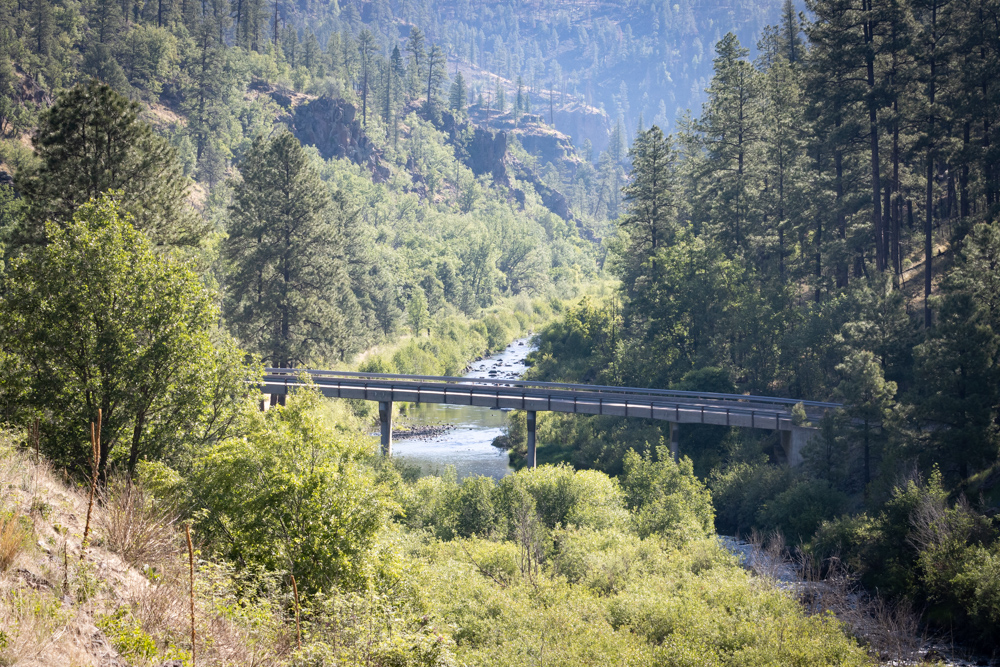
Wildcat bridge across Black River
We were further surprised to see the lack of open dispersed camping. Signs everywhere advised no camping in non-designated areas, only in the Pay-Park here spots. The campsites were dusty and trash ridden with no trash receptacles.
Everything changes. We have camped for years, pulling up in any stretch of earth and calling it home for the night. Over the years we have never paid for camping in the forest land we pay taxes on. We have found very little trash early on, but when we did, we always took home more trash than we came with and picked up anything we found. These days we travel for hours to a beautiful spot only to find heaps of trash littered everywhere. Heck, we find it on our road to our subdivision. Now, we have to pay for the pleasure of picking up others trash with no place to put it, other than take it home with us, and pay for it to be picked up.
More and more there are an increasing number of closed forest roads, gated areas we are no longer able to visit, other than designated spots where we have to listen to someone else’s generator. Sorry for the gripe. Everything changes. I’m glad we camped throughout AZ and saw all that nature has to offer. We will continue to do so, but with limited access from what we have become accustomed to.
We got a tip that we might be able to find coatimundi at Cluff Ranch in Pima, AZ, a locale they had been seen many times before. Having never seen a coatimundi, we were anxious to follow up on the lead and hopeful to get a great shot.
We stopped at Tucson Mountain Park along the way. It was sunny blue sky the entire time, but we weren’t there for sunsets, we were there for the animals.
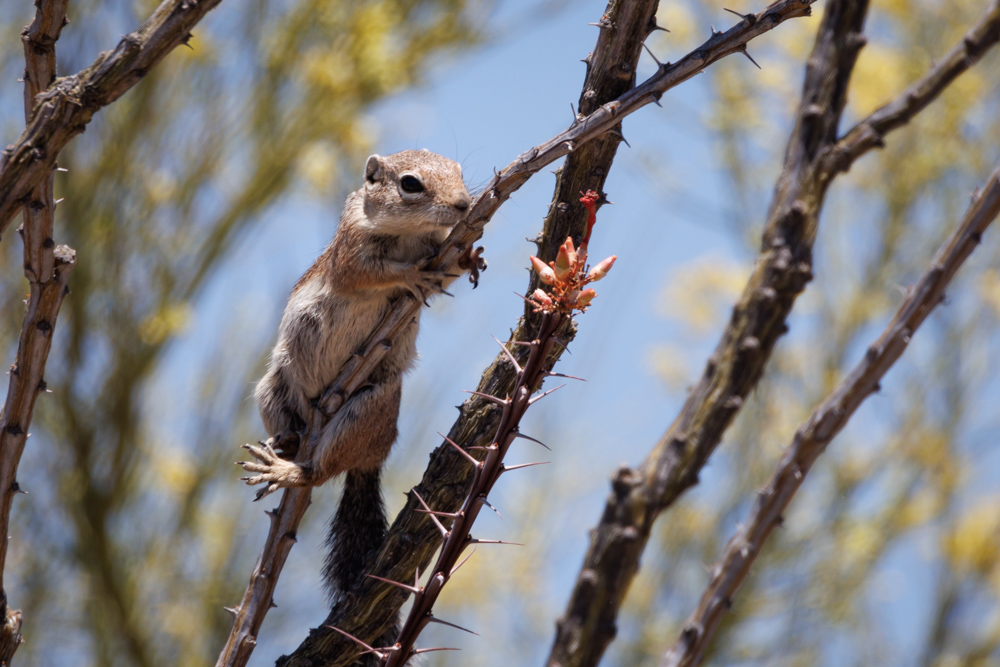
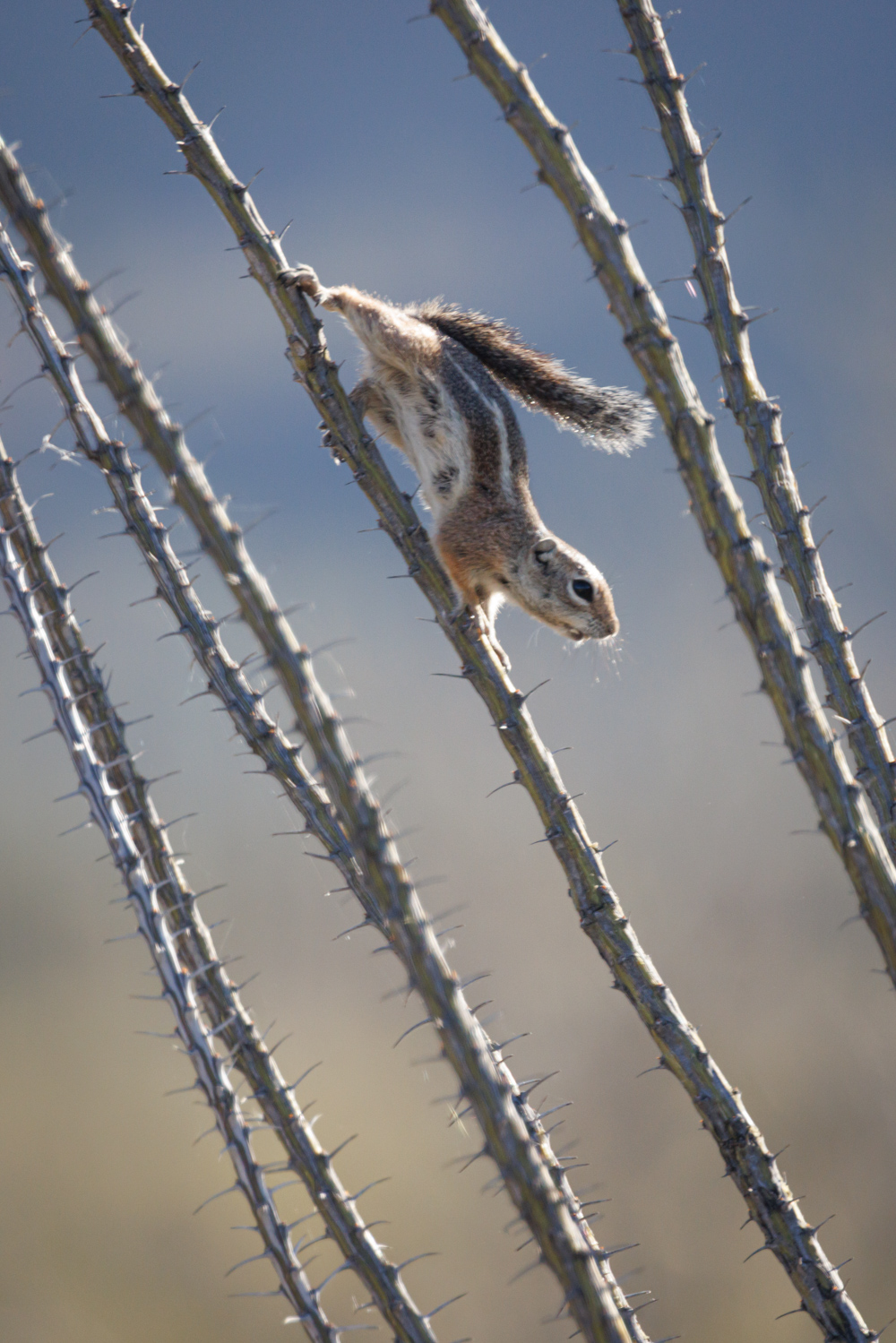
At Tucson Mountain Park we were delighted and entertained as we watched these little ground squirrel brave the ocotillo thorns just for a taste of it’s ‘candy corn’ fruit.
When we got to Cluff Ranch in Pima, AZ, we hiked in to the spot we thought we might see coatimundi, parked ourselves and hid for several hours, waiting in silence hoping for an encounter. Unfortunately, not all animal outings are productive. They work to their own schedule and don’t tend to appear on command.
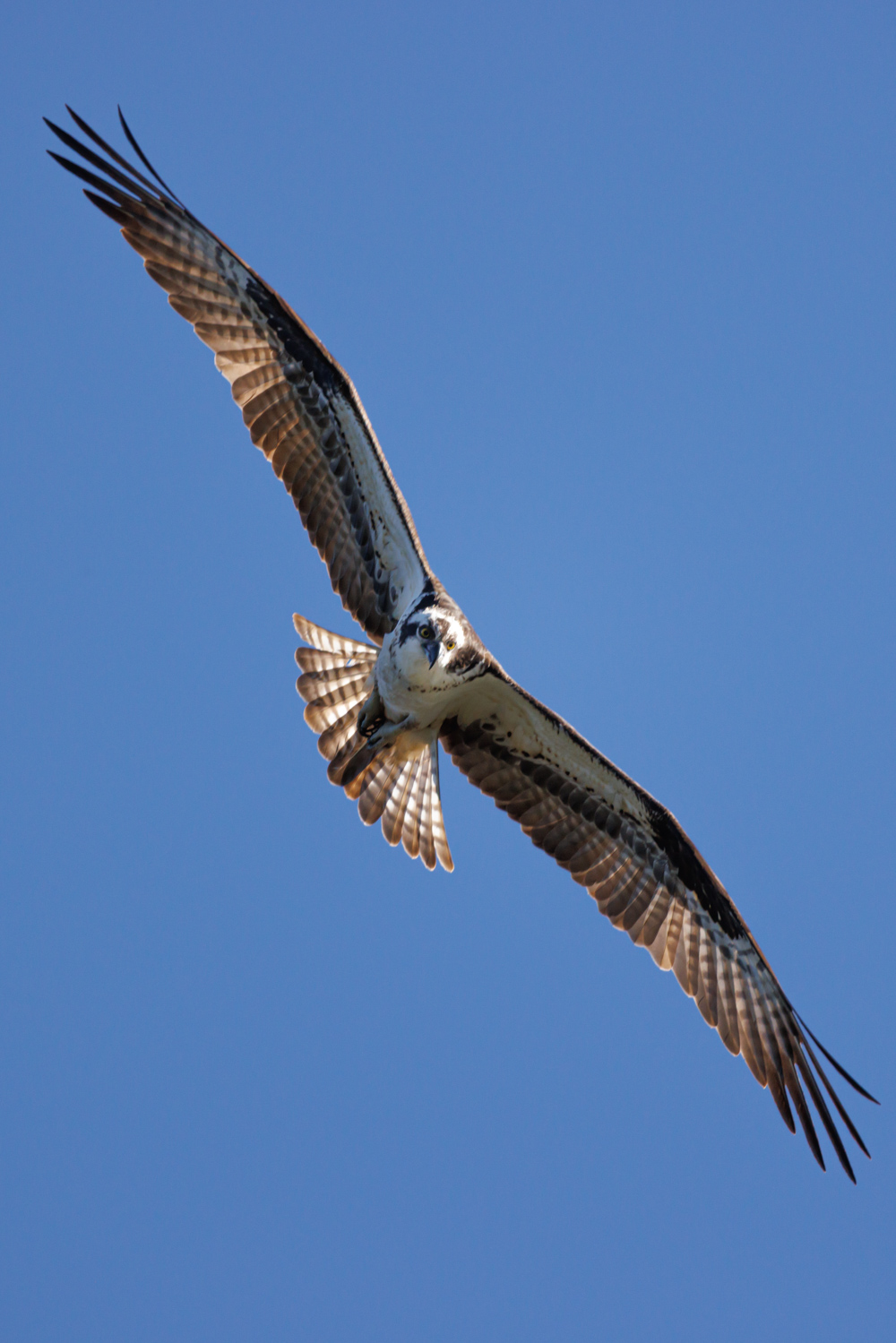
The heat was intense at 97F, particularly for us mountain dwellers, so we made our way back through Hannigan’s meadow toward Greens Peak in hopes of catching some osprey fishing.
We were rewarded with a 53F day, nearly 45 degrees from the previous day in Southern AZ, and fortunate to see some osprey, yet unable to catch that illusive shot of them fishing… but I’ll keep trying.
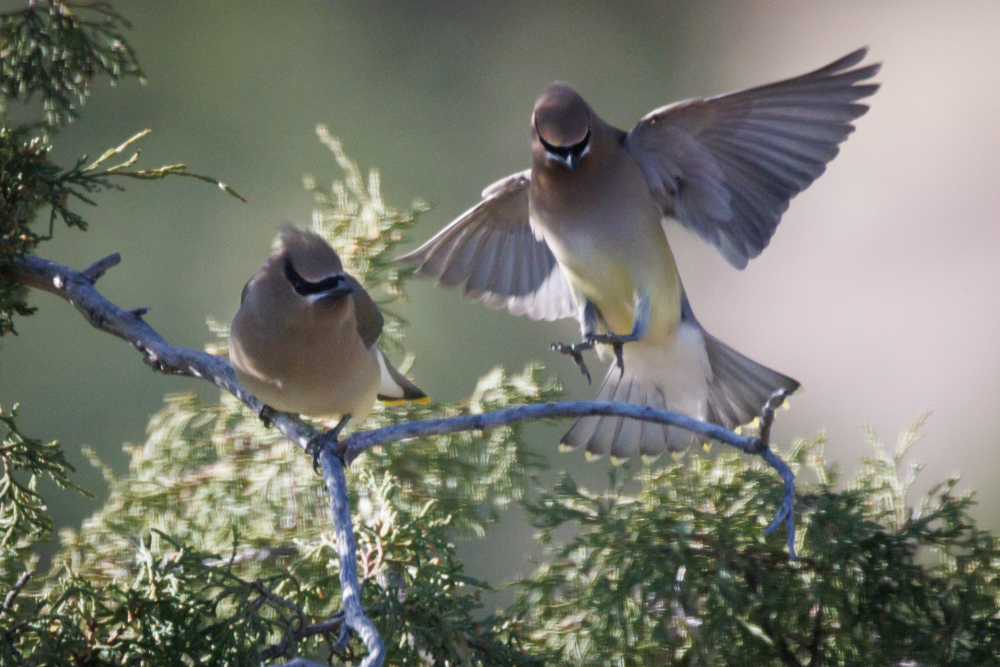
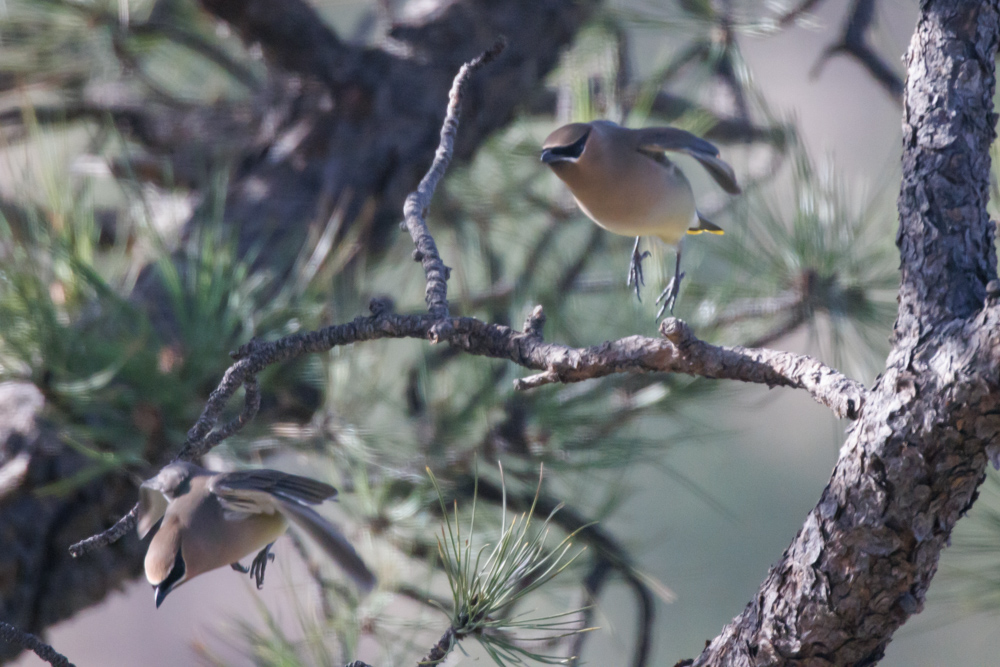
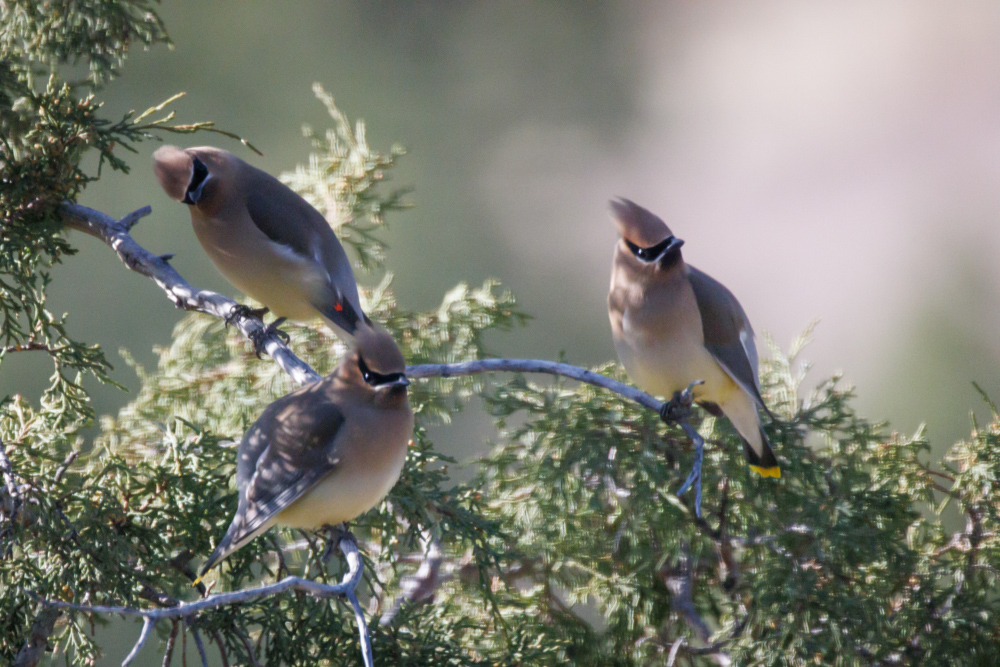
Have you ever heard of these little birds? Chances are, if you have, you are from the Northern US or Canada. They are common little birds that are very social and flock together.
They are not particularly common to Arizona, though they have been seen wintering in Sabino Canyon outside of the Tucson area. They are an easily identified bird with their tails looking like they dipped it in a yellow paint bucket, with splashes of red on their wings, a yellow belly and masked face.
I had never seen them before, so had to do a bit of research to figure out what this strange breed (to me) of bird was in our forests of Northern Arizona. Apparently they are attracted all kinds of berries, and in our case the juniper and cedar berries.
Whatever wind may have blown them in, we are happy to have them for as long as they might visit.
We planned well in advance for our trip to Toroweap Overlook, part of the North Rim Grand Canyon.
Toroweap (Tu-weep to the Paiute Indian) refers to ‘the earth’, and translates appropriately to ‘dry & barren’. It’s hard to imagine this long rough rocky 61-mile dirt road through sagebrush and salt bush can open up to something so enormous, vast, and beautiful.
As the Colorado River winds through the bottom of the canyon, the steep walls stretch out to the sky with abundant rock formations.
We got the camping permits 6 months in advance, as required, estimating that the end of March would be less crowded and have best potential for rainy weather and clouds, and not be too hot.
Truth be known, we hit the mark. We hoped for clouds and clouds we got. In fact, we got so many clouds that over the course of 3 nights and 3 days (that’s 6 sunset / sunrise shoots), we only saw the sun once.
Outside of that one time, the sun was behind a dense cloud bank and never made an appearance. And unfortunately, it never even lit up the sky.
While I was disappointed, it was a gorgeous spot to watch the sun rise over coffee, and end the evening watching it set (hoping the light would come).
I have to laugh at myself sometimes, we all should (read that how you like). When I first got into photography, oh so many years ago, I would complain when there were clouds. ‘Where’s the blue sky ?’, I would lament.
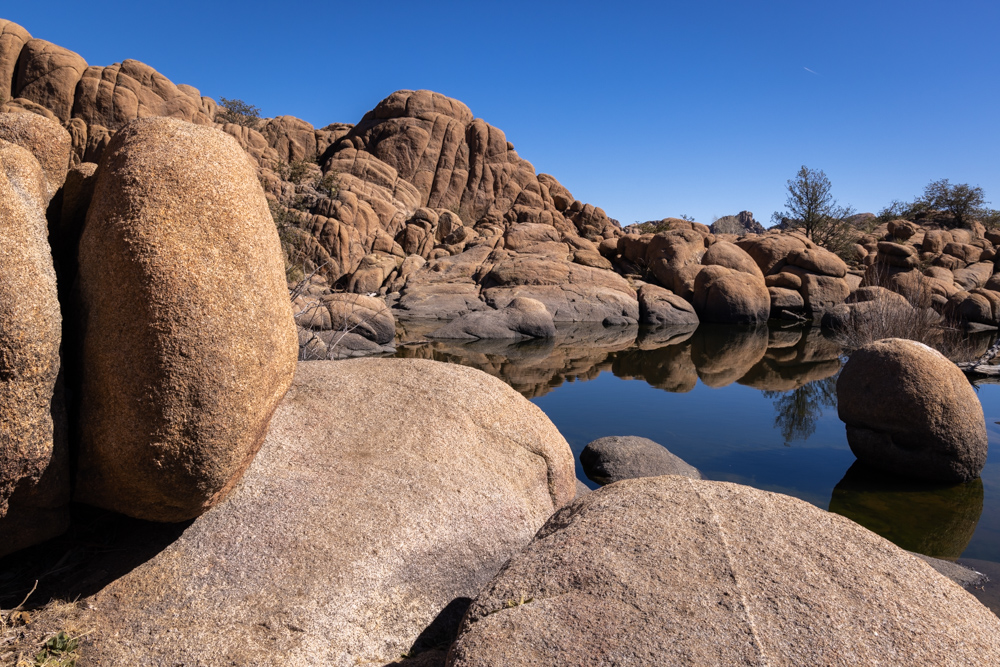
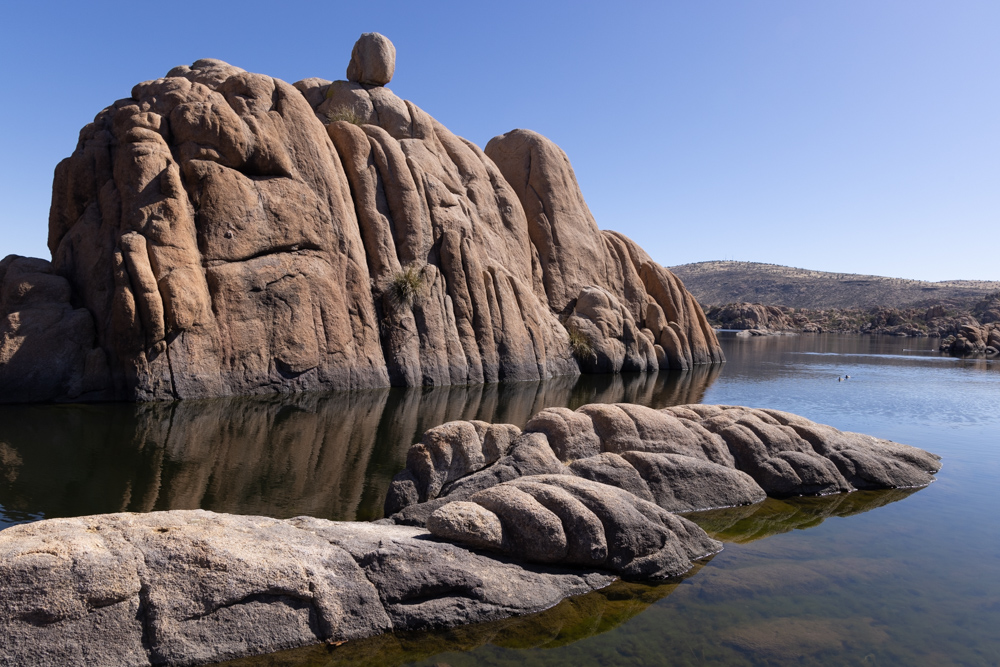
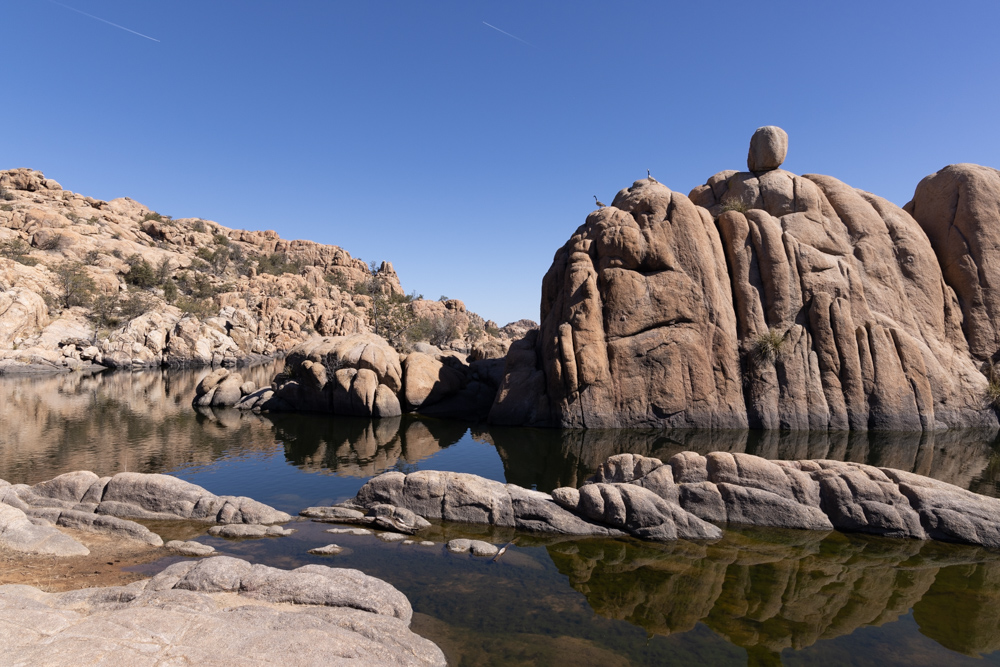
We went to Watson Lake Granite Dells in Prescott, AZ for a photo scouting trip. The sky was ablaze with blue. It really was a beautiful day, rock hopping, and taking in this magnificent place.
Because of the ‘boring’ blue sky, I had decided not to post the photos, and just go back for sunset / sunrise when there were picturesque clouds for better photographs.
In conversation with a friend however, who cocked their head when I mentioned Watson Lake, I decided I should give these photos some air time so that people could view it’s majestic beauty, even if it’s through blue sky blues.
Animals shelter when the temperature drops and the snow flys. They hunker down and protect themselves from the elements and predators seeking food sources.
So when the storm is over, we go out searching for critters coming out of hiding to gather food.
I always laugh as we bundle up to be the first ones out in the fresh fallen snow looking for animals. It seems like trying to find a needle in a haystack, but we are more lucky than not, and often find a number of wildlife, and even manage to get their picture (though not always).
… and luck is the apropos sentiment, as we leave our home and debate, ‘which direction should we go today’?
I admit to being very fortunate when we go out, but we also go out a lot, are prepared for what we might encounter, and tenacious enough to keep trying even if we aren’t successful the first time. They say, fortune favors the bold, in our case it favors the tenacious photographer.
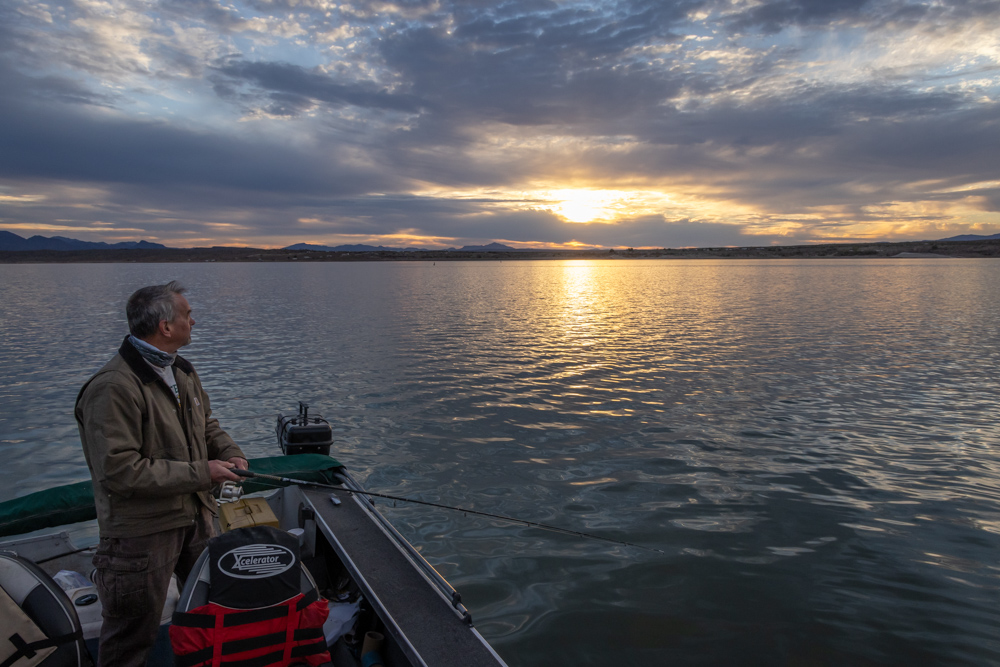
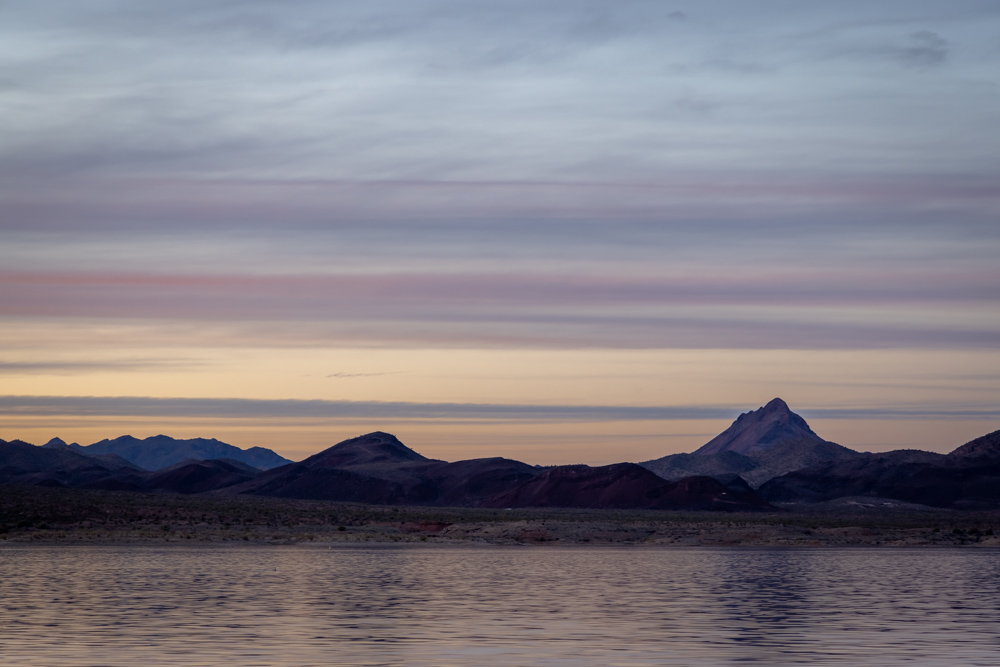
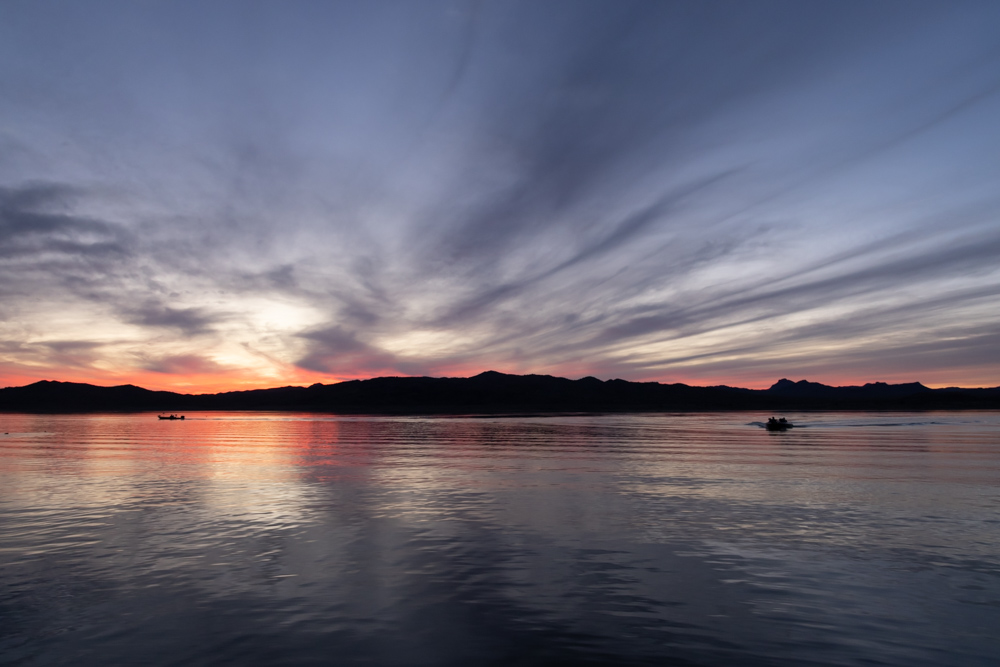
It was my first time at Alamo Lake. I wasn’t sure what to expect. There isn’t much there but a campground and a lake. We brought the boat and figured we’d get some fish and some photographs.
While we didn’t get any fish, we got more than we bargained for when we saw a number of interesting, and unexpected wildlife.
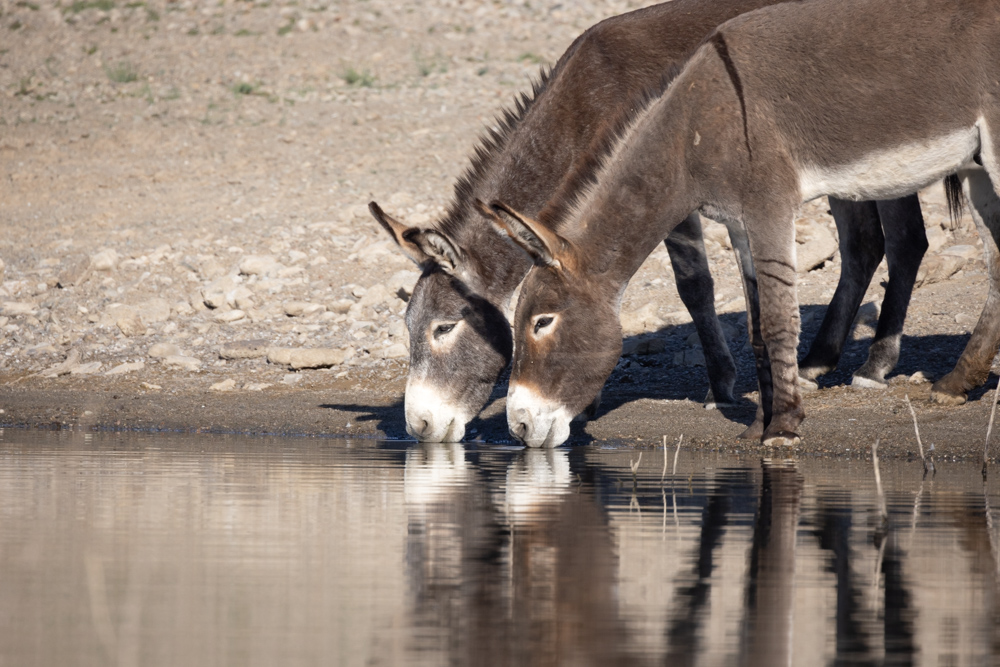
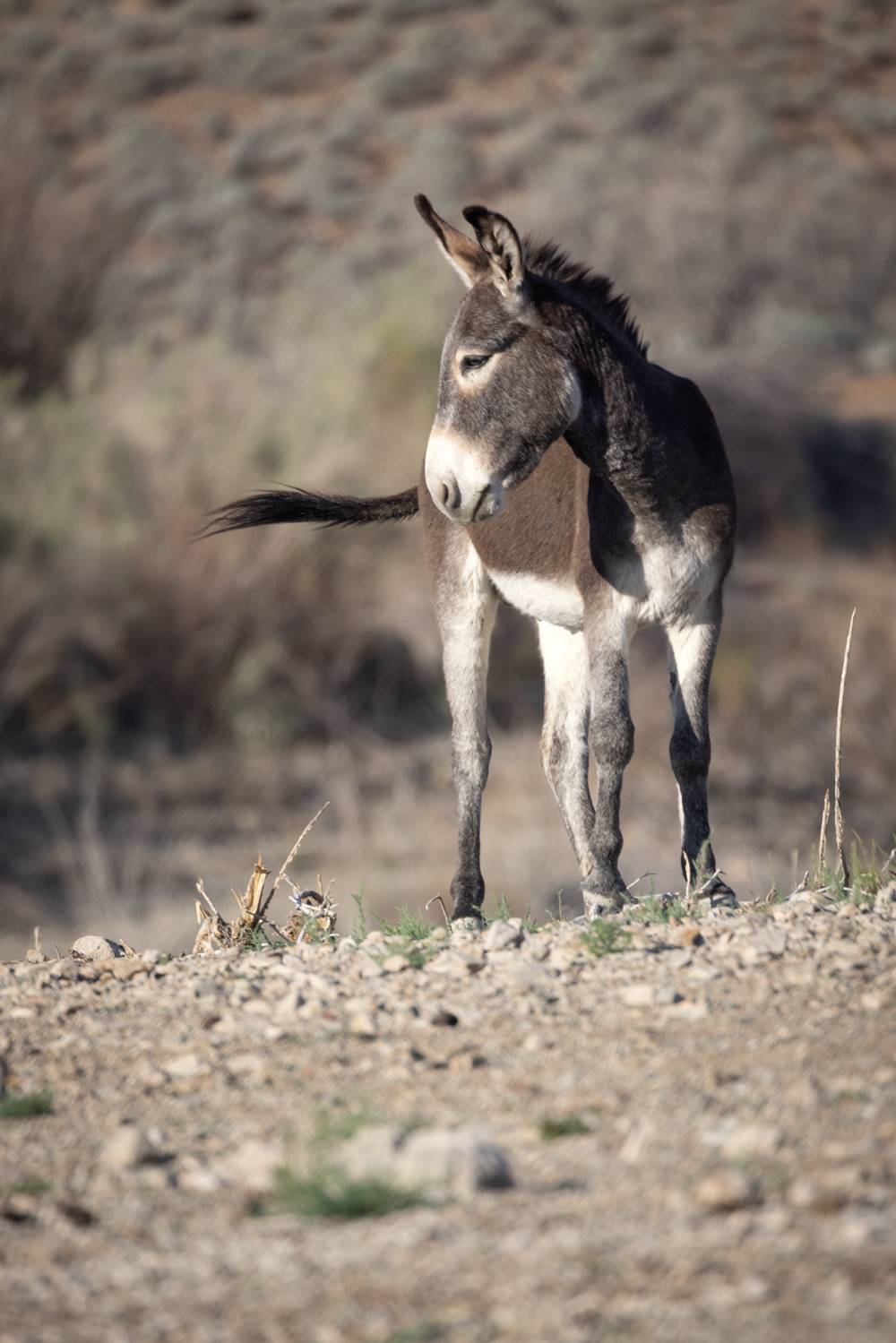
We saw wild burro’s, very likely decedents of the Spaniards in the 1600’s or AZ miners, wandering the hills and coming down for water.
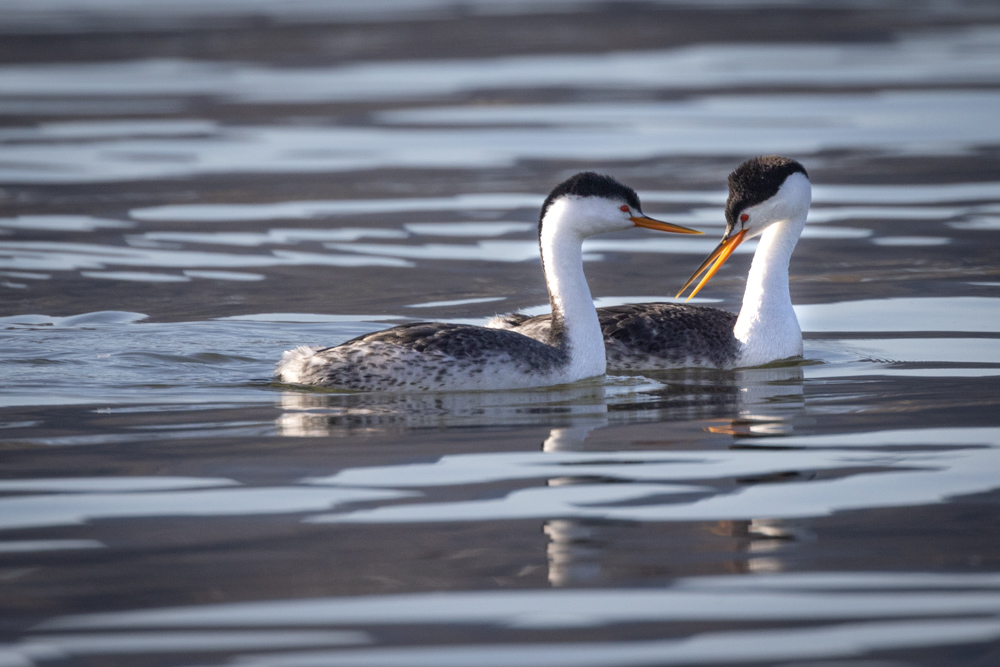
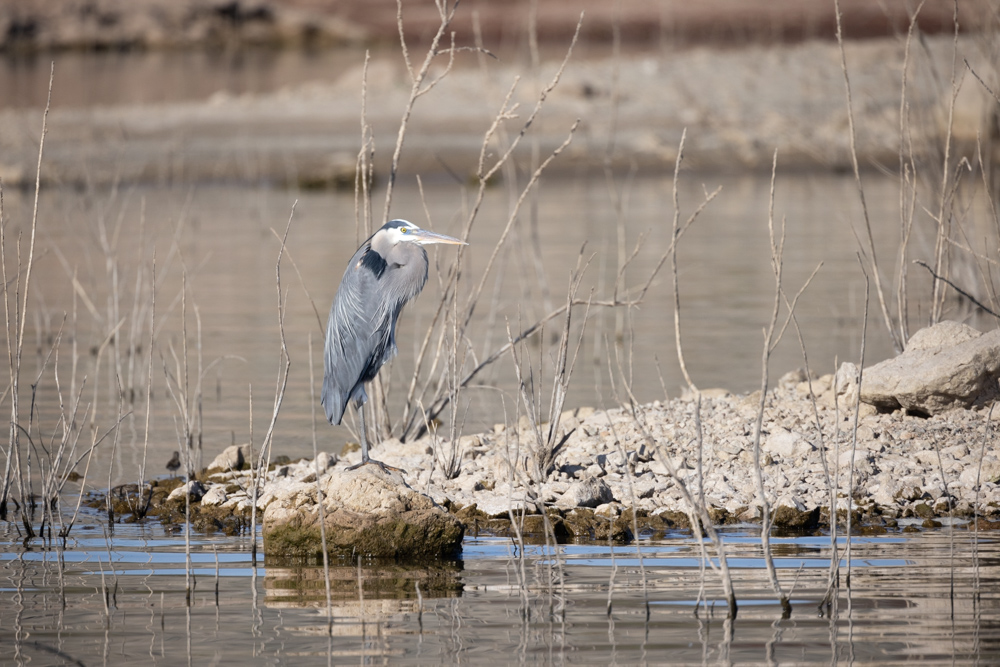
We saw grebes and blue heron…
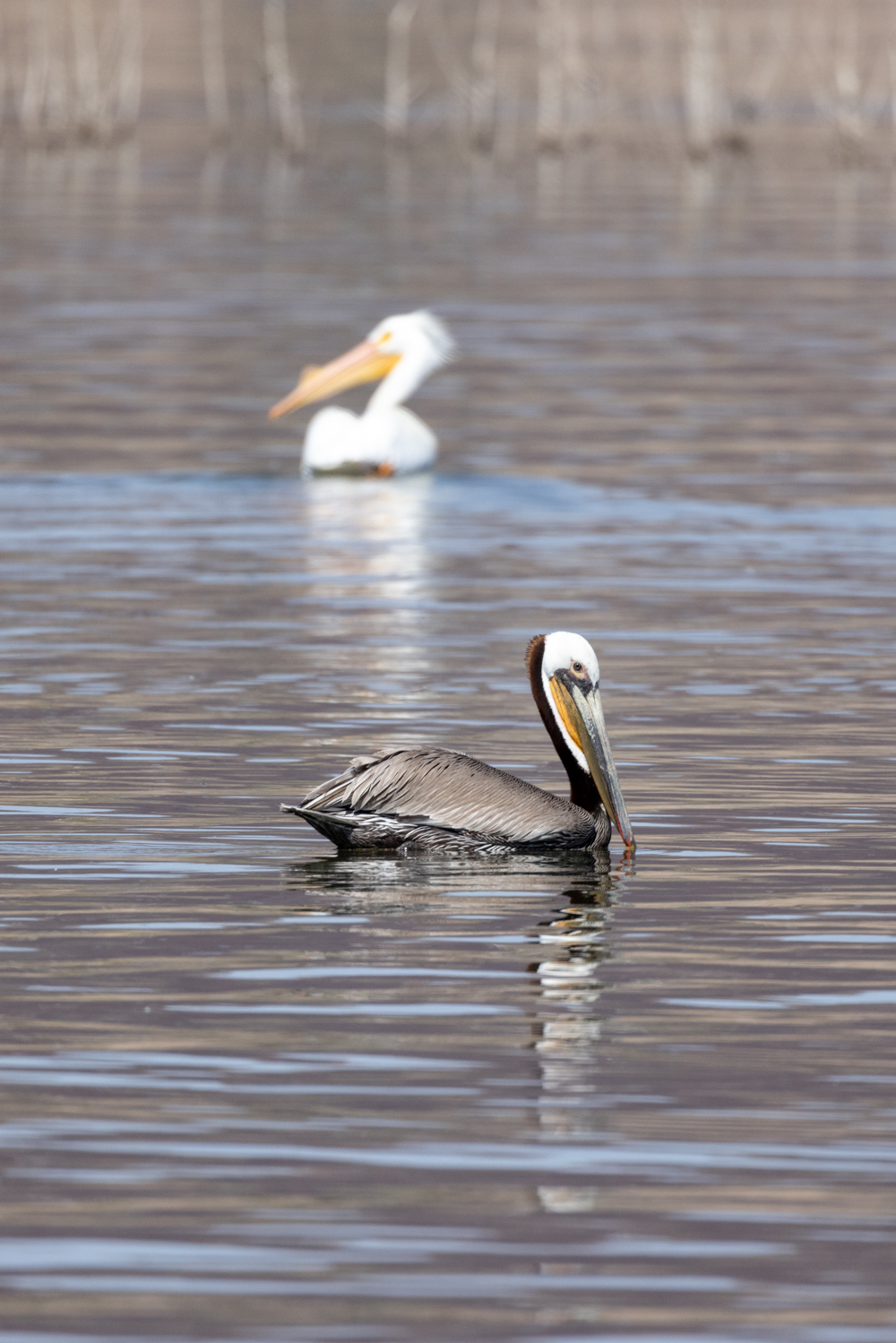
.. and were surprised to find white, and brown, pelican.
As it turns out we got more than we expected, and were delightfully surprised.
Photography is like golf, or any sport or hobby for that matter. You know, when you get that really great drive, perfect putt, or if you’re so lucky the coveted hole-in-one. It’s euphoric, and keeps you coming back for more.
That’s how I feel when I get that great shot. We go out every time it snows, looking for animals, hoping for that great encounter to capture.
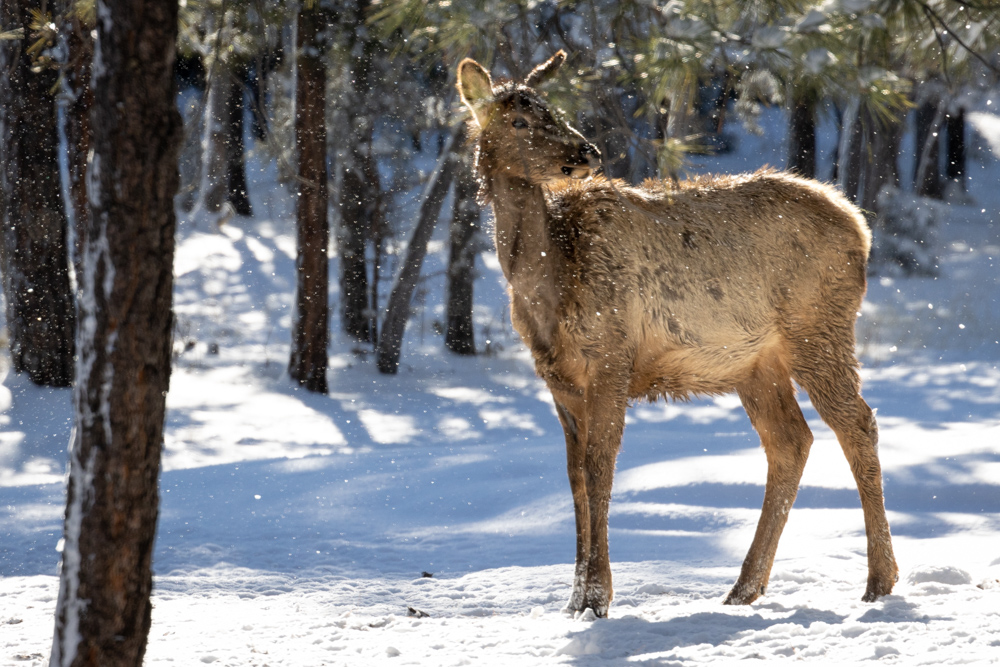
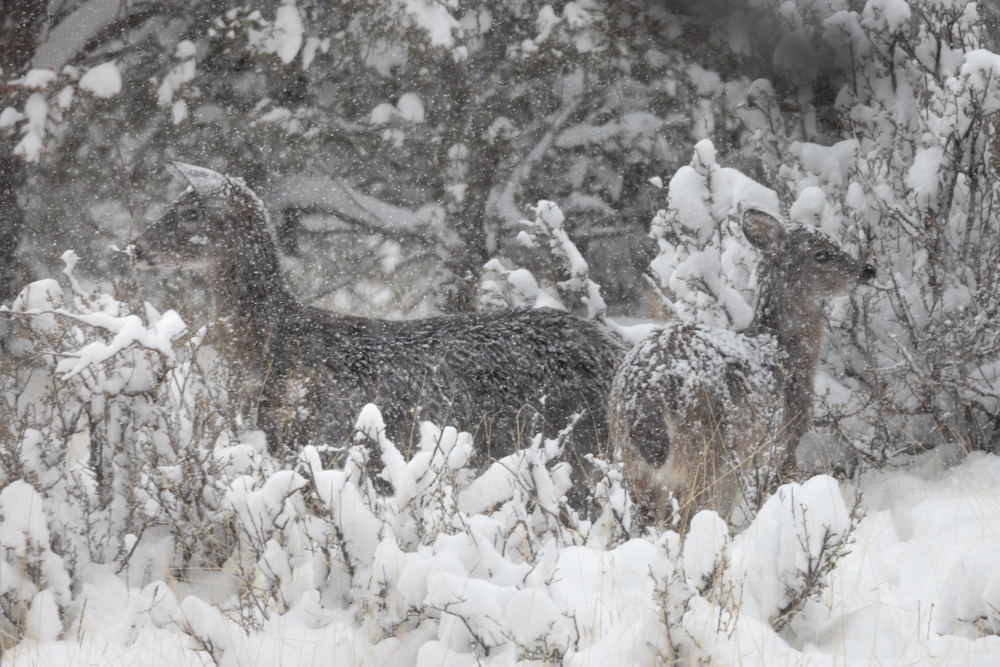
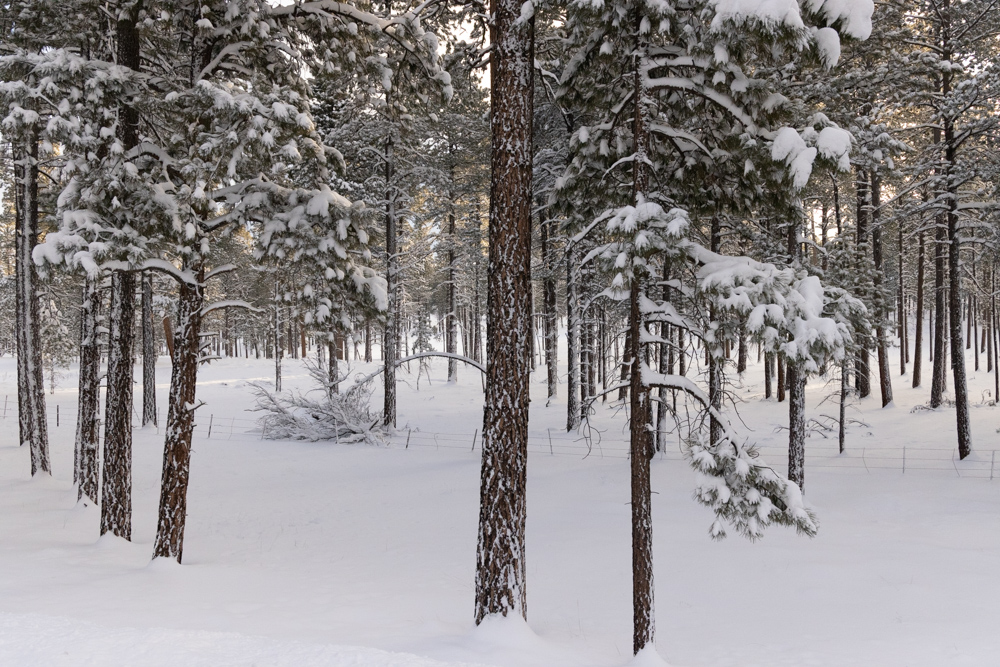
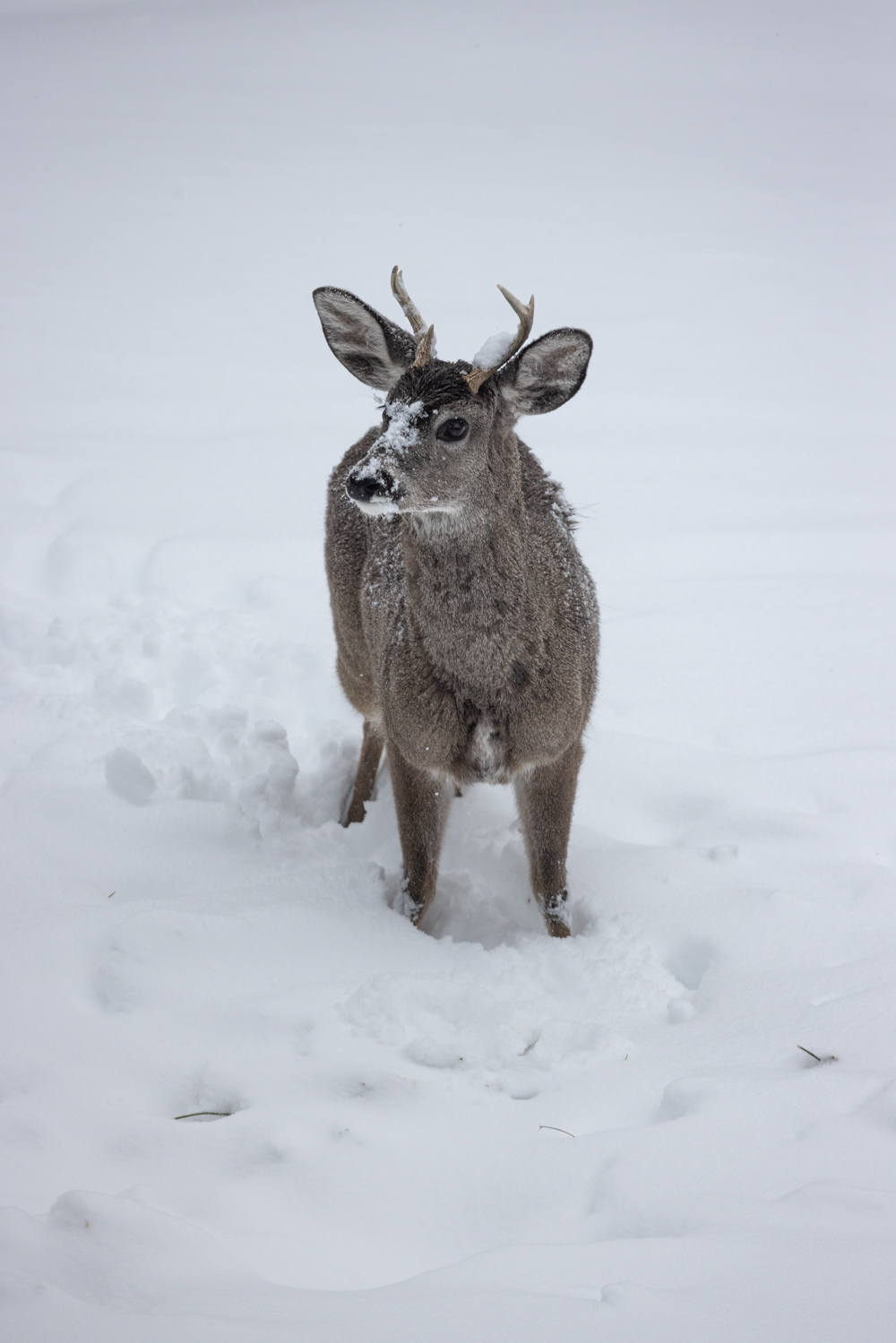
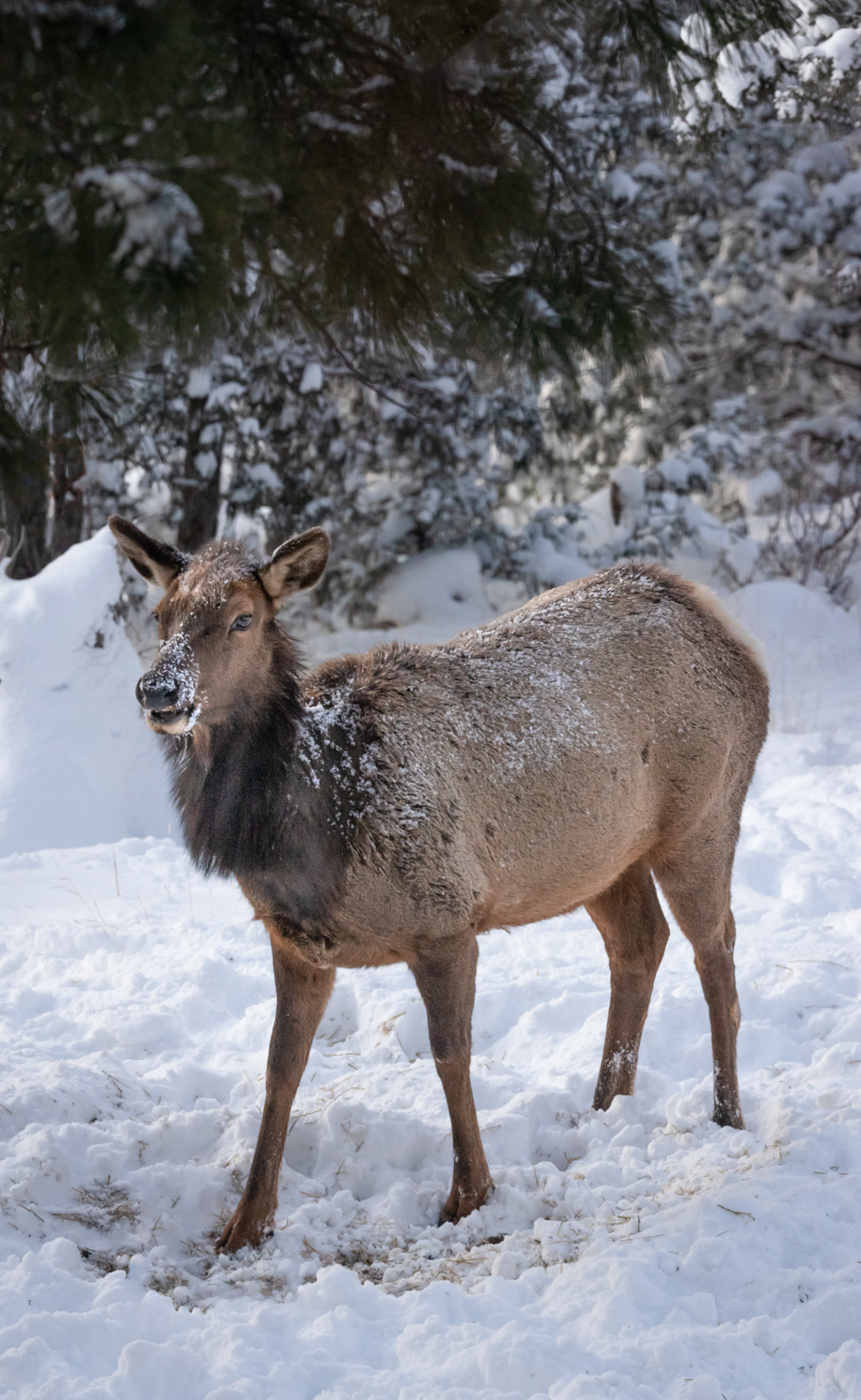
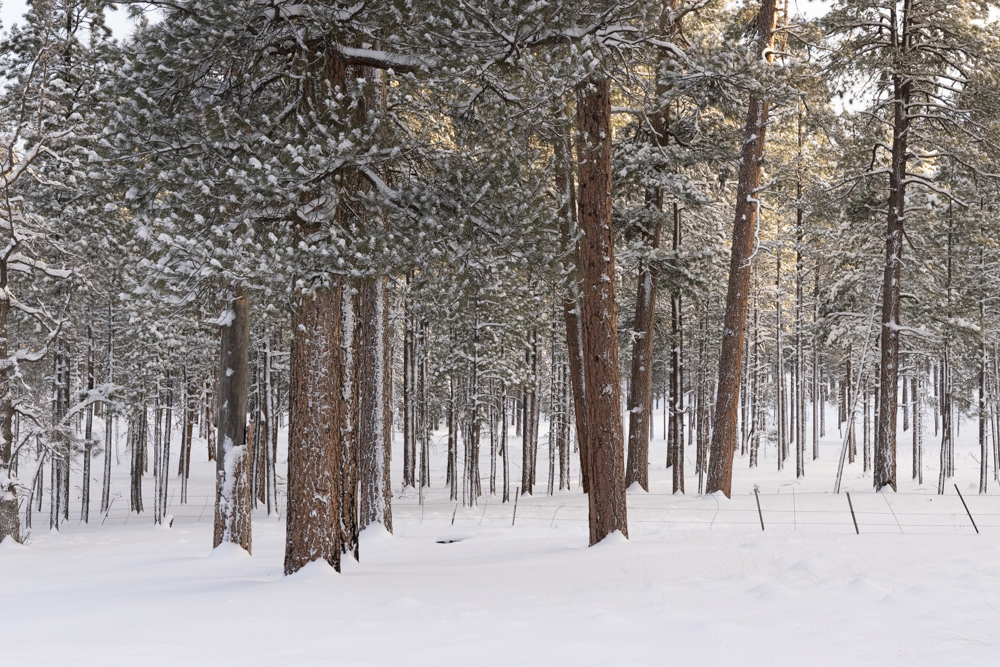
With over 2′ of snow, we were hopeful that the ‘day after’ would bring the animals out foraging for food. We even saw a fleeting bobcat, but alas, didn’t get a photo. Darn!
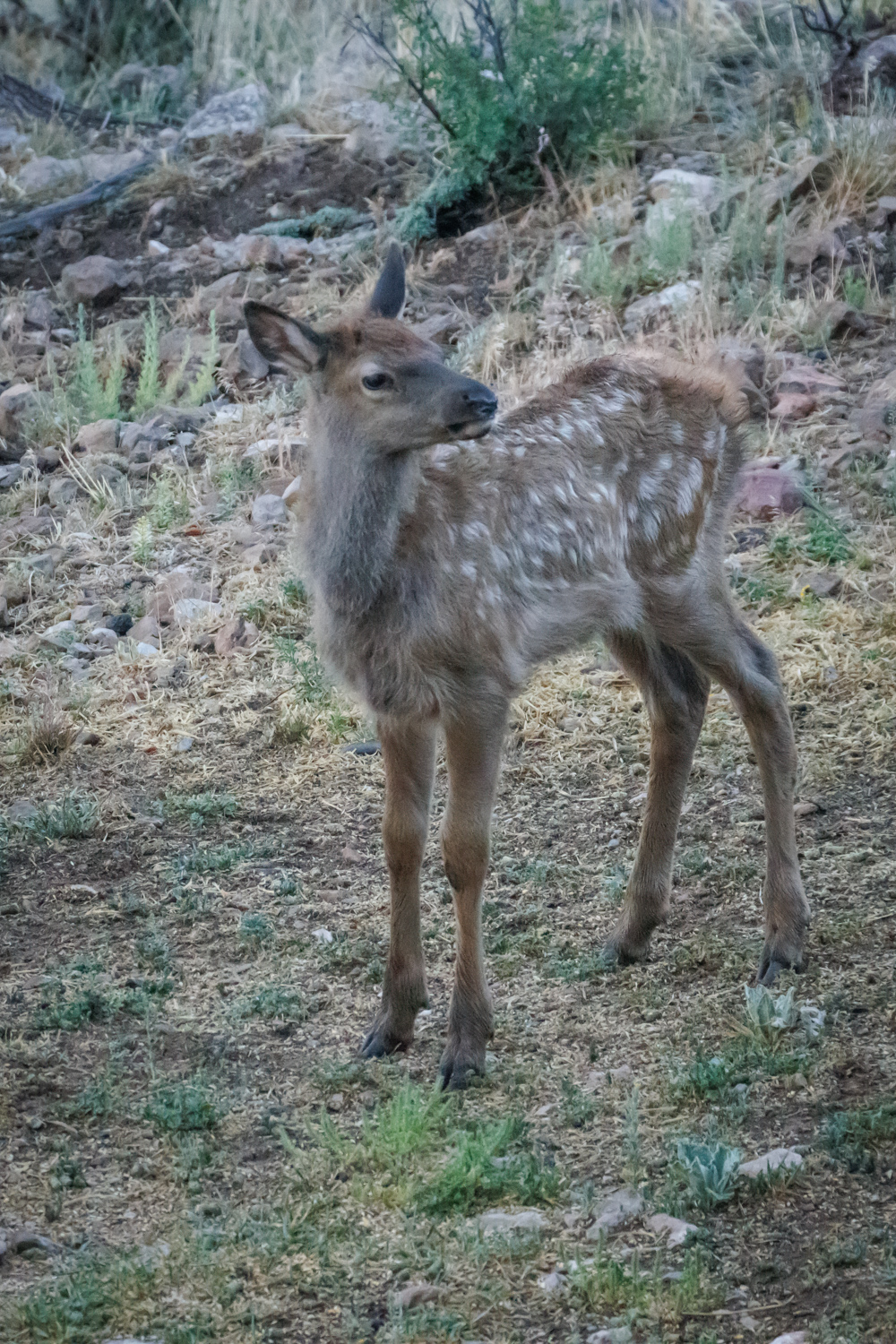
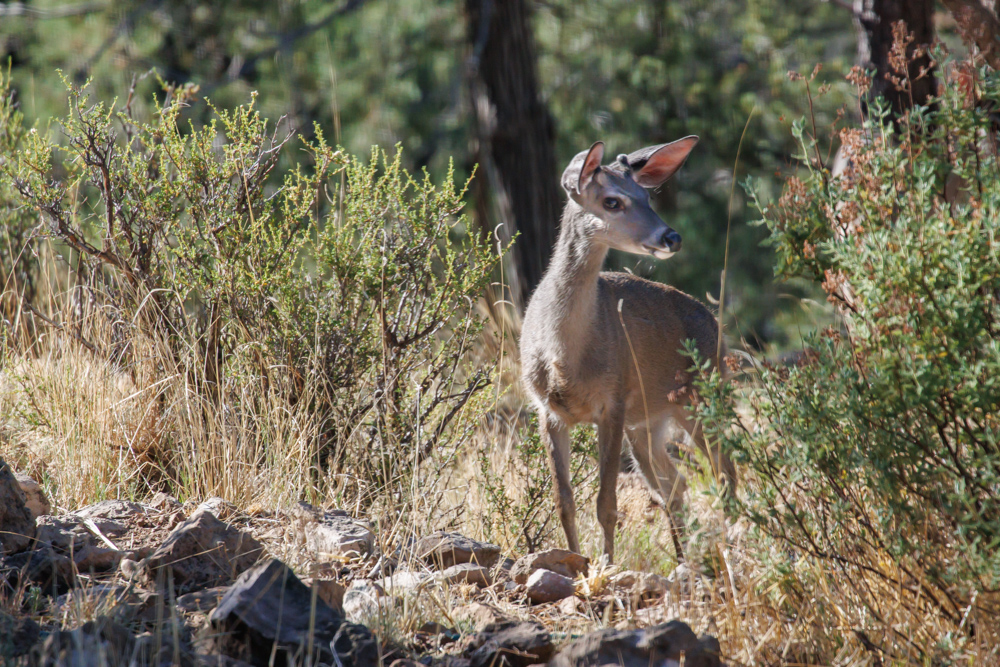
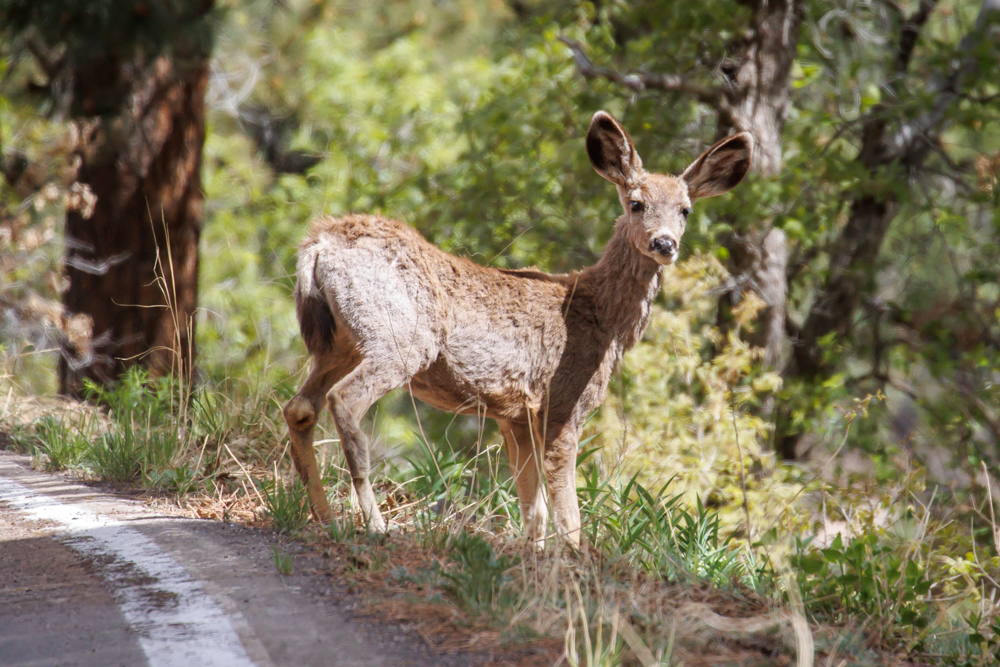
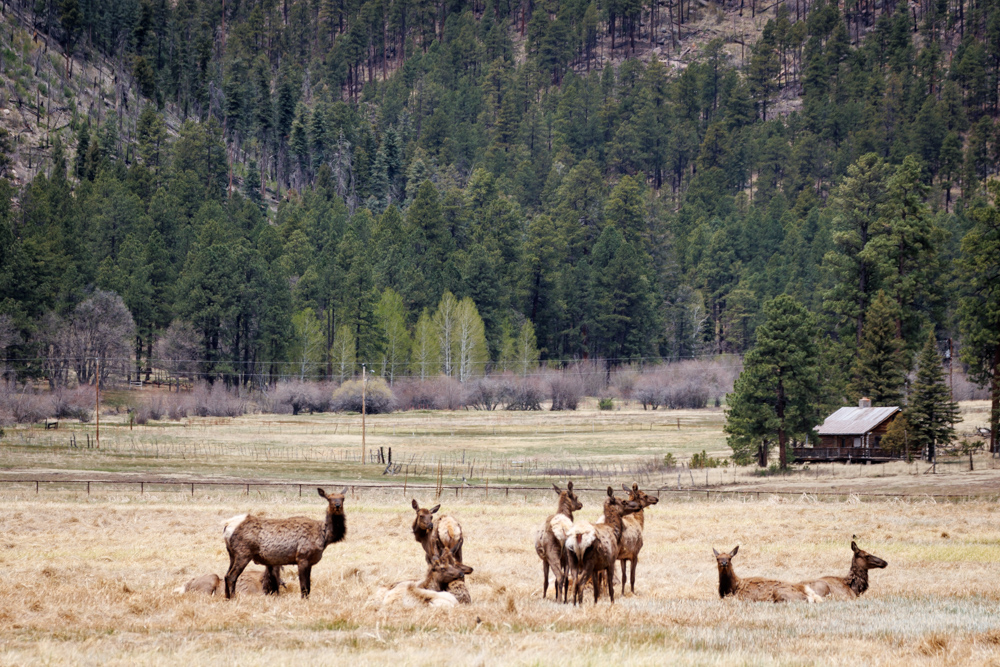
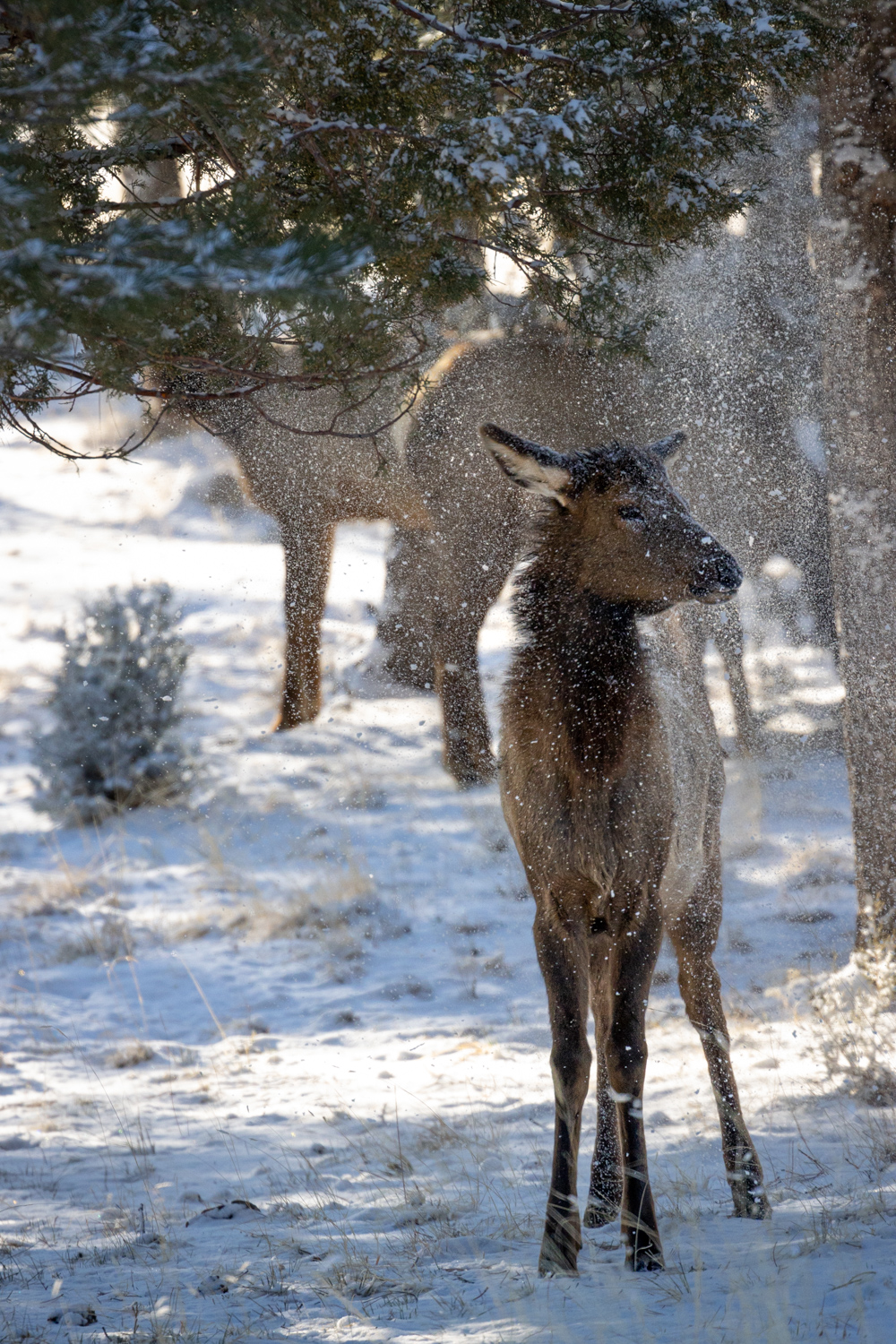
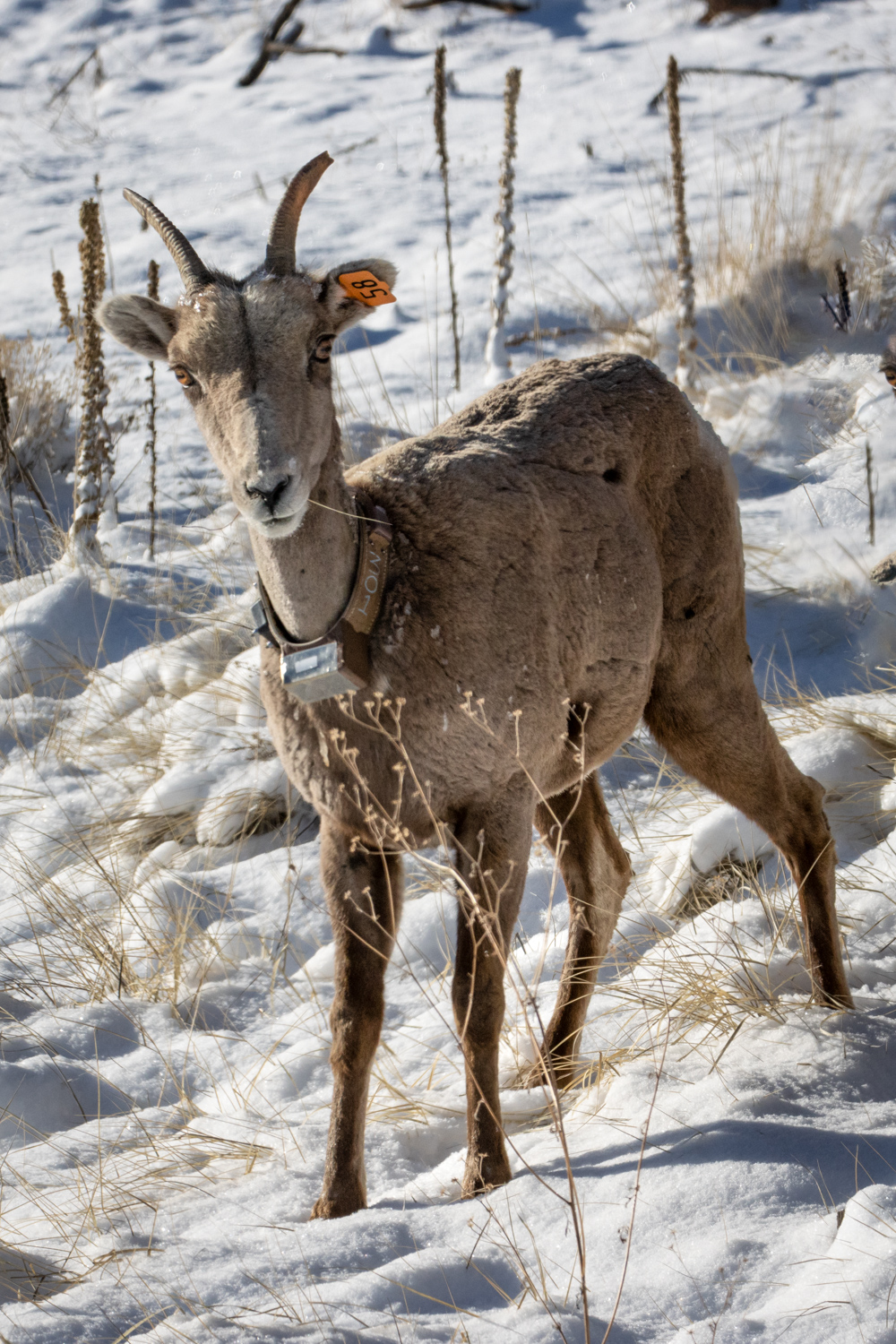
But we did manage to see elk and deer. It makes me want to go out again! Bring on more snow.



































 kritterspix