Always Learning

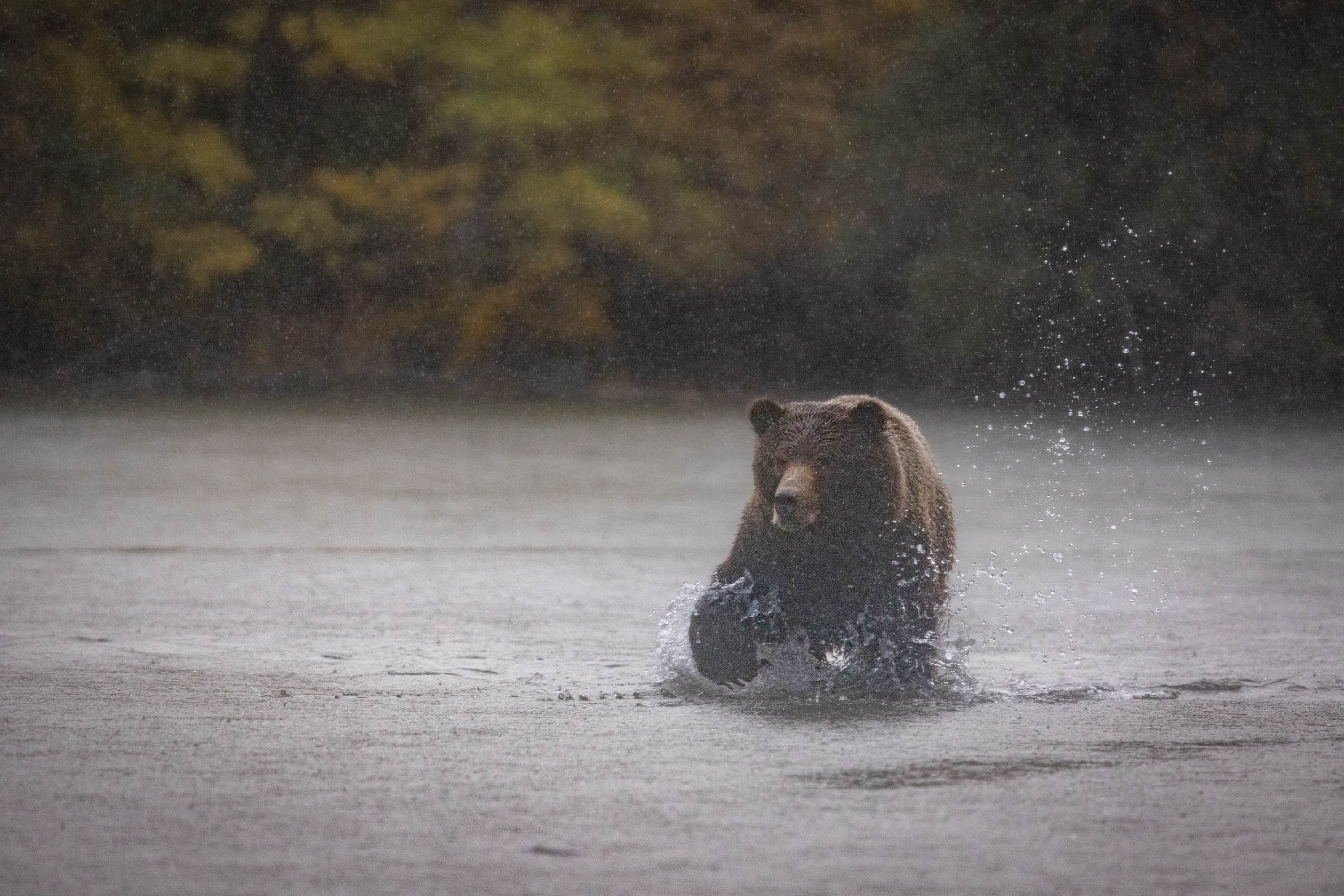
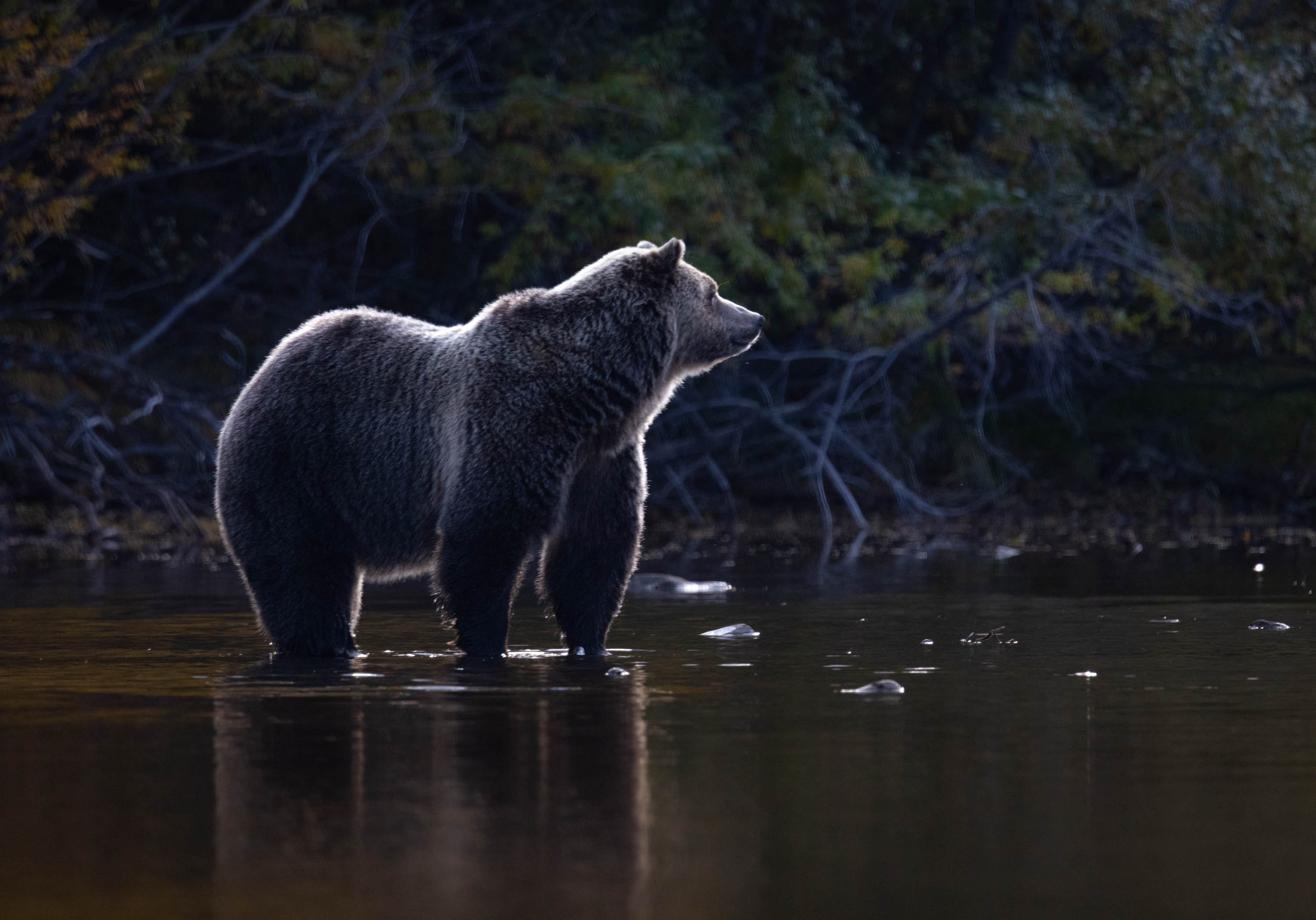
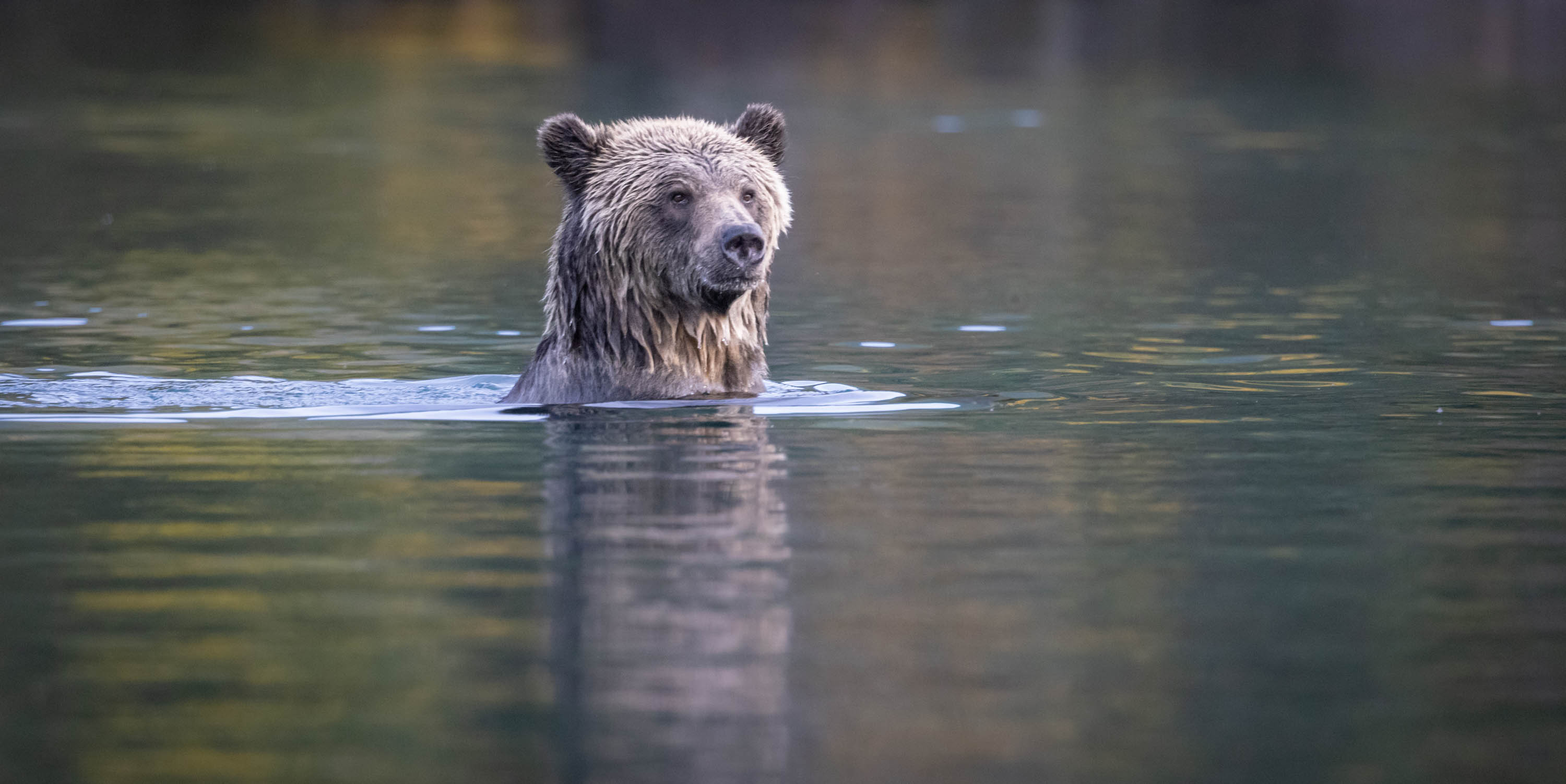
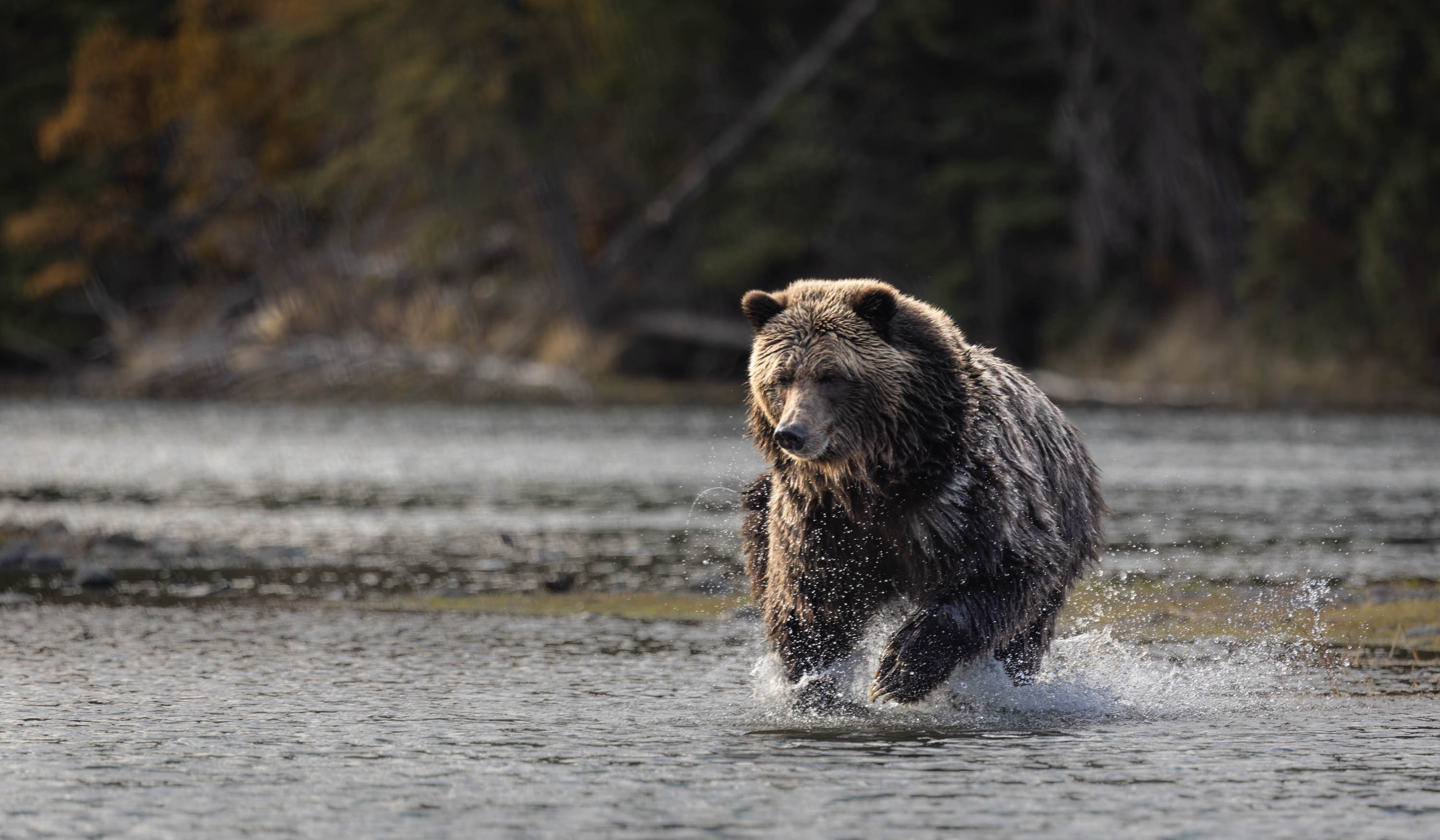
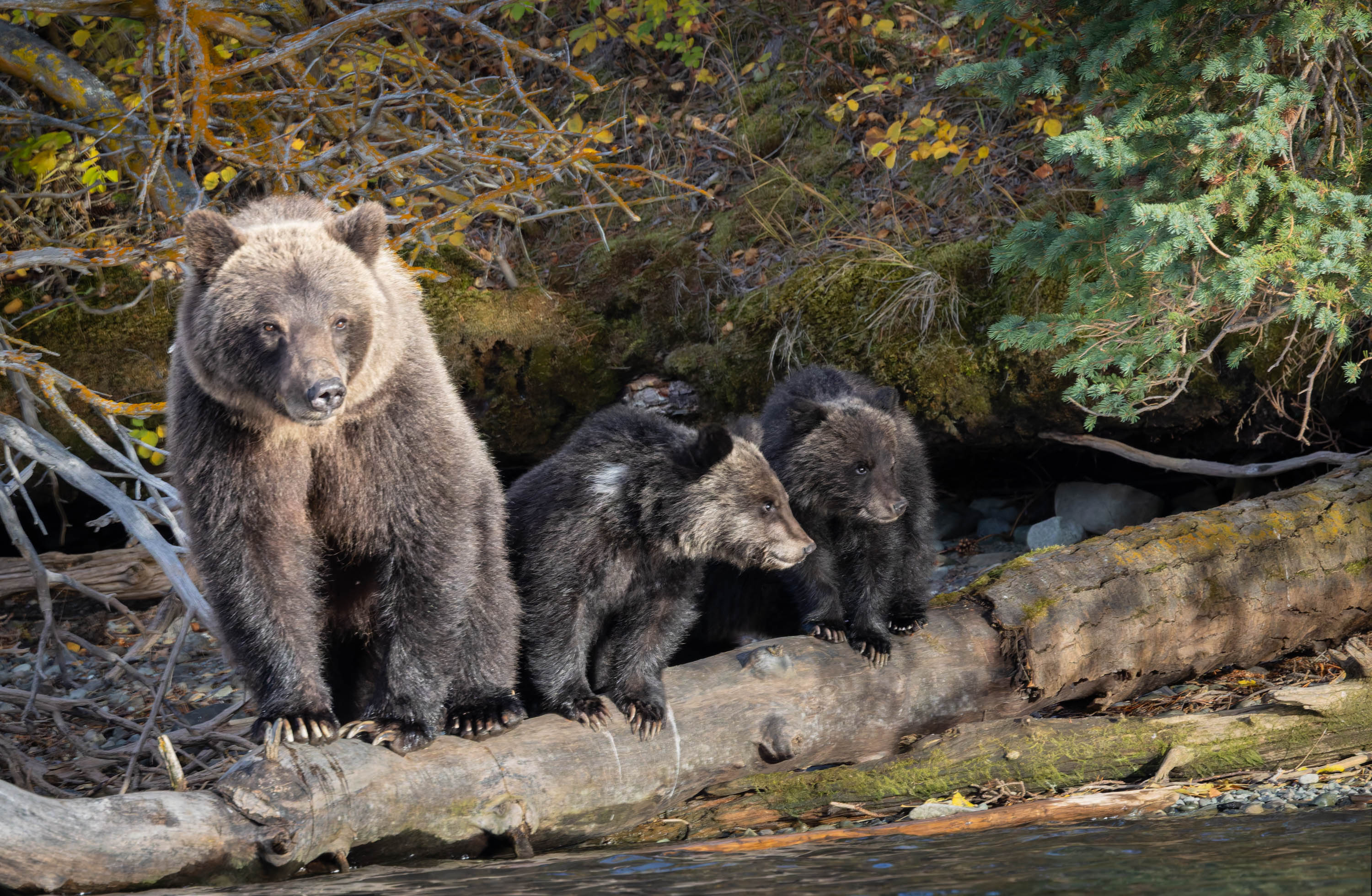
We just got back from a great Grizzly bear trip, and the best part was, aside from the grizzlies themselves, was the people we met. In particular, we met a kind and generous photographer, Mike, who was open to my incessant questions and a wonderful, patient teacher.

It was not only a great refresher of some things I have tried to embrace, but also of new tricks and techniques I had yet to learn.
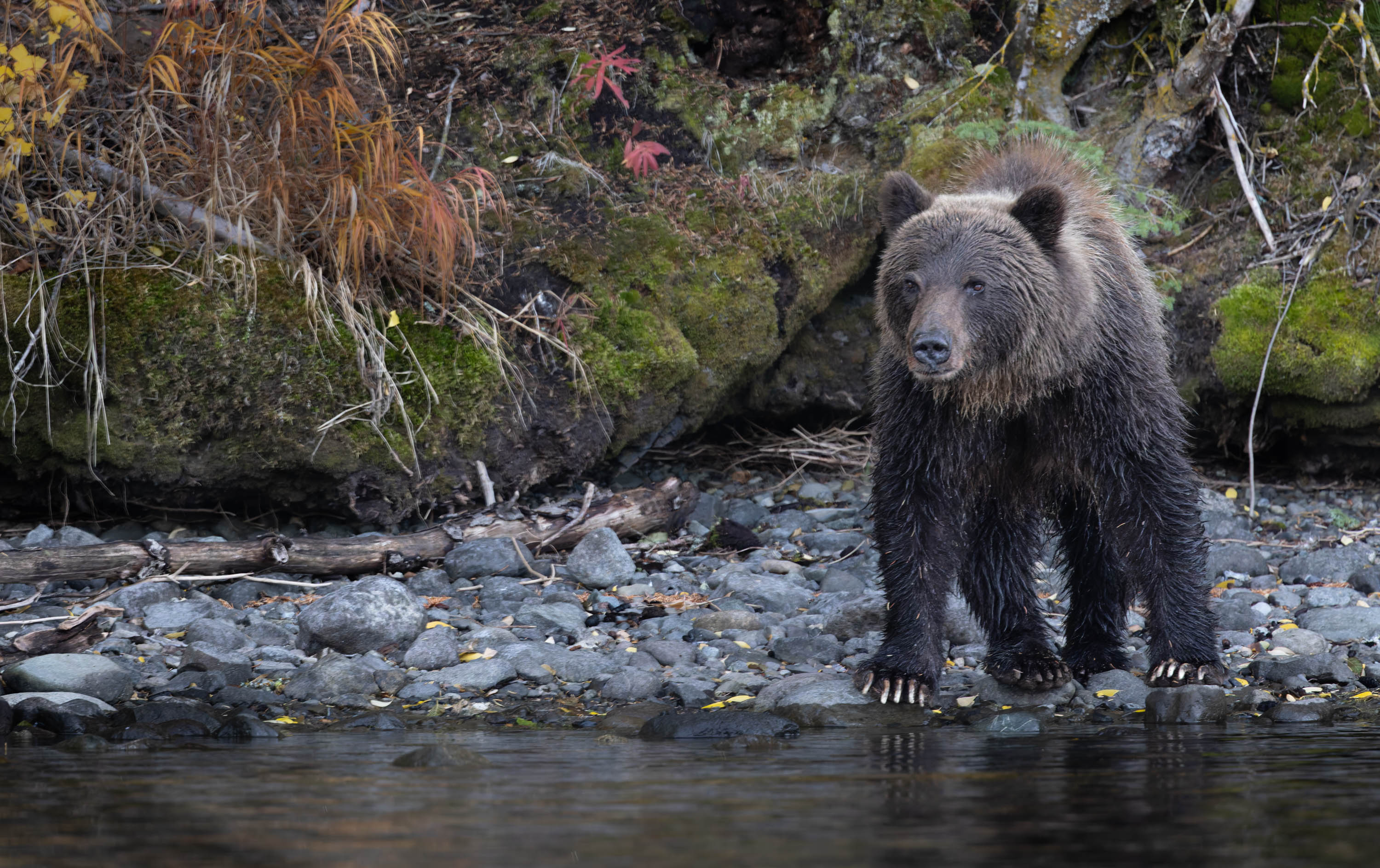
I am fond of the close-up / fill-the-frame wildlife portrait, and Mike reminded me, that while a portrait has it’s place, including some of the atmosphere and environment the animal lives in makes for a more compelling photograph.

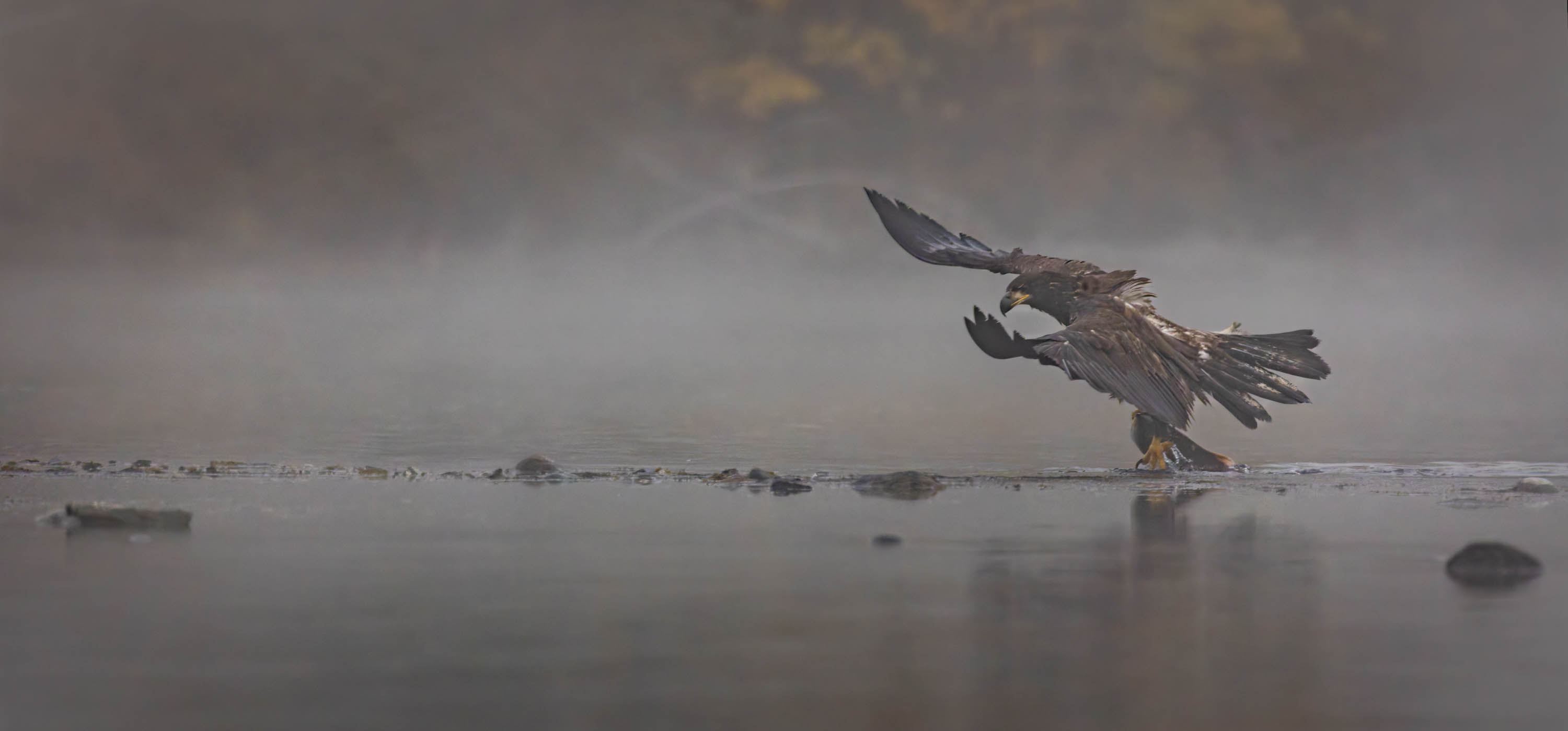
While the foggy and raining days were interesting and added a lot of character and moodiness to the scene, they can also be difficult to get sharp images through the haze.
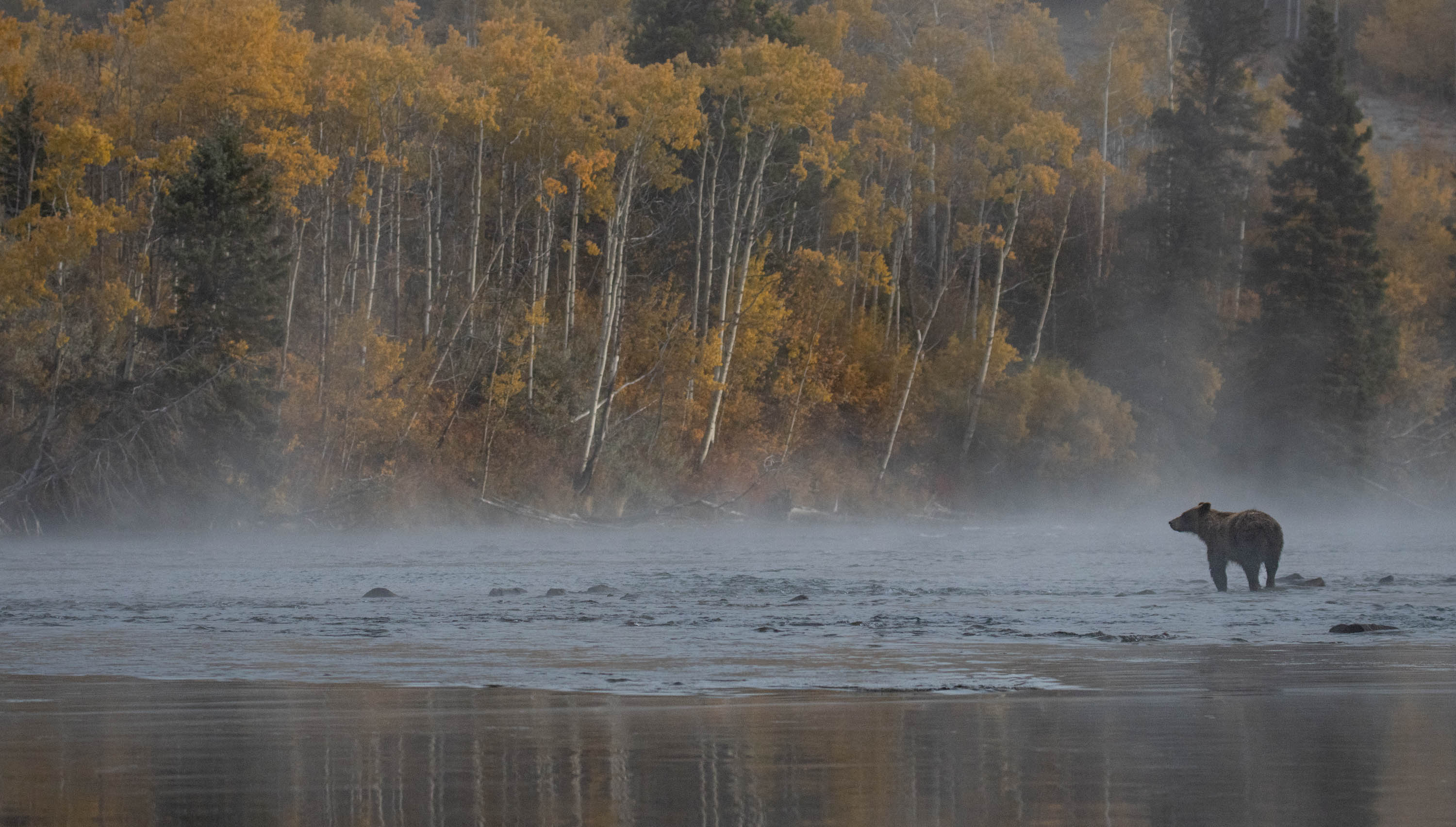
In bright high contrast lighting situations, I learned to try rim light shots by stopping down my exposure to compensate for the harsh highlights.

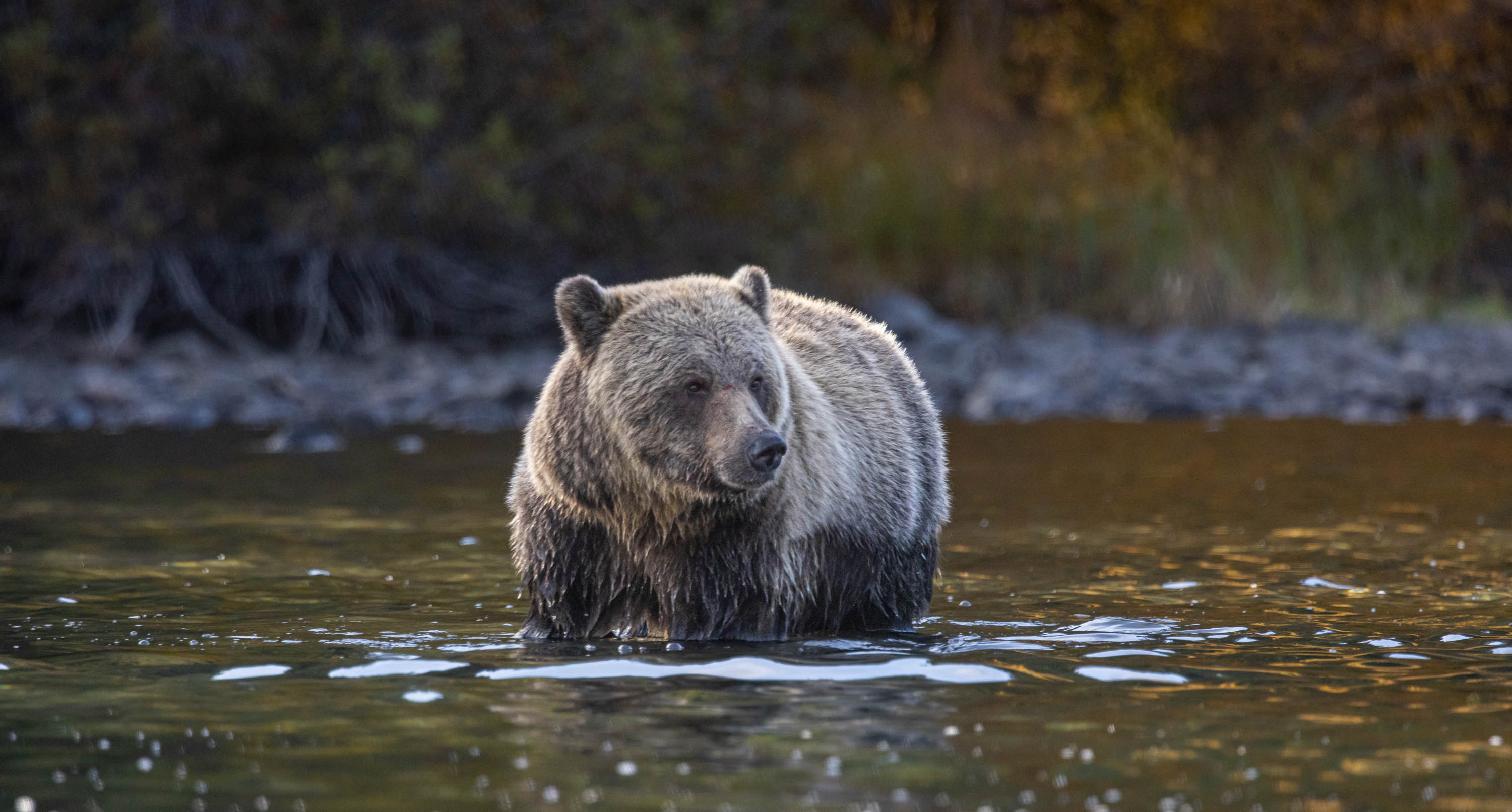
Getting low to the ground allows one to take advantage of the reflections on the water, and bring the photograph eye level with the animal.

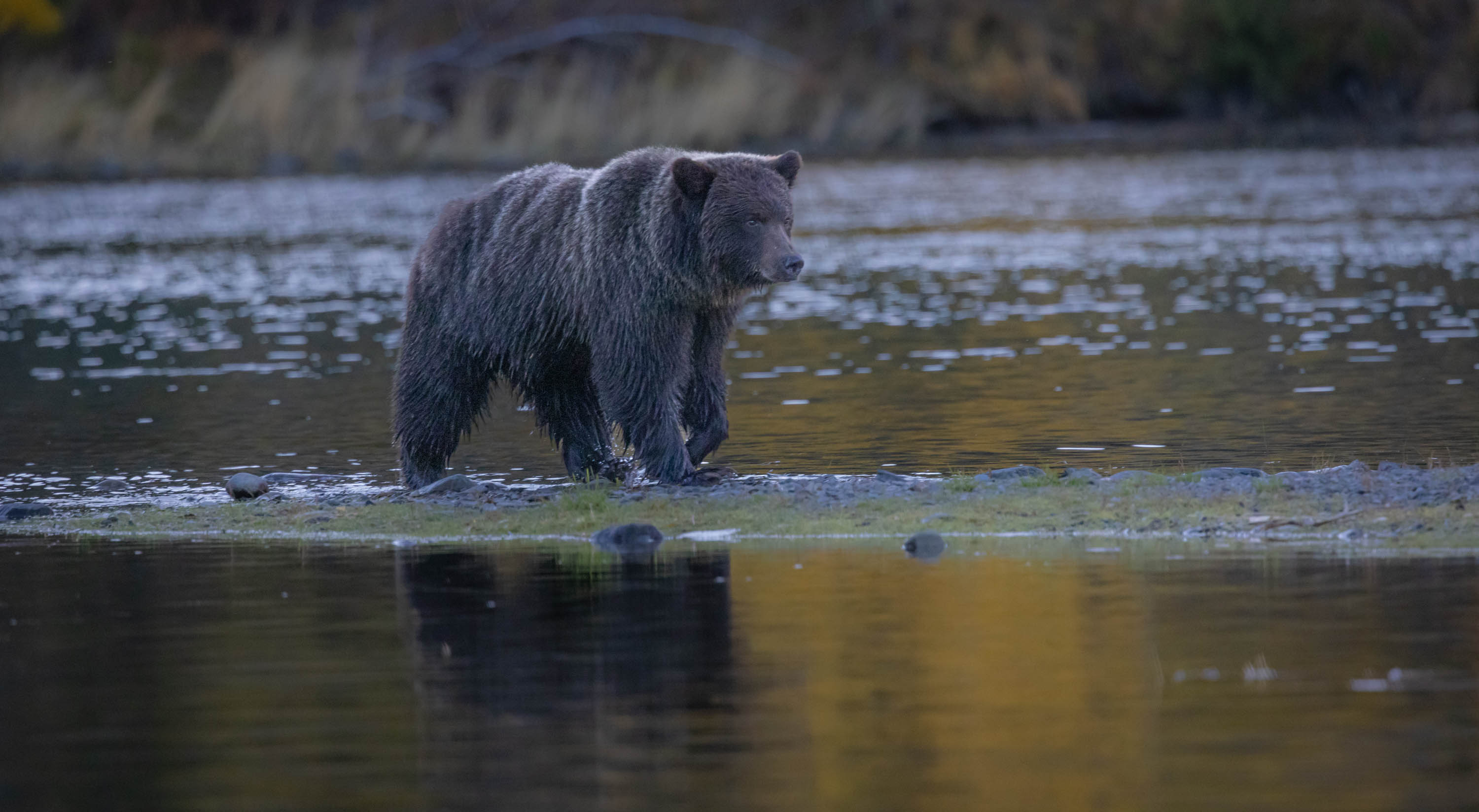
Action makes for compelling photographs, but it should be of the face with the animal coming toward you, not butt pix of the animal running away.

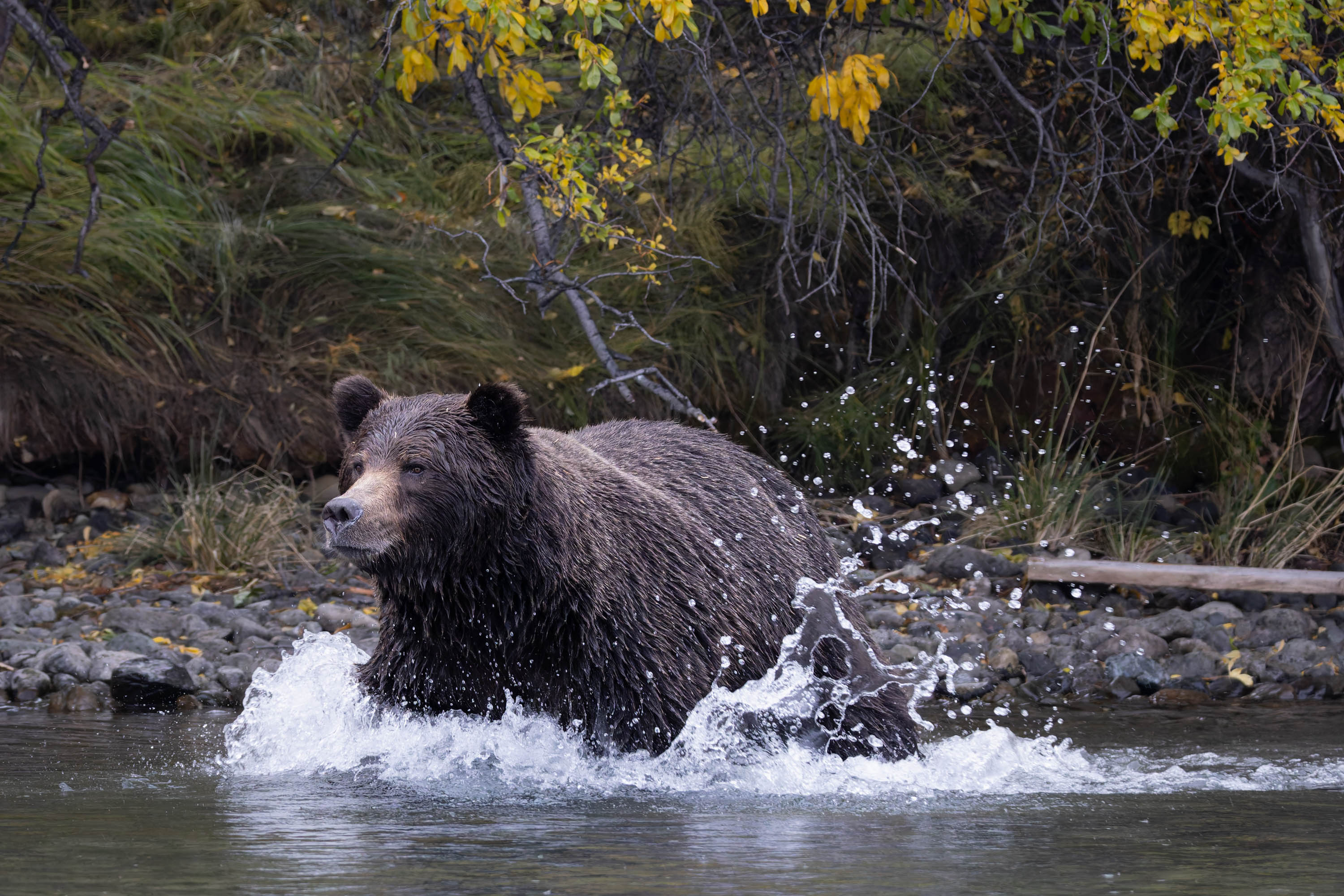
Capturing personality and gesture are key to a more successful image.

For birds in flight shutter speeds of 1/3200 sec are best. Sadly, I only got foggy golden eyes and eagle.

A blue sky makes for a terribly boring background, made so much more interesting by landscape.

Probably the most important lesson was that there is just no substitute for great light, where your subject is well lit.
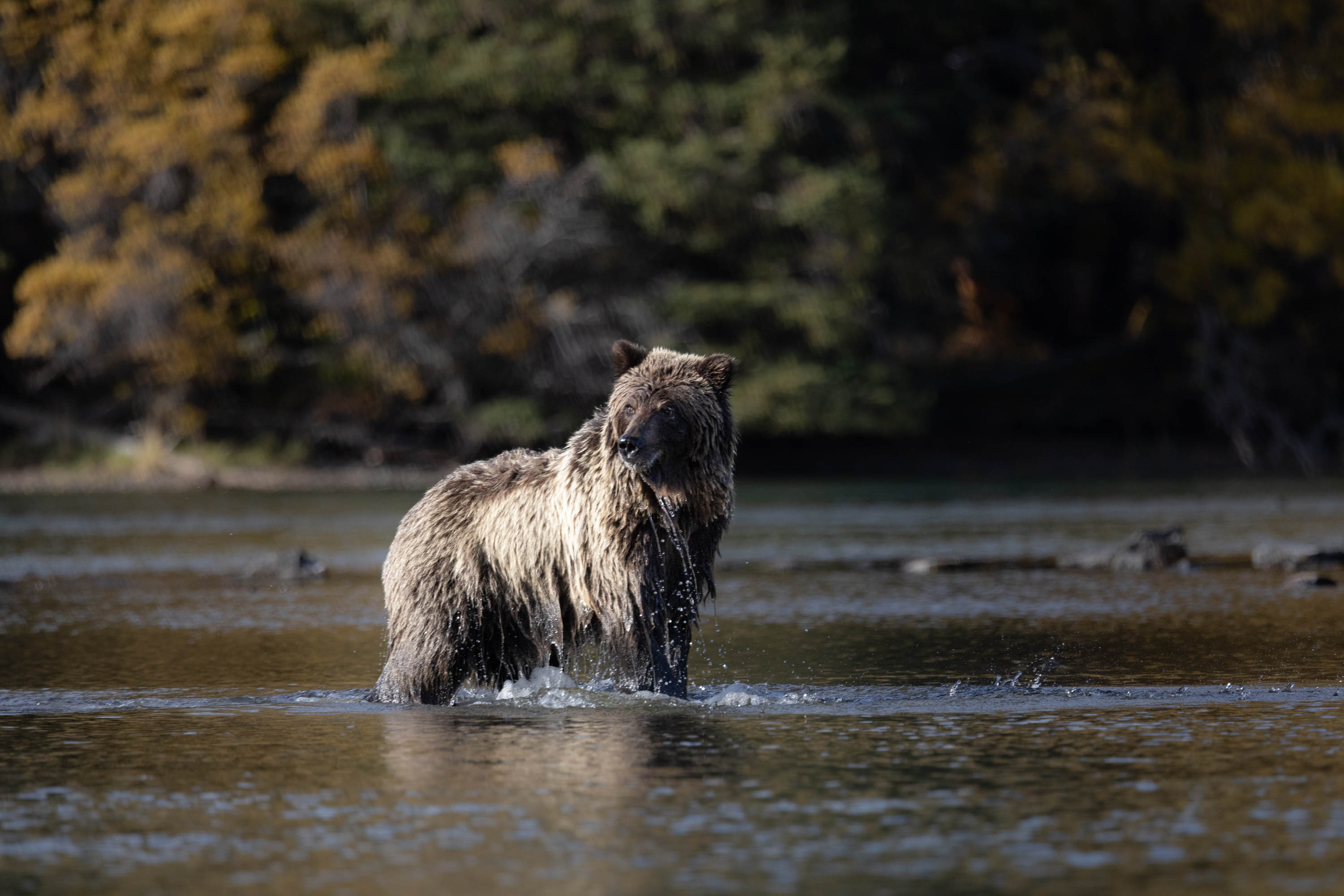
I came away with lots of grizzly photographs and furthered my education in my passion of photography. I can’t thank Mike enough for his help and mentorship.

Thank you, Mike.

See more grizzlies here …https://kritterspaw.com/2024/10/20/grizzlies/
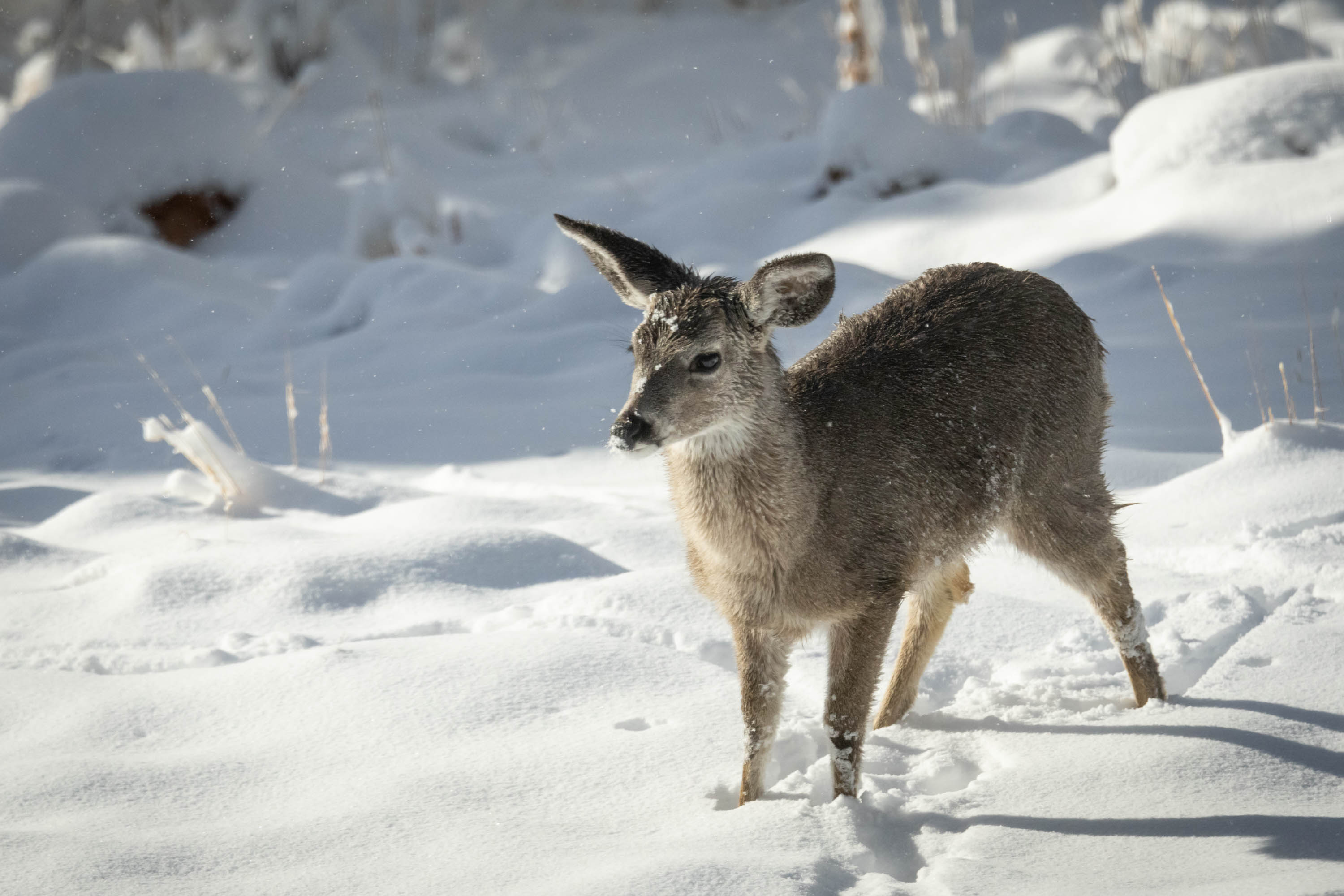
Use what you can

Pursuing my passion of photography has been difficult for me lately, but one must use what they can to ‘make it happen’.

As a result of a recent accident, I have a bum hand, but have found that with my camera on my tripod, I can set the camera up so that I can release the shutter from the camera’s rear LCD screen.

The simple tap of the rear screen focuses, and takes the photo in one fell swoop, making it not only possible, but easy to snap photos.

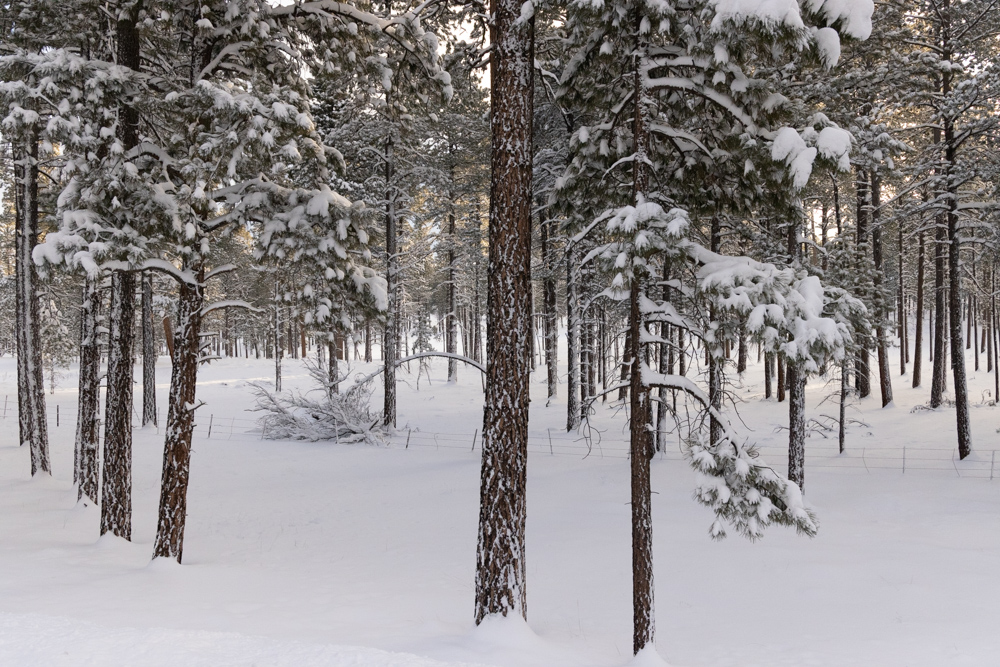
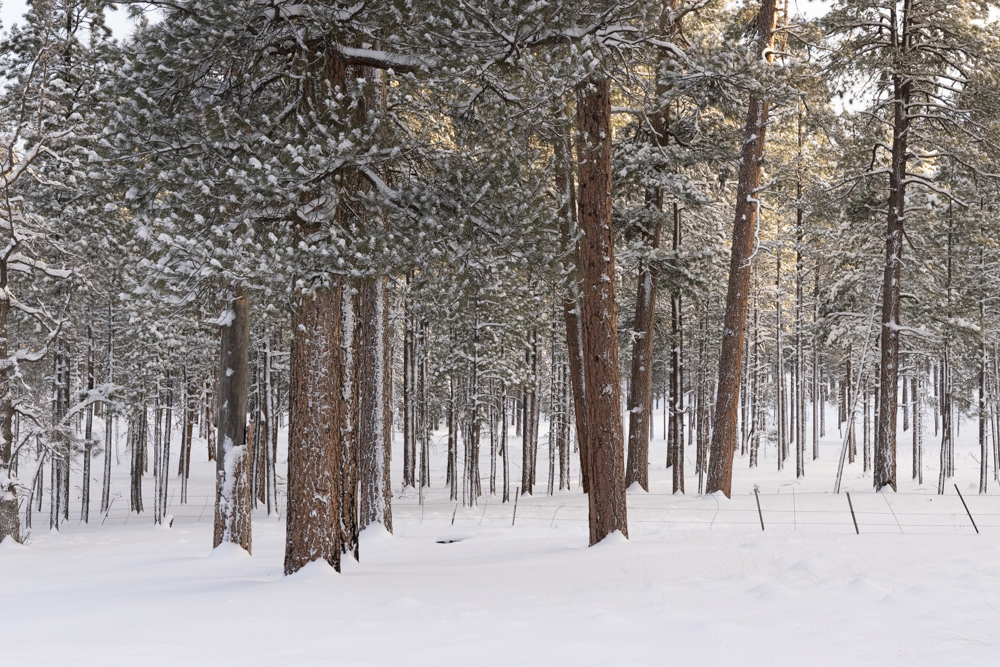
It seemed criminal to not take pix during our recent 2′ of snow. Where there is a will there’s a way.

Little Big Horns

The big horn sheep used to number in the millions between 1850 and 1900. Unfortunately, parasites, disease and modern city growth have dwindled the numbers of desert big horn sheep to 20,000 and about 45,000 Rocky Mountain big horns. In Arizona the total population across AZ for both desert and Rocky Mountain bighorns is estimated to be about 6,000. We were lucky enough to run into a herd of big horn sheep, complete with a number of small lambs.

As I relished in the joy of trying to photographically capture these beautiful animals, I was struck by all the tips I have learned over the years flooding into my mind as I framed and composed my shots.

With so many animals, I had to keep reminding myself to cut the clutter for clean shots devoid of distraction.

Maintain a tight frame, and check all the borders for any complications that might take your eye away from the subject. Avoid ‘butt’ photos and isolate the face and body. Try to avoid cutting off body parts. Though, when necessary, be careful of cutting off feet, heads, and ears, and maintain at least front half of animal, behind front legs or major joints. Be cognizant of post process cropping to maintain large pixel size for best sharpness particularly when enlarging images.

Look for gestures, cute faces, and action to make more interesting and inviting photographs. Make sure the animal is looking at you and you can see the eyes, straight on or profile. Use narrow depth of field (large aperture) to blur distraction from background.

I try hard not to spook the animal or change it’s behavior. Stop, look, and enjoy the encounter of nature’s wildlife and her habits, characteristics and mannerisms. Knowing these things helps to achieve better results at the next lucky encounter.

Give the animal room to roam, allowing space around the animal. It’s not lost of me that some of these methods contradict one another. That’s the fun of photography, despite my own guidance, ‘rules’ are meant to be broken. Different situations call for different solutions. Creativity and vision are in the eye of the beholder. When dealing with wildlife, it is difficult to create a perfect clean shot, so we must adapt to what we encounter.

Smart Weeds

I never cease to be amazed at the things we encounter while exploring the great outdoors. We often go back to a places we have been before just to see some particular scene or animal we have seen before.

But one thing I have learned is that one must take advantage of the opportunities presented to us at that very moment in time, as those moments are fleeting and may not return again. Such was the case when we went back to the Lake looking for osprey as we had seen before, only to find an entirely different scene.

This time around we found the lake blanketed in pink with a lily-esque type of plant I had never seen before. I searched the internet to yield nothing. It took reaching out to my AZGFD contact to identify this ‘strange’ plant as a native water smartweed.

As many times as we have been out and about, visiting many lakes throughout Arizona, we had never seen this beautiful photogenic aquatic plant. This unique smartweed can grow either submerged or floating on top, making it an unusual amphibious plant. You can read more about it here … https://www.fs.usda.gov/wildflowers/plant-of-the-week/polygonum_amphibium.shtml

One must be prepared for the situations we encounter, equipped with the right tools and knowledge, and willing to dedicate the time to capitalize on the moment.

Evolution

It’s interesting to witness the evolution of my own wildlife photographs.

I recall oh so many years ago taking photographs of animals so very far away. Today, I look at those photographs and wonder what it’s of. Oh, there it is, that little dot in the distance is some almost unrecognizable animal. Hmmm, I guess I have improved!

When I bought better equipment, bigger lenses, and learned more, I began filling the frame with the animal. But it’s more than that, it’s clearing the clutter of a messy background.

It’s including some background that shows the animal in it’s environment.

It’s including action, if you’re so lucky.

It’s catching that glint of it’s eye, making sure it’s sharp and looking in your direction.

It takes anticipation of the animals behavior and patience to wait for the animal to come to you, look your direction and capture what it does in it’s environment.

It’s a ‘sport’ that is humbling, gratifying, and frustrating at the same time. It takes practice and time, lots of it. Something I try to apply as I continue to learn and improve.

Blue Sky Blues

I have to laugh at myself sometimes, we all should (read that how you like). When I first got into photography, oh so many years ago, I would complain when there were clouds. ‘Where’s the blue sky ?’, I would lament.

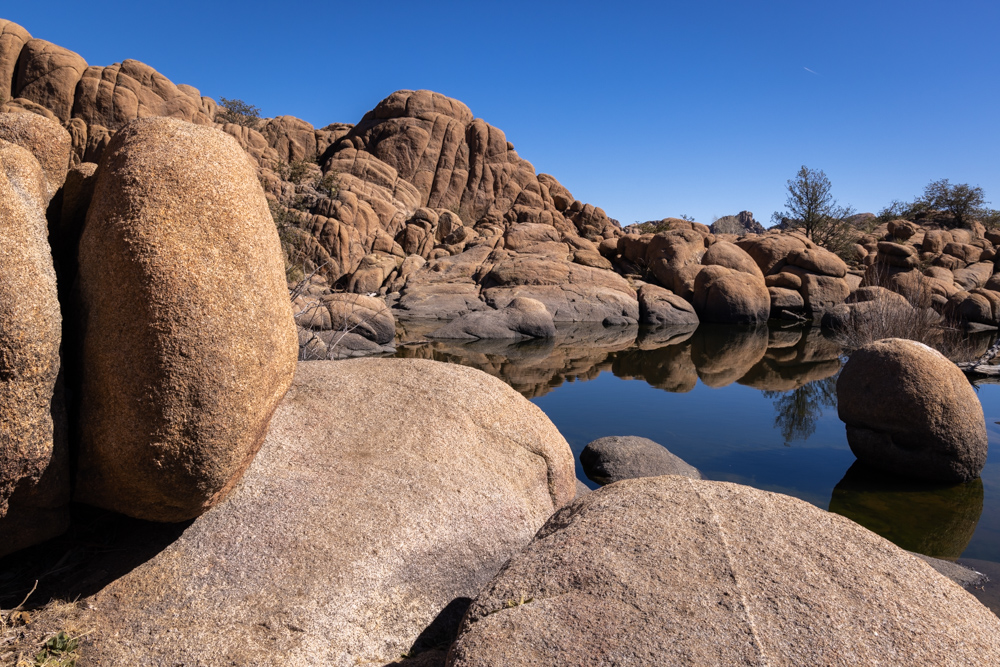
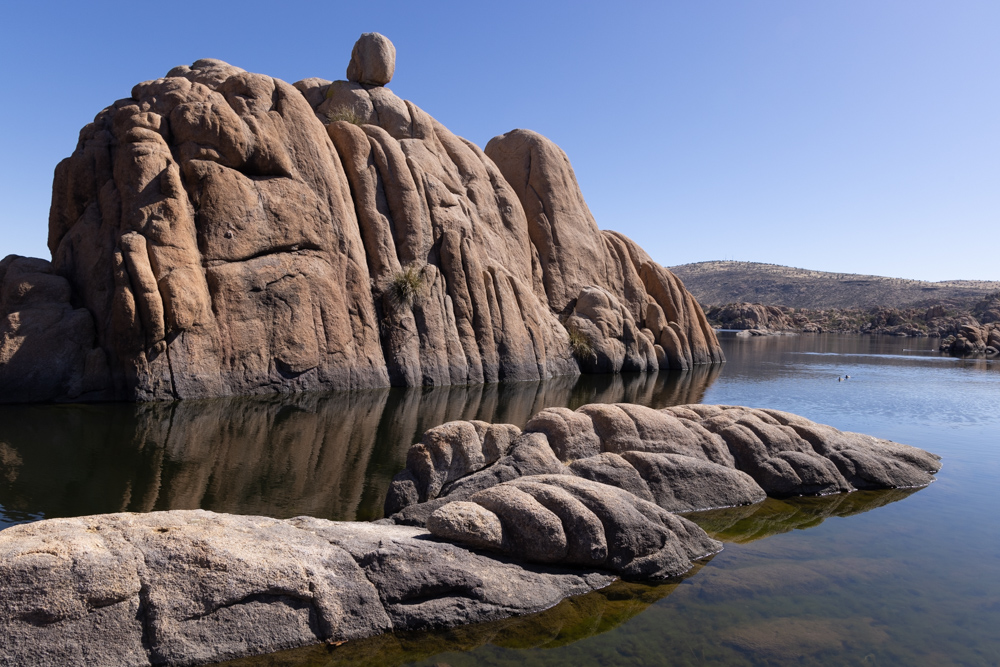
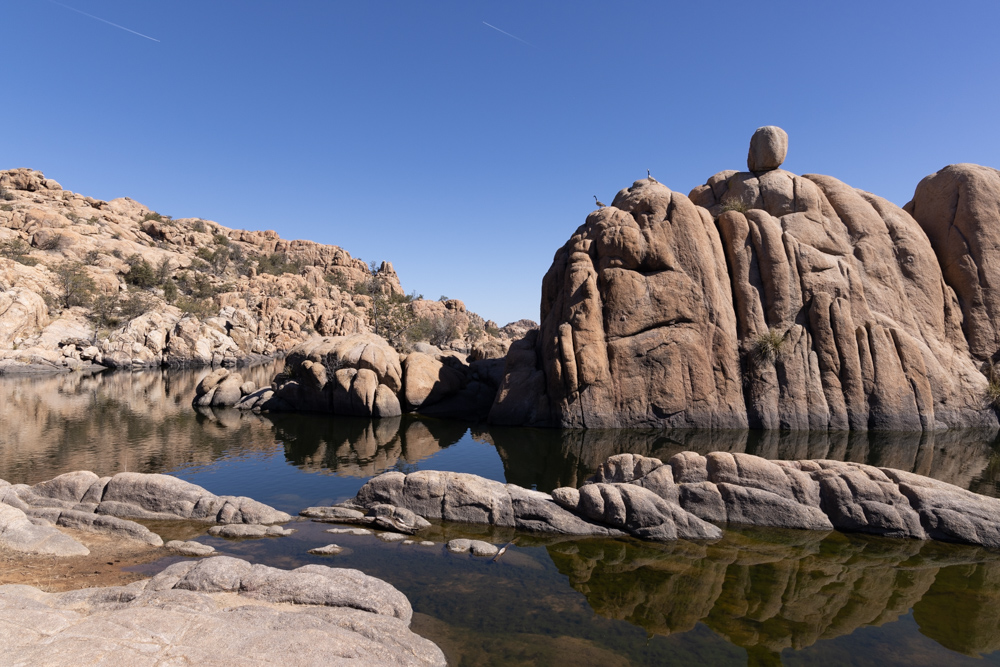
We went to Watson Lake Granite Dells in Prescott, AZ for a photo scouting trip. The sky was ablaze with blue. It really was a beautiful day, rock hopping, and taking in this magnificent place.

Because of the ‘boring’ blue sky, I had decided not to post the photos, and just go back for sunset / sunrise when there were picturesque clouds for better photographs.
In conversation with a friend however, who cocked their head when I mentioned Watson Lake, I decided I should give these photos some air time so that people could view it’s majestic beauty, even if it’s through blue sky blues.

Photography is like Golf

Photography is like golf, or any sport or hobby for that matter. You know, when you get that really great drive, perfect putt, or if you’re so lucky the coveted hole-in-one. It’s euphoric, and keeps you coming back for more.

That’s how I feel when I get that great shot. We go out every time it snows, looking for animals, hoping for that great encounter to capture.

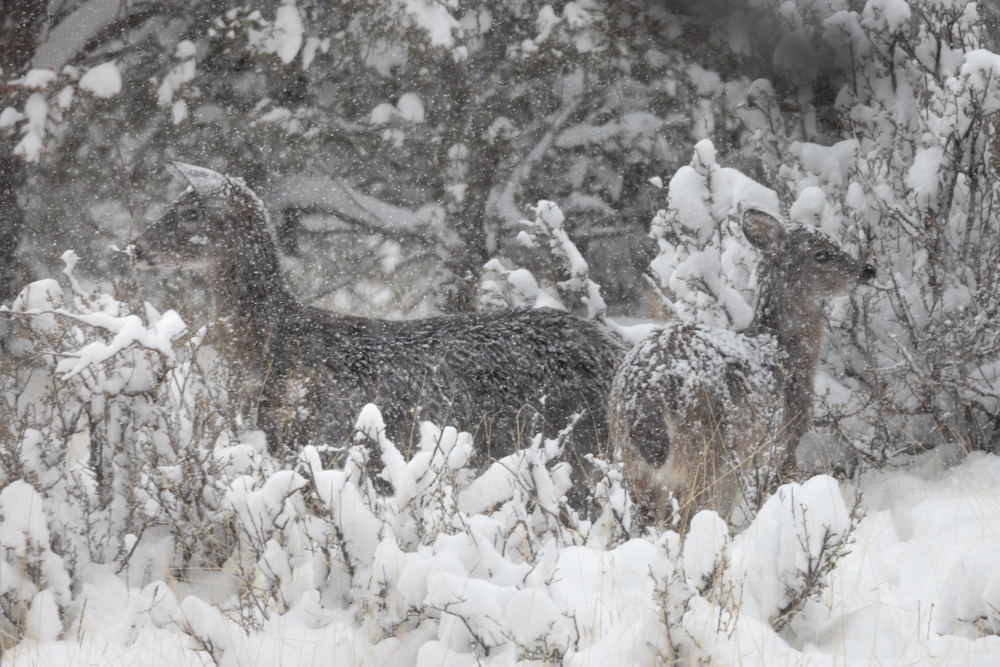
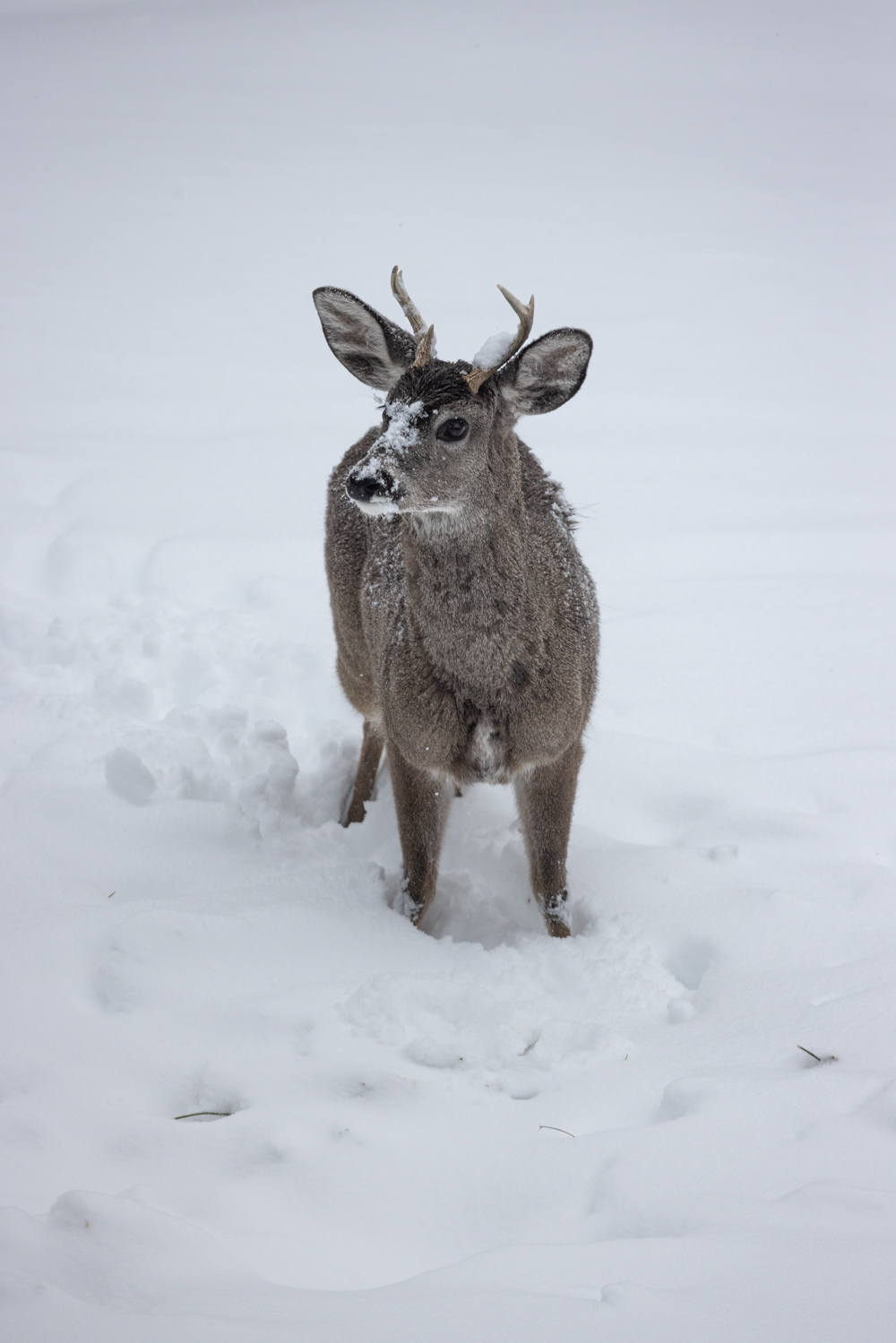
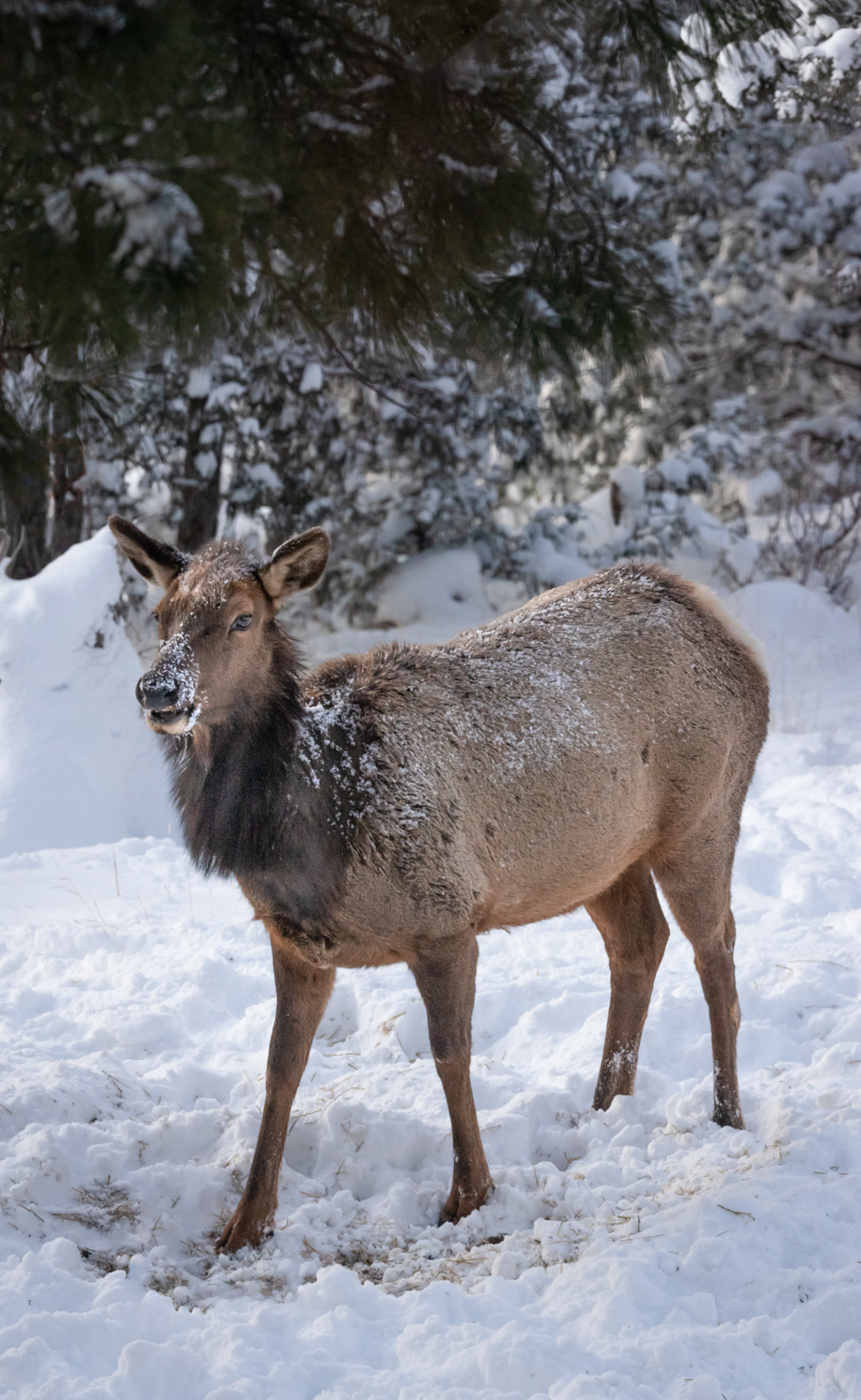
With over 2′ of snow, we were hopeful that the ‘day after’ would bring the animals out foraging for food. We even saw a fleeting bobcat, but alas, didn’t get a photo. Darn!

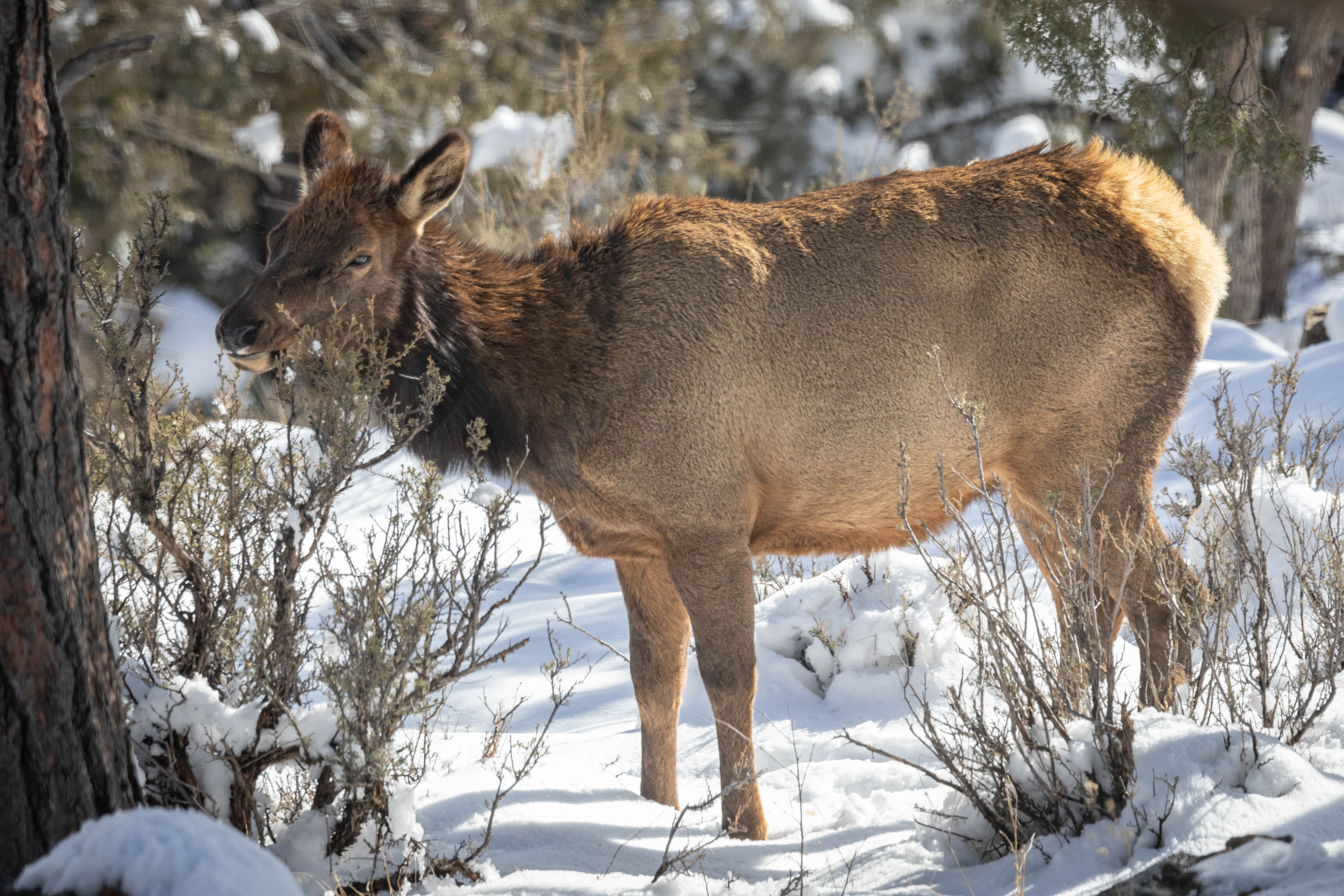
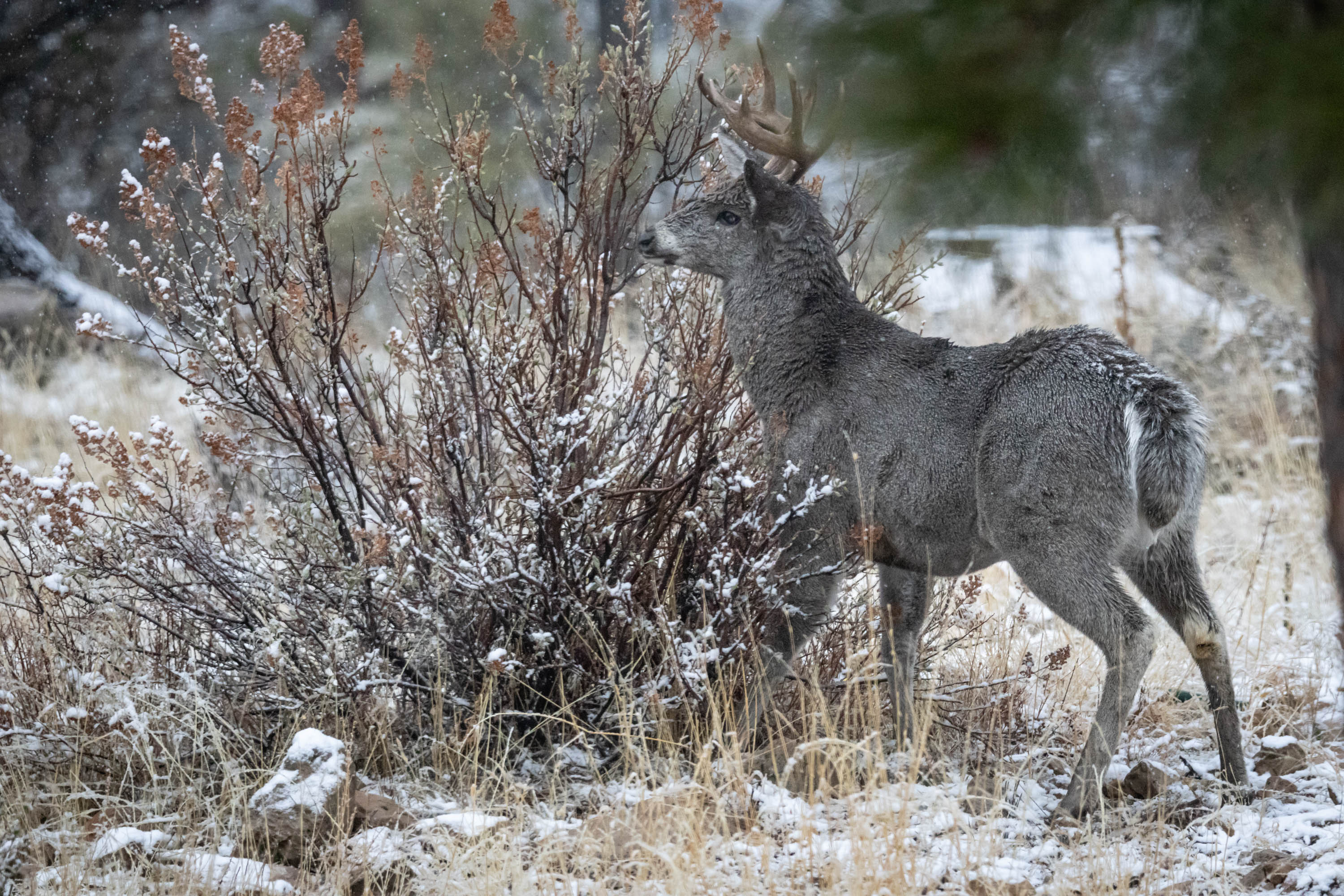
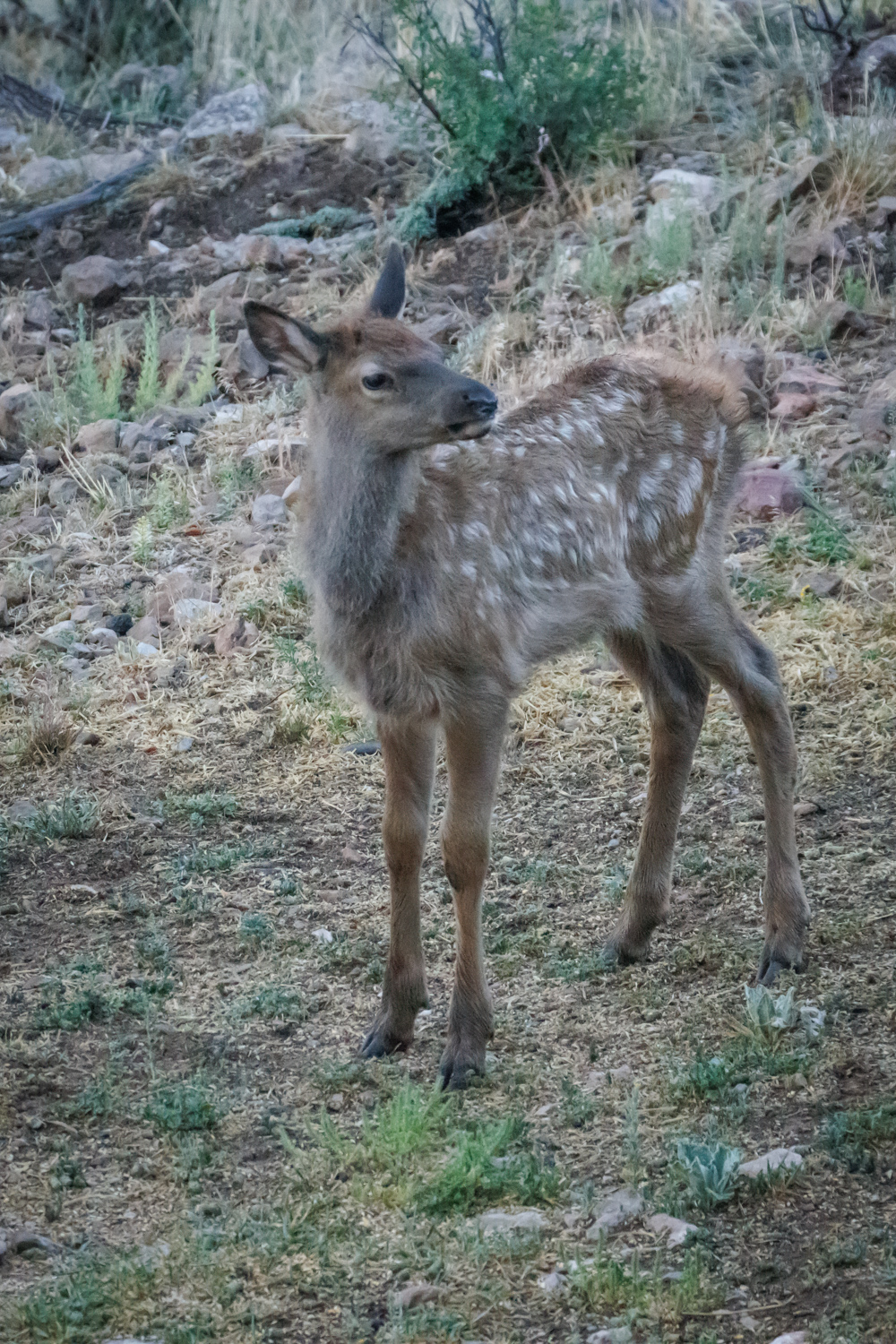
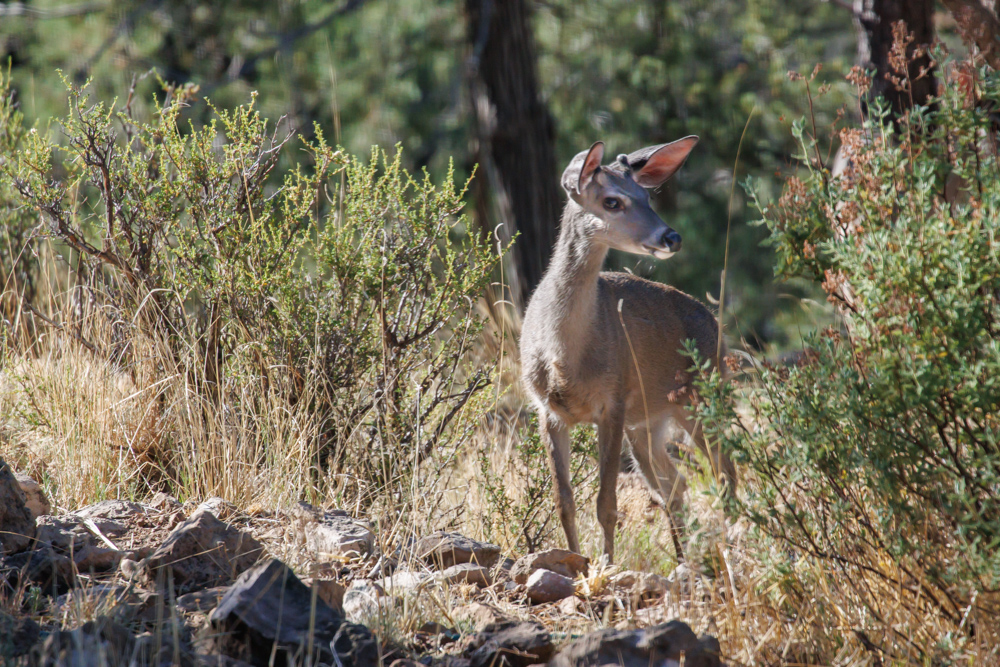
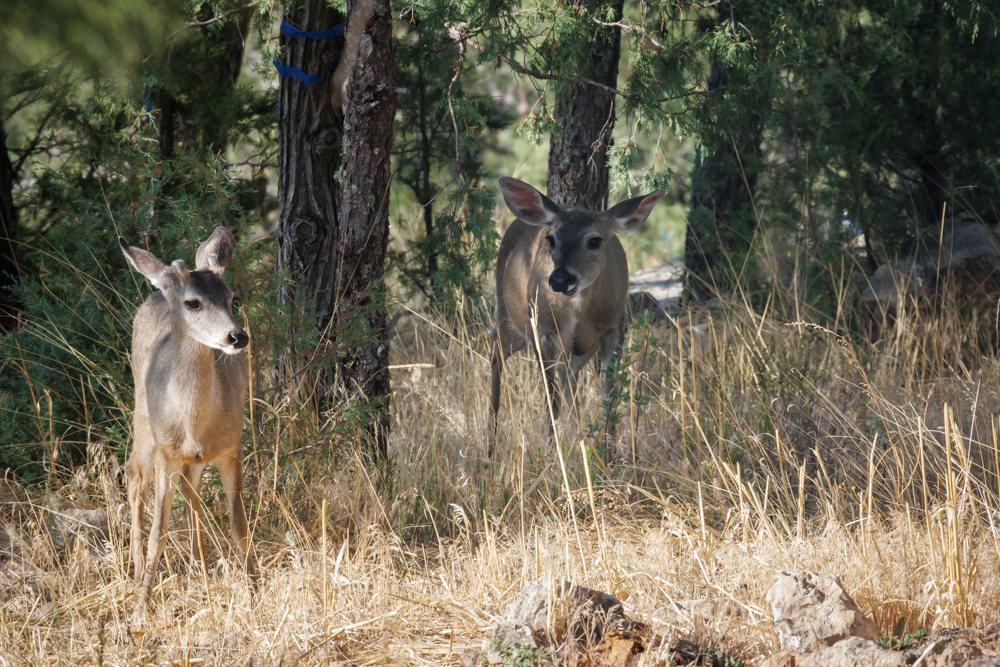
But we did manage to see elk and deer. It makes me want to go out again! Bring on more snow.

Birds-in-Flight (BIF) Photography

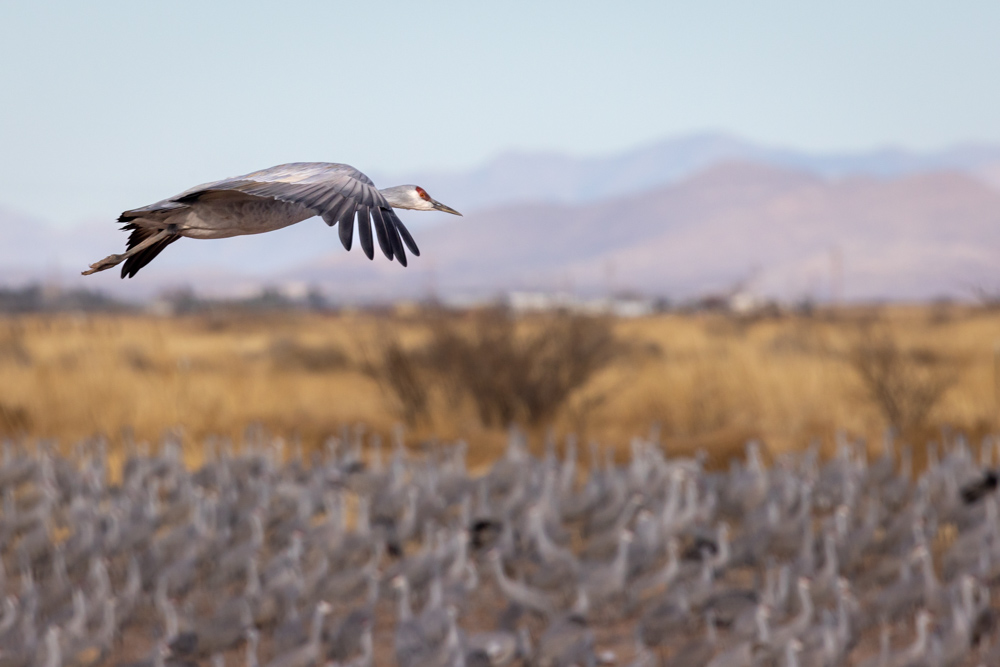
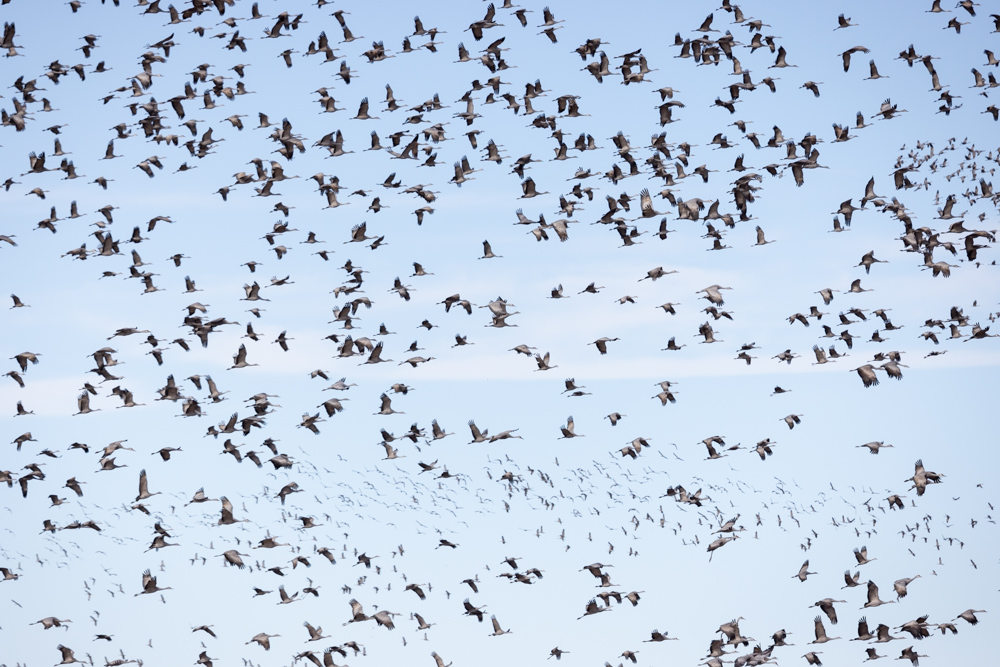
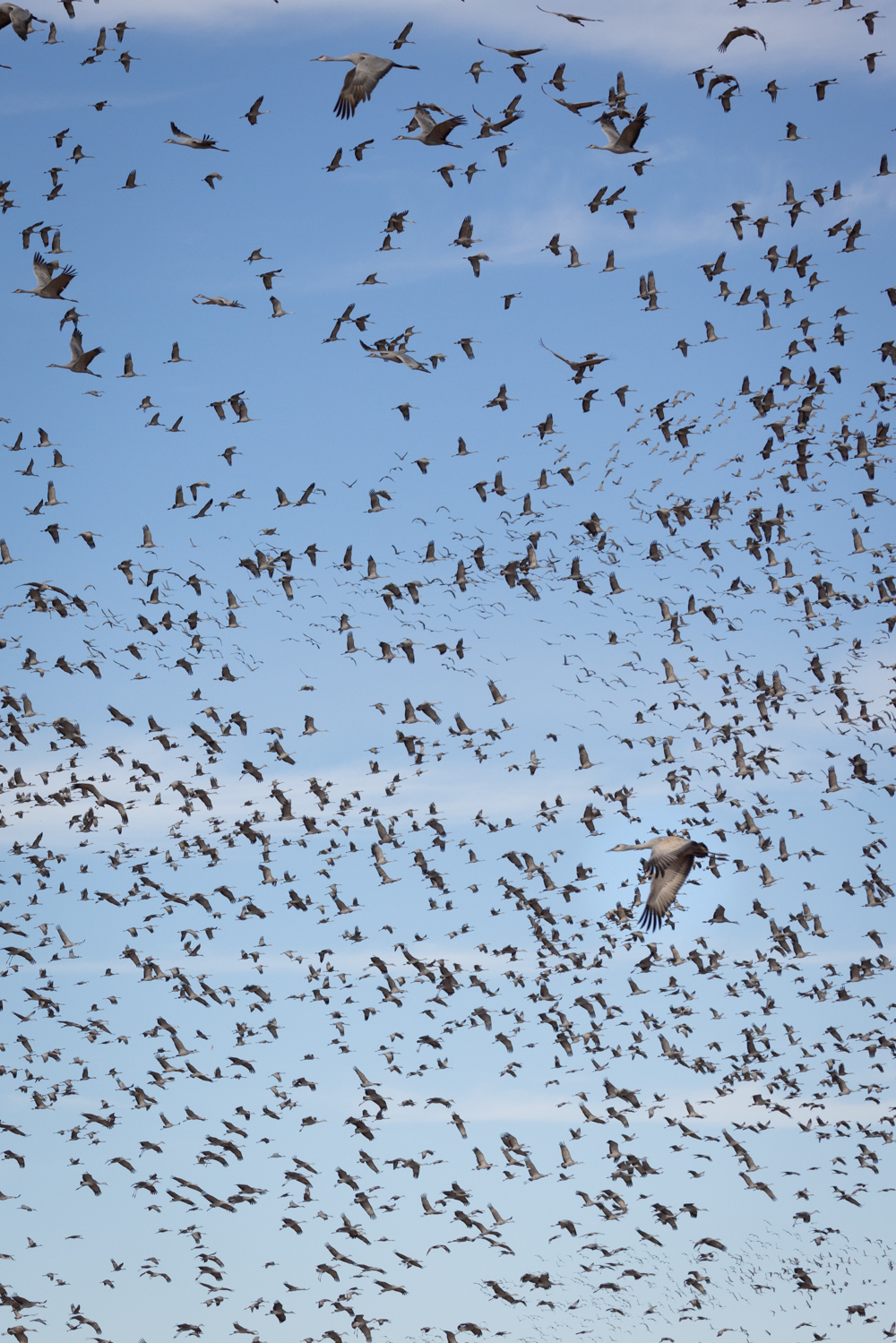
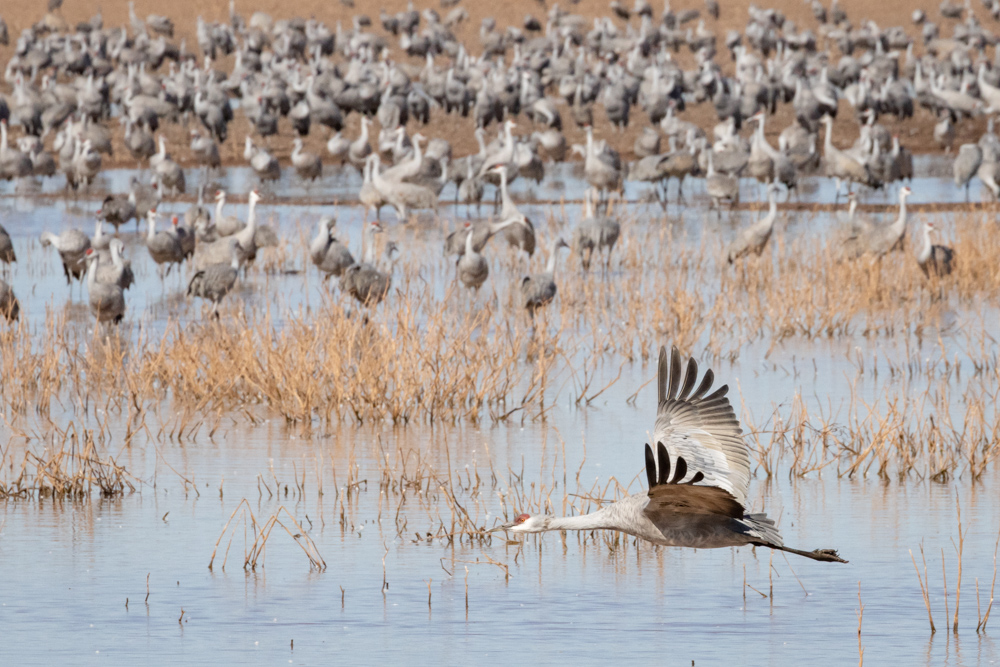
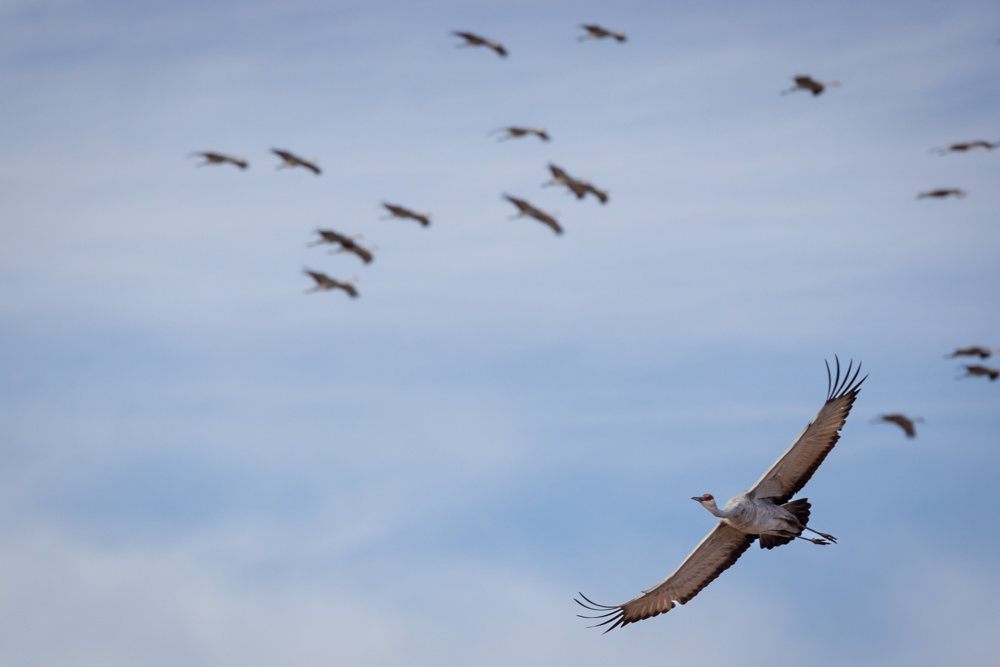
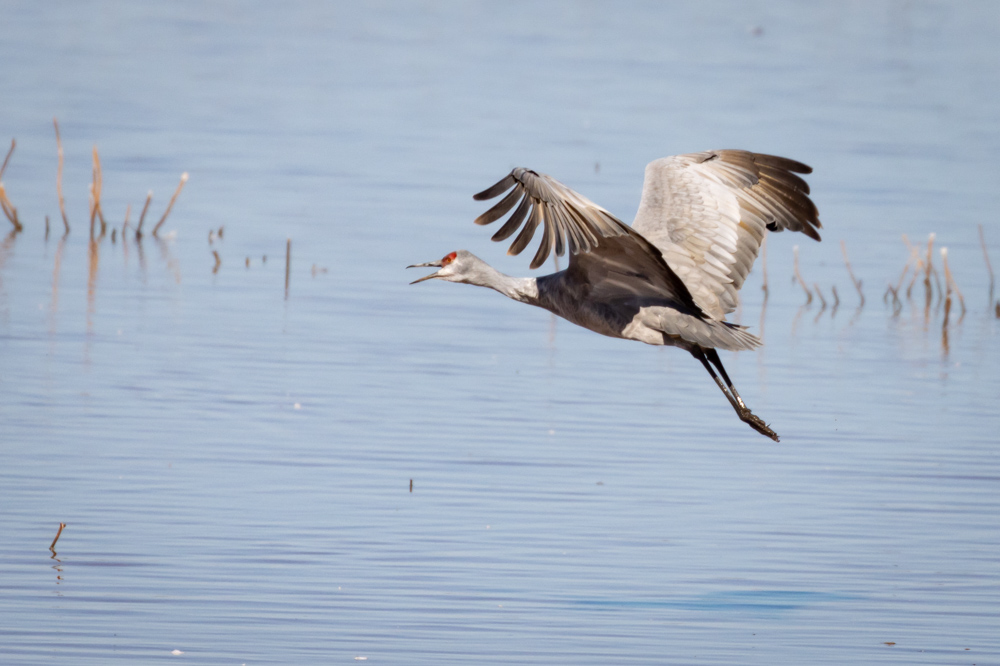
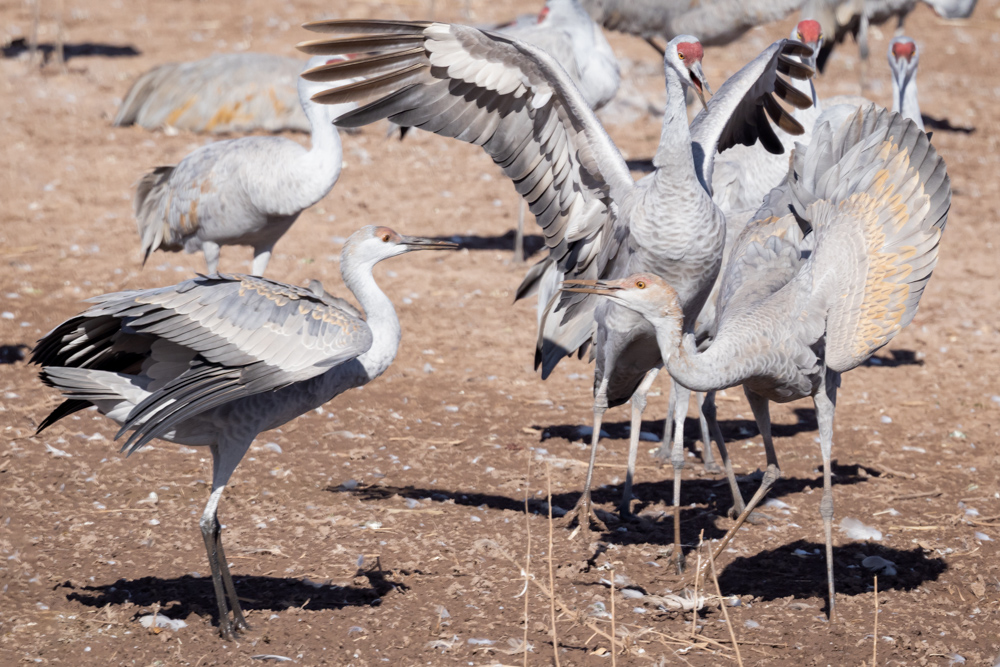
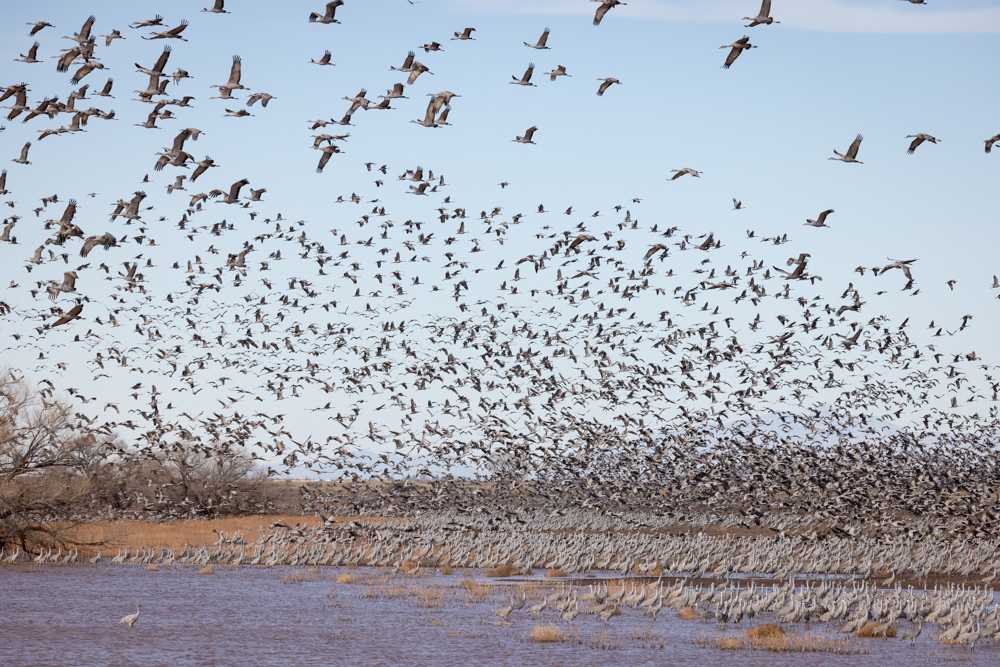
Sandhill crane fly across the sky

There are lots of genre’s of photography: sports, wildlife, landscape, portrait, etc., just to name a few.

But Birds-in-Flight is it’s own animal, forgive the pun. Before embarking on the long trek to Whitewater Draw I watched dozens of online video’s to help assure that I might come home with some decent images.

I have always shot single point focus as I take a lot of close up animals and landscape photos. But for BIF it was recommended that I use zone area to focus on a larger area (and improve my chances of getting a sharp image). While I was there, a kind photographer, JT, suggested I use the eye-focus that my camera offered. I must say, I found it very awkward and somewhat difficult. However, once I got more used to it, I found myself enjoying the fast focus ability of these new fancy cameras. Thanks, JT, for the great tip.

The eye focus had a particularly hard time picking out the eye in darker conditions, so I had to switch back to single point (or nine-point) focus for those situations. During the daylight hours I had better success, yet still struggled for the camera to focus on what I wanted to while recomposing the shot.

A fast shutter speed is essential to obtain a sharp photo, and not a streaky blur. However, in the early morning hours it was difficult to maintain a fast shutter speed, large enough aperture to get decent depth of field, and as low as possible ISO to reduce noise, even on a tripod. Admittedly, the daytime photos were easier to capture tack sharp pix.

I did learn that the closer the bird, and less distractions, the better the focus worked – and made for a cleaner more interesting photo. I also quickly realized that ‘bird butts’ make for a less than interesting photos, and it was best to pan across to get a profile or head shot.

Of course, wildlife photography is best with action shots and ‘gesture’. If I can capture something that has the animal doing something, or looking cute, that photo stands above the rest.

I had a hard time picking out the interaction among the birds from the flocks that surround them. With these high mega-pixel cameras, I was able to crop in to focus the attention and cut the clutter.

It helps to be in the right place at the right time. The best way to do that is scope out the area, find the best spot to take that great photo, and the best time. We were at Whitewater Draw for 4 days, allowing us ample opportunity for photographic greatness. Being prepared also means having the right equipment for the shoot. A fixed telephoto has very narrow flexibility, while a medium zoom provides options and a variety of story telling photos.

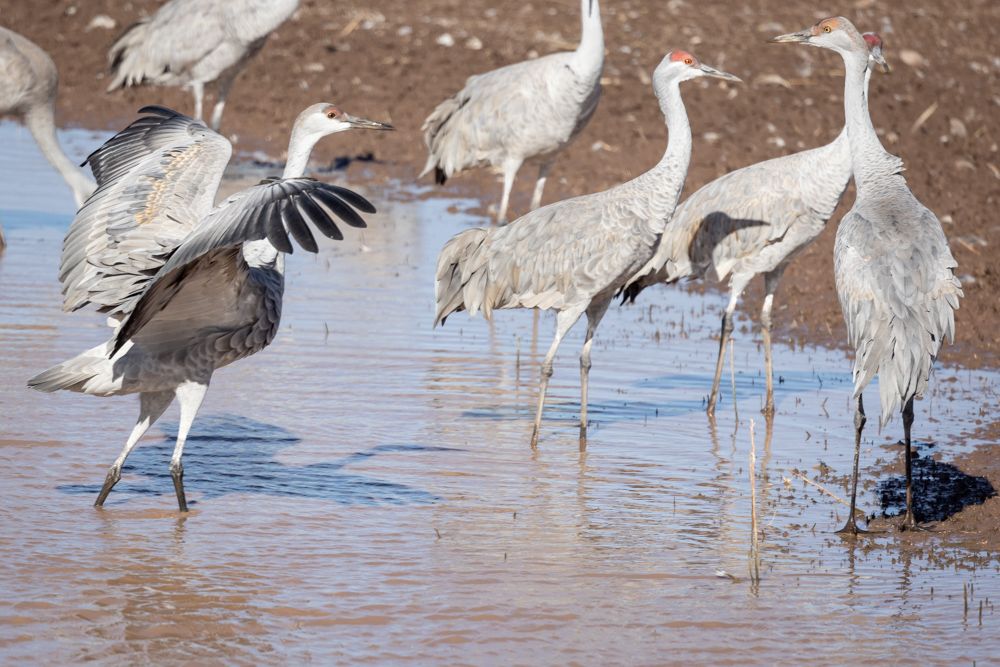
I took a lot of photos at varying focal lens with different lens to tell the complete story of the event, from the massive morning lift off to the late afternoon fly-ins, from the sandhill cranes interacting together, their mingling in the pools, to fly by’s. This diverse collection conveys a better sense of Whitewater Draw.

Above all else, I found practice was the best tool to improve my BIF shots. What do they say… practice makes you lucky. So true!

See more bird photos here… https://kritterspix.com/2022/02/06/whitewater-draw-workshop/ and https://kritterspaw.com/2022/02/06/birds-a-feather/

Passion

The dictionary defines passion as: intense, driving, or overmastering feeling or conviction; strong and barely controllable emotion. I consider myself a passionate person, which actually can be a mixed blessing. Sometimes it gets me into trouble. My emotions can run strong and people tend to take my intensity the wrong way.

On the flip side, however, it’s that passion that drives my ambition and love for excelling at the things I take on.

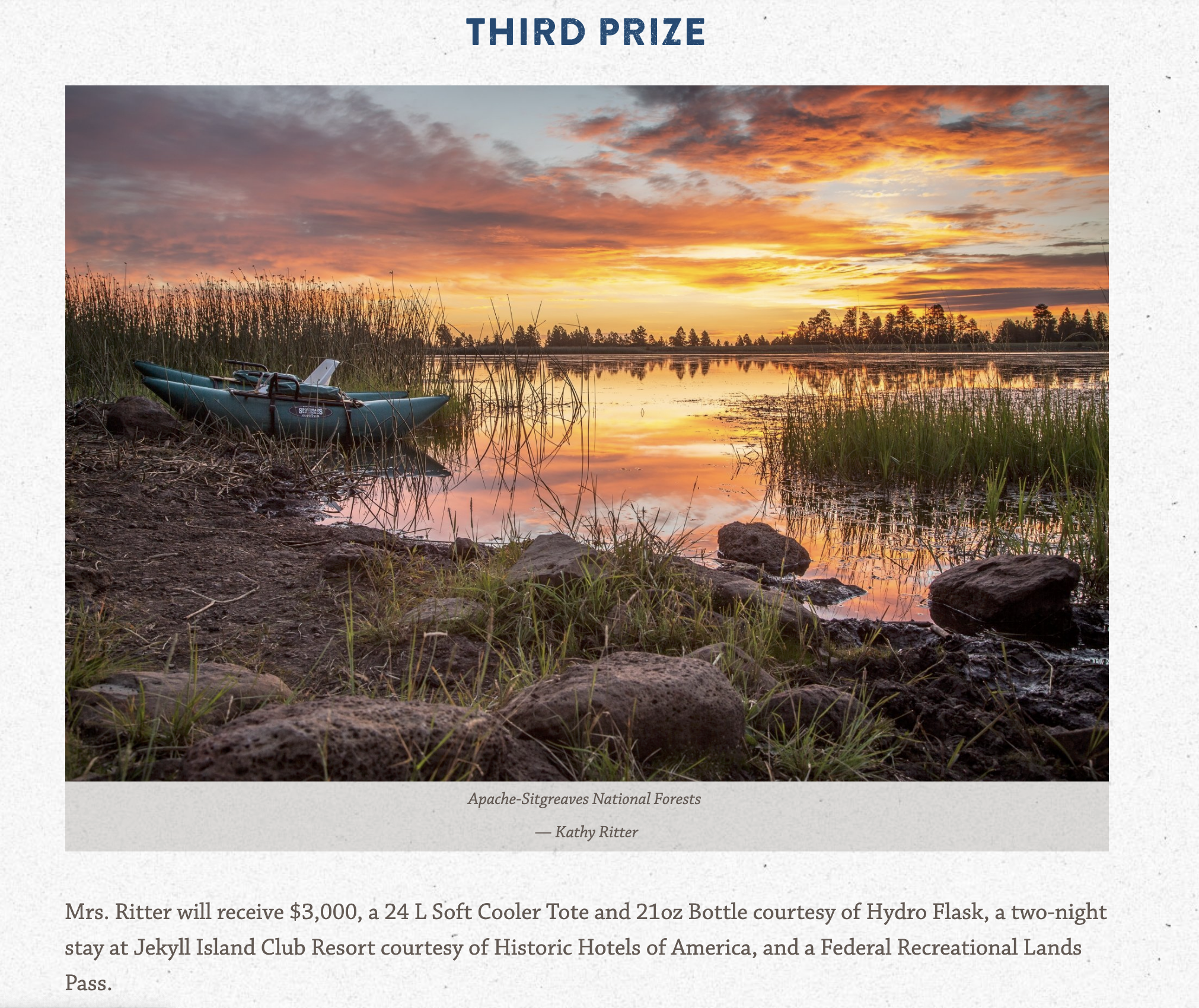
In terms of photography, it’s that passion, which has driven me to get published. So it is with pride and joy that I share my recent contest win from the National Park and Public Lands. I won 3rd place out of over 15,000 entries. Check it out here…

https://www.nbcrightnow.com/news/state/the-winners-of-the-national-park-foundations-2020-share-the-experience-photo-contest-learn-more/video_82c929b7-d741-51ba-bcf8-a36f5d1bc92a.html

The award is humbling and feeds my passion further, and gives me validation of my work and growth as a photographer. It makes me want to be better and strive to work harder.

I guess it goes to show, you really can do anything you set your mind to. With determination and hard work, we can overcome any obstacle and achieve great things.

A Tribute to Our Journey

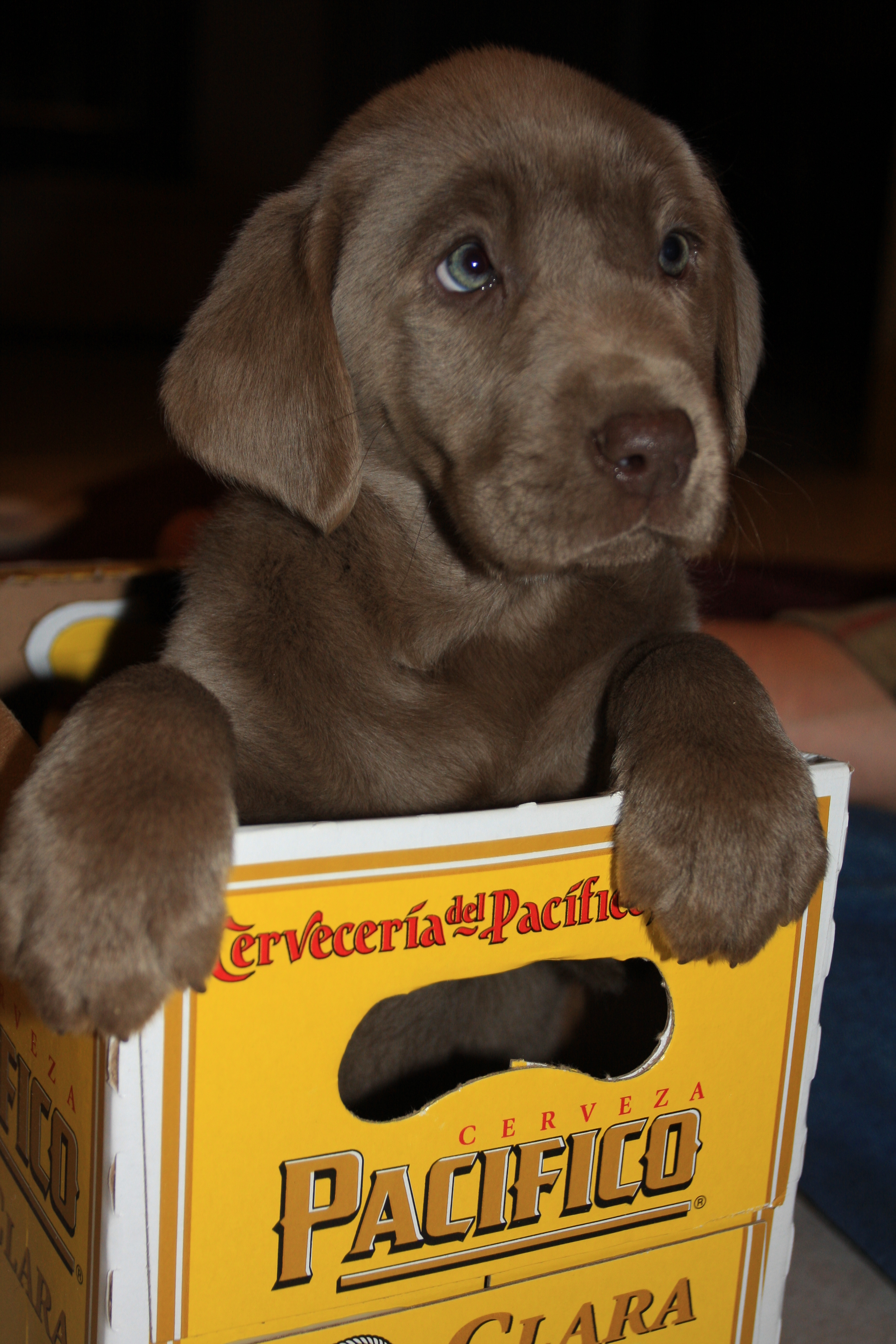
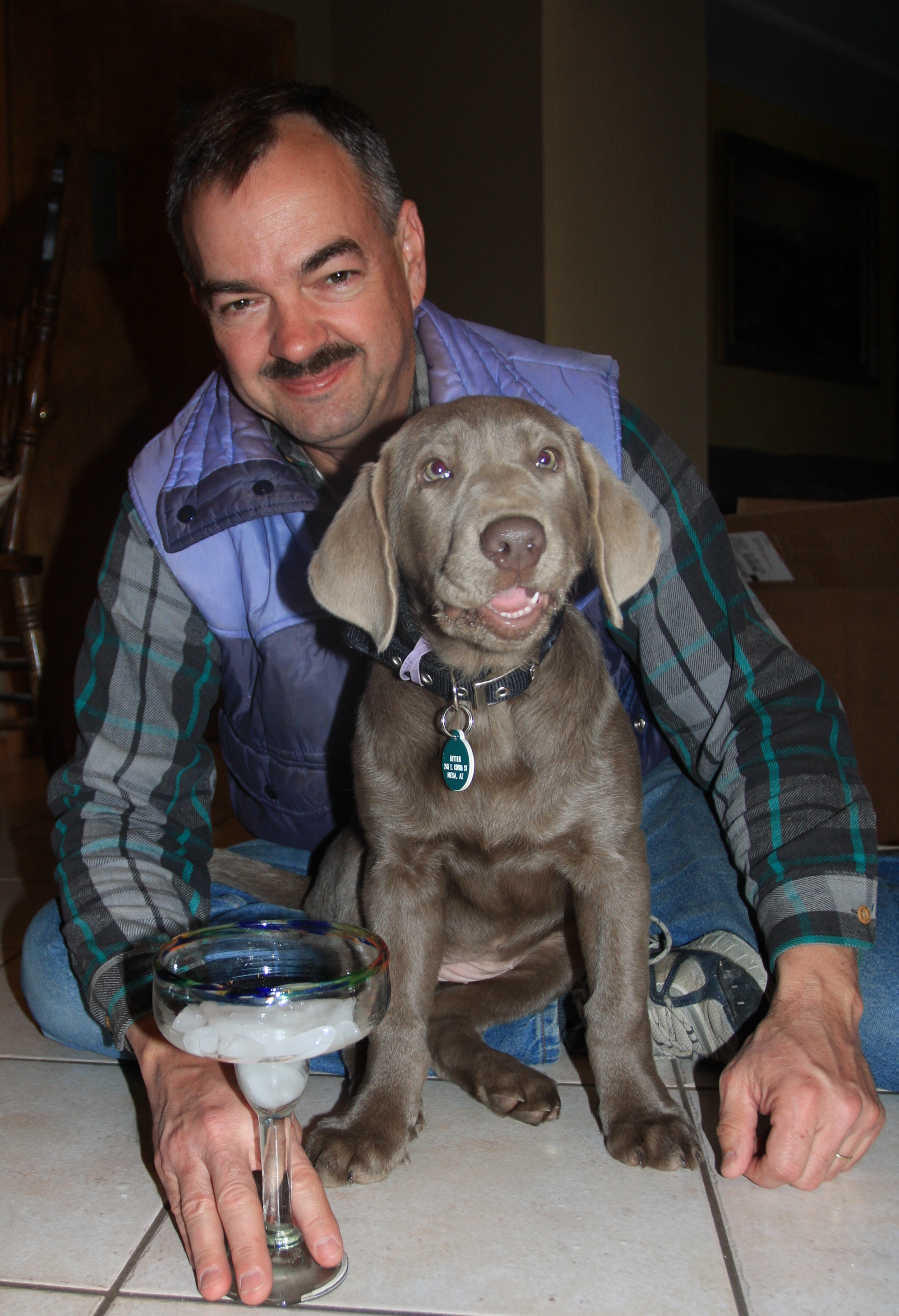
Journey was born Dec 15, 2009.

We picked her up on Feb 2, 2010, following an extremely difficult time and my dad’s death on Christmas the year before.

She was my everything. I poured my love and soul into her, and she gave back in spades.

We got her just before we retired while still living in the Valley.

She grew up at the home we were building at the time in the mountains, where she has lived ever since.

She was our helper, our companion, and friend.

Journey died on Jan 31, 2021. Almost 11 years from the day she came home with us. She was 11 years old.

She left our lives just as she came into it, following a parent’s death, and a difficult time. John’s mom died just two weeks before. John’s mom’s quality of life had diminished significantly in this covid time of ‘protectionism’. We had only been allowed to see her once in the past year. It took its toll. After months of isolation and loneliness, she died alone, with no family at her side.

I had a friend once who said she’d never want another dog again, as the death of a pet can be so hard. While I can attest to the excruciating pain and sadness Journey’s death brings, I wouldn’t give up the last amazing 11 years with Journey for anything. She had so much love to give, and gave it unconditionally.

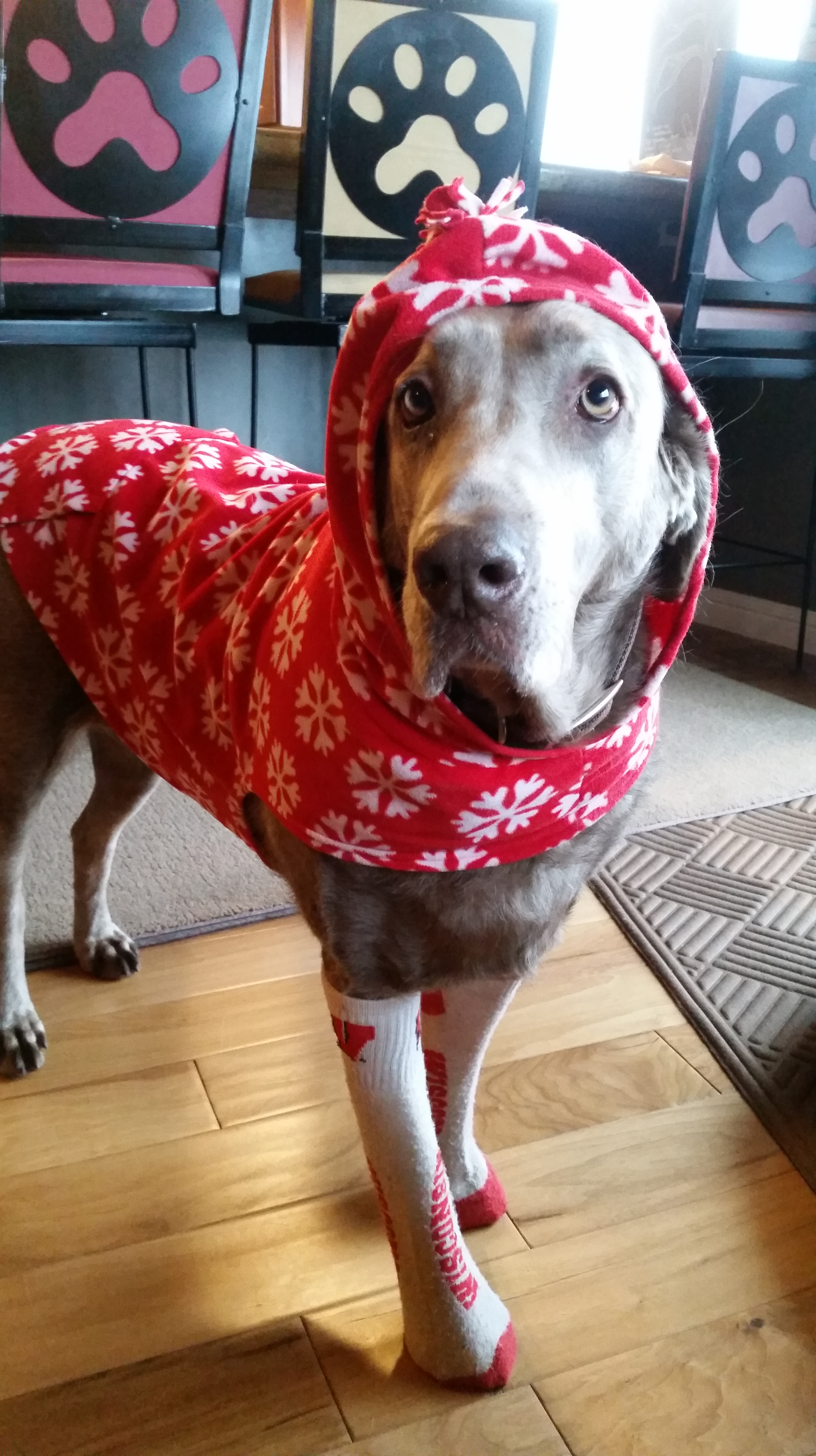
She was such a happy girl, and physically showed it in so many ways. She loved her toys and her pillows. (And she loved me to fluff her pillow under her head. She had me wrapped around her paw.). She loved for you to ‘hold my paw’. She’d wave when she saw you and want you to hold her paw as a form of affection. If she really liked you, and you were lucky enough, you’d get a ‘puppy hug’. She’d put both paws and her head on your shoulders, as if to say, “I love you, thank you for being here”. When you’d come home, she’d be so happy to see you that she’d go into a ‘puppy rampage’, and run around in circles. She had so many beautiful gestures, facial expressions, and love.

Journey was so full of life and happiness that she brought it with her and shared it with everyone she met. She loved people and would greet them with a butt wiggle, tail wag and those big beautiful bright eyes, as if to say, “Hi, hi, hi, I’m Journey.” Strangers were just friends she hadn’t met yet, and she introduced us to many.

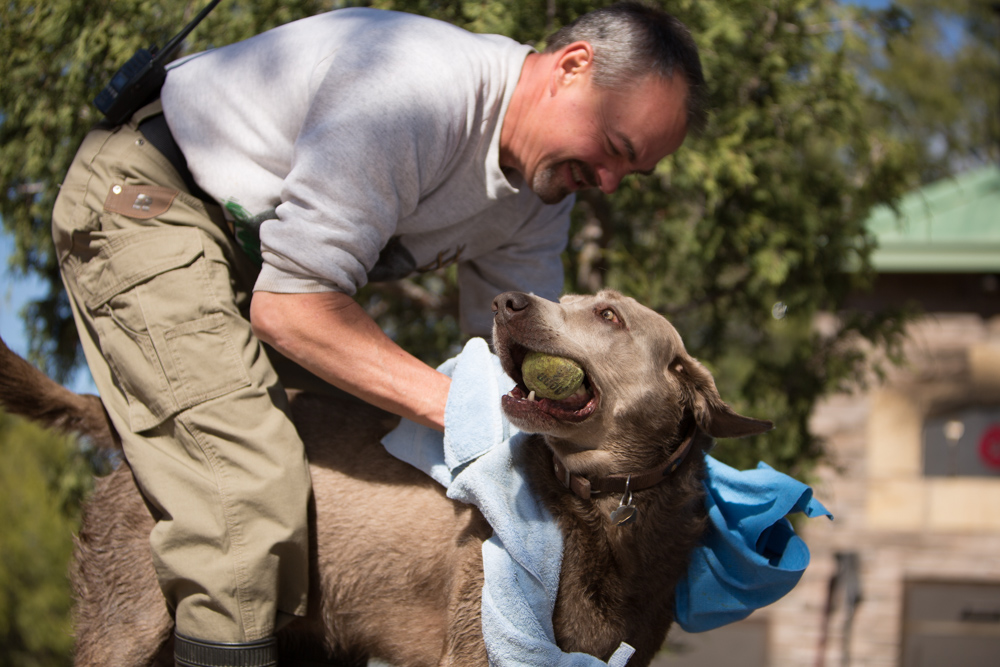
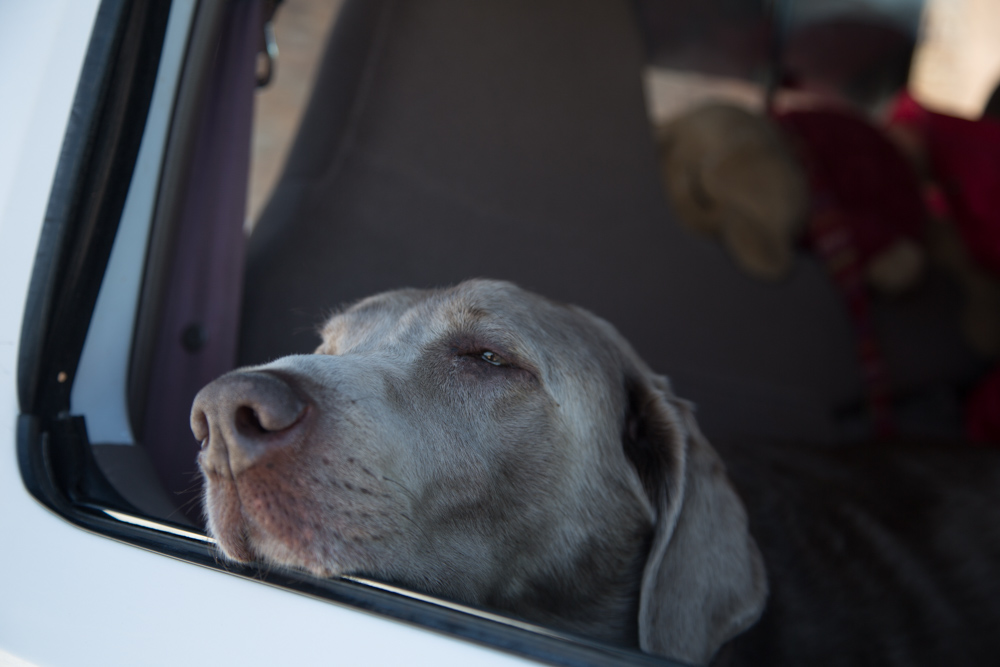
Journey was with us 24 / 7. She went with us everywhere. She loved her Jeep and truck rides, it didn’t matter where we went. She adored camping and was all full of jumpy-jumpy-jumpy just at the mere mention of it. She had an enormous vocabulary. She knew when it was supper time (her favorite time of the day). I would ask John, “can you take her out?” while I was preparing dinner. She knew what that meant, and without any hesitation ran to the door. She would RUN back in with such excitement expecting dinner to be waiting for her, sometimes skidding into the kitchen.

She was so full of life and brought such joy and happiness to our lives. Our lives and home are empty without her. We are absolutely devastated and heart broken for her loss. The pain and knots in my throat and gut are unbearable. But we remember her many quirks, mannerisms, and every day behaviors that make us smile.

Both John’s mom and Journey leave a huge void. They wanted more than anything, for us to be happy. We intend to never forget and honor their memories, and live a full life and be happy. I miss you so much it hurts.