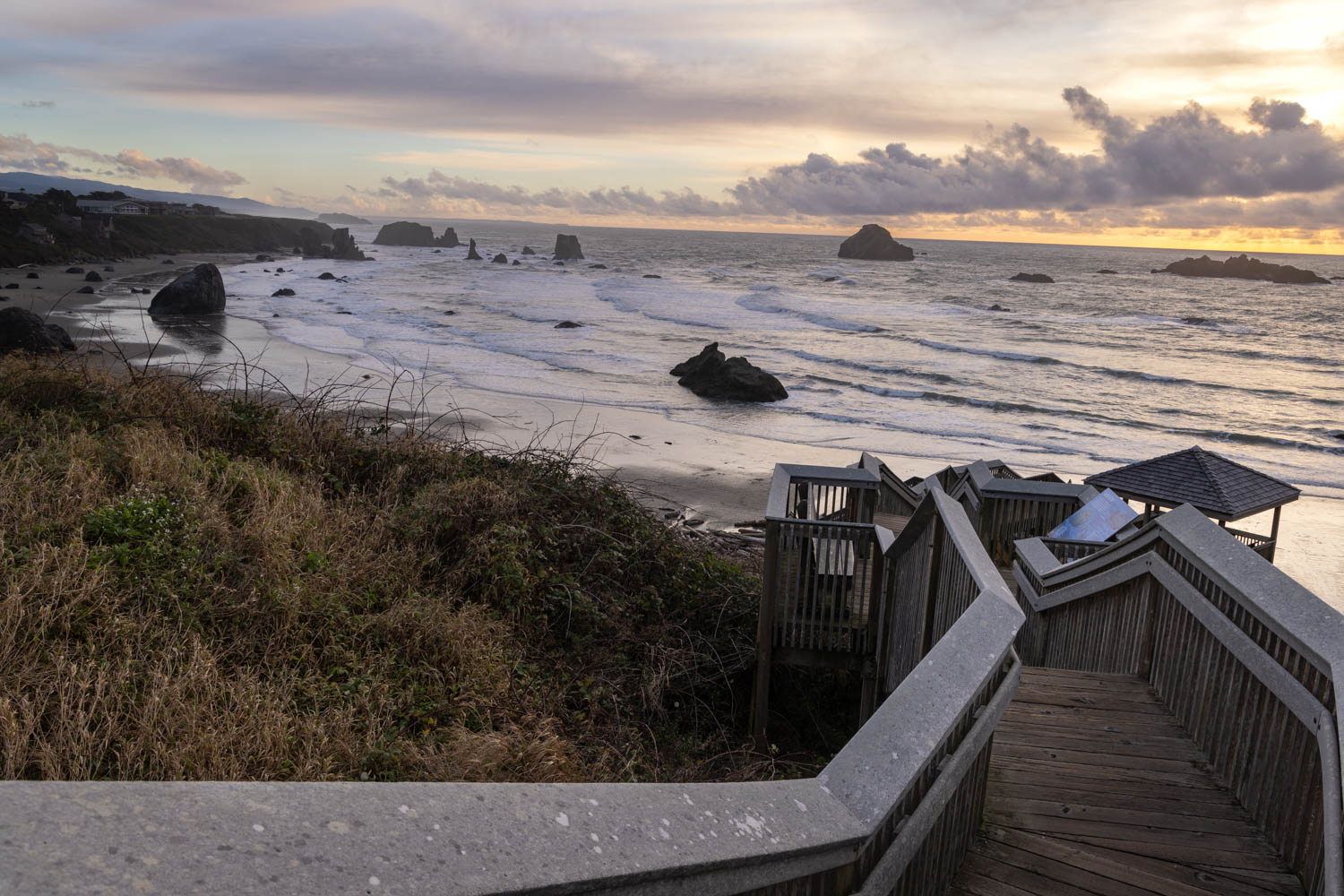
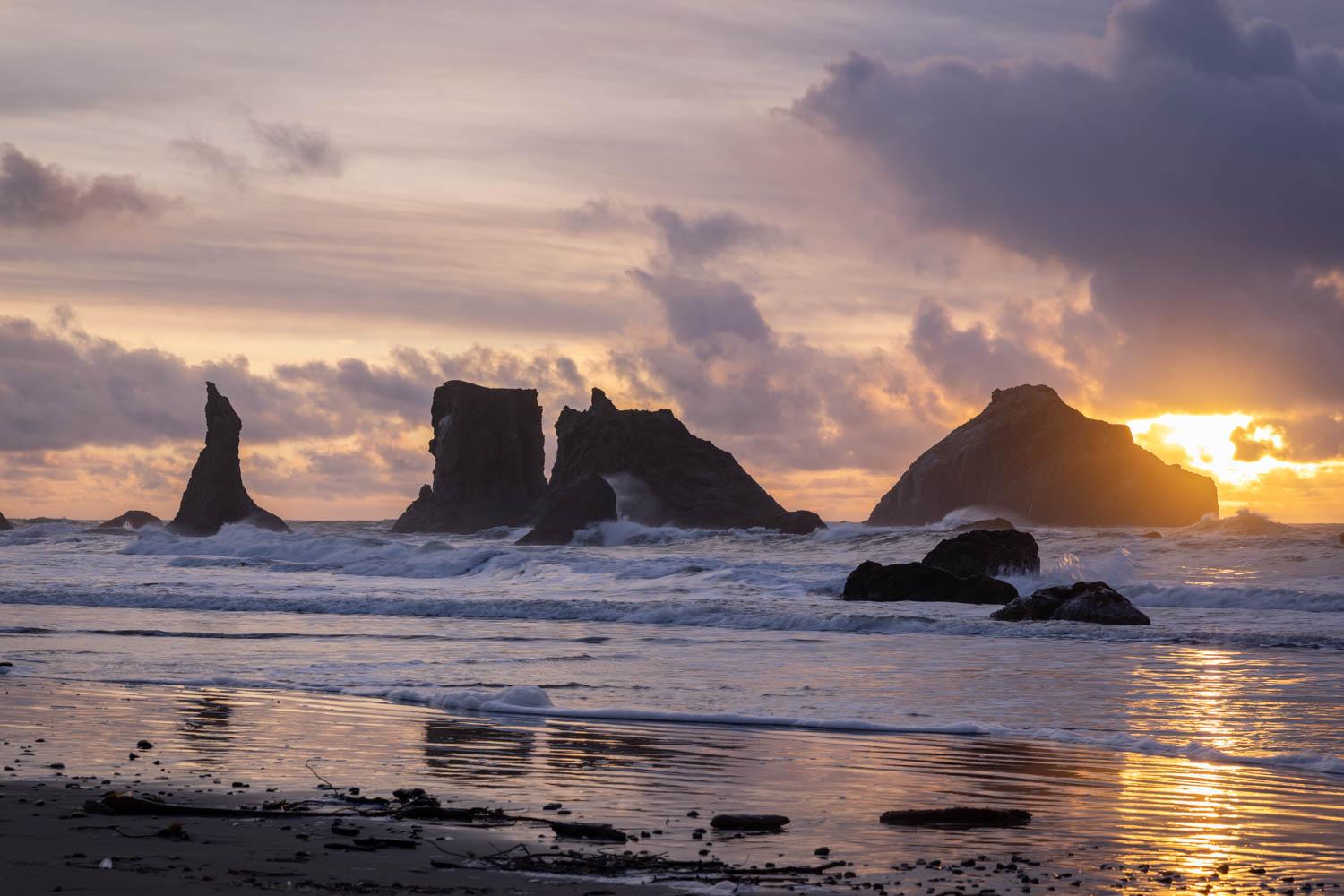
Oregon’s coastline is one of the most beautiful diverse places to experience. Oregon has done a terrific job of situating scenic State Parks along the route, 18 in all.
Alfred Loeb State Park Beverly Beach State Park
Each park is unique in it’s own way. Some are day-use only, others offer camping (tent only or full hook-up). Many abut the ocean with access to it’s beachfront for shell seekers, surfers, fisherman, and walking along the gorgeous shoreline.
Bandon Coquille River Lighthouse
Picturesque lighthouses litter the drive along capes like Heceta Head, Yaquina Bay, Cape Blanco, and Cape Meares just to name a few.
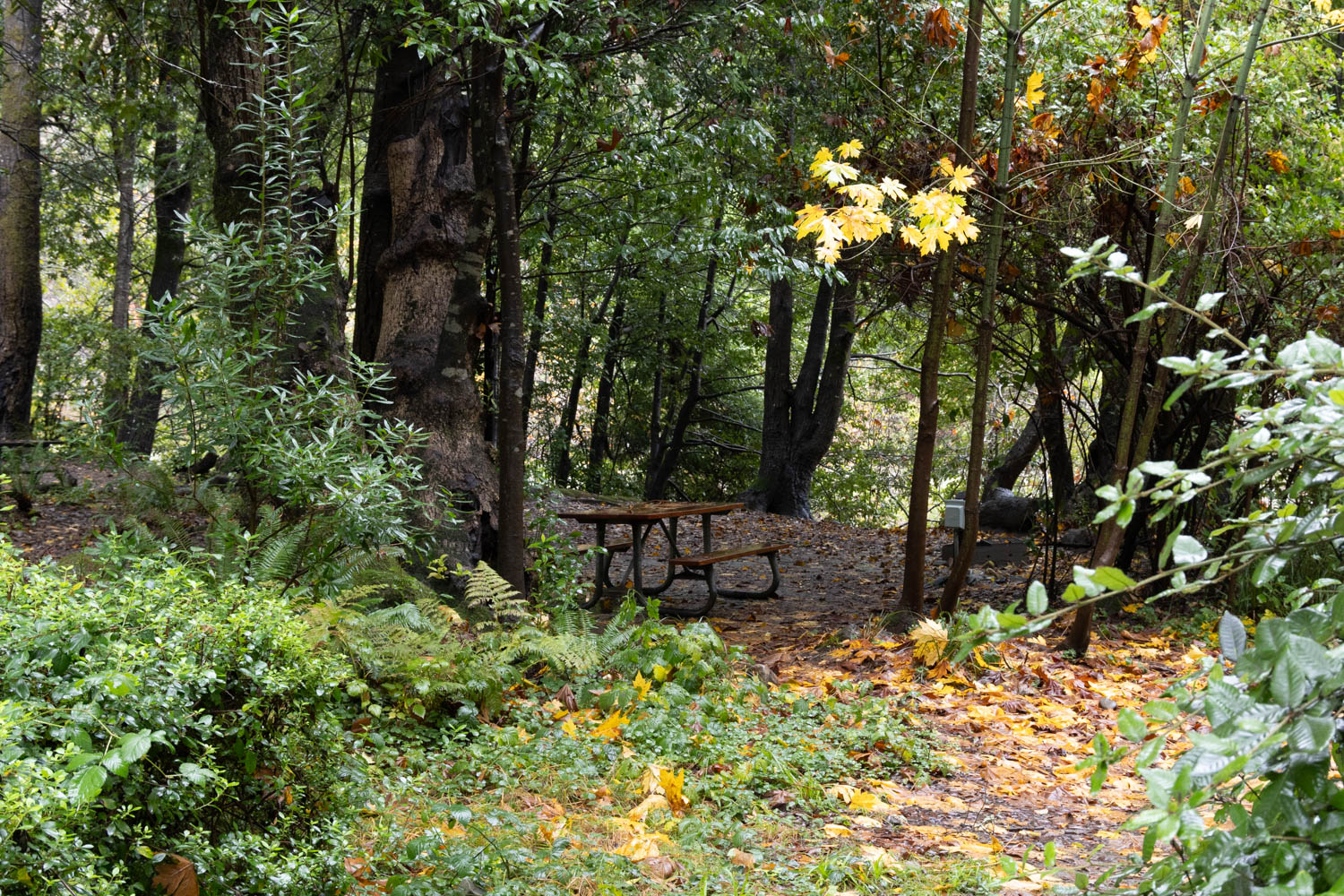
Beverly State Park
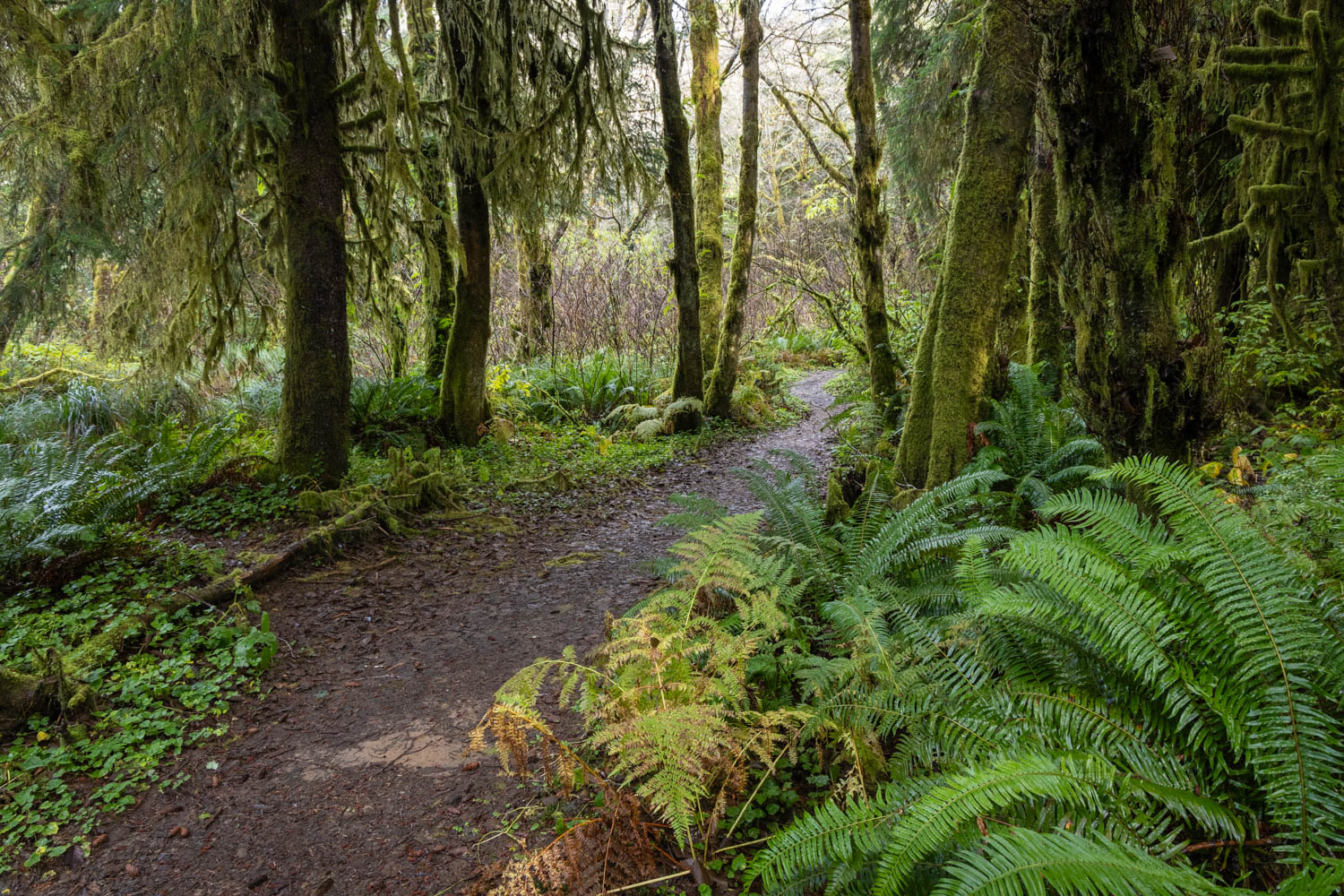
Some are tucked along ancient forests of Sitka trees, which mostly only exist along the Pacific Northwest where rain and fog are abundant.
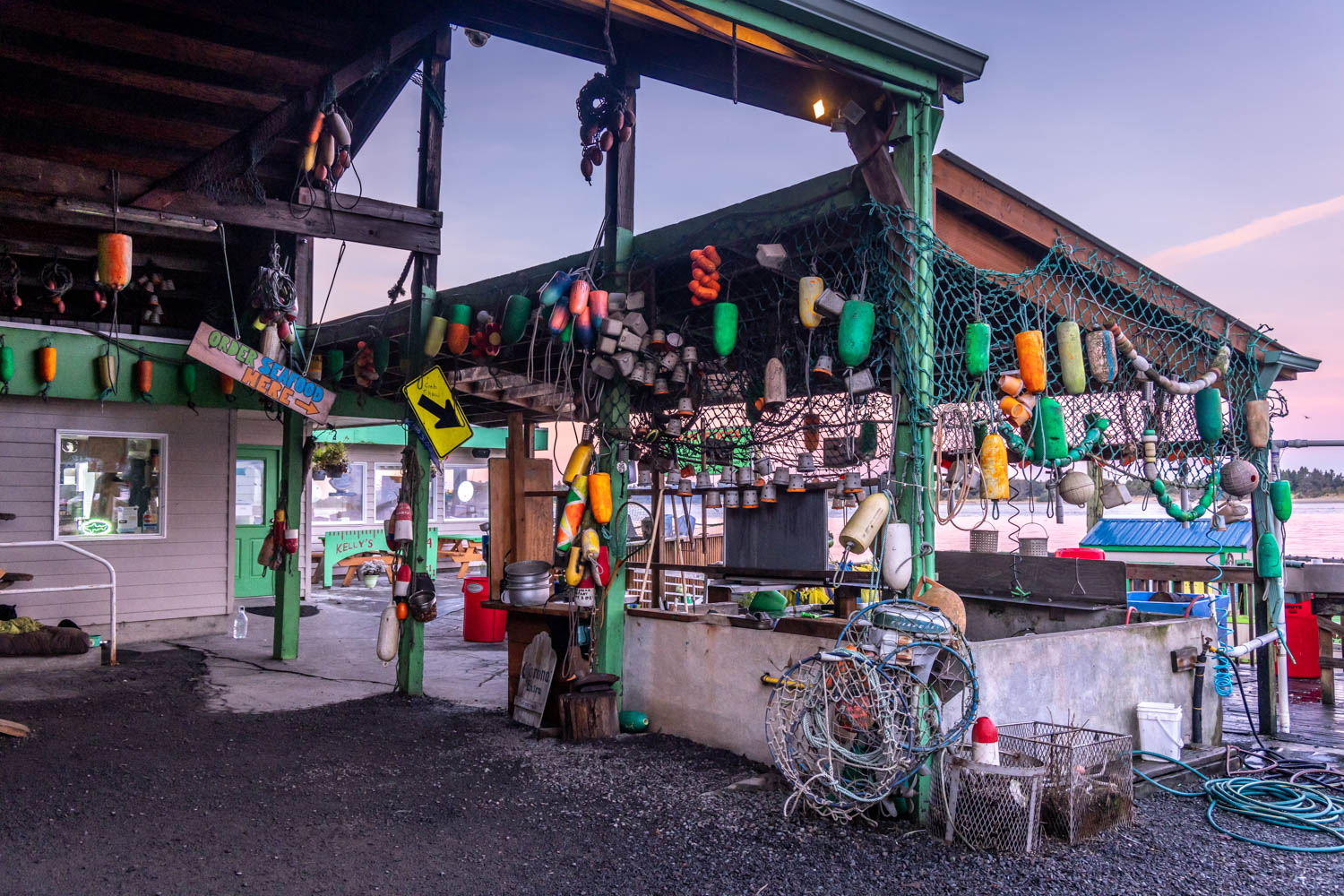
Other stops along picturesque coastline include little marina’s and quaint bays with scenic walking trails and plenty of fresh seafood. We even enjoyed the occasion to do some crabbing for fresh dungeness crab.
Kelly’s Marina at Brighton Bay
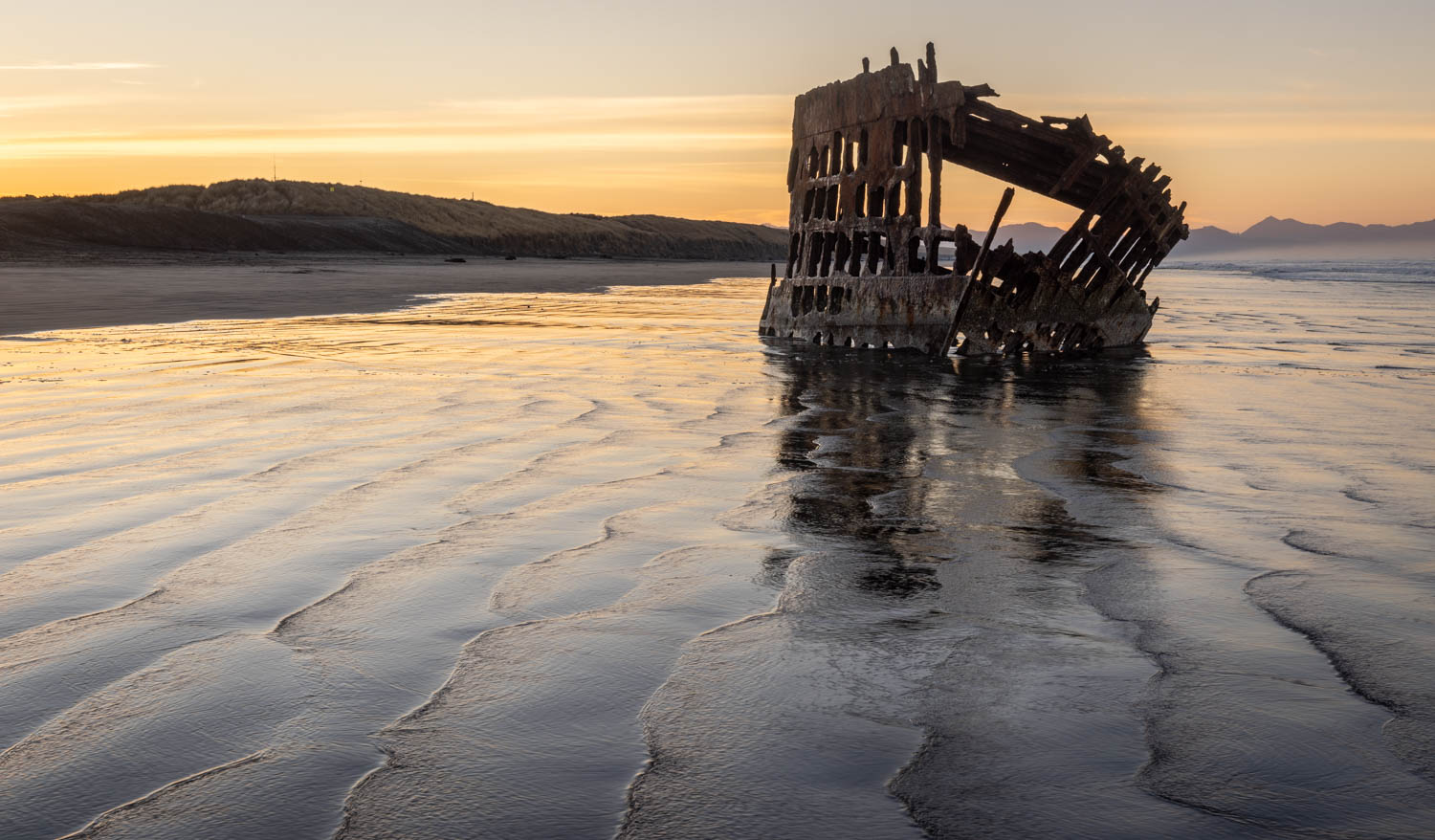
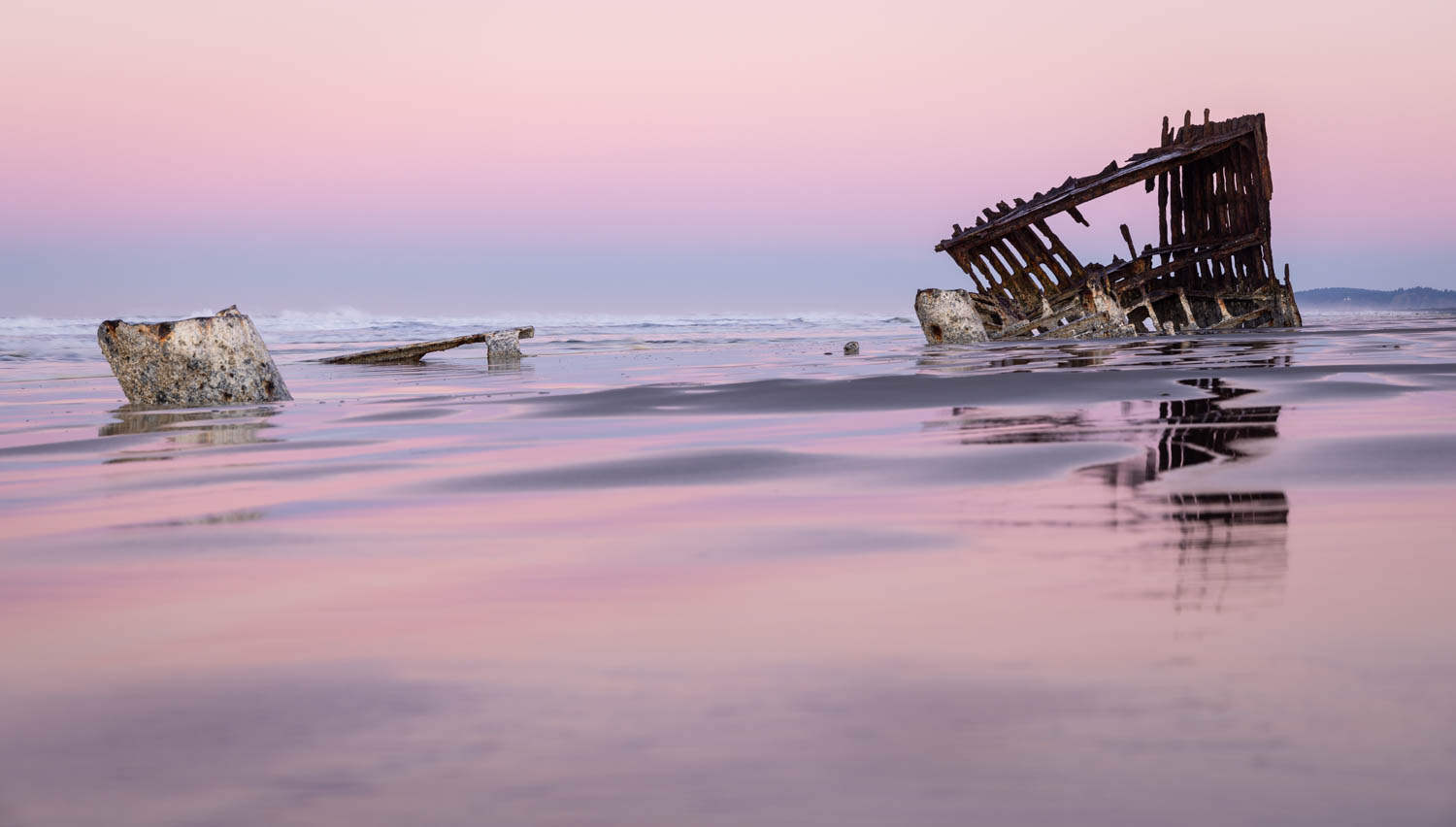
On the northern end of the Oregon Coast lies Ft. Stevens, home to the Military Historic Site and concrete artillery gun batteries and the popular tourist destination of the Peter Iredale wreck, left to rust, stranded ashore since 1906.
Peter Iredale Wreck
We barely scratched the surface of all the so many places to visit along the 343 miles (a mere 8 hour drive), that we did in 3-weeks. Maybe next time.
The sea otter is the largest member of the weasel family, but the smallest marine mammal. These cuddly fur balls can only be found in select places. Their numbers were once in the hundreds of thousands, but were hunted to near extinction for their furs between 1841 to 1911, until the practice was made illegal.
Today they are on the endangered species list and their decreasing population had fallen to 1,000 – 2,000 animals worldwide, and remain tenuous due to their sparse range. Today it is estimated that 3,000 animals exist along the coast of California from Half Moon Bay to Point Conception.
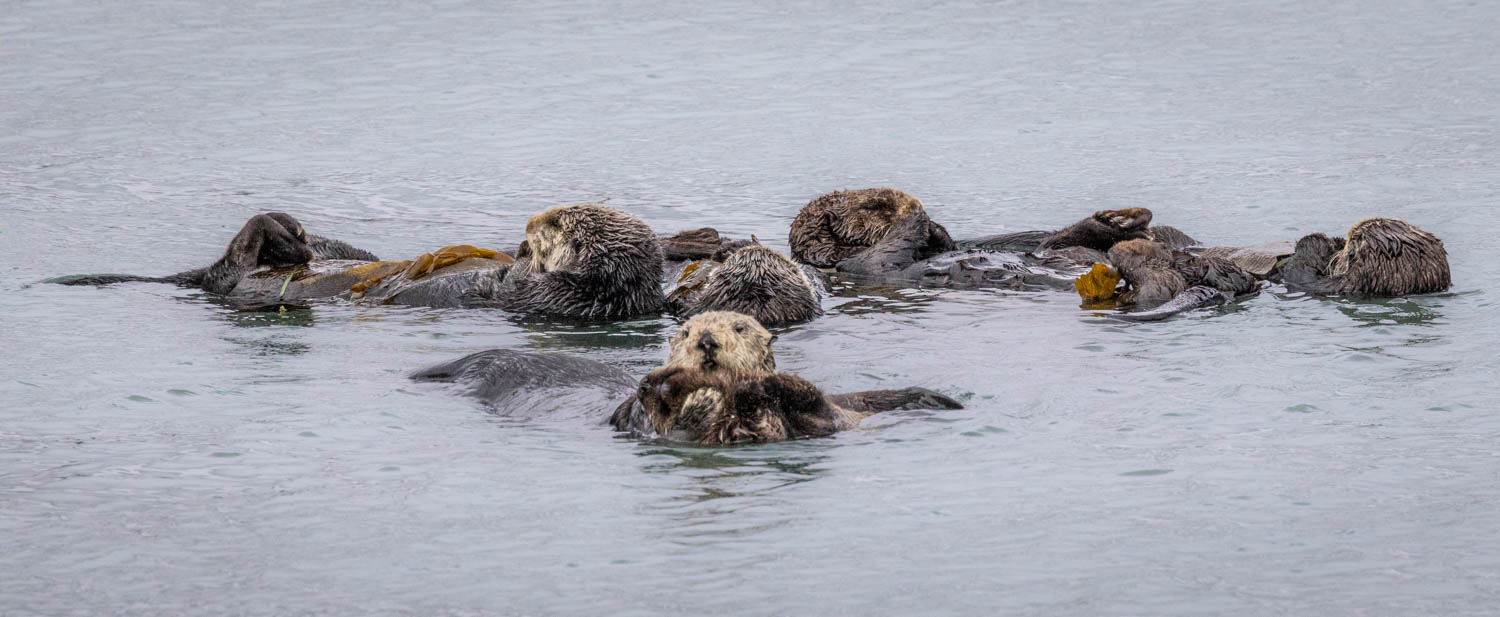
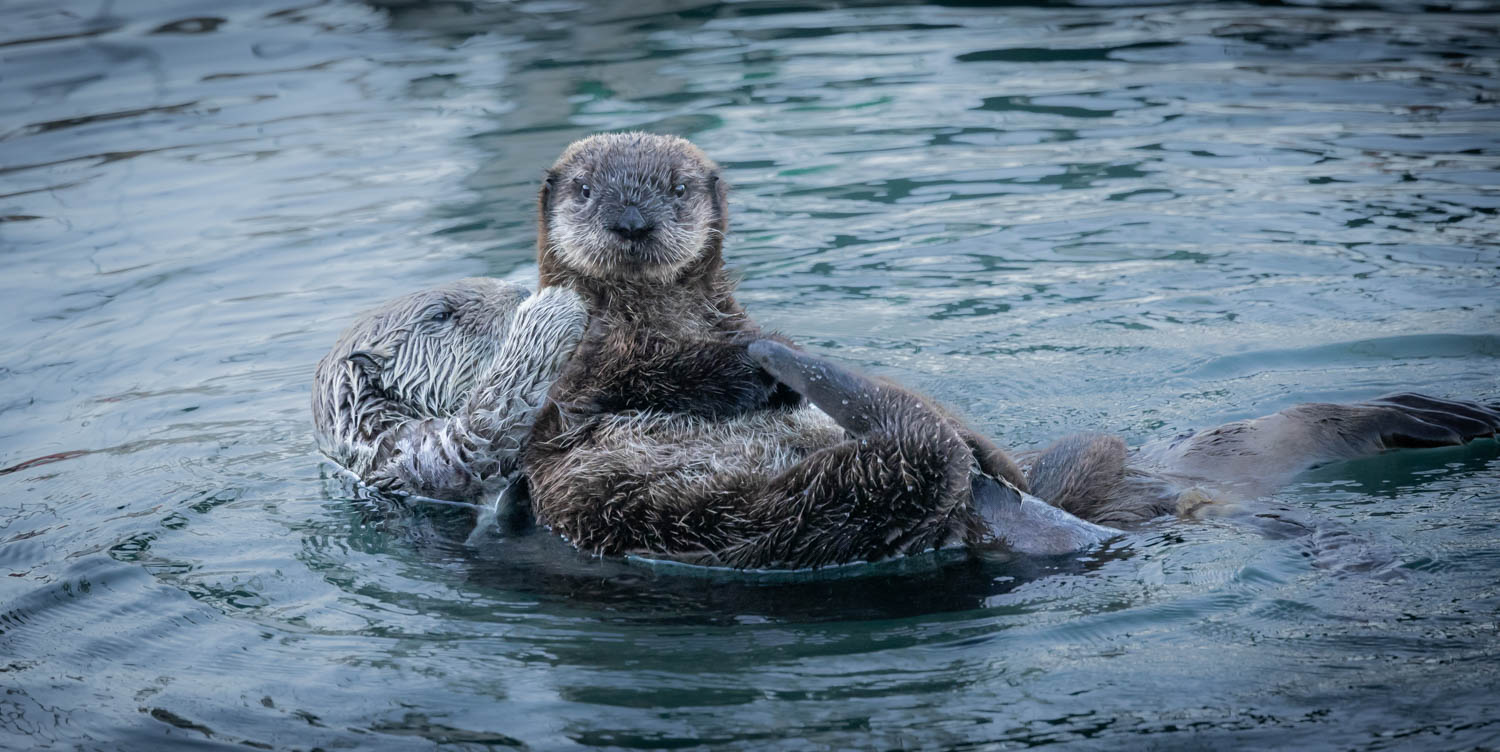
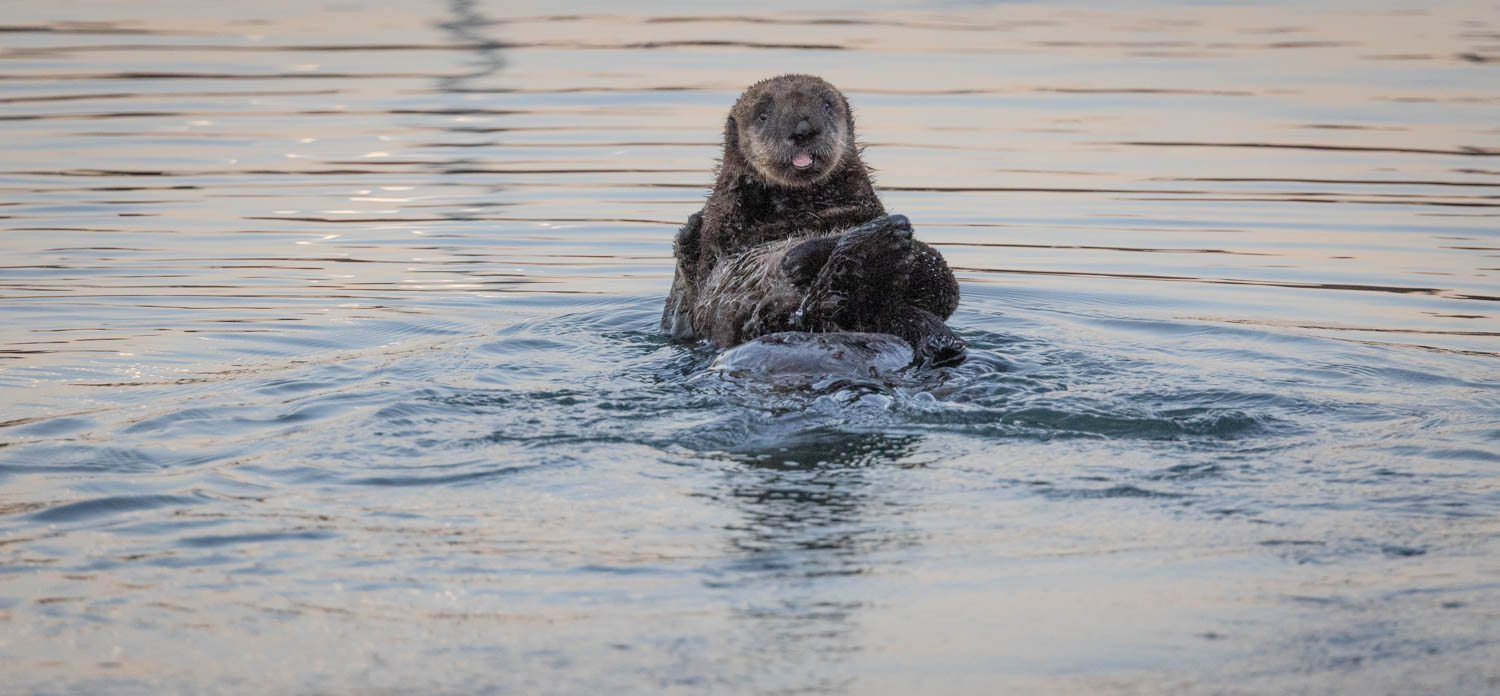
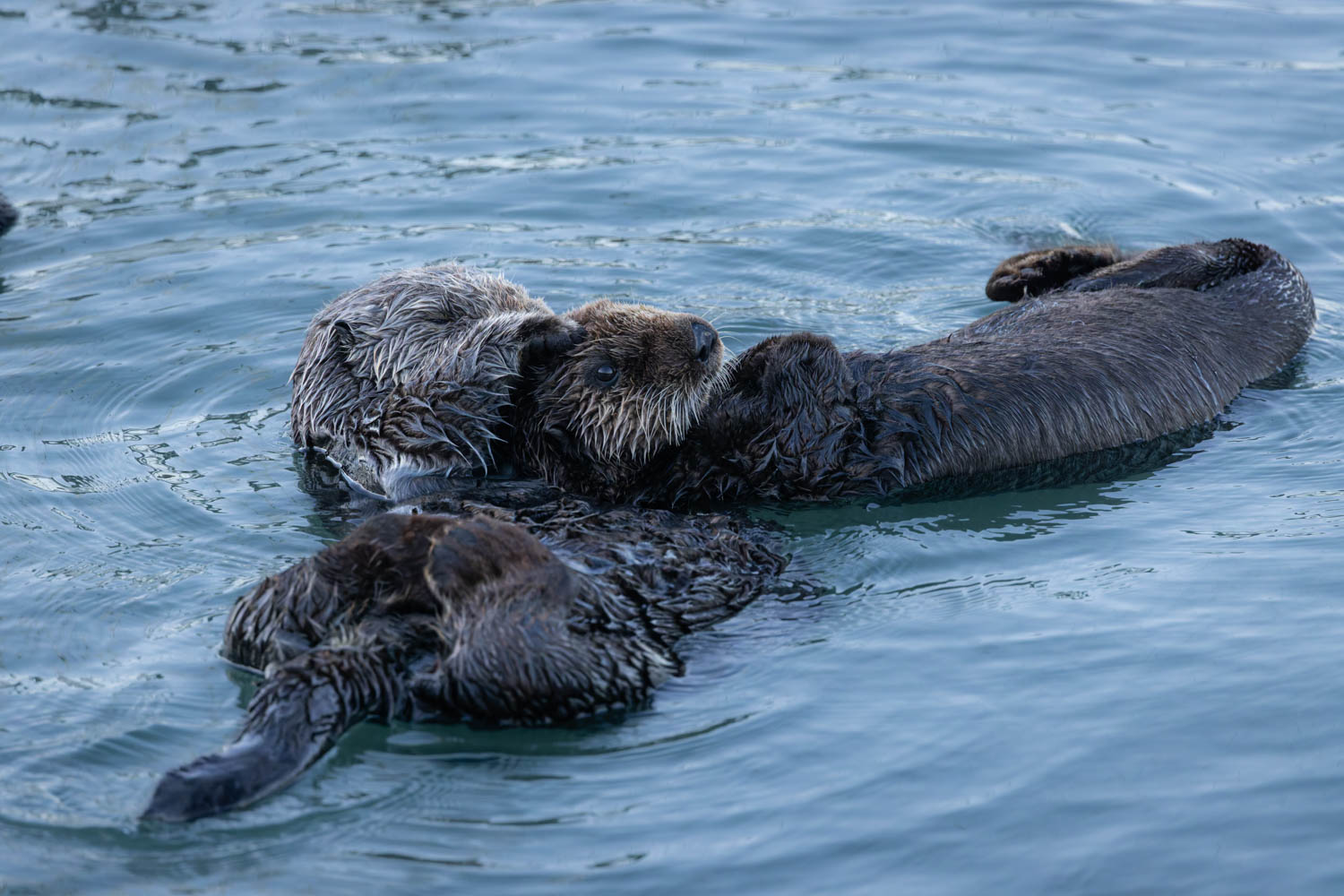
Morro Bay is one of my favorite spots along the California coast, and home to a small population of sea otters who come to the Bay for its calm lagoon water to have their babies and protect them from predators (namely sharks).
The otters have no blubber to keep them warm in the cold waters. Instead, they have a double layer of fur for insulation from the chilly waters which they groom frequently to keep clean. If their fur gets exposed to oil it loses its insulating factors.
Sea otter pup’s fur traps so much air that they can’t dive underwater. If a mom needs to go out and hunt for food, she wraps her pup in kelp so that it bobs to the surface like a cork. The pups begin to learn to swim after 4 weeks and wean from mom by 8 months.
The otters feed on kelp forests and sea urchins keeping the marine environment healthy, and enjoy crabs, mussels, and clams. They give birth in the water and cuddle their young while floating on their back.
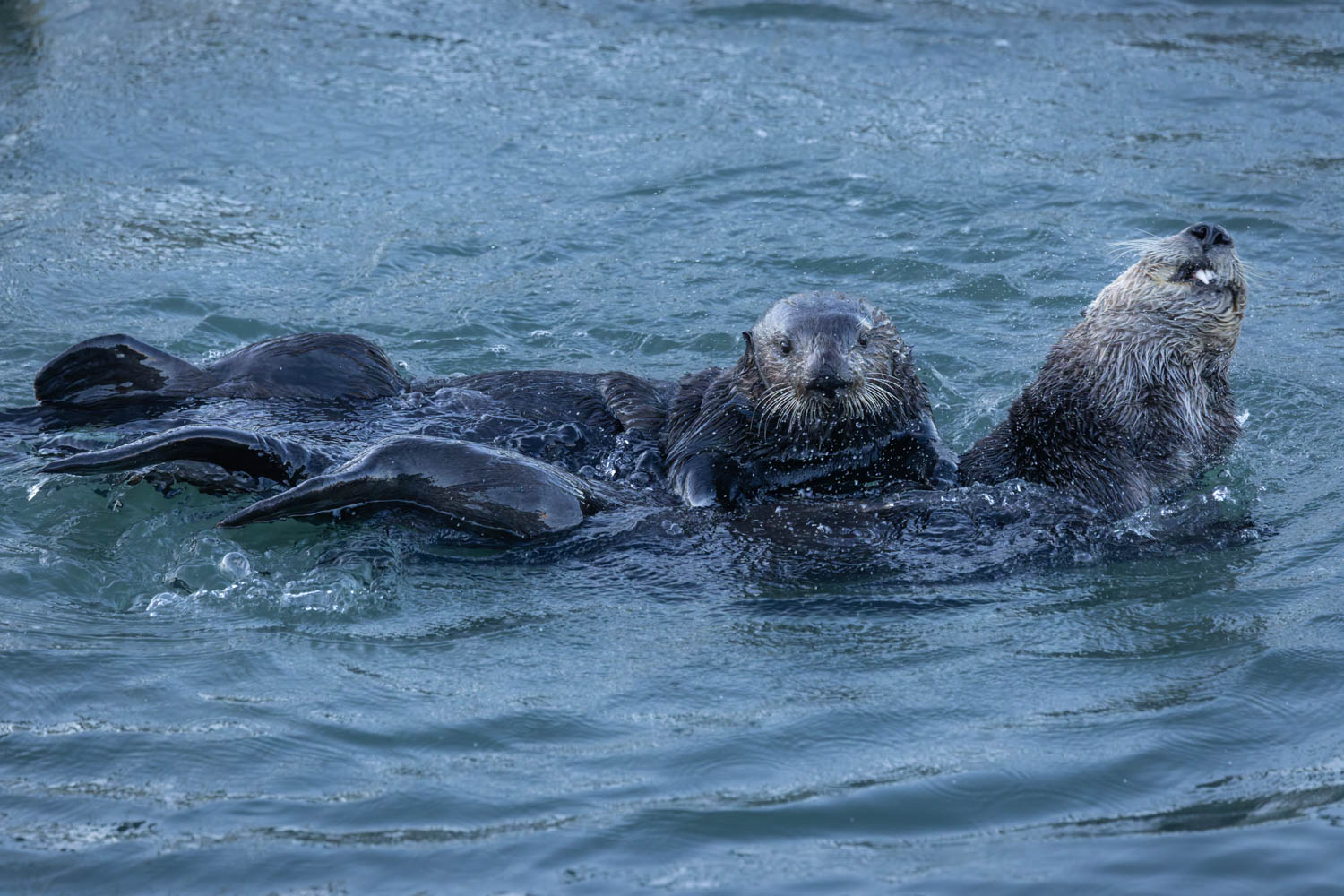
We watched as two ‘teenagers’ horsed around in the water dive bombing nursing moms and babies in the ‘nursery’ to less enthusiastic little ones that spilled into the water whining for mom. It was fun to watch and beautiful to see the otters flourishing in this special place.
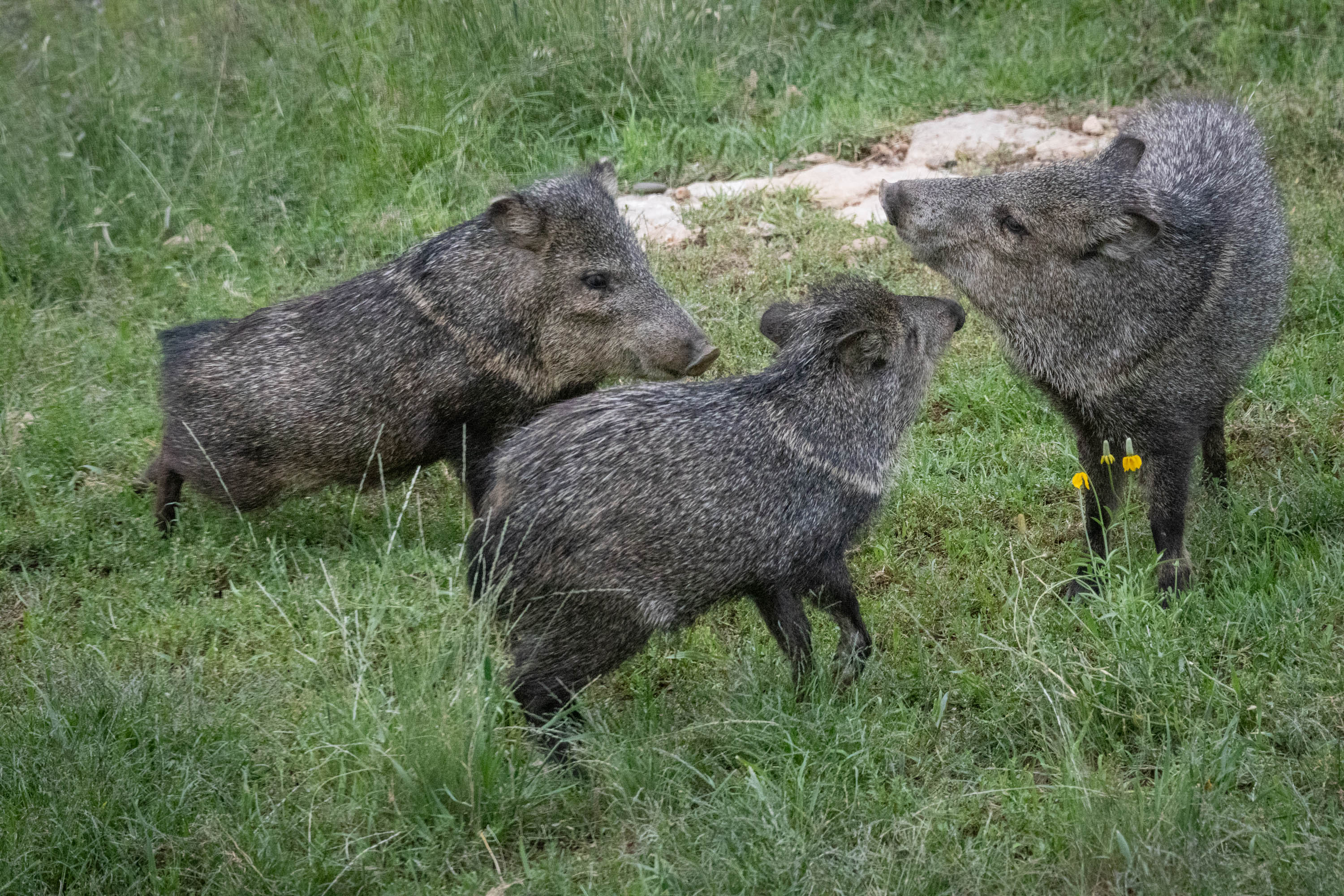
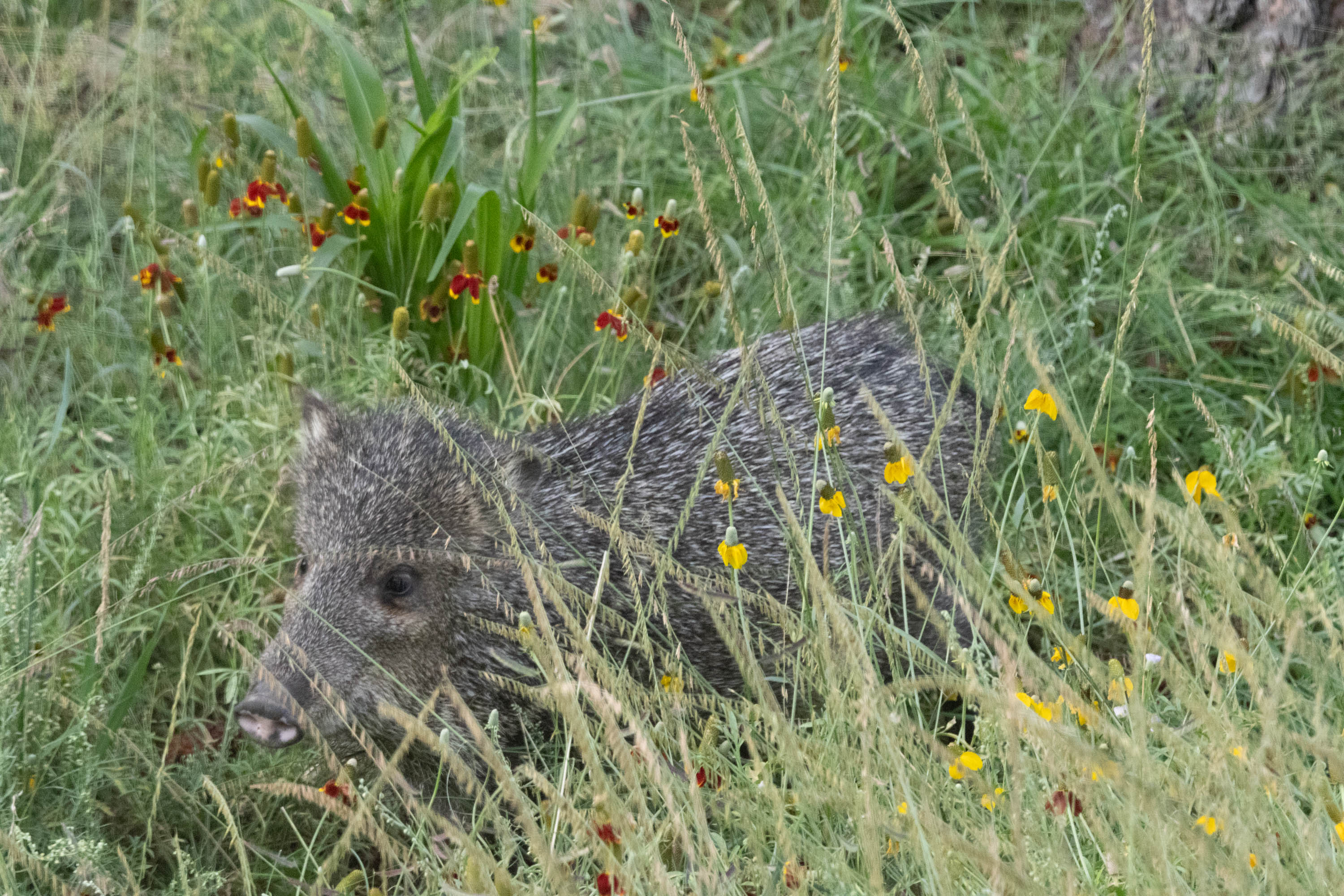
It sounds like a spicy green you put in your salad. But in reality collared peccary is better known as javelina. It’s as foreign to these parts as spicy greens. Down South, you know, Phoenix / Tucson area is a more suitable home for the herbivore desert swine that subsists on desert fauna like mesquite beans, prickly pear, and desert greens.
The collared peccary is so called for their light colored collar around their neckline.
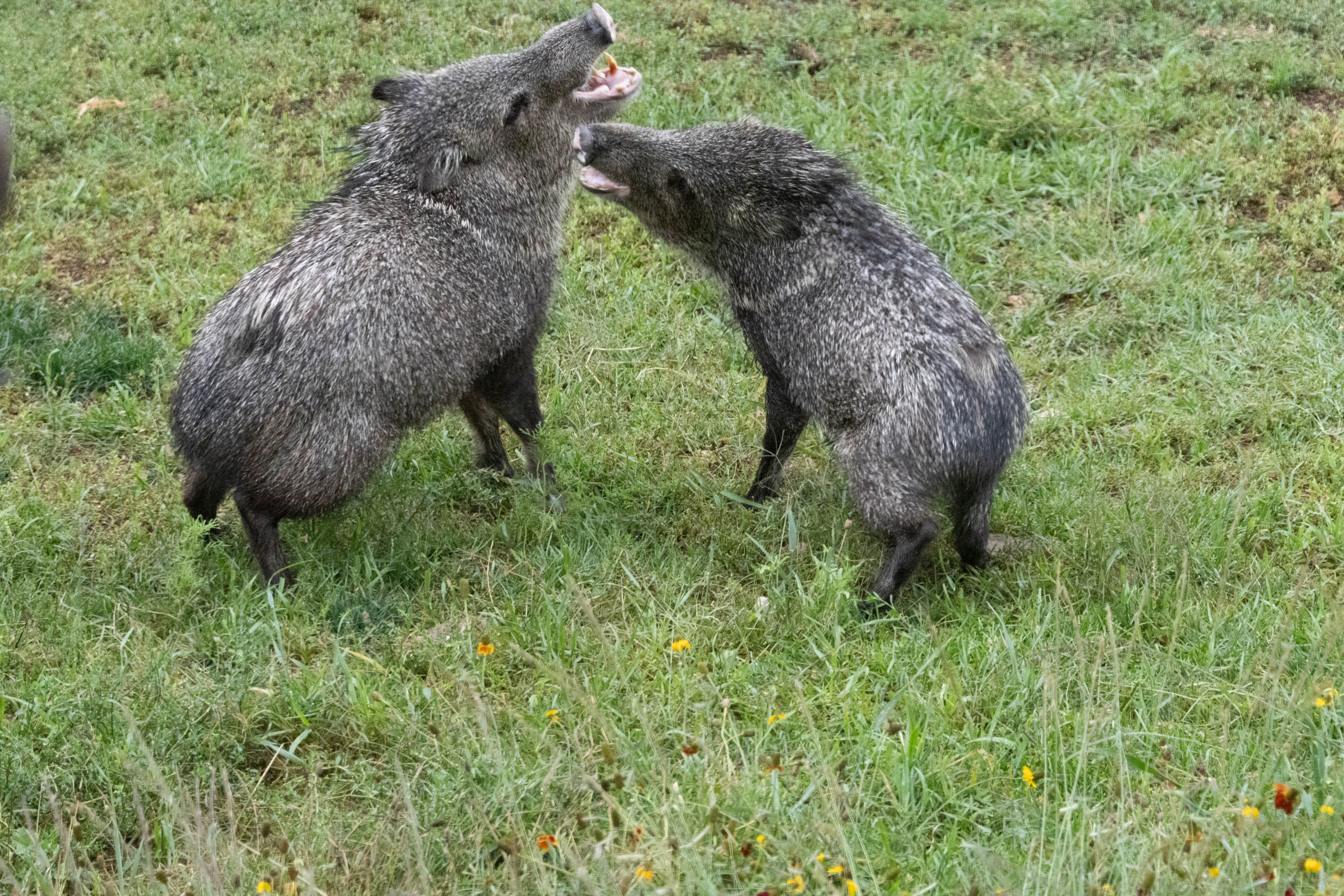
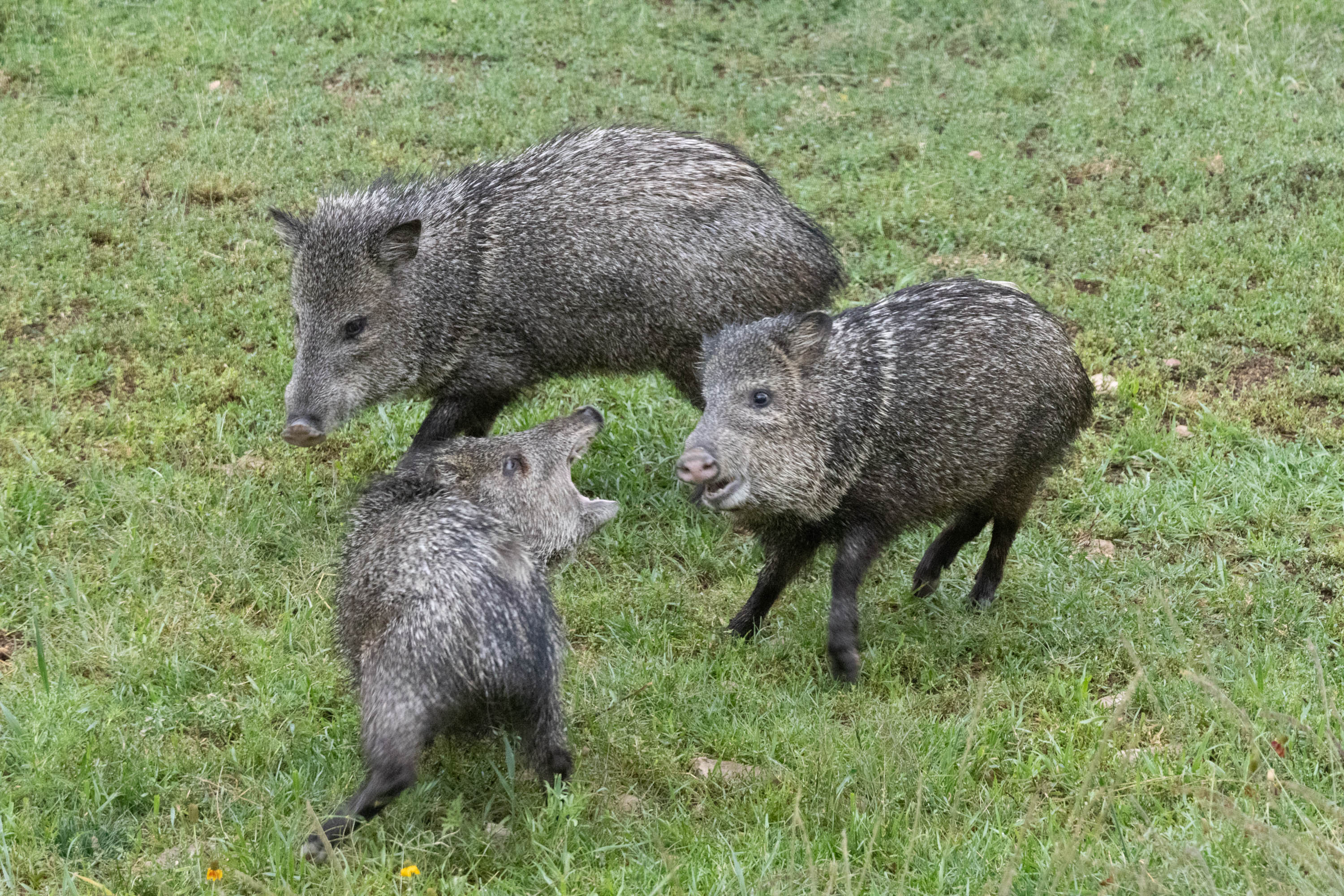
These small ‘pigs’ are relatively small in stature – only 2′ tall by 3-4′ long, generally 35 – 55 lbs. We encountered a small family of three – presumably the mother, father, and baby. They were very affectionate with one another and rubbed their scent on their skin to identify with one another.
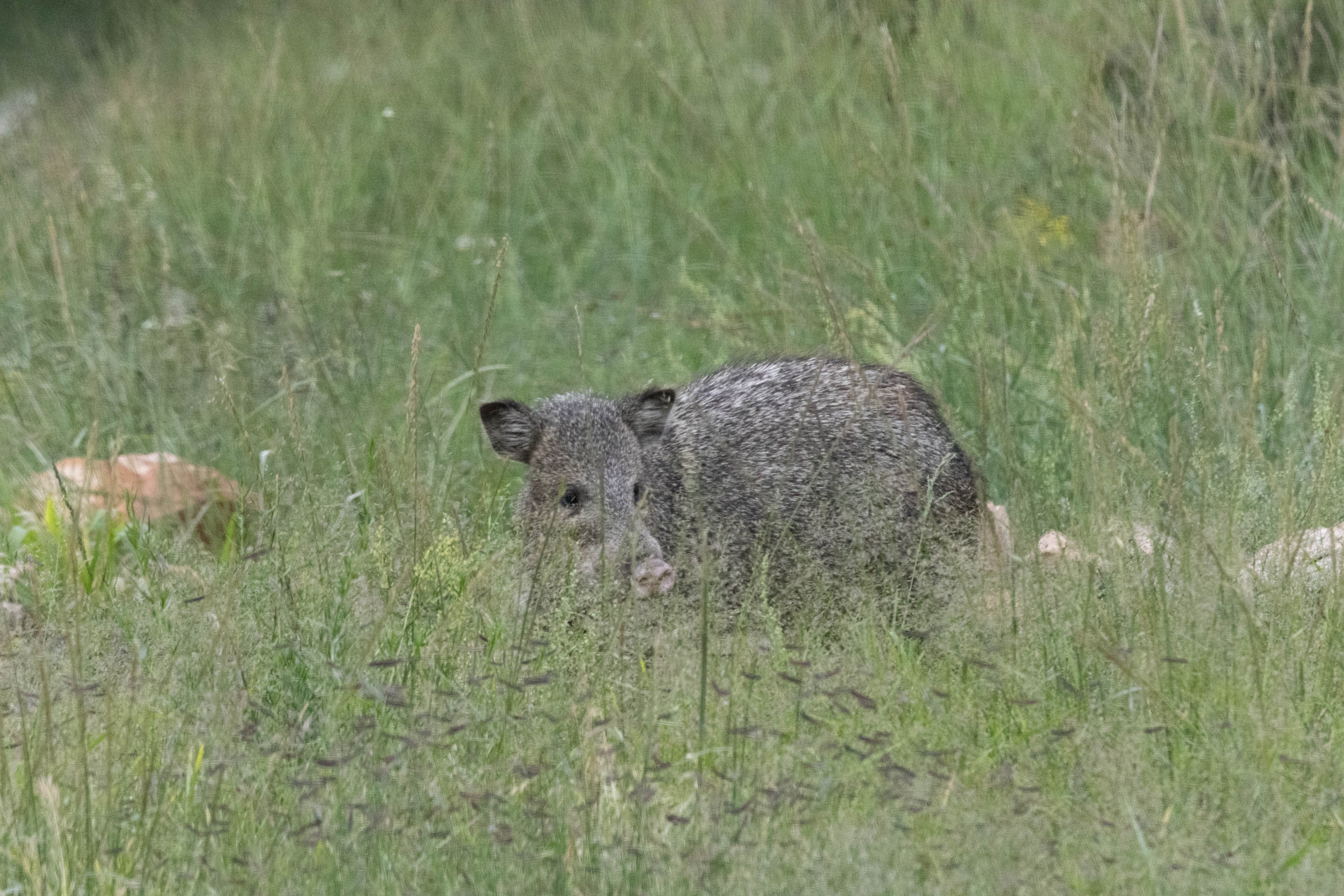
The javelina are myopic and have poor eye sight, but rely heavily on their sense of smell and hearing. They spar with one another in a playful manner, as if to teach skills for the wild with predators such as coyotes, bobcat, and mountain lion lurking.
They were quick to vanish at the sound of danger, but slow to notice me watching with my camera.
They were more interested in the patch of lush green grass they enjoyed in an otherwise field of fallen dry pine needles in the thick forest they found themselves in.
Despite their unusual sighting, we were happy to see them and capture some fun shots of the peculiar beasts.
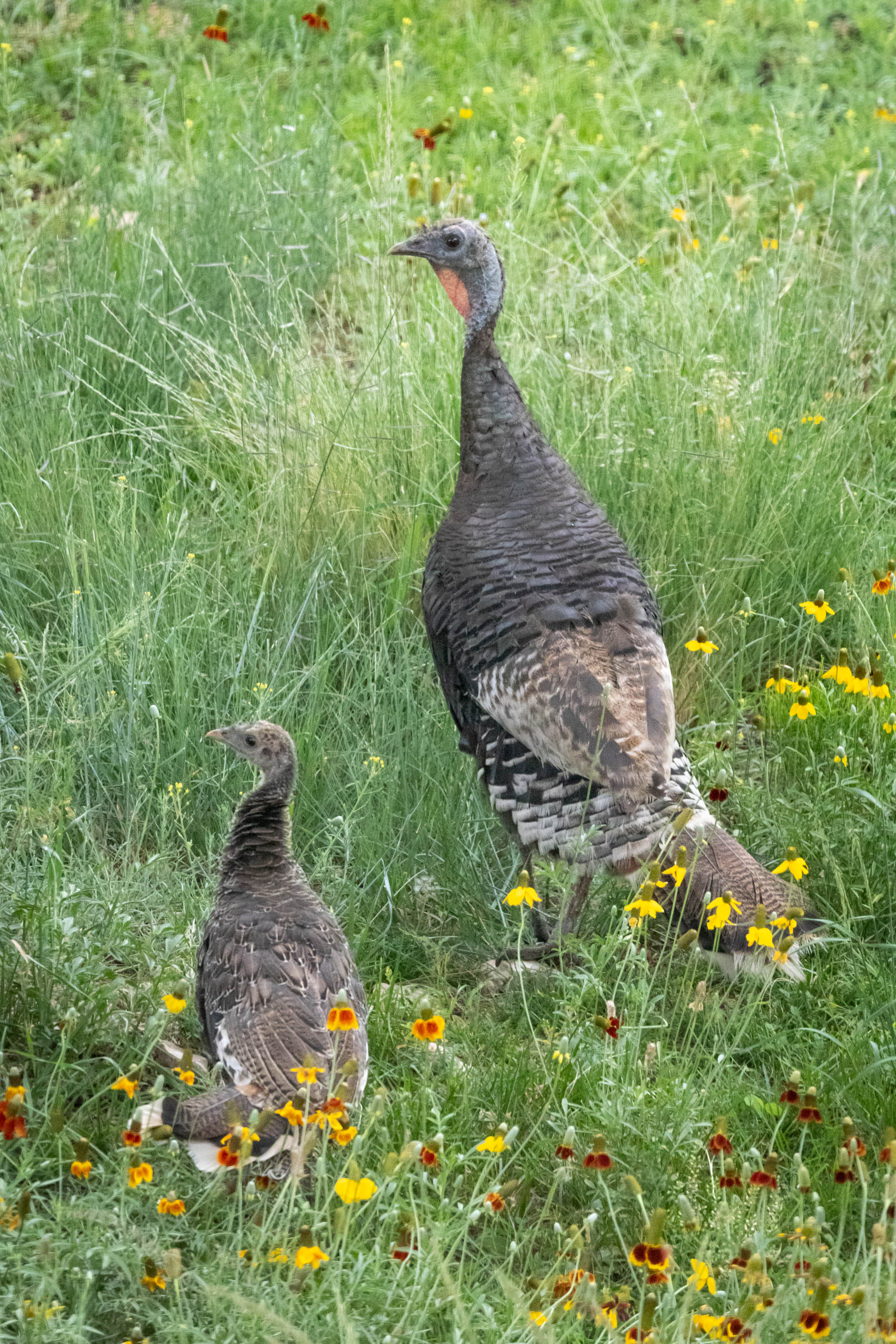
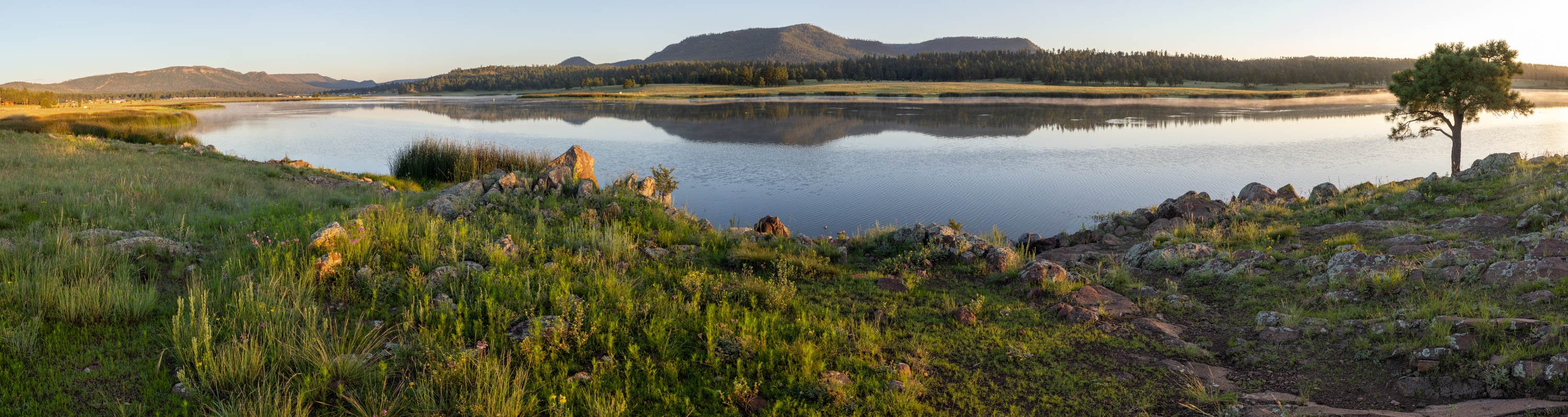
Just East of Alpine nearly to the New Mexico border is a 75 acre beautiful lake at close to 8,000 feet elevation. It’s home to huge herds of elk, turkey, and a variety of waterfowl.
Campers, bicyclists, fishermen, four-wheelers, and hunters flock to the respite. It’s just off Highway 191, otherwise known as the Coronado Trail National Scenic Byway, which follows the trail of the explorer Francisco Vasquez de Coronado, who in 1540 sought the fabled “Seven Cities of Cibola”.
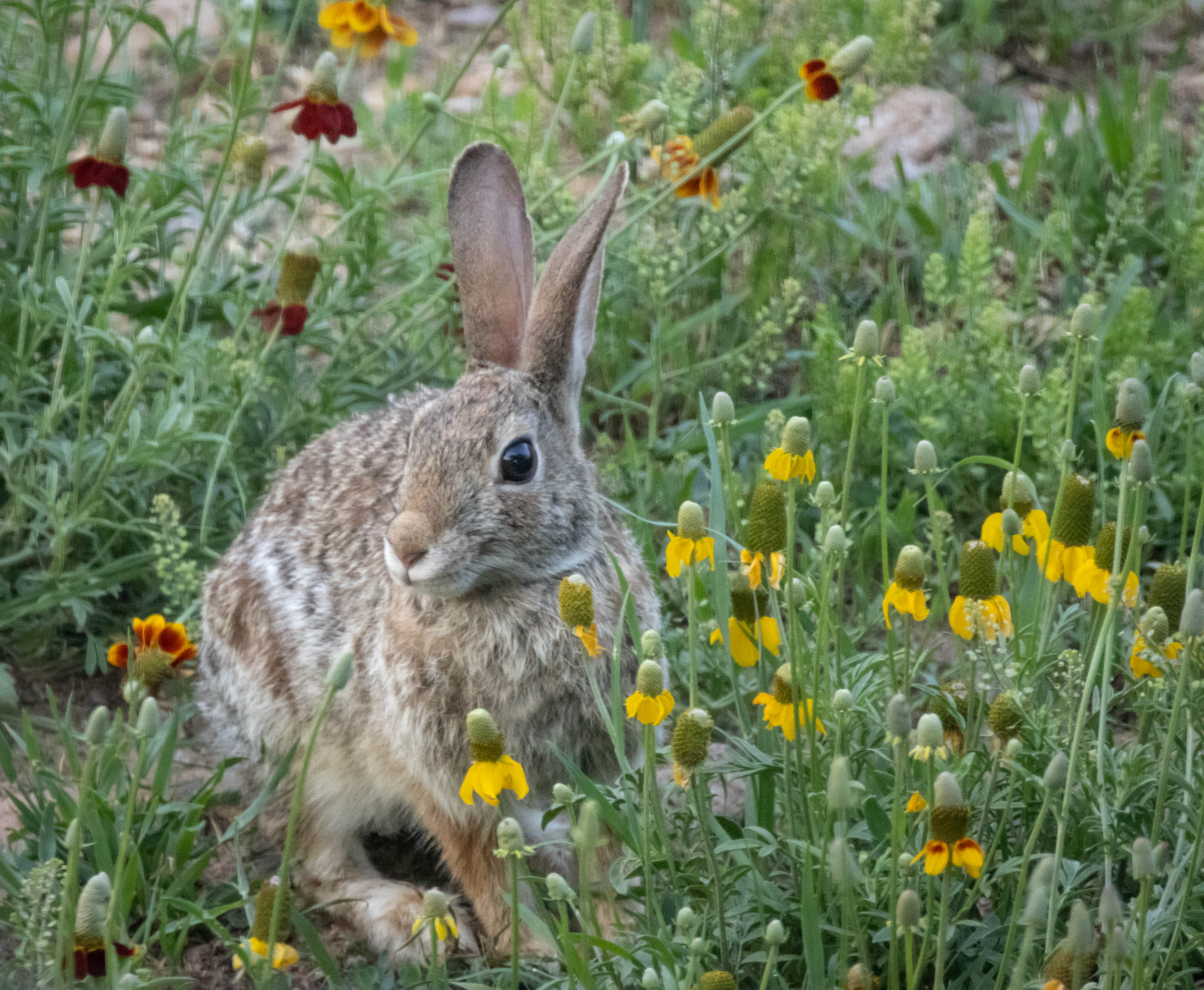
Wildflowers abound during the summer following monsoon rains, attracting birds, butterflies and other flying pollenators.
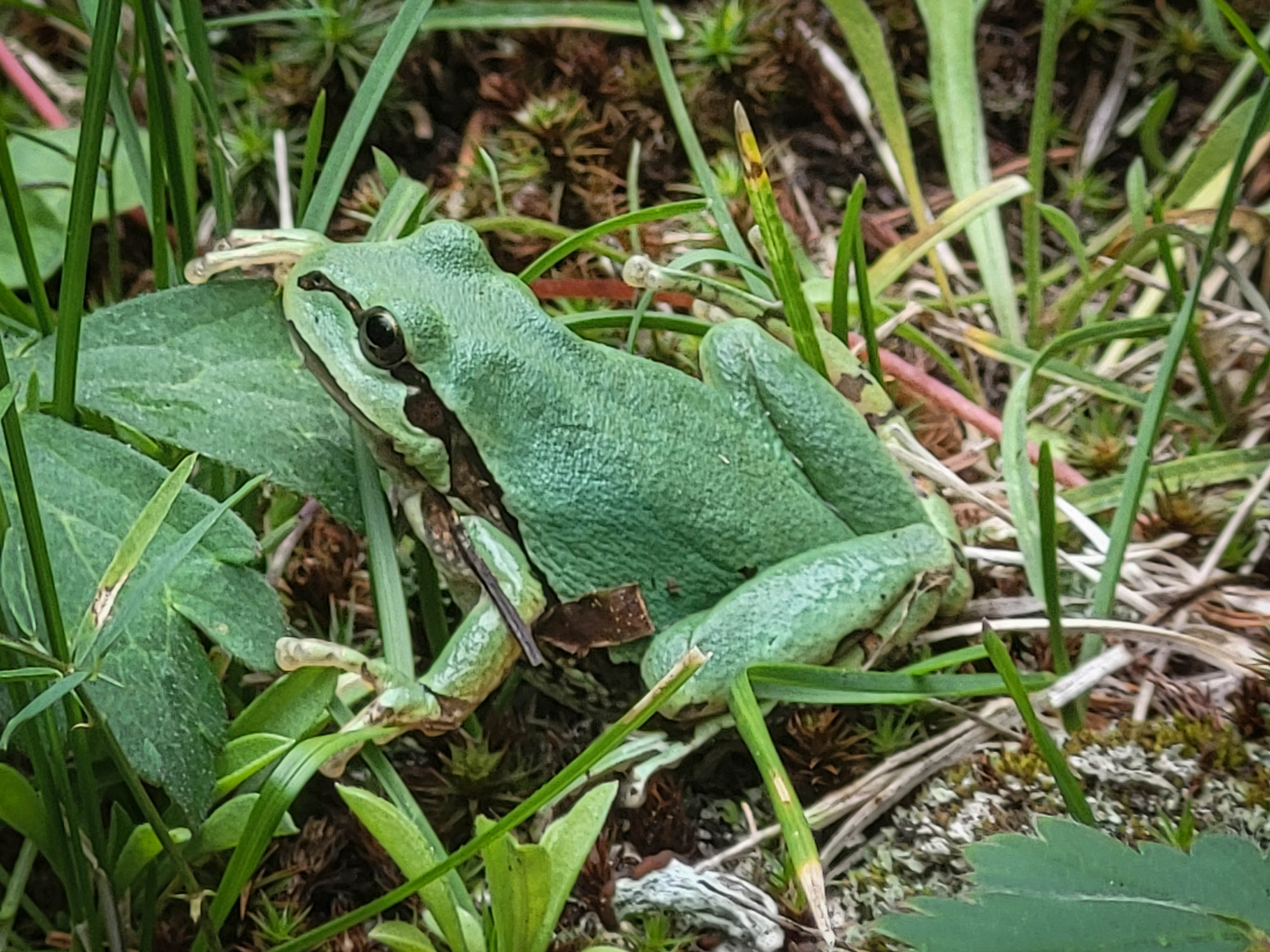
The Wildlife area provides a riparian area enjoyed by osprey, bald eagle, weasels, and tree frogs.
Whatever your allure, Luna Lake offers a little bit of everything for anyone who enjoys the outdoors and nature.
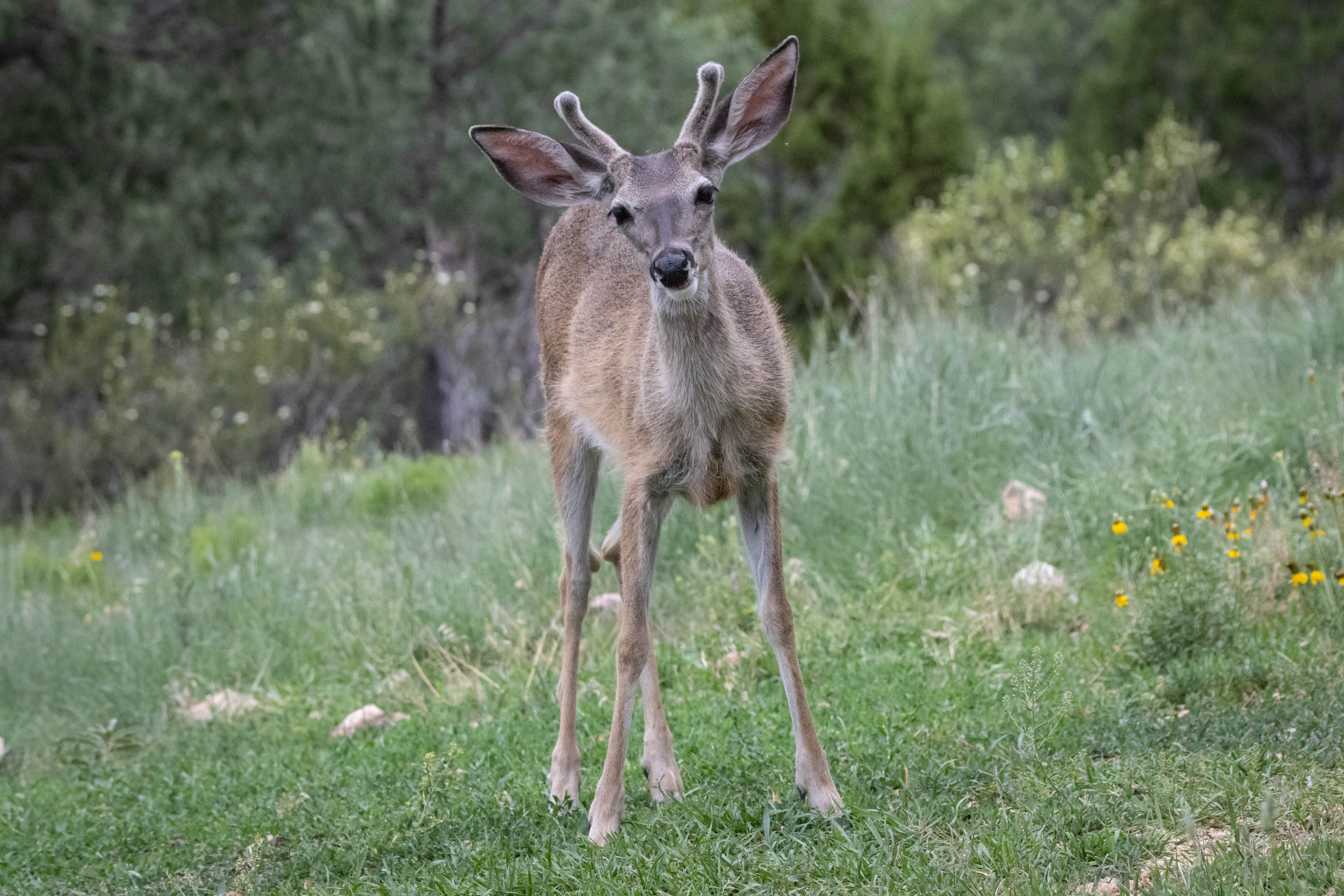
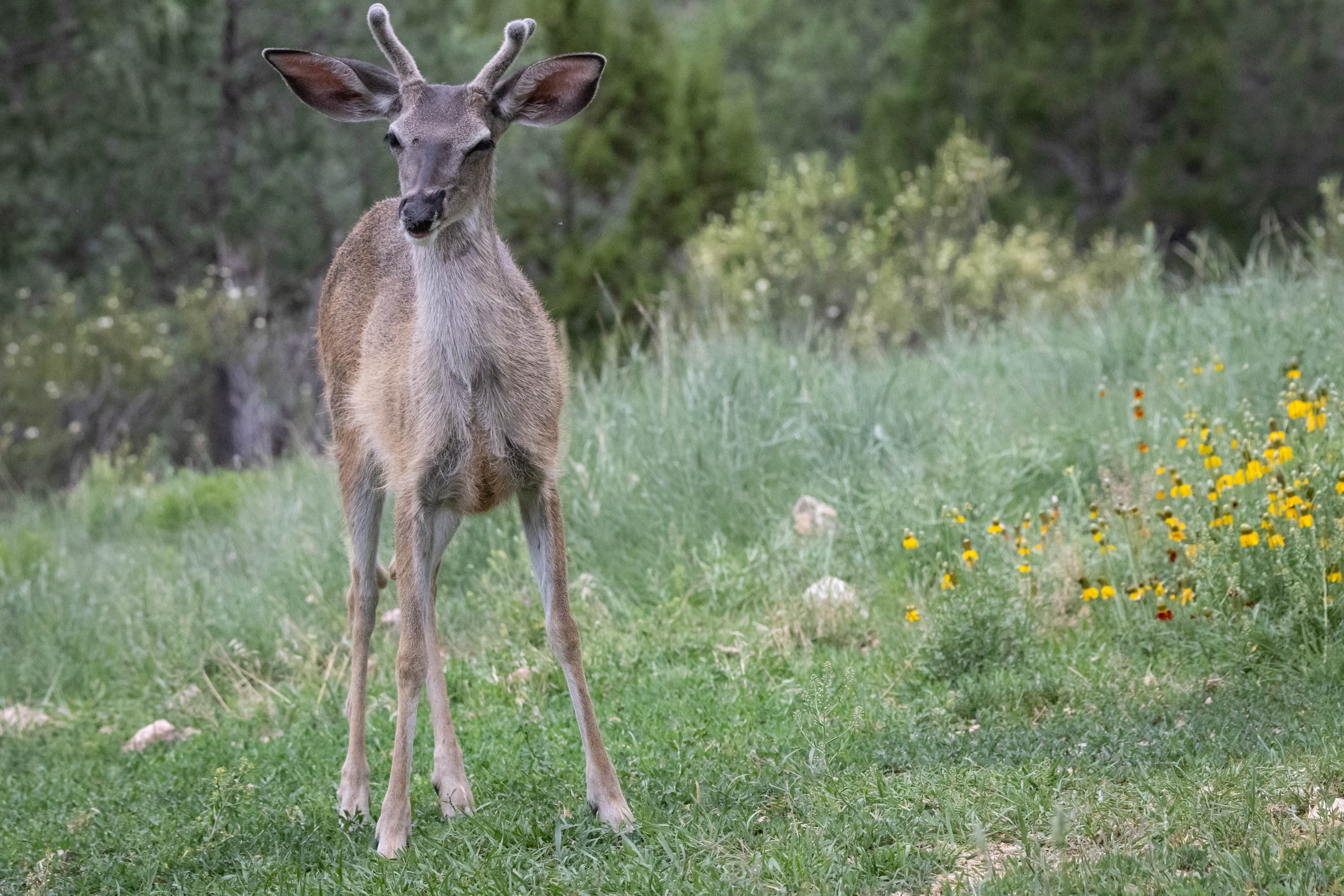
I love this season. It’s baby time! It’s the perfect time to sit in my blind and hope that I get lucky.
There is something peaceful and relaxing about observing nature unseen by the animals that live in it. One can hear the sounds of natures – the movement of animals, the wind and rain that pitter patters on the ground; the foraging of animals looking for food, quietly moving through the forest, ever so graceful.
You can get close to them and observe their behaviors and get up close and personal with them in their environment.
Of course, it often takes hours and days of repeated ‘sessions’ in the blind to finally ‘get lucky’. Animals, after all, are by nature, are not necessarily creatures of habit. They mix it up to stay alive and avoid the predators.
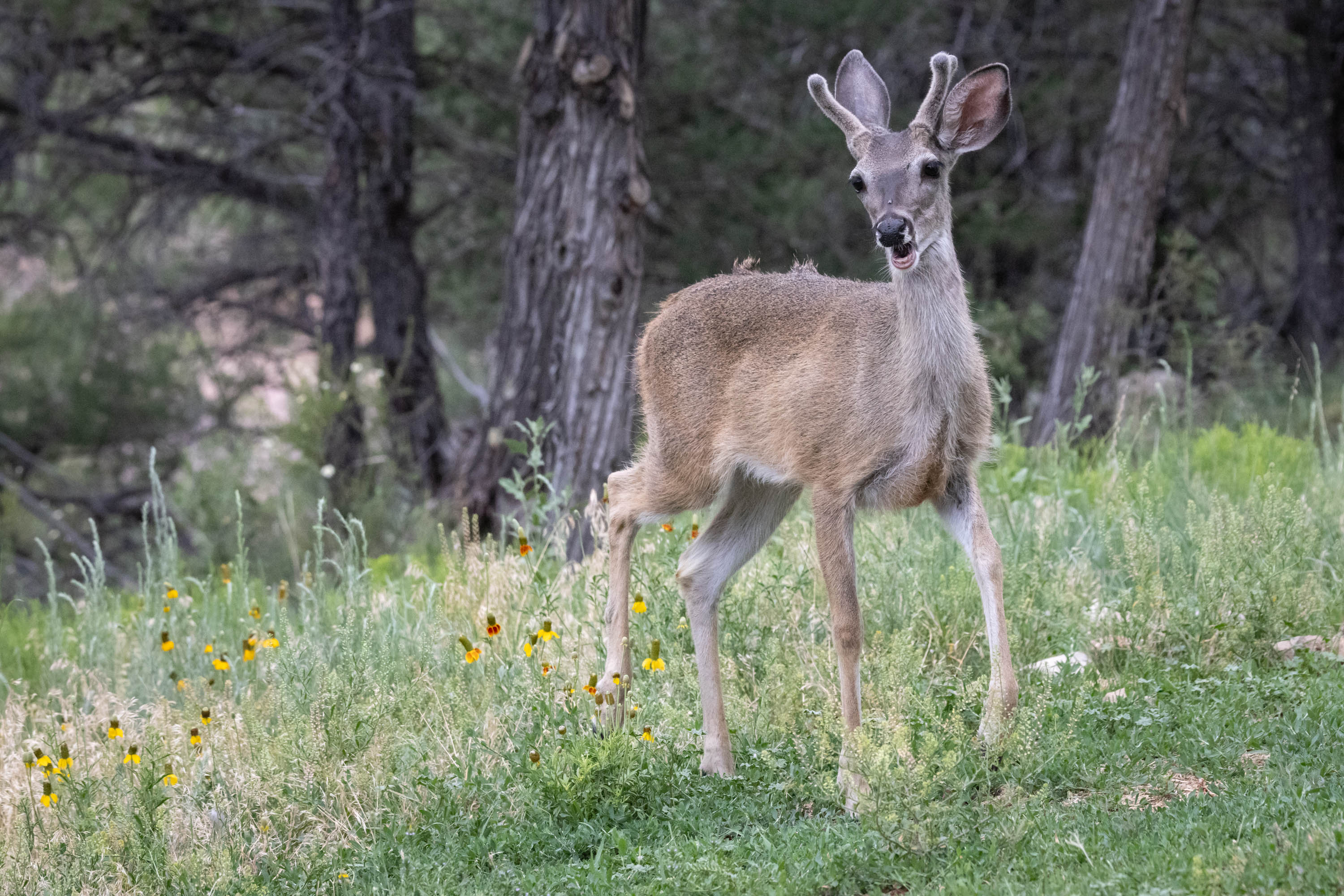
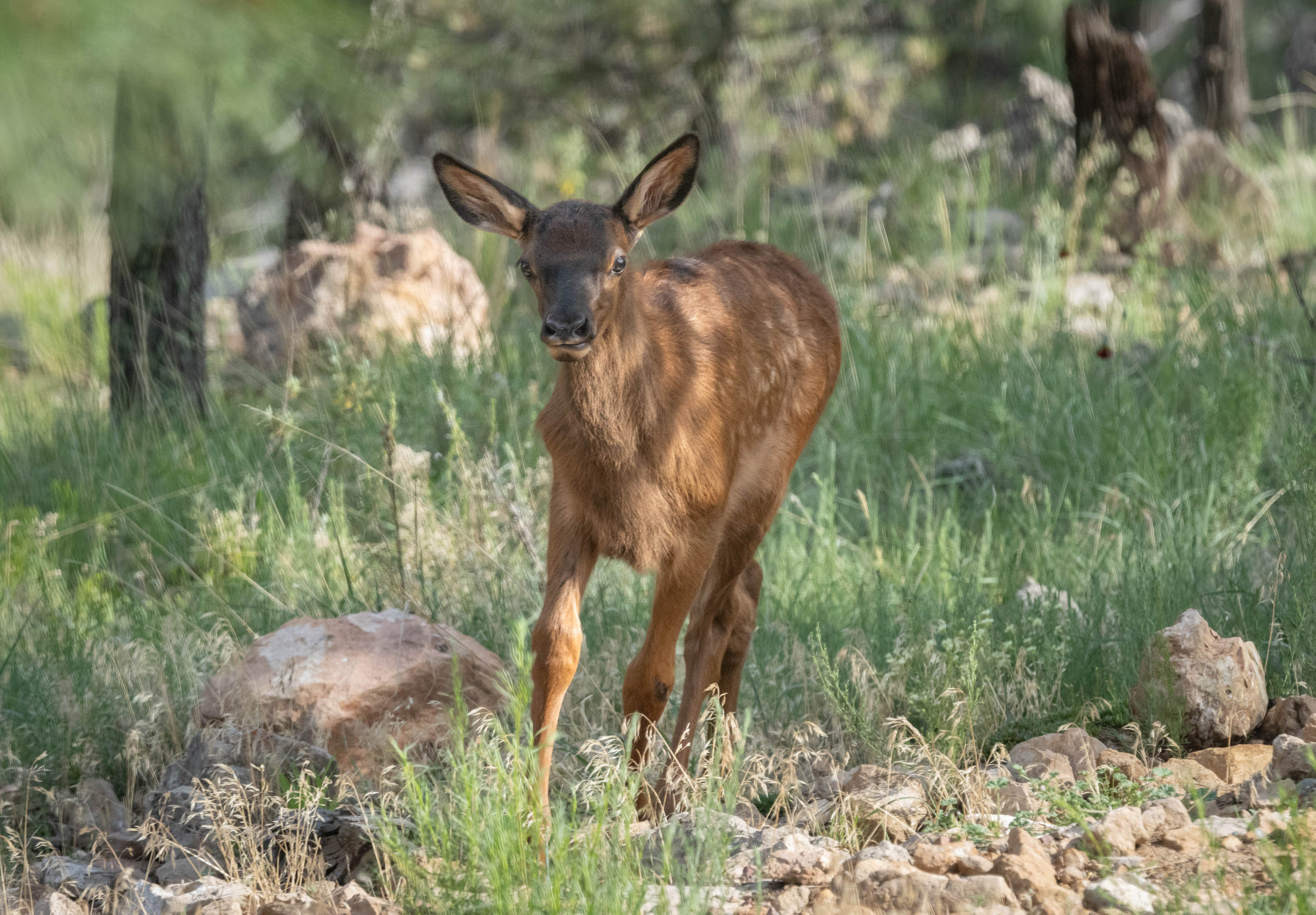
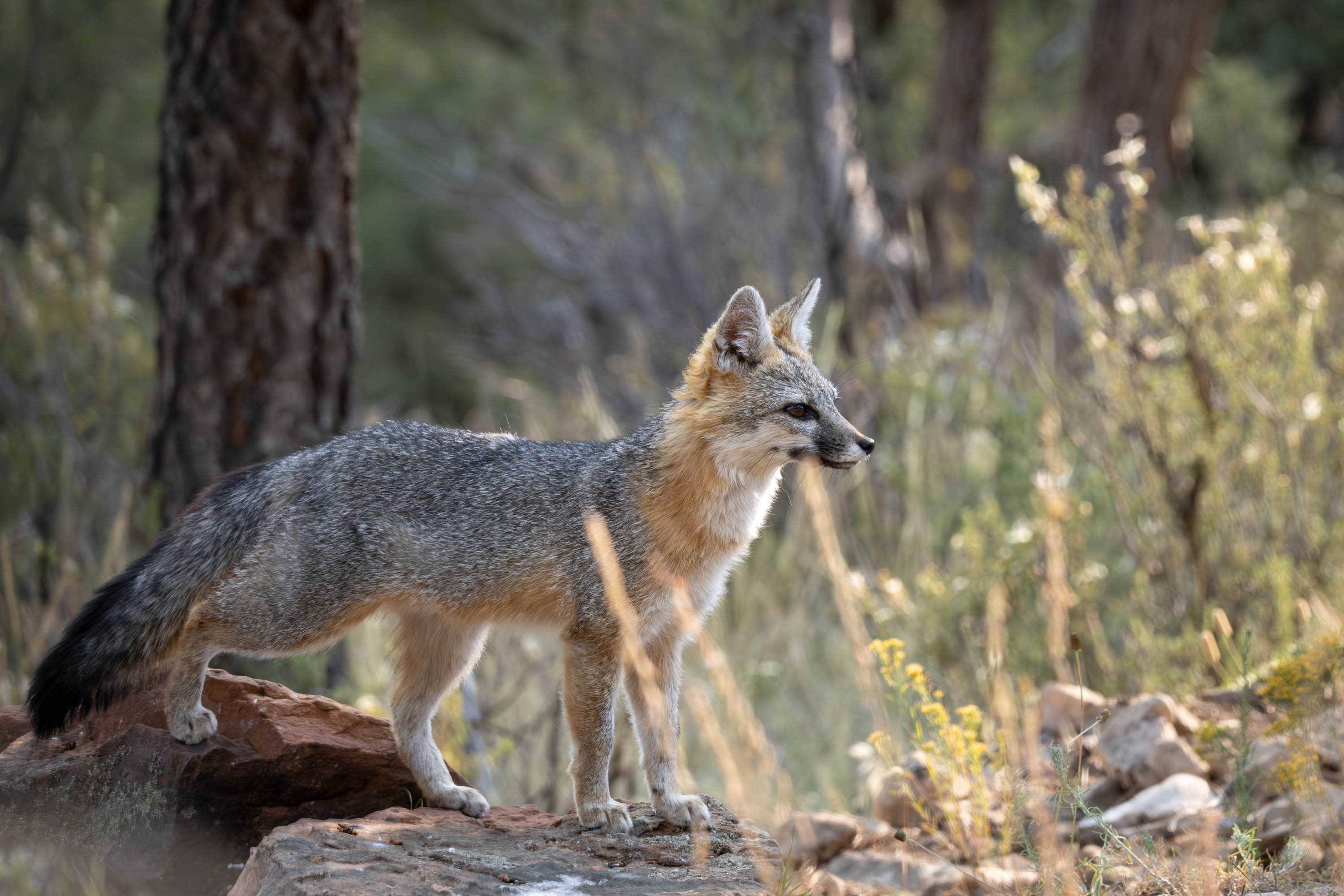
But, over the course of a number of days, and a lot of hours, my patience and determination paid off with little white tail bucks, baby elk, and gray fox.
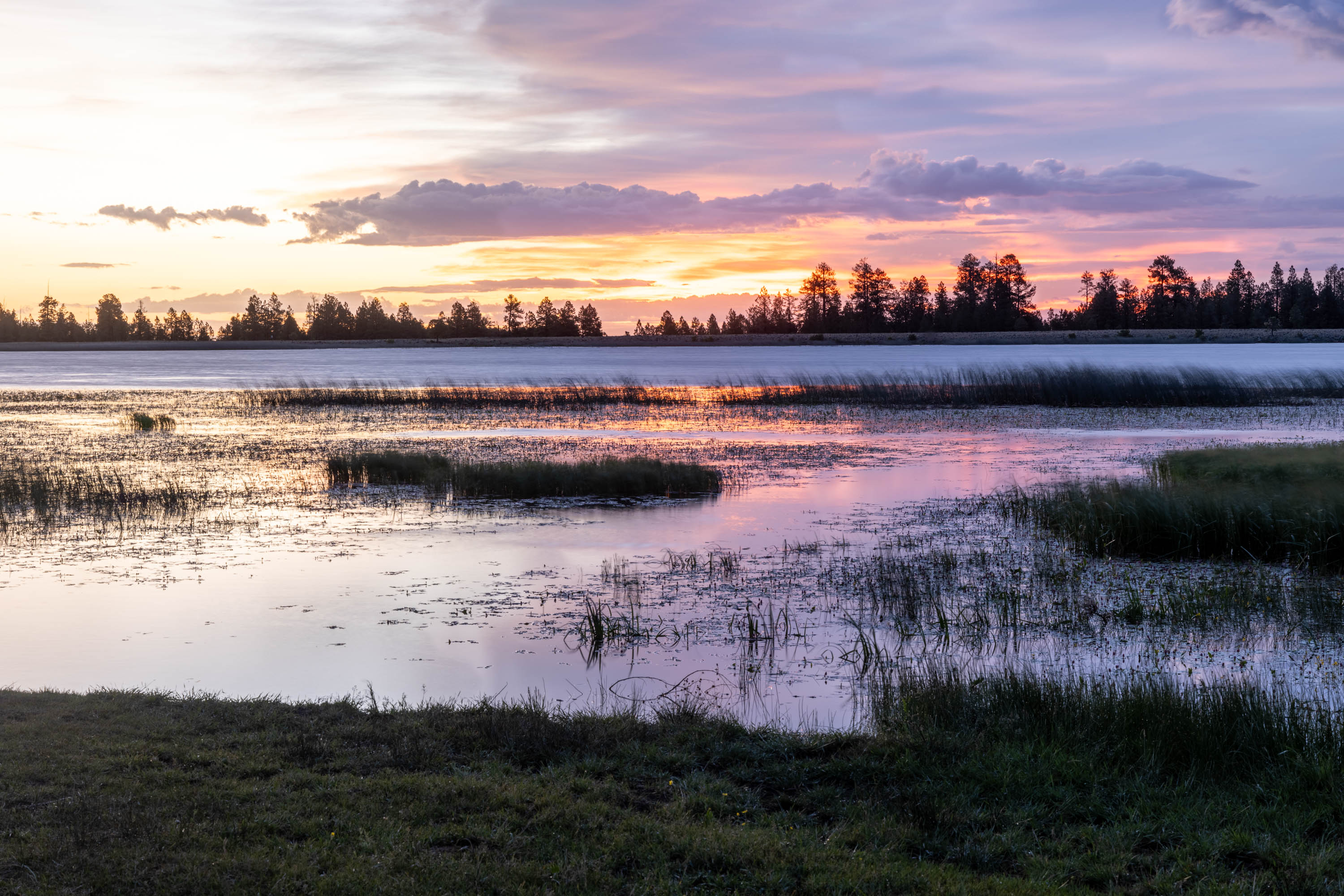
North of Pinetop / Lakeside is an area known as Greens Peak. At over 10,000 ft, it gets plenty of snow in the winter, and is lush green in the summer. Hidden back along a well marked dirt road is one of our favorite places to camp, Carnero Lake.
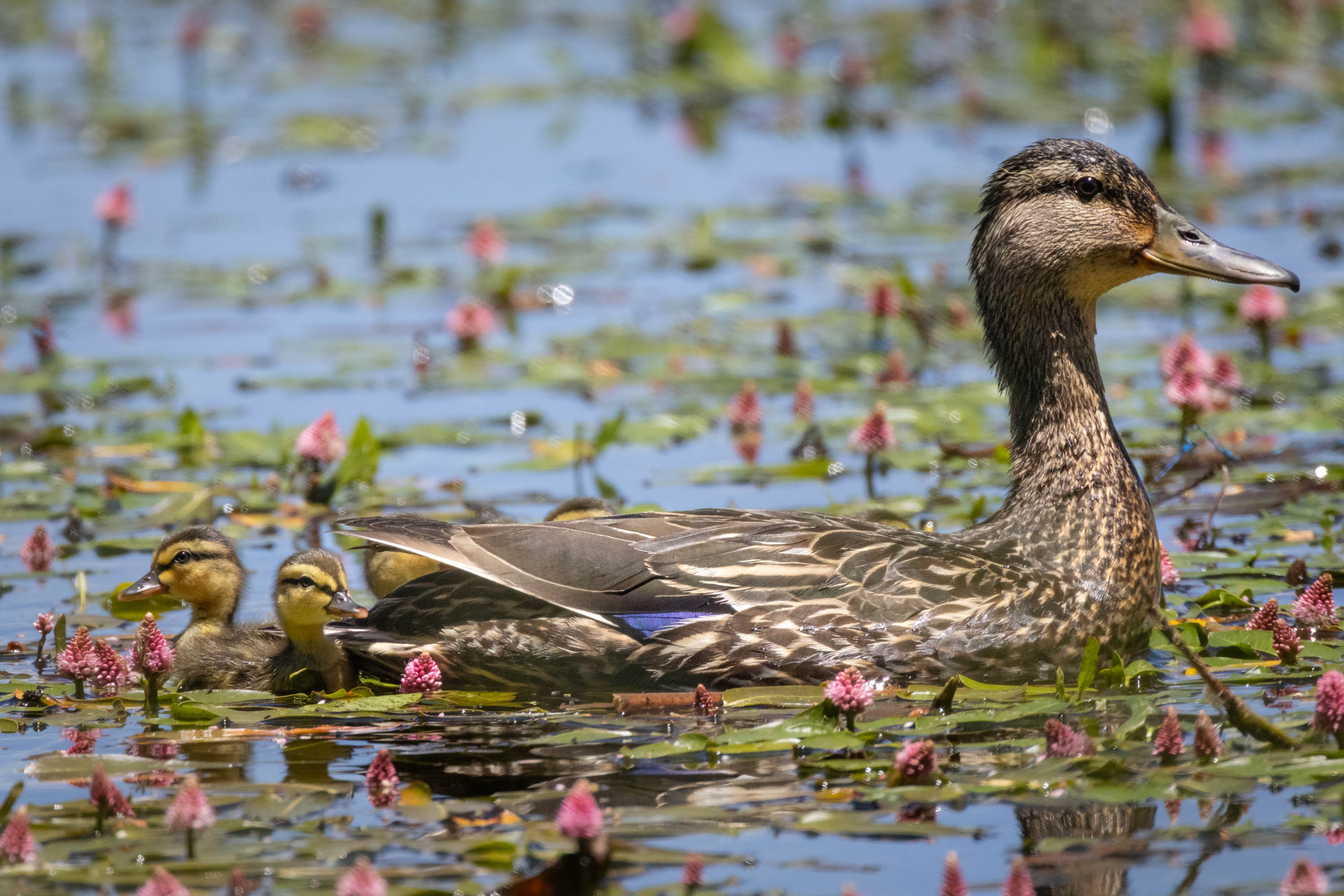
I used to leave it’s actual name out of my posts, as it’s ‘our’ place. But it seems it has been discovered and become a bit over populated for our taste. Nonetheless, it remains a weedy haven for ducks and coots, and the occasional eagle and osprey.
For us, it’s a peaceful respite and place to relax and enjoy nature in all it’s glory.
Baby grosbeak awaits breakfastBaby acorn woodpecker awaits breakfastCoot with her baby float through the smartweeds, hiding in the reeds.Coots get into it on the waterDuck splashes around Carnero LakePelican lounge in large bay at Alamo LakeField of sandhill cranes.Osprey defends nestRed Crossbill birds feed off of charcoal pit at Aker LakeHummingbird feeds on nectar.
I try to look back at my photos and my trips from the last year to improve on the next. While it may be a good idea, I am not always successful in taking the initiative to do so. They say the best photographs tell a story, or at least come with a story. So, in that vein, I have tried to seek out my best animal stories.
In no particular order are a few of my favorites.
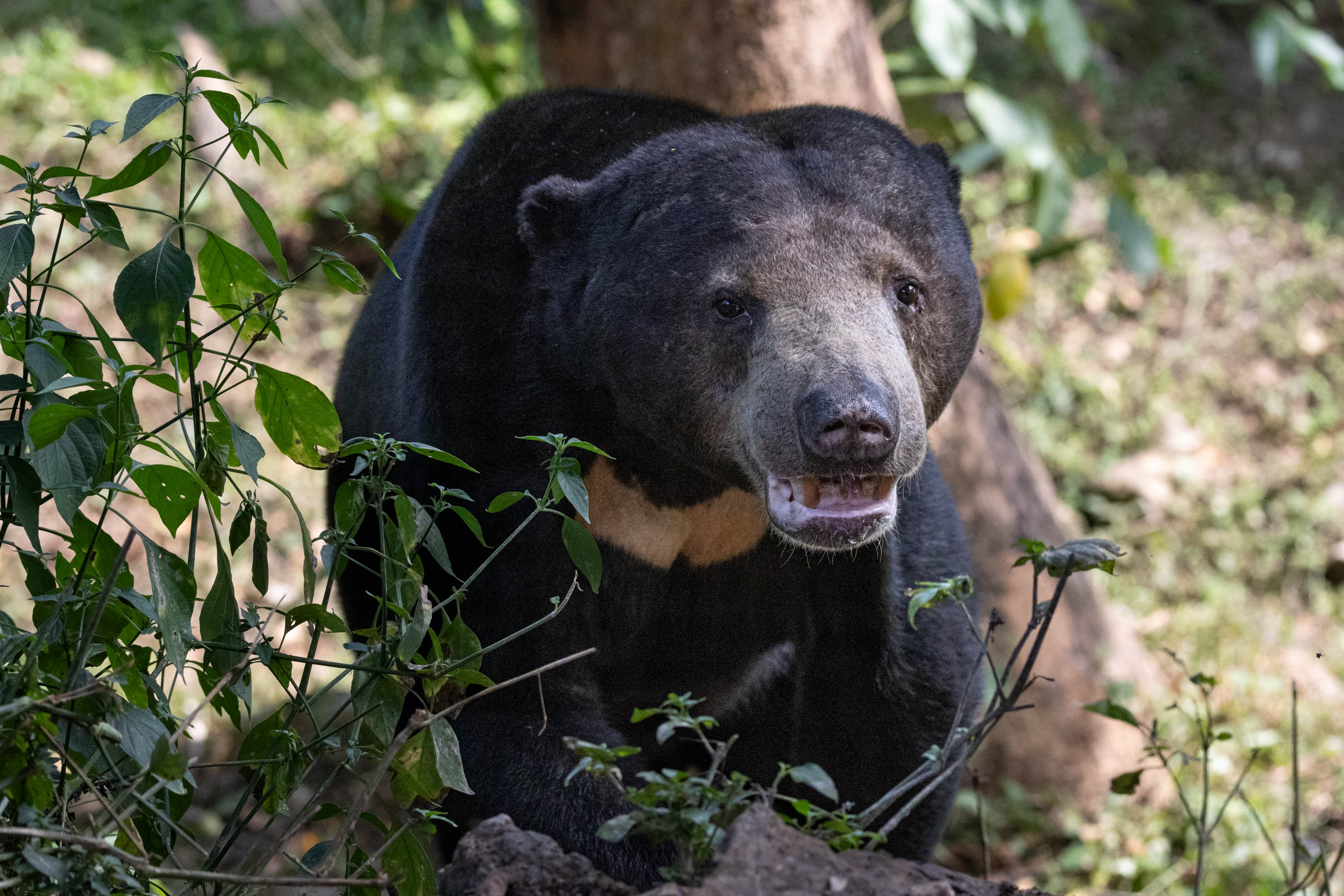
In one of my most exhilarating animal encounters and experiences I have every had, was this close encounter with an Asian sun bear in Thailand. I was enjoying this lovely Thai lunch when someone yelled “BEAR”. Of course my first instinct was to grab my camera and run toward it. When it came in closer to check out the tasty smelling food, the proprietress grabbed the chicken off the charcoal hibachi grill, and I heard in the background, ‘back away… s l o w l y,” and they weren’t talking to the bear.
While in Thailand I did go to an elephant sanctuary. But it left me wanting more than seeing elephants held in captivity being fed by hoards of tourists. I wanted to see elephants in the wild. So when I saw my first wild elephant walking out of the jungle toward me, I was beyond thrilled. As it turned out, I was very fortunate and saw a number of wild elephants on multiple occasions.
While we are in Thailand, let’s talk about dusky langur. Until we went to Thailand we had never heard of this endangered monkey. We got into a troop of these unusual primates and had a terrific time watching them jump around feeding off this tree. It was fantastic to witness.
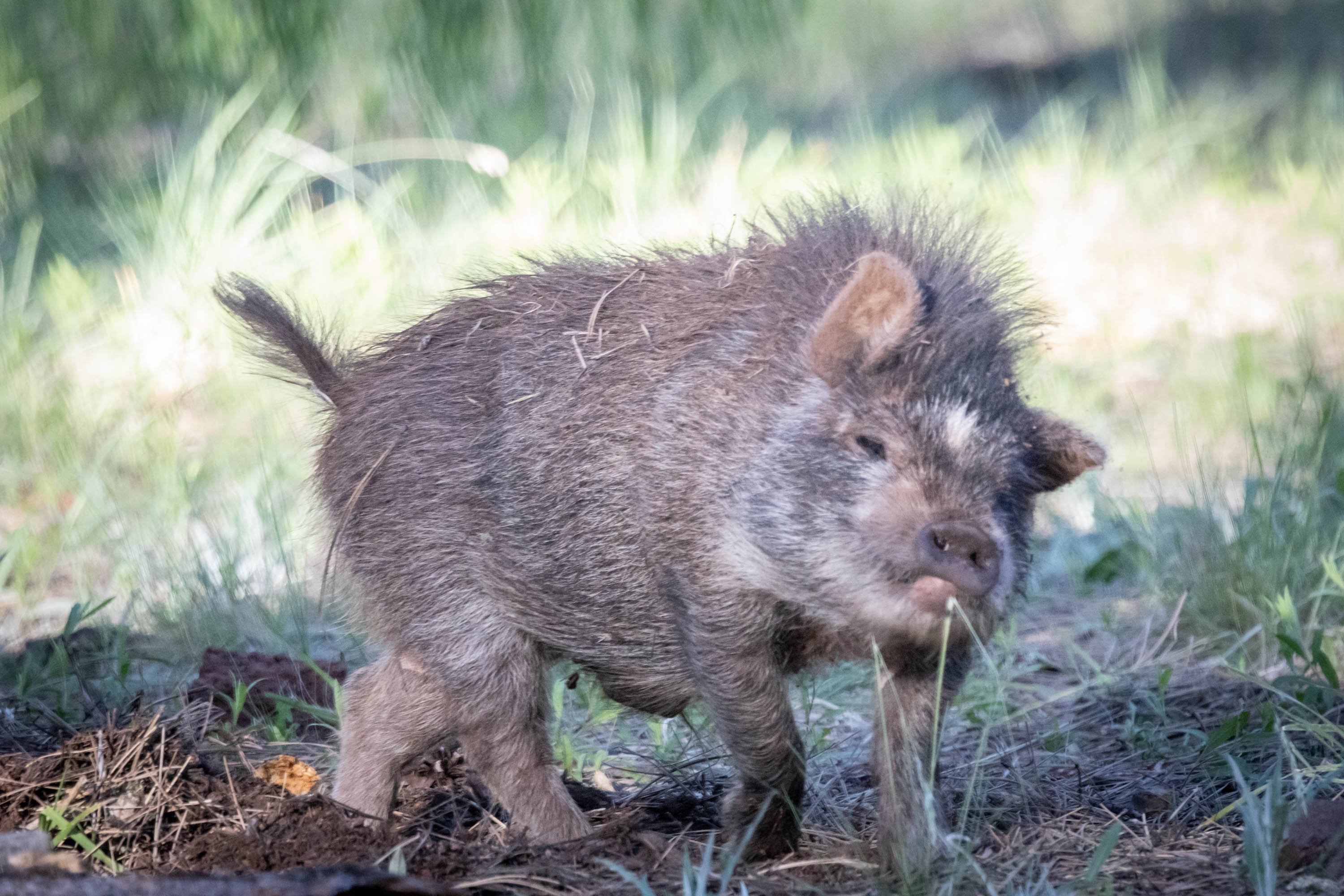
I was thrilled to find this little guy at Whitehorse Lake. This jovial little guy wandered very comfortably around the Lake, as I snuck behind trees and laid down on berms waiting for it to come in. I thought it was a baby javelina, but with some help of the AZ Game & Fish Dept, it was identified as a feral pig, who apparently loves strawberries (according to fellow campers).
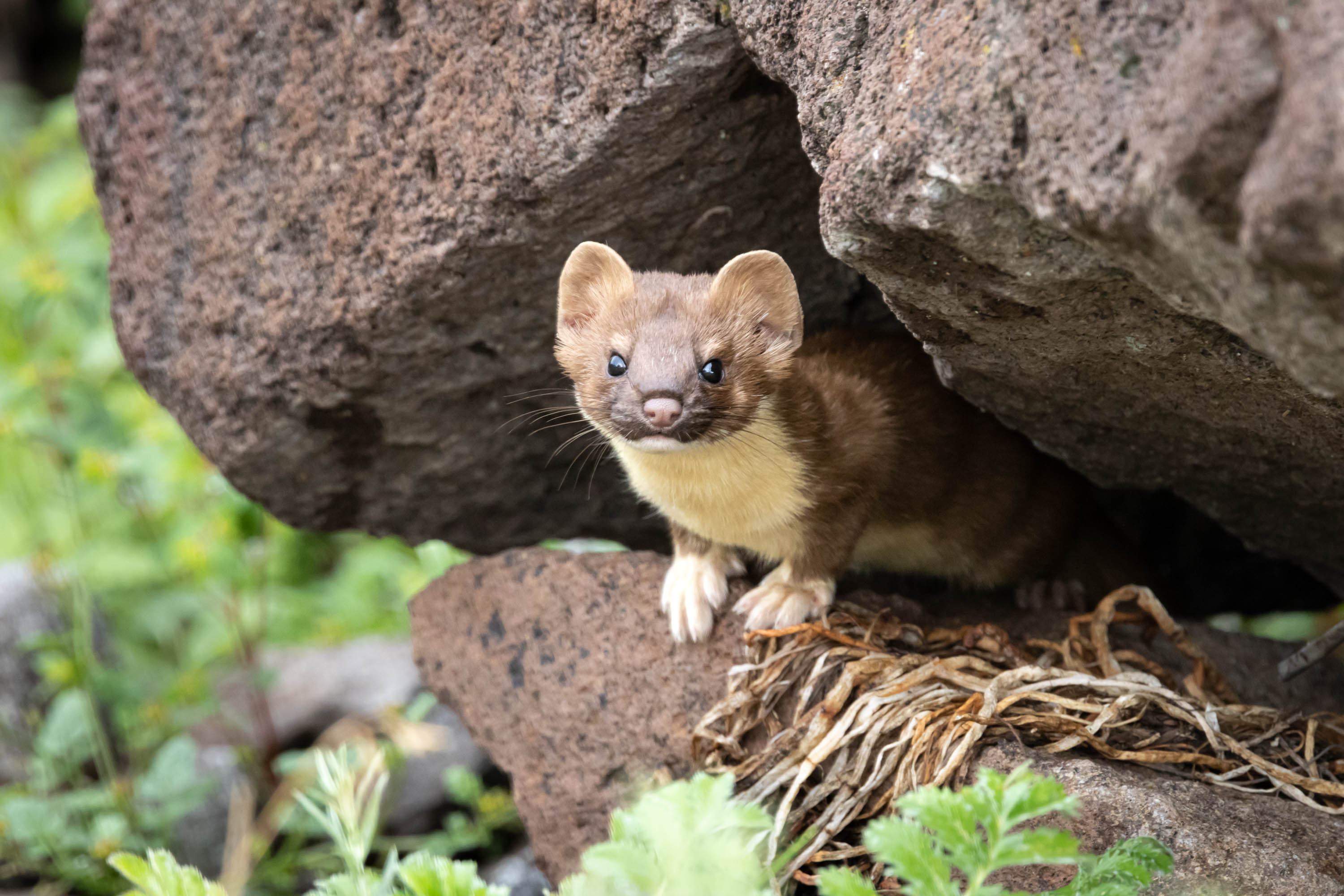
I’ve been fortunate to see a lot of animals in the wild. Of course some of the most common are elk and deer, with the occasional antelope, big horn sheep or coyote. It’s rare and very difficult to encounter (and photographically capture) the more uncommon animals, many, if not most, of which only come out at night. There are a number on my list I would love to see and never have, and maybe in time I can add them to my roaster. But, I must admit this long tailed weasel wasn’t even on my list. I had never even heard of it! He made an appearance while I was unwittingly taking landscape photos. This curious little guy kept poking his head out from behind a rock, then another rock, playing a little hide and seek as he tried to check me out. It was a fun ‘dance’ and he made it a fun challenge to capture his portrait.
I spent some time in my blind this year. There is something so special about animals coming in on you, while you go completely unnoticed. You can watch the animals interacting in their own environment, and if you are fortunate enough, with one another. It is peaceful, relaxing, and time consuming, but an amazing experience with nature. I was lucky enough to capture a white tail mom and baby deer, and a red fox.
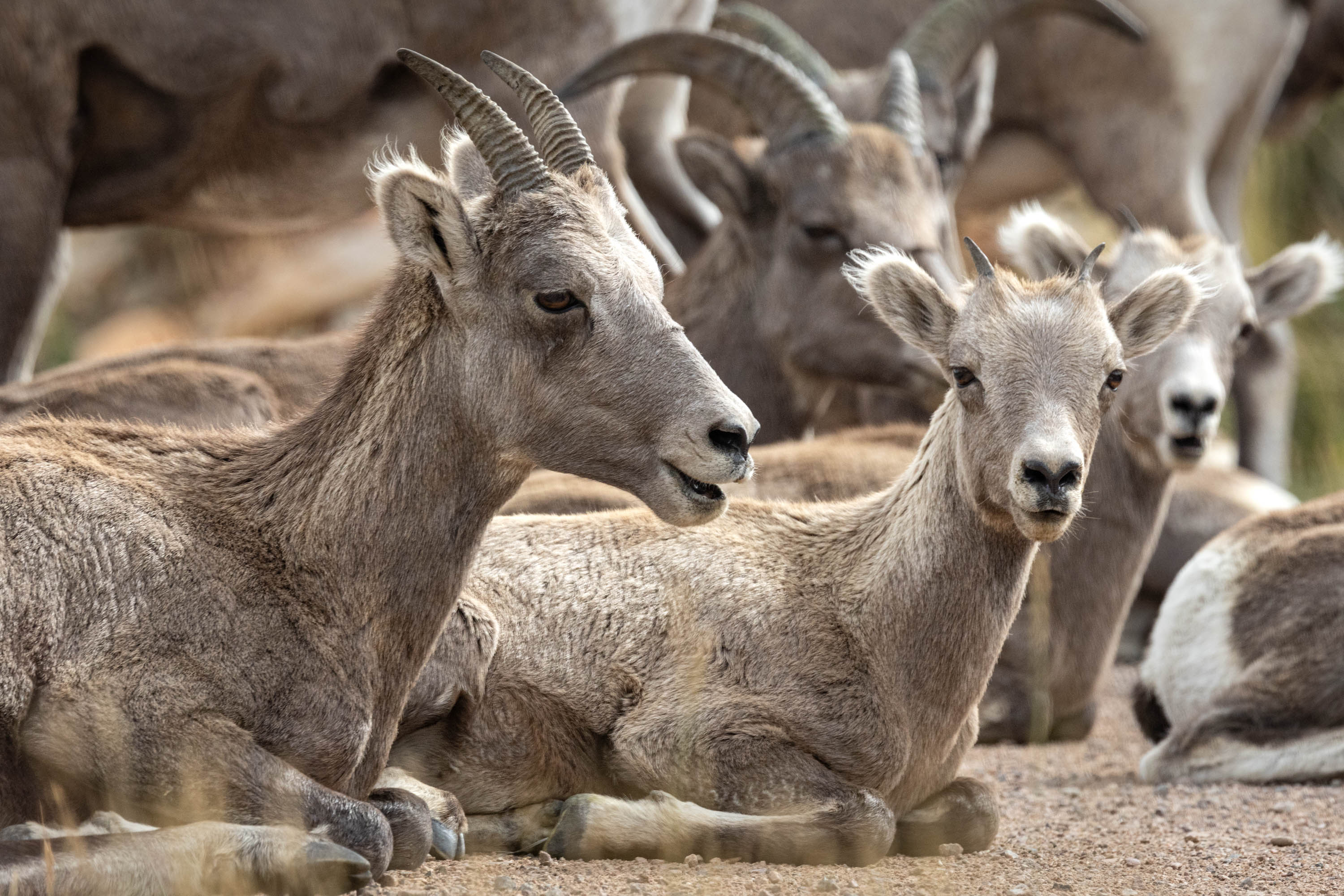
Ok. I’m a sucker for big horn sheep. I could fill these pages with favorite big horn sheep pix, but I won’t do that to you, but I couldn’t pick just one.
We have seen our fair share of white tail deer, but it is unusual to get bucks hanging out together and not being territorial. I suspect these boys are brothers enjoying one another’s companionship. I found it very en-dear-ing. Sorry, couldn’t help myself.
It’s not very often we see 6-point bull elk, particularly in the daylight, so I was delighted to see him, I only wish it has been for longer and more often.
During our recent trip to Thailand after hitting Bangkok, see my post here …. https://kritterspaw.com/2023/12/06/bangkok-thailand/ , we drove 9-1/2 hours north of Bangkok to Chiang Mai or New City. As it is such a long trek, we stopped at Sukhothai along the way.
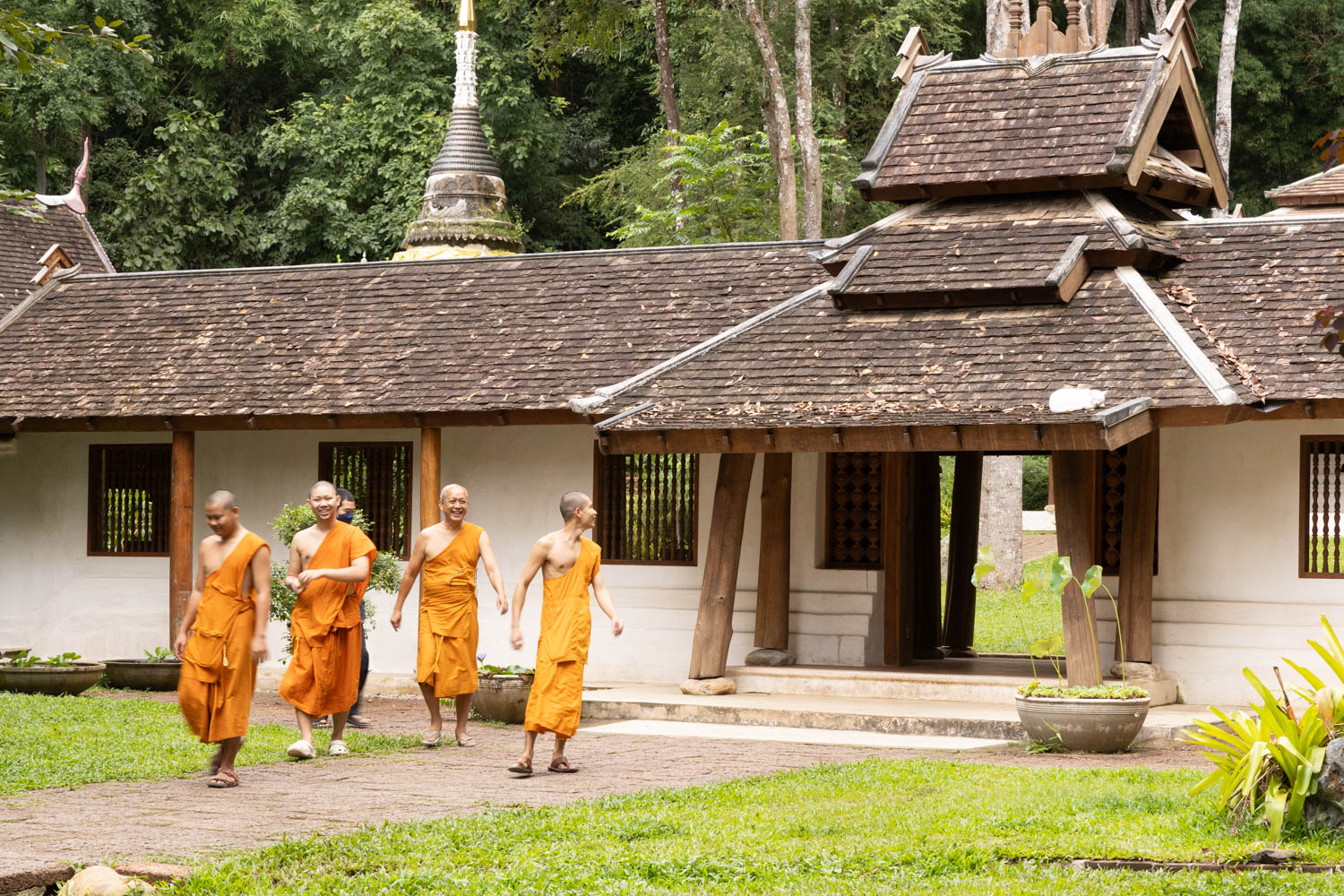
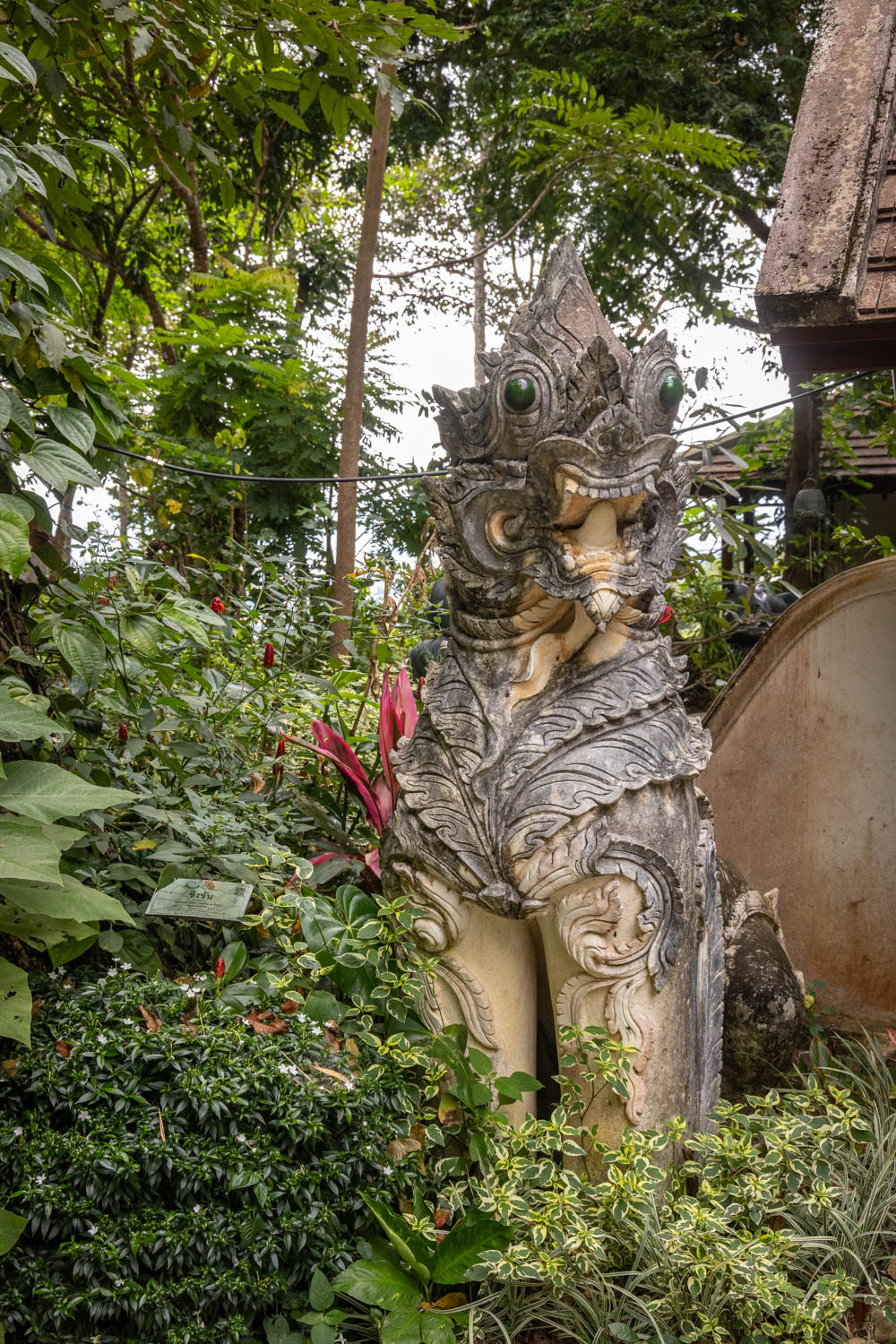
Thailand in general has over 40,000 temples, one in every village. So if you are interested in seeing temples, there are many, and from just the few we saw, they are very different from one another. Yui, our guide, was gracious enough to share her culture and educate us a bit on something we knew very little about. We stopped at relatively new temples which are a testament to the depth of commitment to the teachings of Buddha, and the offerings to Buddha and the monks to support the temples and their way of life.
We stopped at the ancient temple in Sukhothai which is considered the temple of the great relic and dates back to 1300. It is particularly notable because it is the only temple with a lotus flower atop the chedi. It’s a fascinating look at an early example of temples and the similarities to today’s temples.
But what we enjoyed most in Sukhothai, even more than the historic temples, were the cooking classes that we absolutely loved in both Sukhothai and Chiang Mai.
We not only got to try some amazing food, we got to make it with local people, who we truly enjoyed. It was such a fantastic way to experience northern Thailand, I can’t imagine a better experience.
We made EVERYTHING. We made papaya salad, khao soi. We made curries from chili paste we made from scratch. We made fried flowers, and learned to wrap with banana leaves. We made dessert, and ate it too.
As wonderful as the food was, the very BEST part was cooking along side the locals with their passion for food and teaching. I absolutely will make this food at home and think of the beautiful personalities we met. It was such a phenomenal experience.
While I was wow’d by the cooking classes we experienced, I would be remiss if I didn’t mention what a lovely city Chiang Mai is. It is full of modern coffee shops, tea shops, and Michelin recommended restaurants. It has temples galore, the most impressive, not to be missed in Chiang Mai is the Doi Suthep, both the upper and lower temples. The lower temple, the jungle temple is fascinating as it seems untouched by time from 700 years ago. Though, the temple at the top of the hill, is equally impressive in a different way.
Back in 1300’s a white elephant carrying a relic from Buddha was said to walk up to the hill and collapse. It’s at this site that the ‘upper’ temple was built on that very site and the chedi is said to house the relic the white elephant carried.
We were extremely fortunate to have wonderful guides to guide us through our experiences, giving them depth and meaning. We can’t thank Yui, Lynn, Tom, Ann, and Mr. O enough for all they taught us and we learned and enjoyed through them.










































 kritterspix