With the lack of rain we have had, the animals are hungry and out foraging for food. I hadn’t seen them much lately, but they must be out there! The more I watch animal behavior the more I start to understand it. I never see them on windy days (their scent gusts in the wind alerting their presence to predators) and infrequently on cloudy overcast days, as they can’t see shadows.
So I figured I should spend some time in a blind to see if I could get lucky and catch some animals coming in for food once the weather settled down. I choose nice days, no wind or clouds, perfect for foraging animals to make an appearance.
I spent 4 days in a row in complete silence hoping for any animal to wander into my field of view… to no avail. All I saw were birds and squirrel.
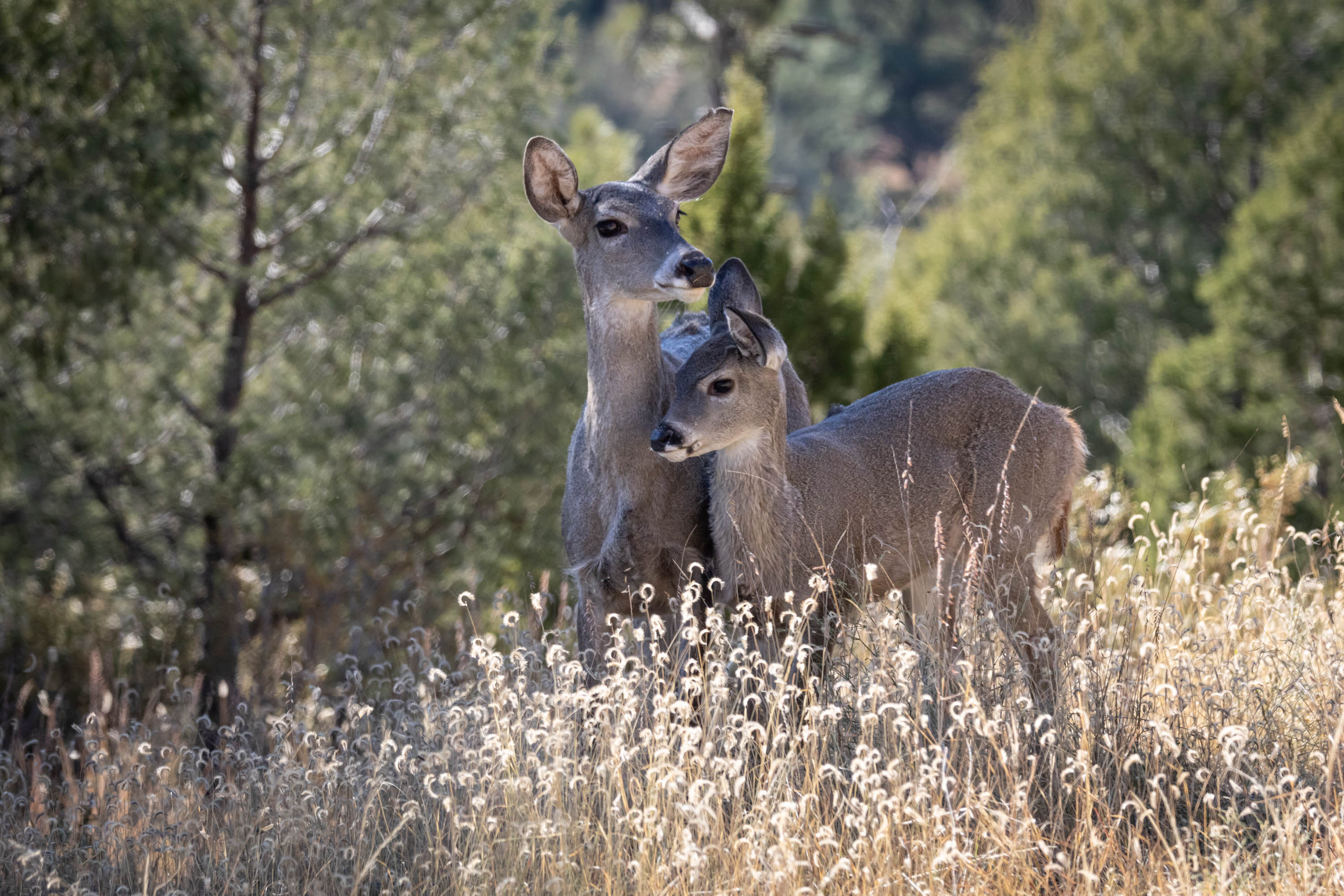
On the fifth day, I was gifted with a momma white tail deer and her fawn. There is something special about being in with nature. You can hear the sounds of the baby bleating, and the mom snorting for the little one to come along. It was precious to be able to witness from a very close proximity to these magnificent animals, and to see them eye-to-eye.
Persistence and tenacity are key attributes for success, so are patience and luck!
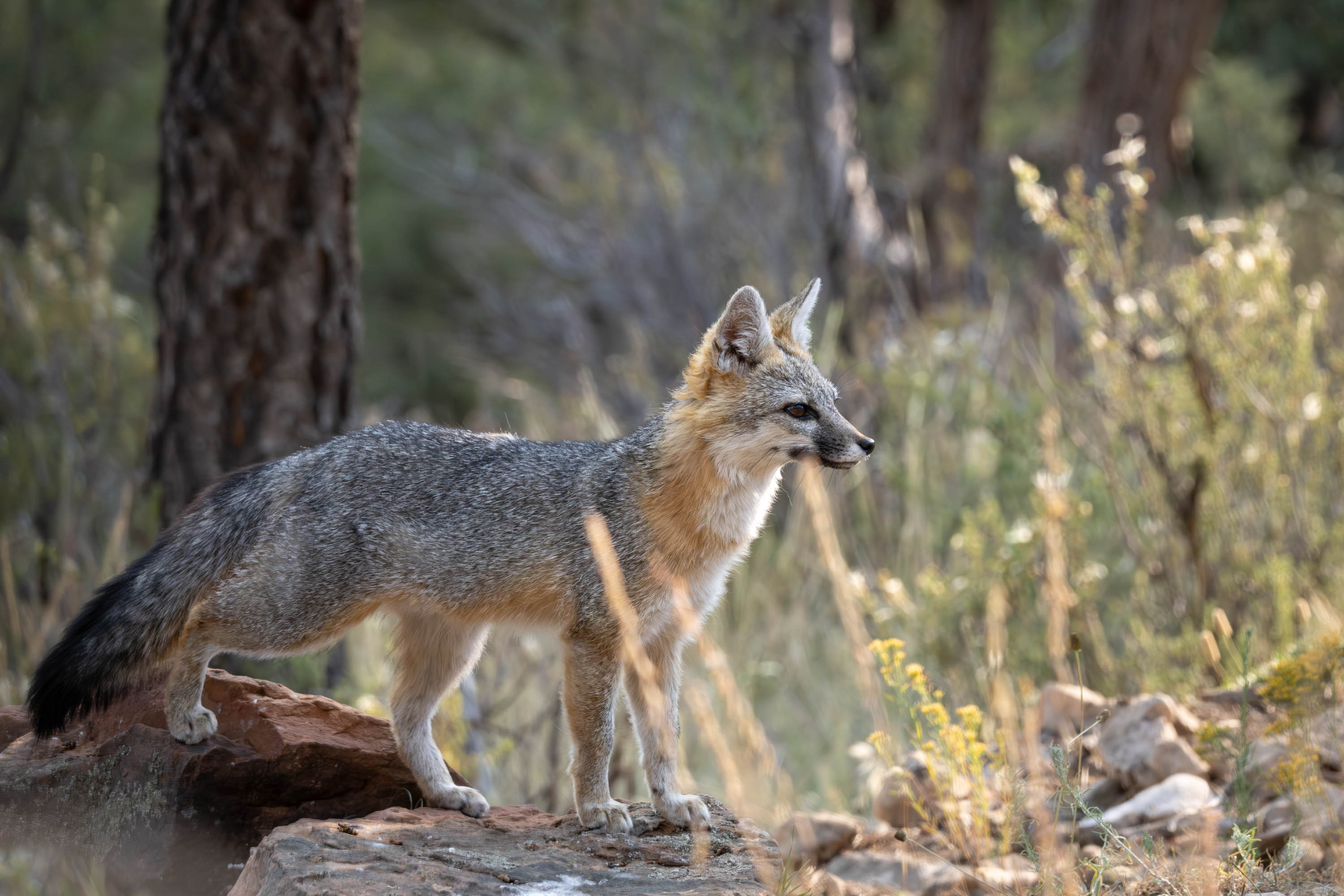
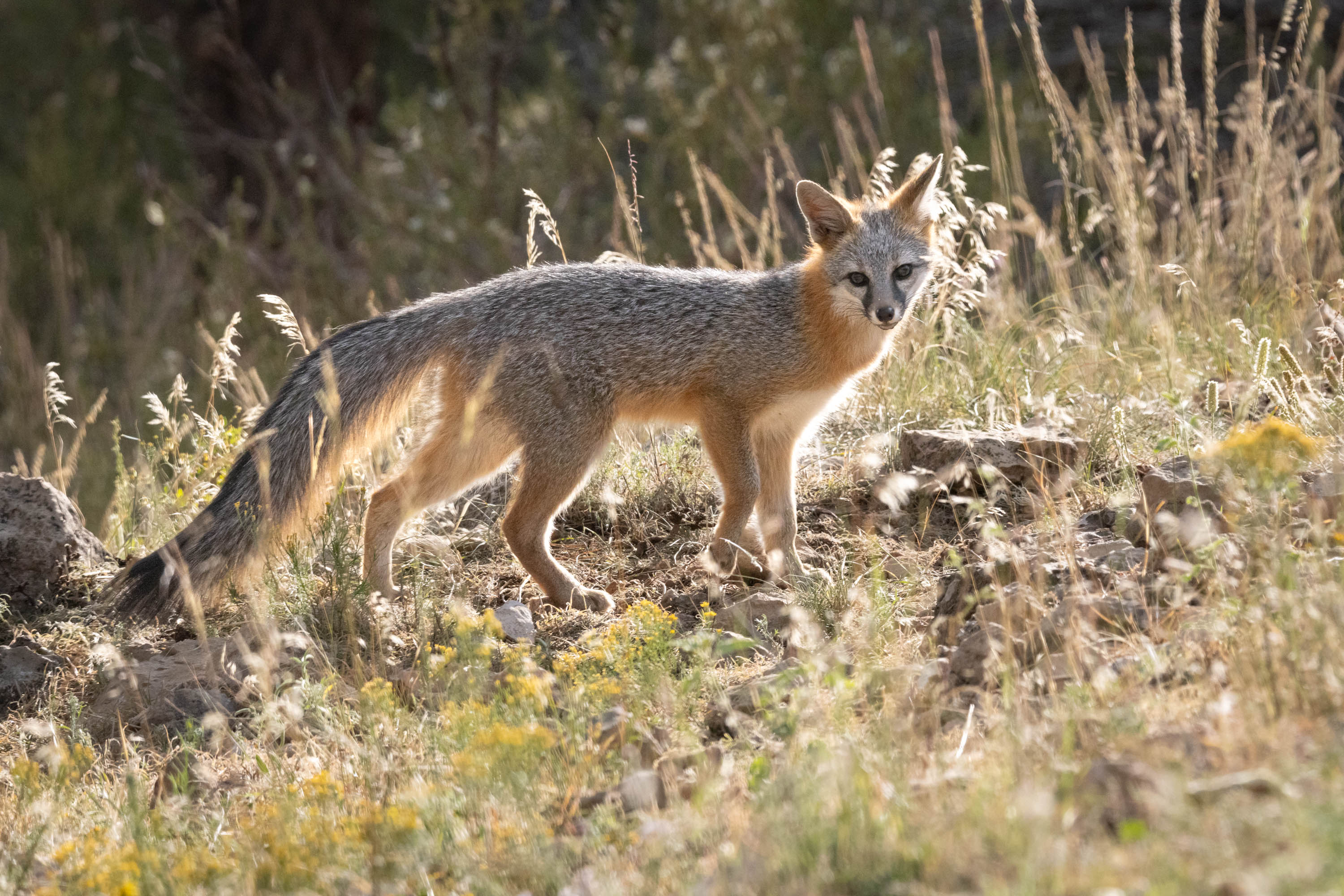
We have been fortunate enough to see gray fox this year, which is fortuitous given its nocturnal nature.
The gray fox normally frequents ridges and canyons, but can be found in wooded areas and grasslands. We were lucky enough to witness mom and 2 kits playing.
Our sightings were limited though, as the gray fox can be quite skittish, particularly during daylight hours.
Their predators include mountain lion, bobcats, coyotes, eagles, owls, and hawks, all of which we have our fair share, particularly the pesky mountain lion that wants to eat our pup for a snack.
The gray fox are mostly omnivores and prey on chipmunks, mice, bunnies, and the occasional bird or insect. Whatever brings them here, we are happy to see them, for as long as they happen to visit.
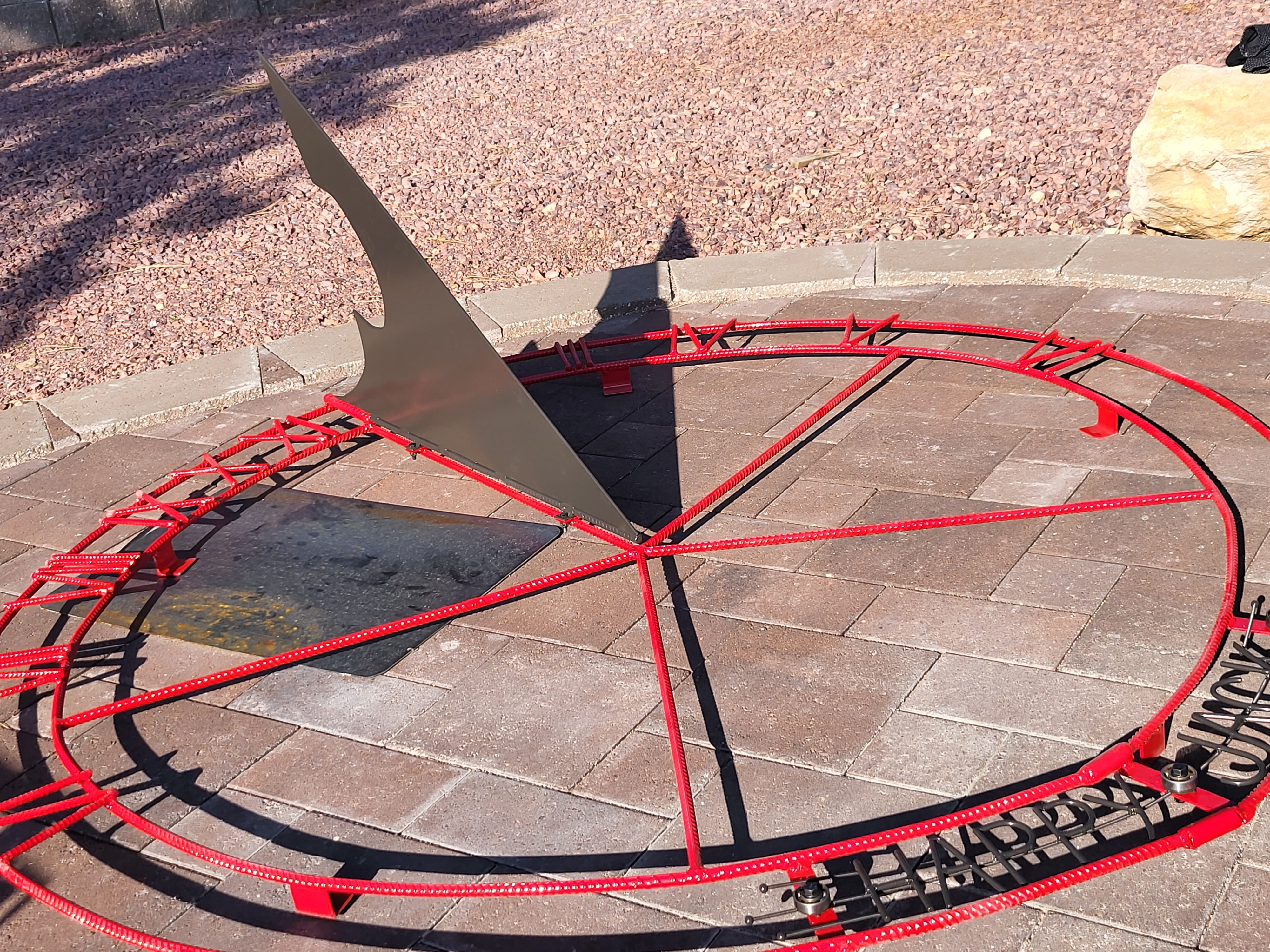
Sundials were estimated to be ‘invented’ by the ancient Egyptians around 1500 BC. There is evidence going back to 3500BC of a stick or pillar with a triangular ‘wedge’ (known today as a gnomon) to cast shadows to tell time.
Early devices were thought to help farmers tell time such that they would know when to plant and harvest crops. The early Egyptian ‘shadow clocks’ consisted merely of a straight base and raised crosspiece at one end with a scale inscribed in 6 divisions. The semi circle construction wasn’t developed until 280 BC by Greek astronomer Aristarchus of Samos who devised a pointer fixed at one end along a circular arc divided into 12 equal divisions.
Early versions of the sundial did not account for the seasons and length of the day. The sundial continued to iterate and become more sophisticated with factions across the world refining the design. Babylonian astronomer Berosus invented a spherical surface that traced a shadow tip for the longest day of the year. Around 100 BC that the Greeks began experimenting with vertical, horizontal, and inclined dials. The Roman’s employed seasonal hours, and even some portable sundials.
Over time, sundials became more complex and more accurate. Modern astronomers and mathematicians adjusted for the Earth’s tilted axis, the length of the shadow (longer in the winter than summer). Gnomon’s (the triangular pointer) were devised to cast a shadow to tell time and were eventually designed to point north versus straight up.
Eventually, the sundial became so accurate that it was the basis to check and adjust mechanical clocks until the late 1900’s.
Today, sundials are primarily ornamental, and use embellishments to make them unique and individual. Many incorporate mottos or whimsical sayings, like German’s wit, ‘Do like a sundial, count only the sunny days.’
The more ‘exotic’ the better as far as I am concerned. But those more rare animals are indeed harder to find, particularly in good light to photograph.
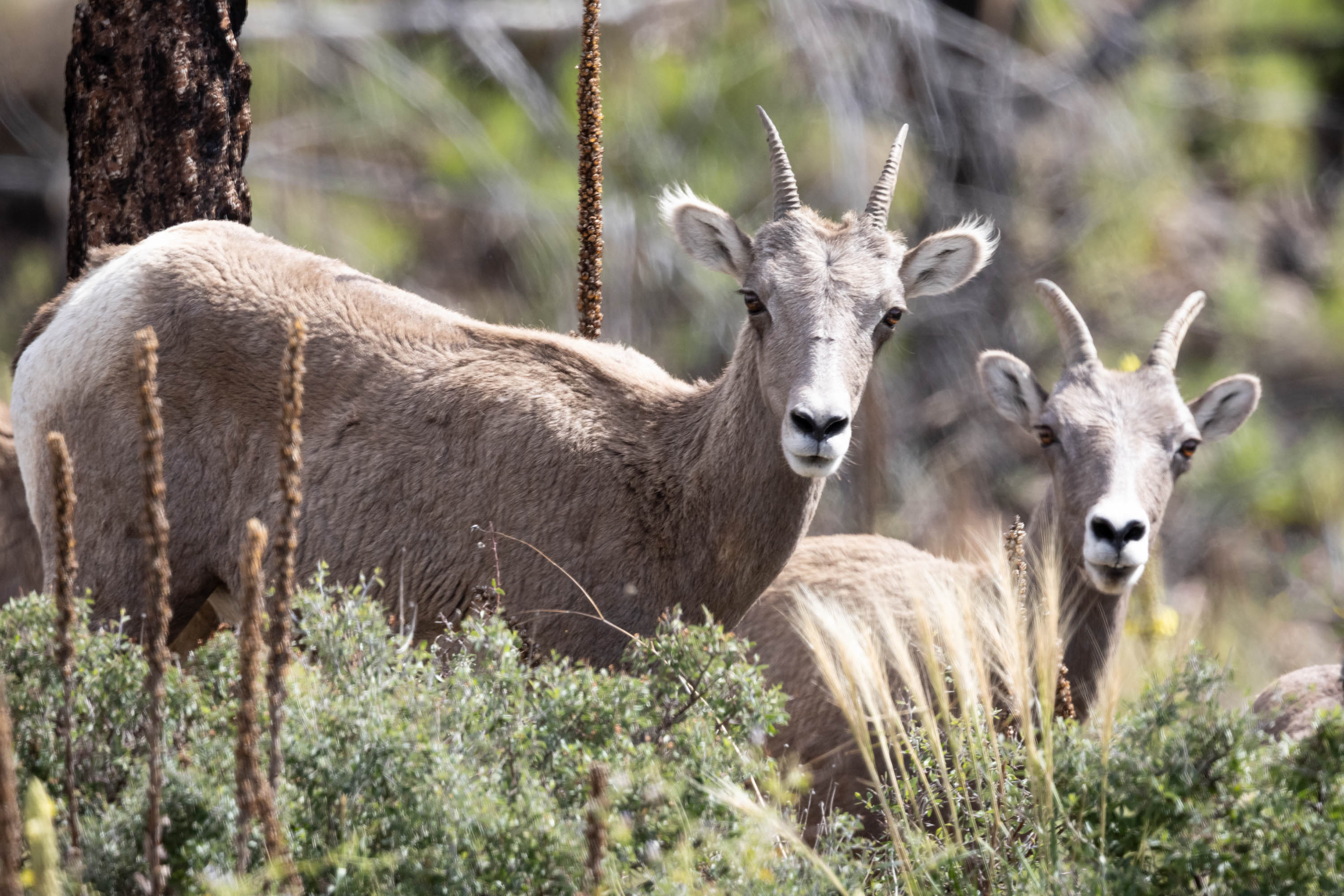
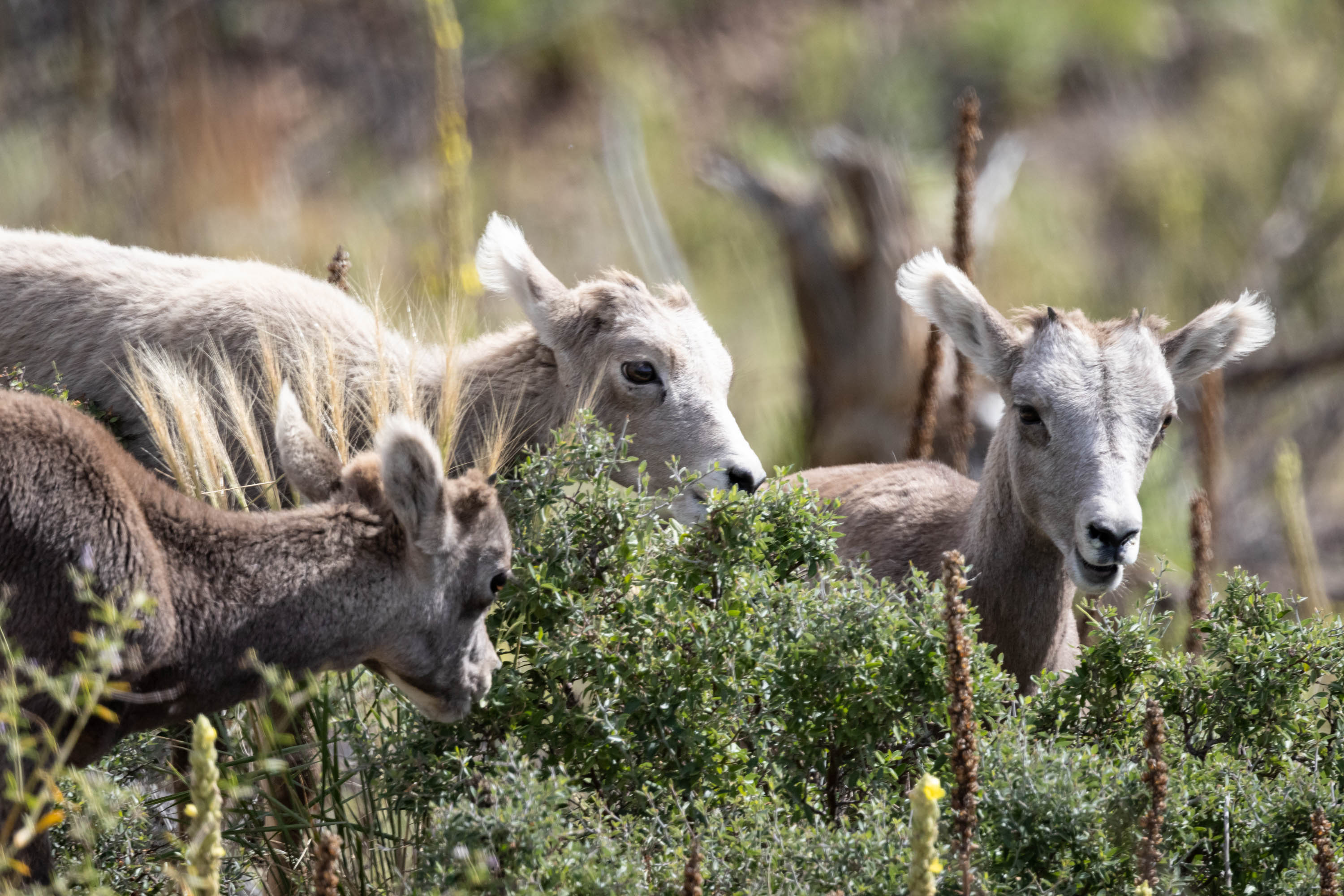
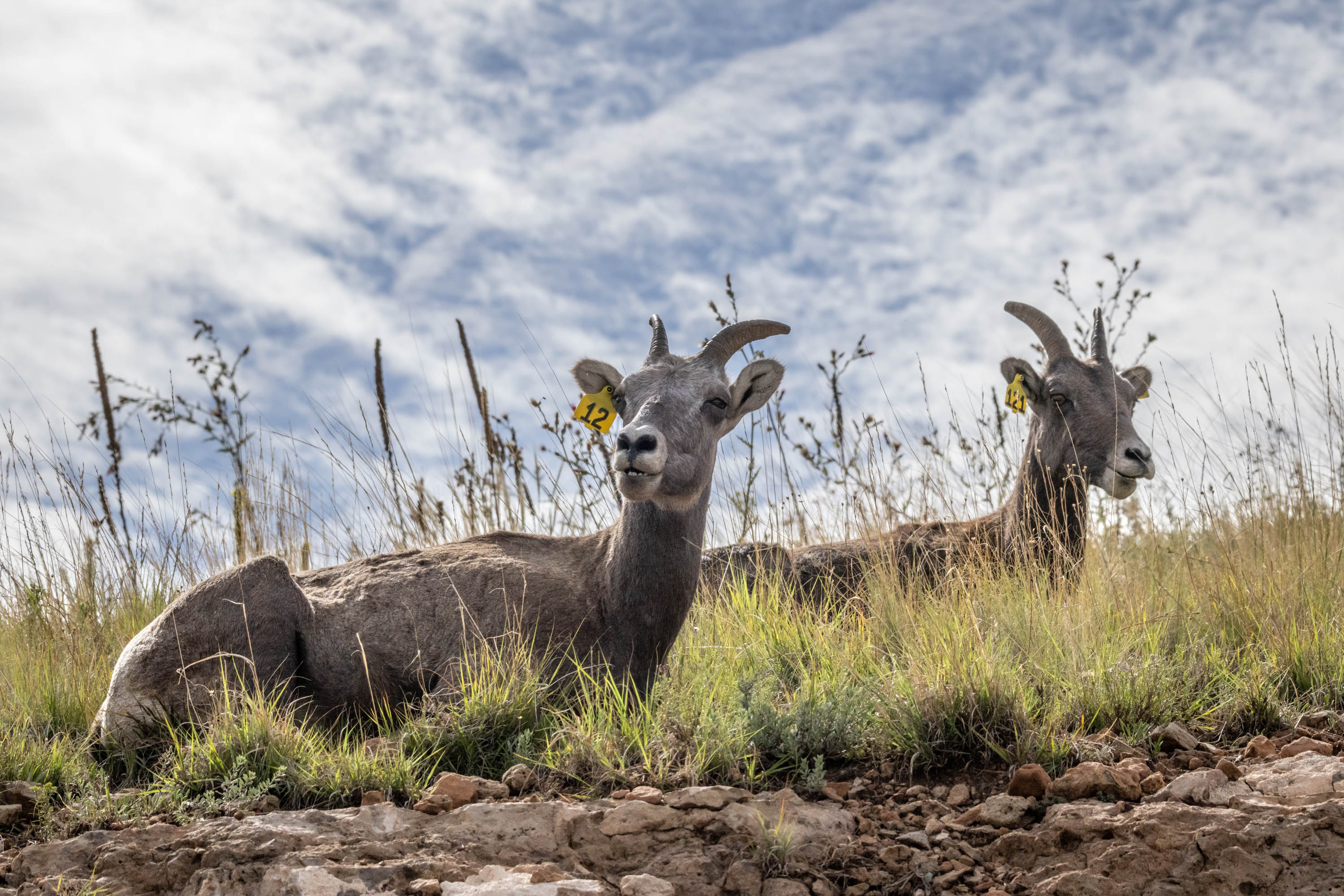
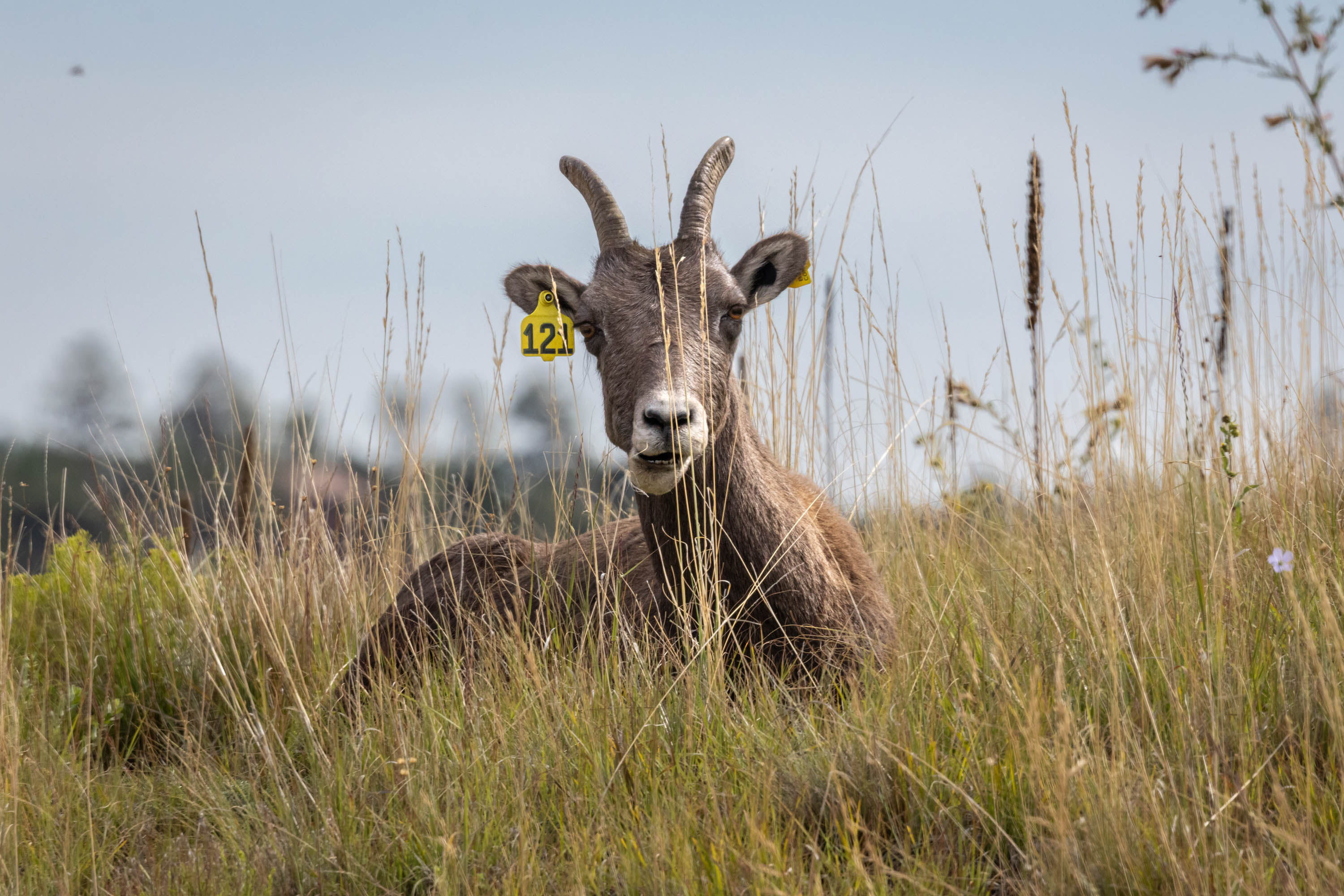
So I am thrilled any time I get to observe any animal, so much so, that I solicit my friends and neighbors to let me know of any sightings. My friend and neighbor did just that when they told me of this herd of big horn sheep.
They caught me on the street during a walk around the neighborhood. I quickly jumped in their truck and asked them to take me home so that I could go get my camera and check it out.
Fortunately, I was able to catch them, and delighted to find a large group of baby sheep practicing climbing on the bunny hill ledges.
It was one of those memorable magical moments that I hope I was able to capture the fun and delight of these babies experiencing ‘firsts’ right in front of me.
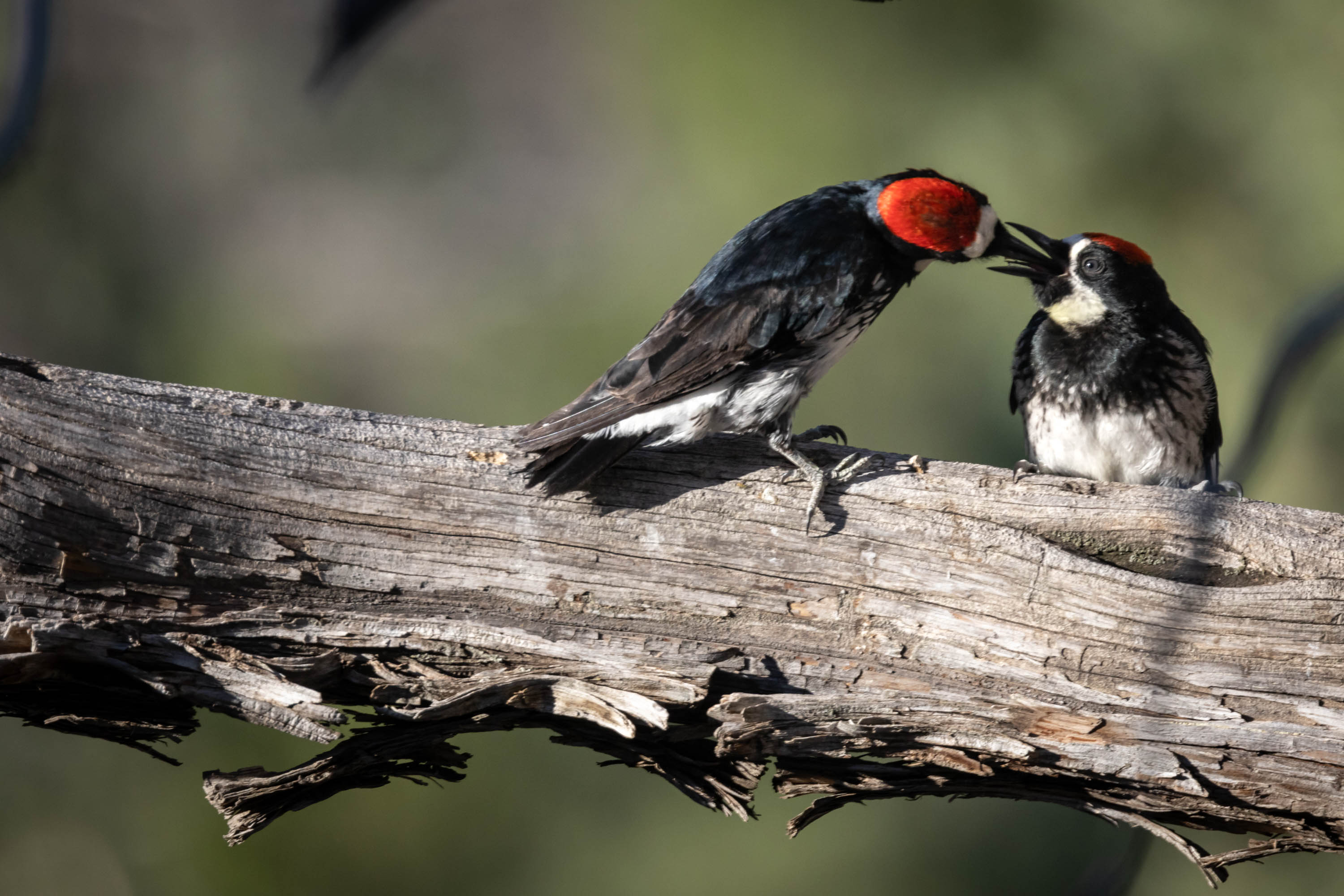
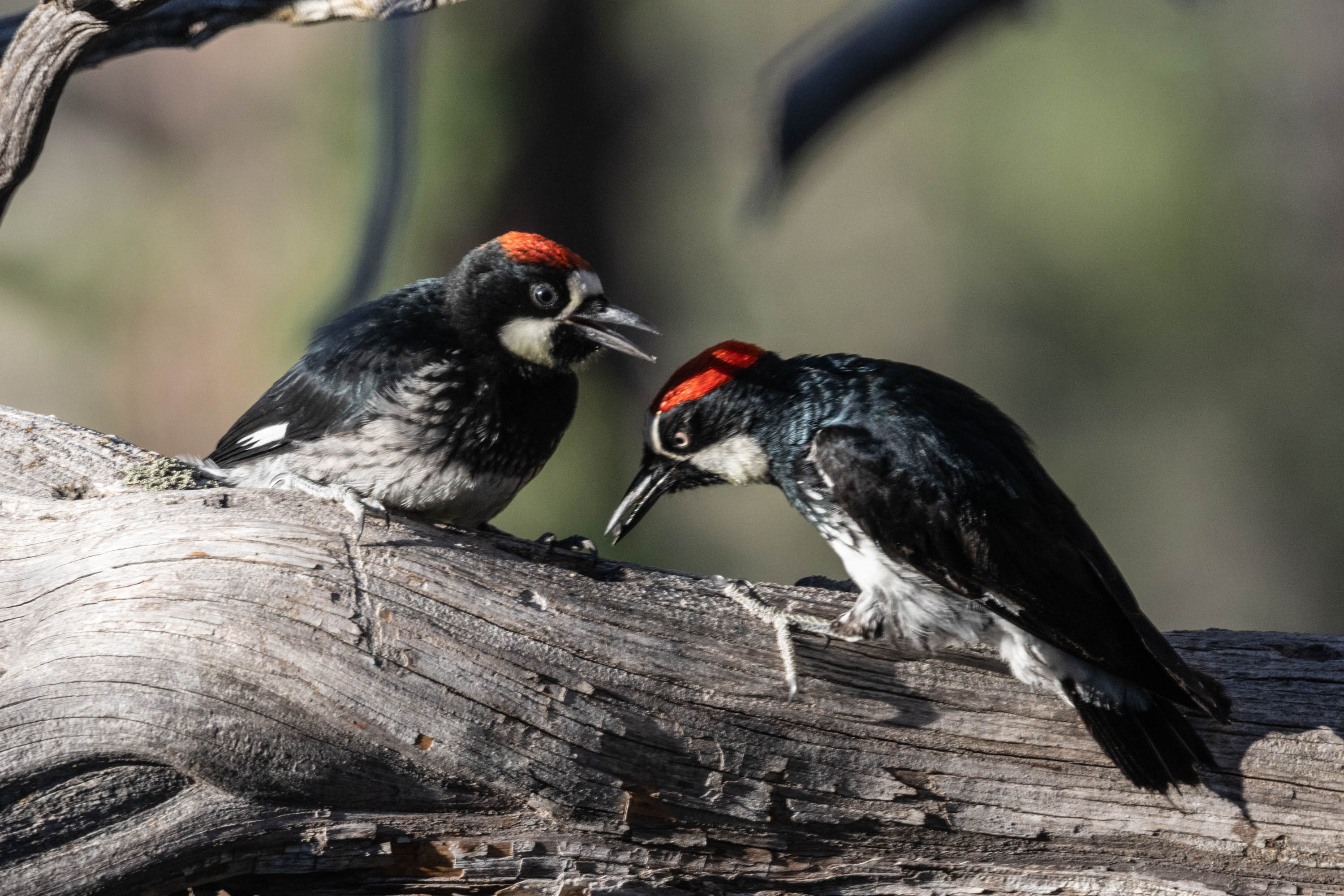
I am always astounded by how big, and how quickly baby birds grow to be full size. I caught these baby acorn woodpeckers being fed by mom.
You can tell the baby by the black eye, while the parents have a yellow ring around their pupil. Both parents feed their young, normally 1 – 2 broods per year.
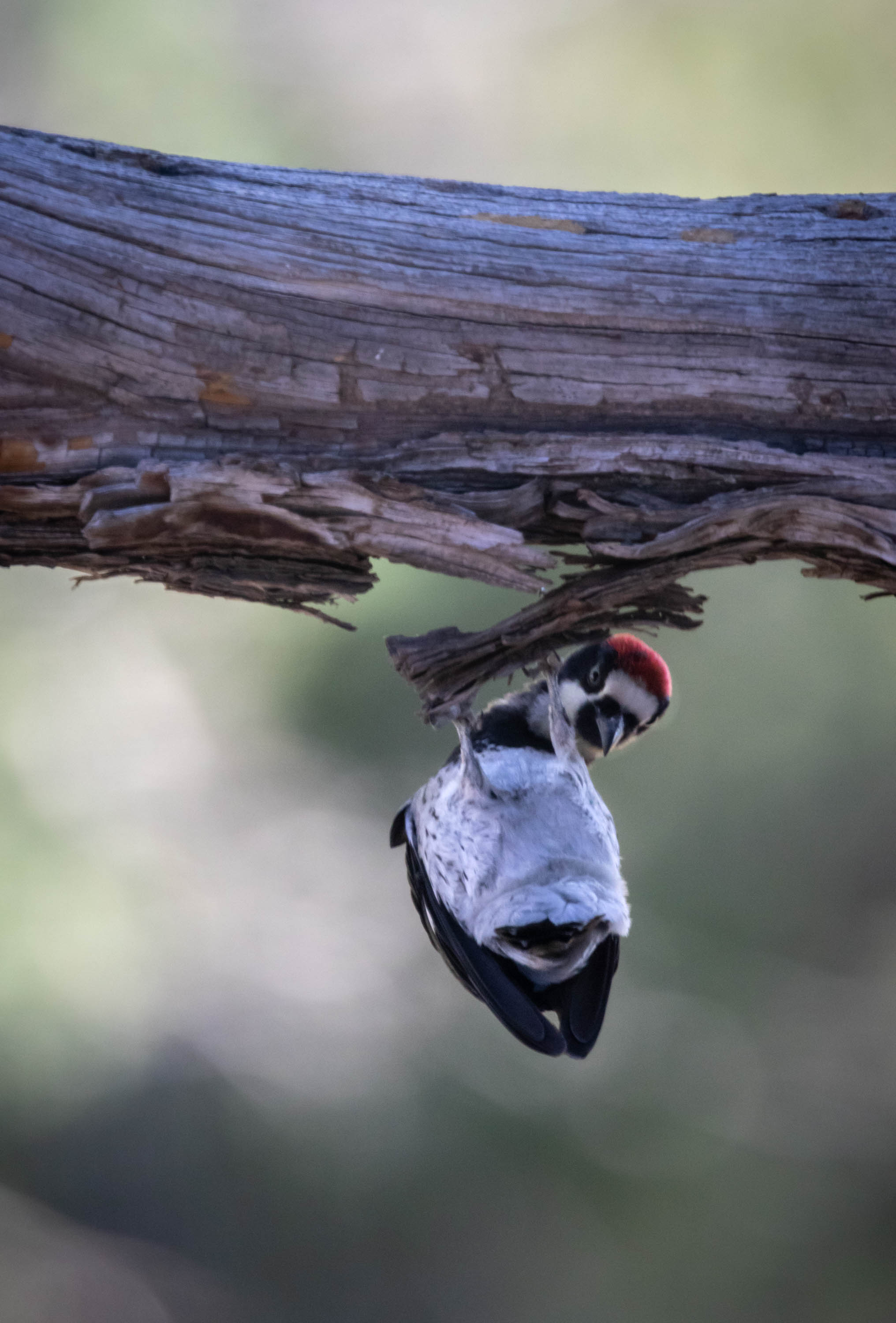
The red-headed acorn woodpecker eats nuts (acorns), seeds, and insects. They burrow in bark and trees to bury their food for later. It’s fascinating to watch the parent teaching the babies early on to squirrel away seeds to eat later.
Animal behavior is so interesting to watch if you just take the time to observe.
Adventure adds spice to life. Enjoy every moment to the fullest and celebrate often.
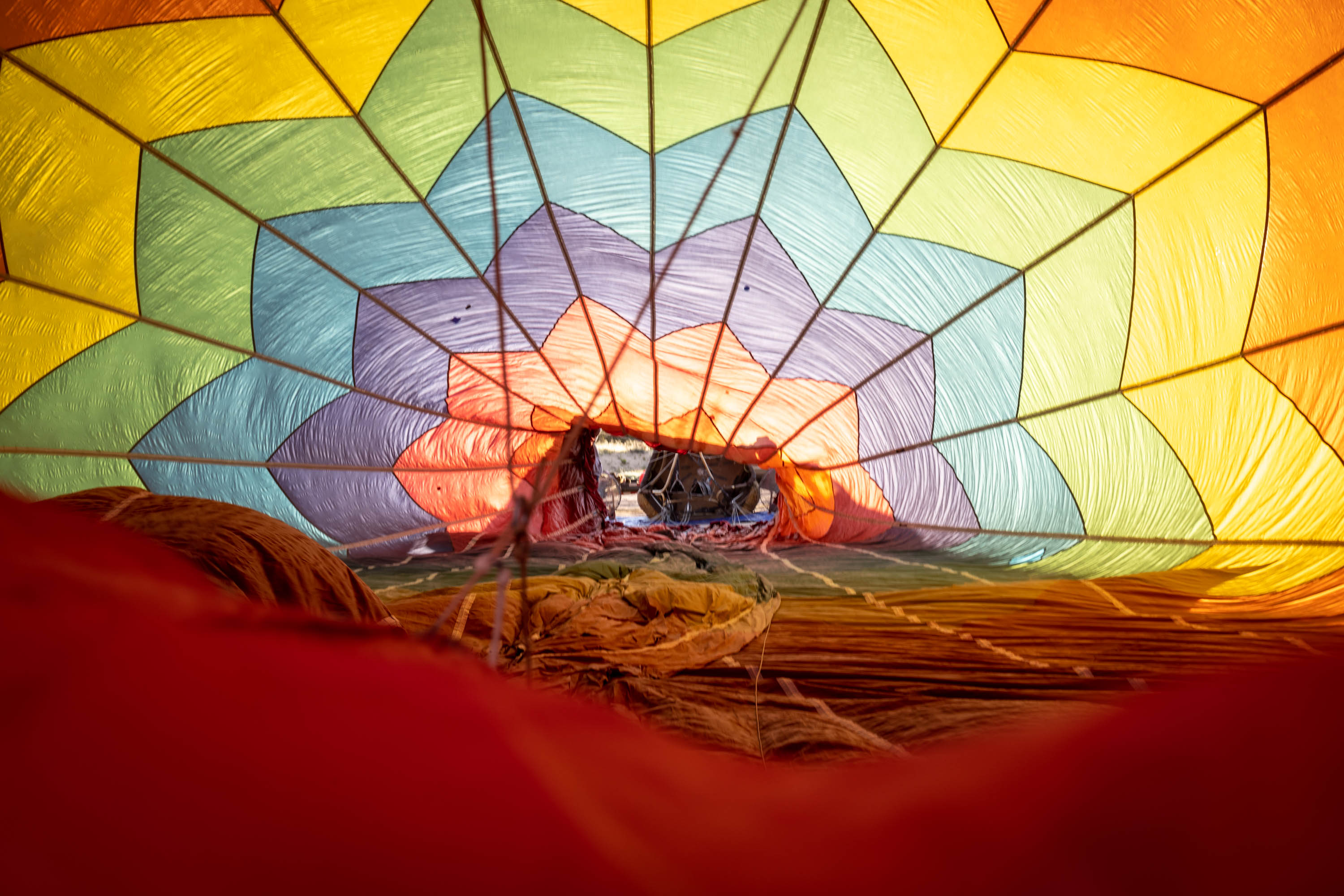
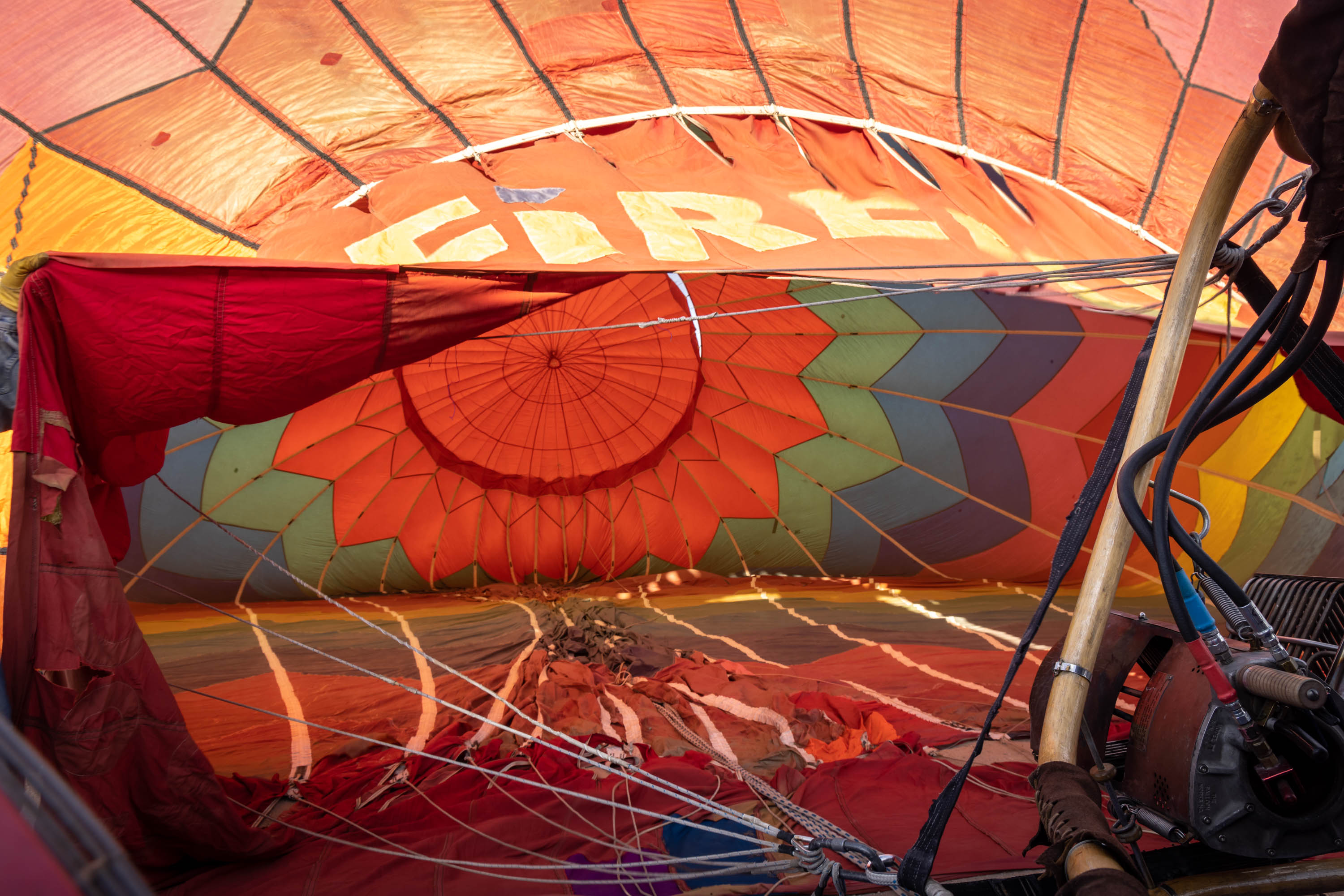
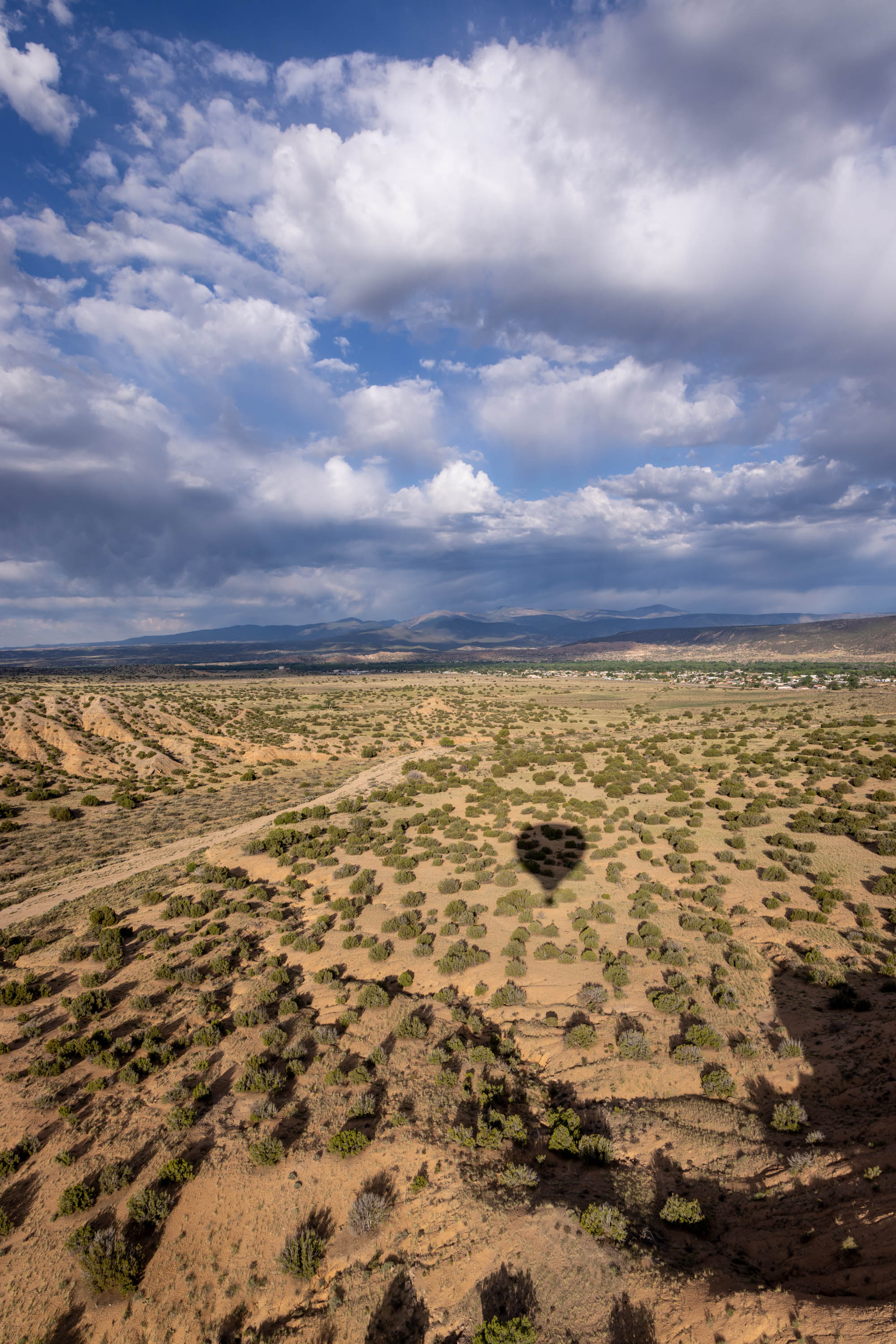
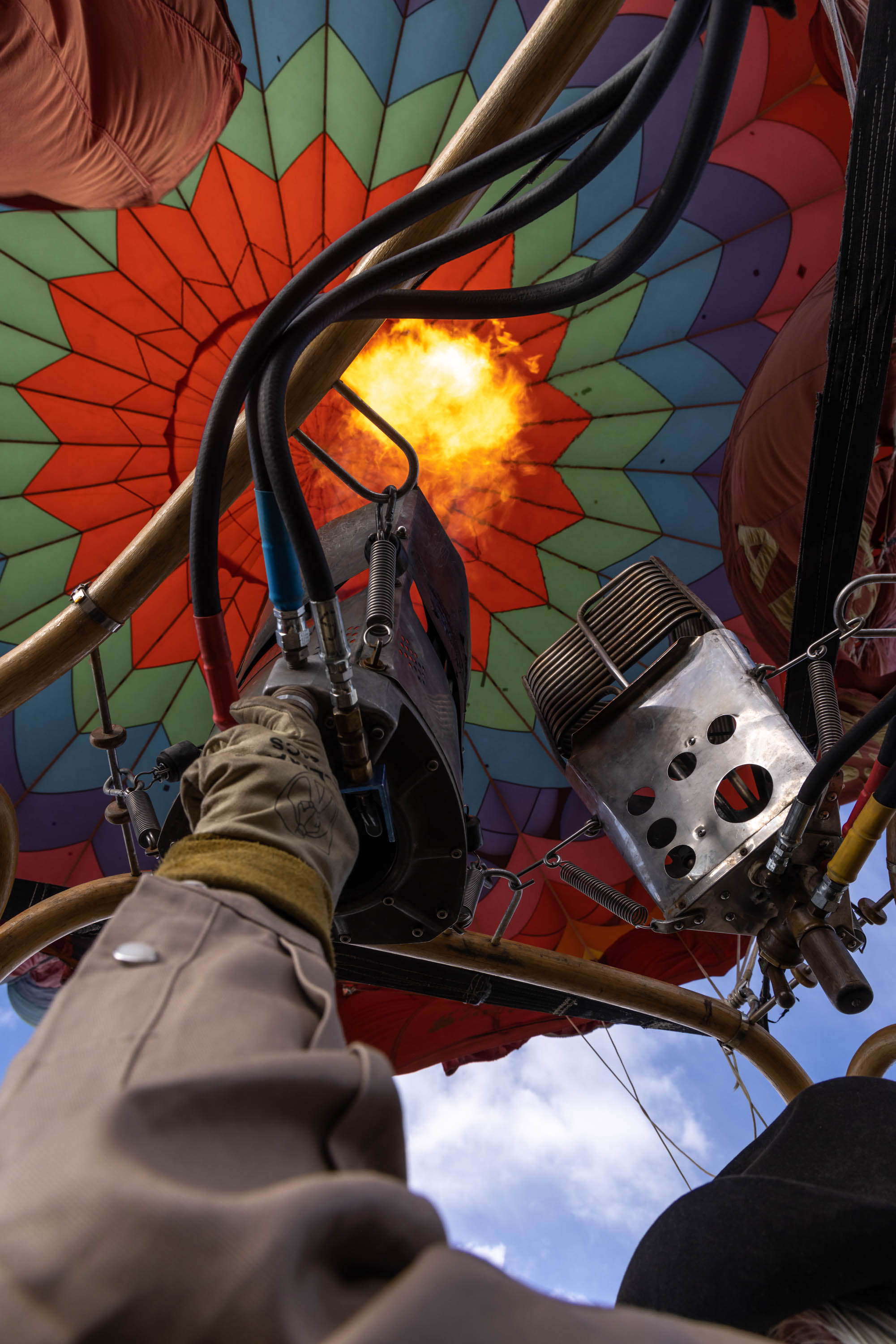
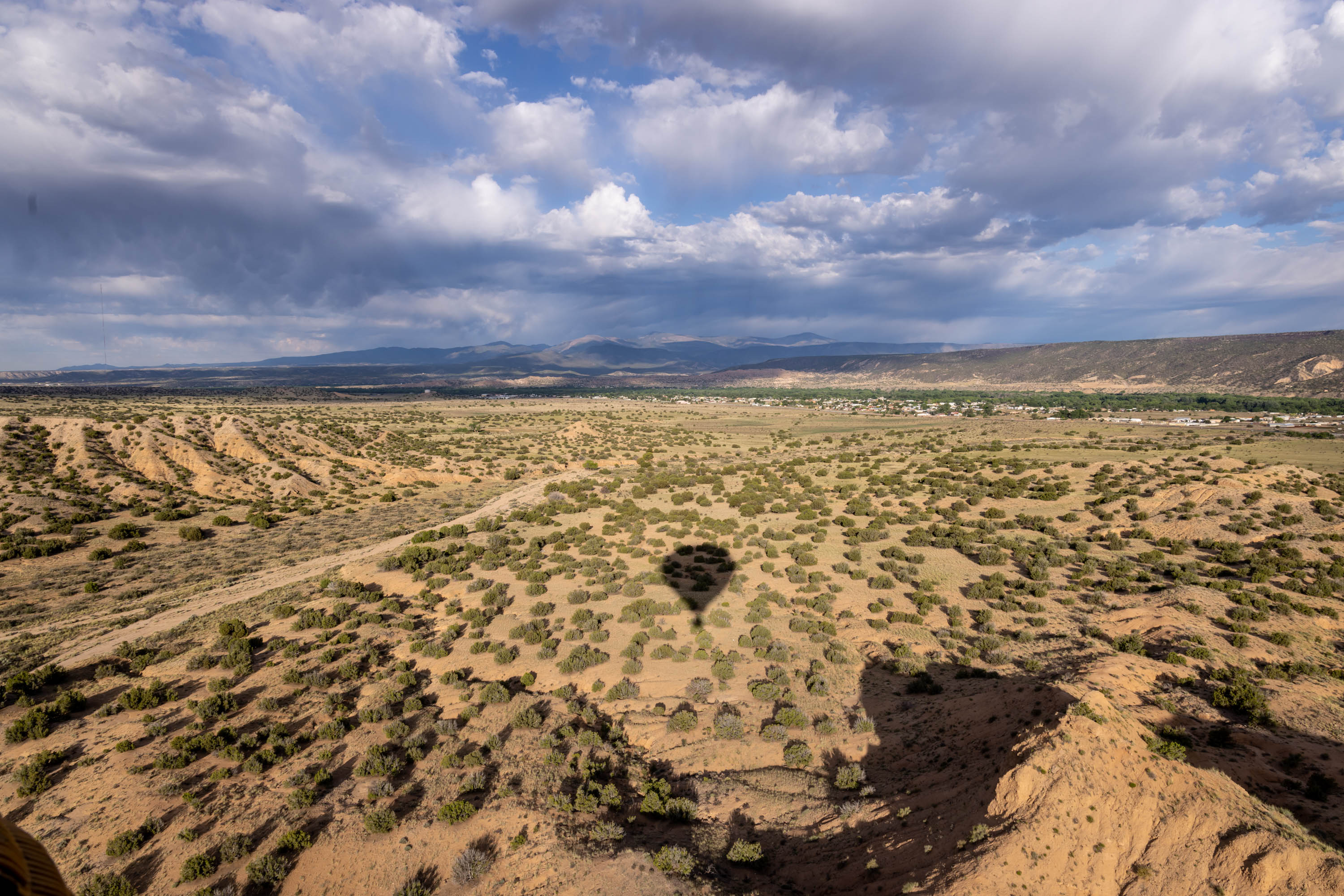
John outdid himself when he surprised me on my birthday with a balloon ride outside of Santa Fe. Even though I used to work chase crew for Arizona Balloon Company a lifetime ago, I have never been up in a hot air balloon… that is until now.
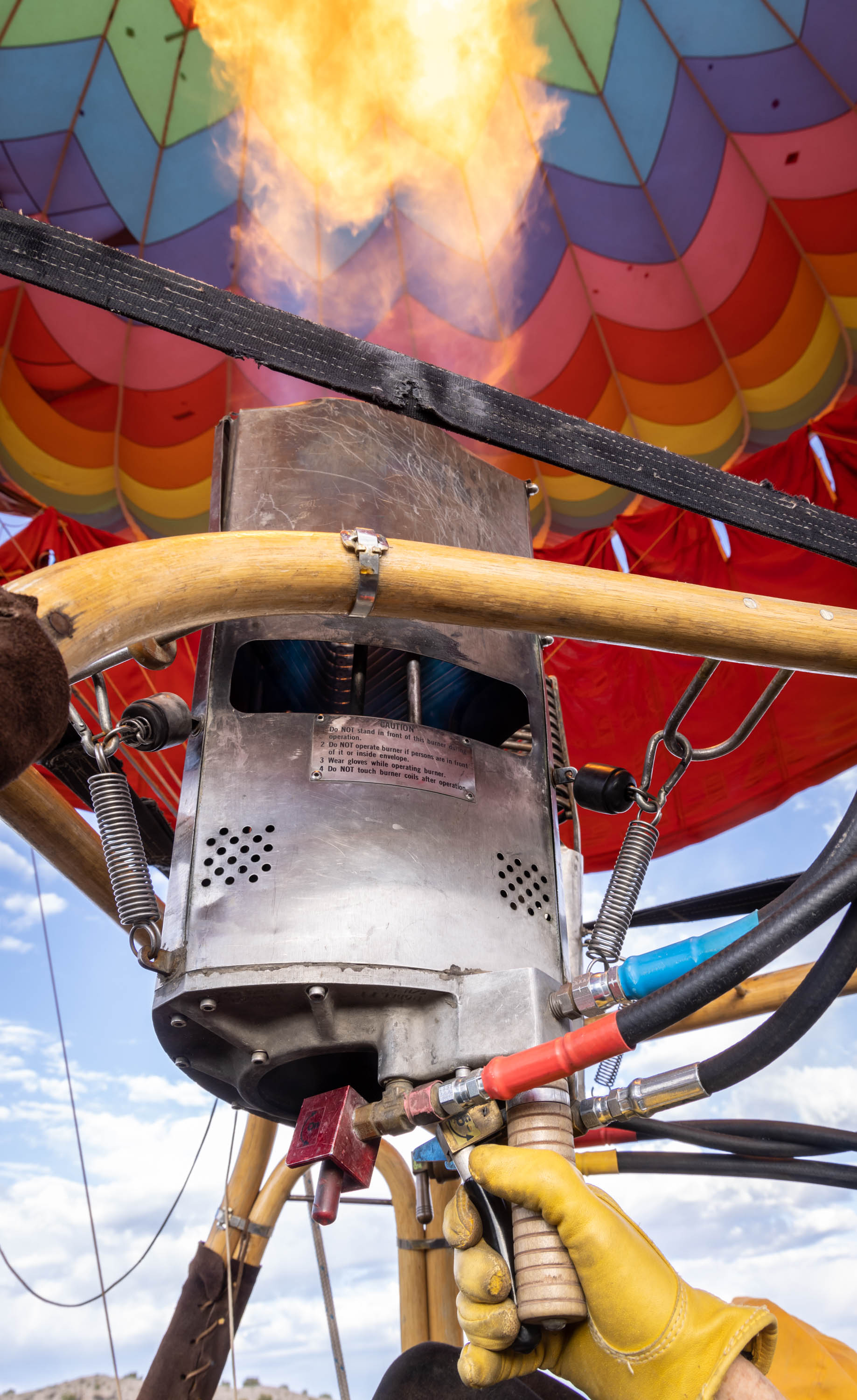
He had signed us up for a special experience with Santa Fe Balloons, owned by the colorful character, Johnny Lewis. I can’t imagine a better guide through our maiden voyage as Johnny explained the art and science of ballooning as he deftly showed his experience through his skillful hands.
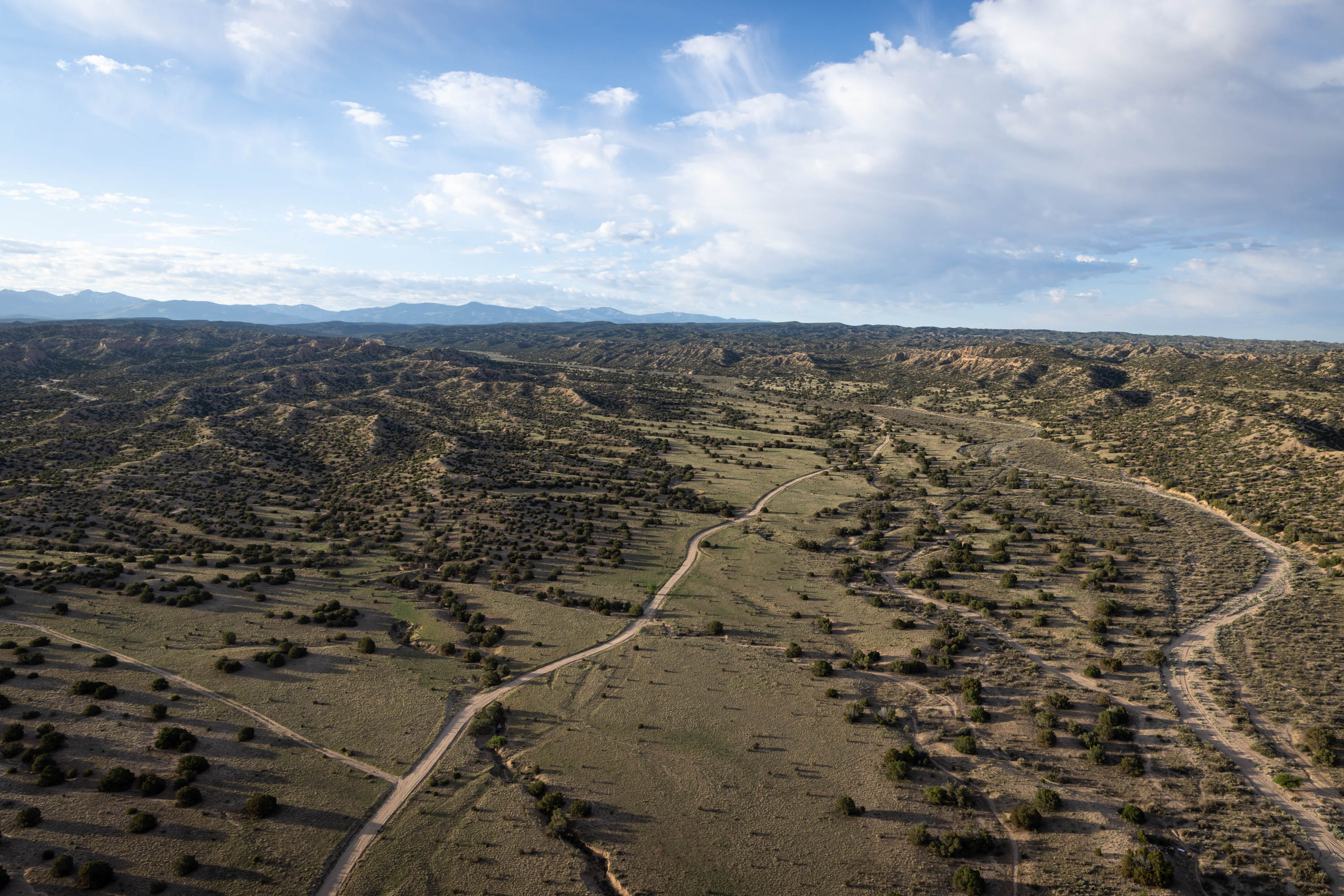
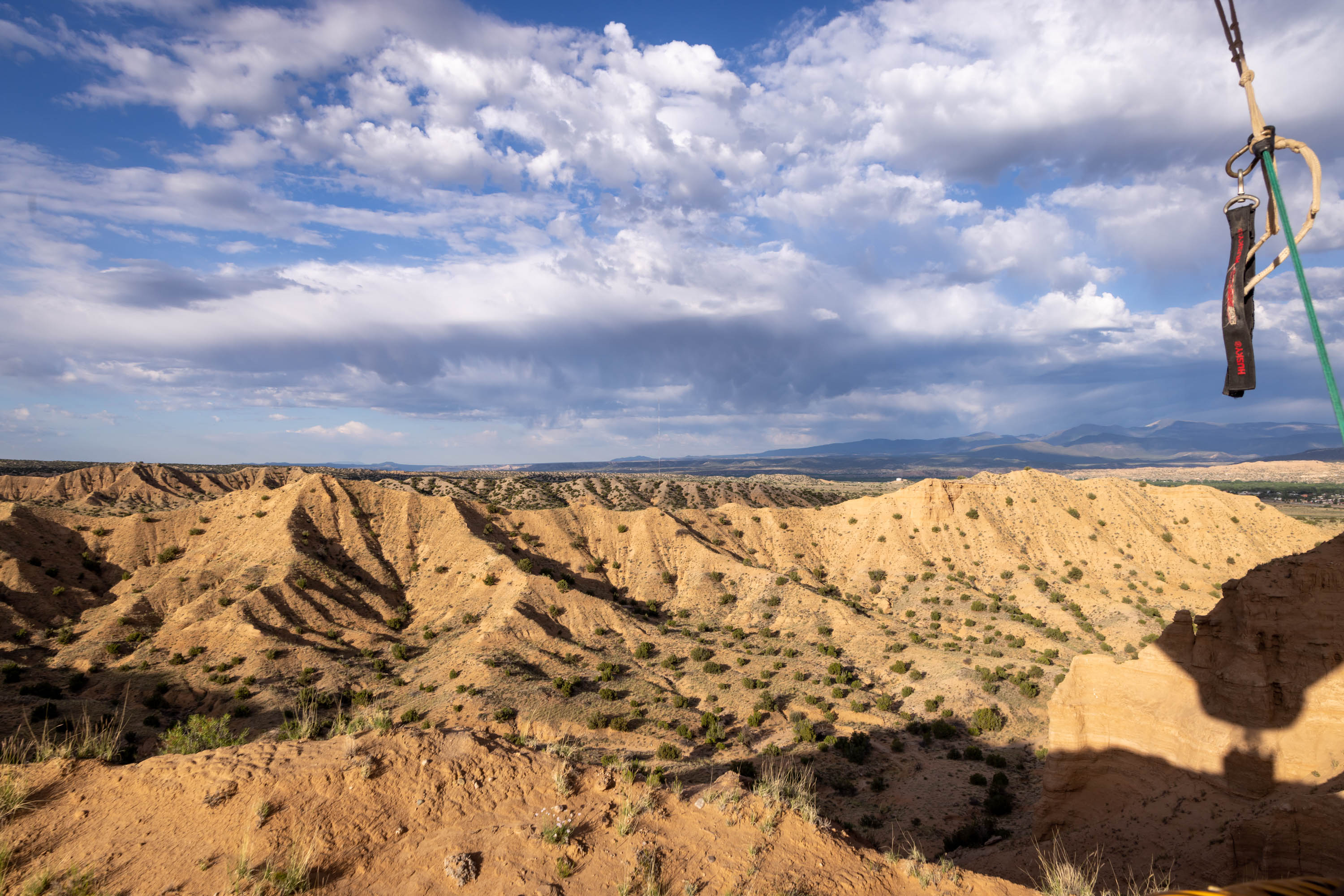
We floated effortless and quietly across the ravines north of Santa Fe, not a power line or city in sight. The views were stunning, and made better only by the commentary and education we learned as Johnny entertained and delighted us.
Johnny deftly walked the balloon across the nap of the earth, through the valleys, and gently raised it over ridges just as we wondered if we’d hit ground. He did things with a hot air balloon we didn’t know could be done giving us a thrilling ride.
Then he brought us to 1000′ altitude so that we could view the landscape from a-high. I can’t imagine a better pilot for our first ride.
He worked the winds as if he controlled the gods from above as he made the balloon yield to his every whim. His masterful touch, his charismatic wit, and undeniable charm just added to this amazing experience.
With a kiss of the earth and barely a bump, he walked the balloon back the the trailer waiting on the ground. He was showing off his experience to anyone able to see it. It was a sight to behold.
Johnny was aided by a faithful crew who had clearly been to this rodeo before, as they handily aided in the deployment, catch and release of this ancient art. Jeannie, Johnny’s co-pilot was a delightful companion as she shared history and stories to enhance our experience.
We toasted our safe return to the earth with champagne and the balloonists prayer:
The wind has welcomed you with softness. The sun has blessed you with his warm hands.
You have flown so high and so well that God has joined you in your laughter and set you gently back into the loving arms of Mother Earth!
Thank you Johnny, Jeannie and crew of Santa Fe Balloons for a wonderful adventure and adding spice to our life for a memory of a lifetime. And to my loving husband who I love more today than the day I married him 36 years ago.
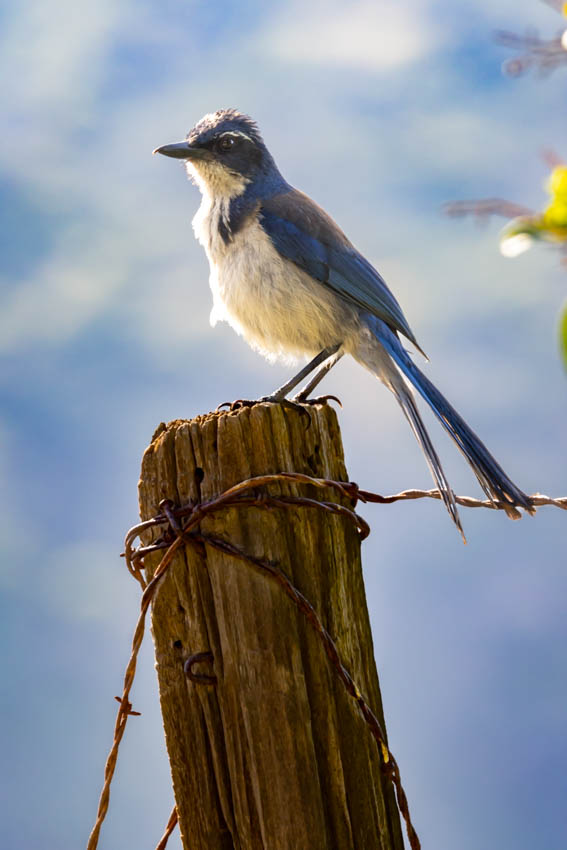
While there are over 500 species of birds that breed in North America, only one, the island scrub-jay, lives and breeds on a single island, Santa Cruz in the Channel Island National Park. The island scrub jay breeds in the coastal oak and chaparral oak that are found throughout Santa Cruz, and feeds on insects, lizards, mice and nestlings.
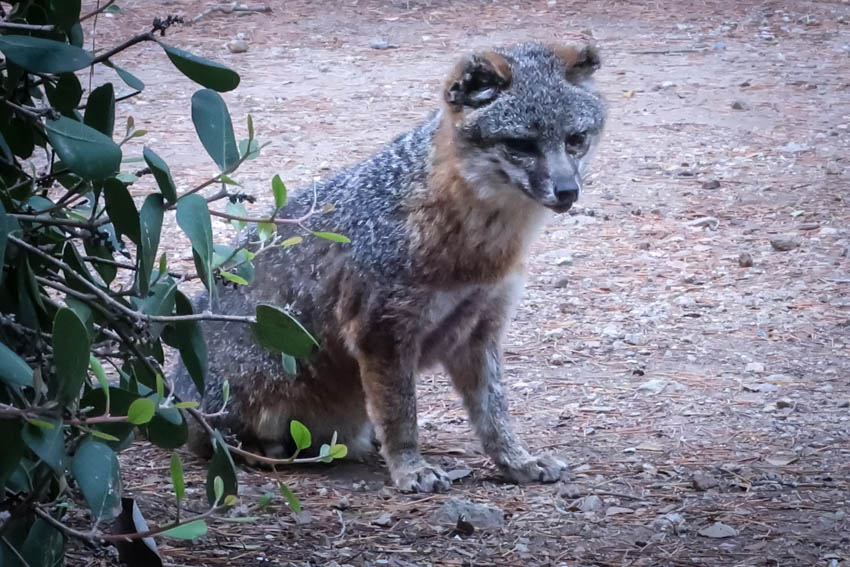
Other species endemic to the Channel Islands are the island fox. The island fox lives on only 5 of the 8 Channel Islands, and no place else. Each island fox species is recognized as its own separate unique subspecies. The island fox is a third smaller than the mainland ancestor, and more the size of a small cat, at only 4 – 5 lbs. It has distinctive markings around its face, with rust colorings on its sides and white underneath.
The one (above) we saw on Santa Rosa, was visibly different from the one we spotted on Catalina (below).
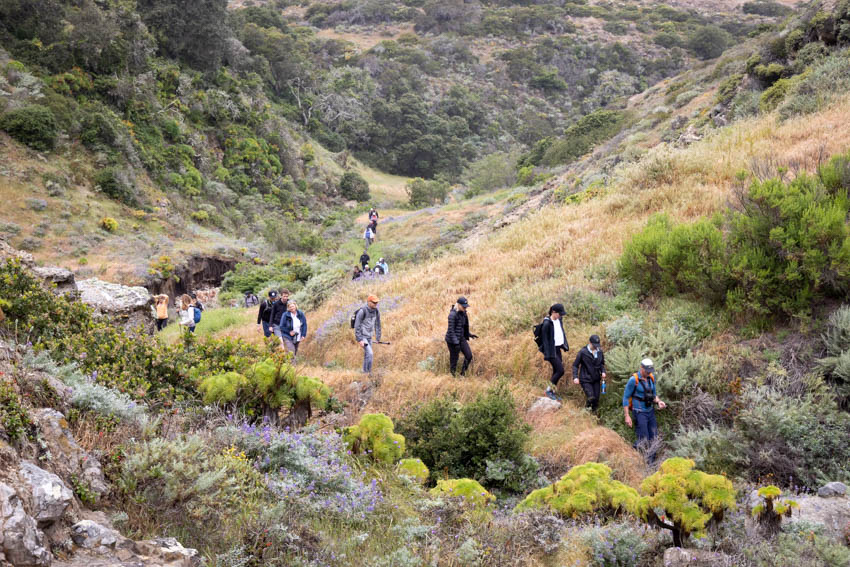
We found our visit to the Channel Islands to be interesting, educational, and tiring with the many nature hikes and excursions we enjoyed. for more photos of the Channel Islands – Anapaca, check out my blog post here…https://kritterspaw.com/2023/05/05/channel-islands-anacapa/
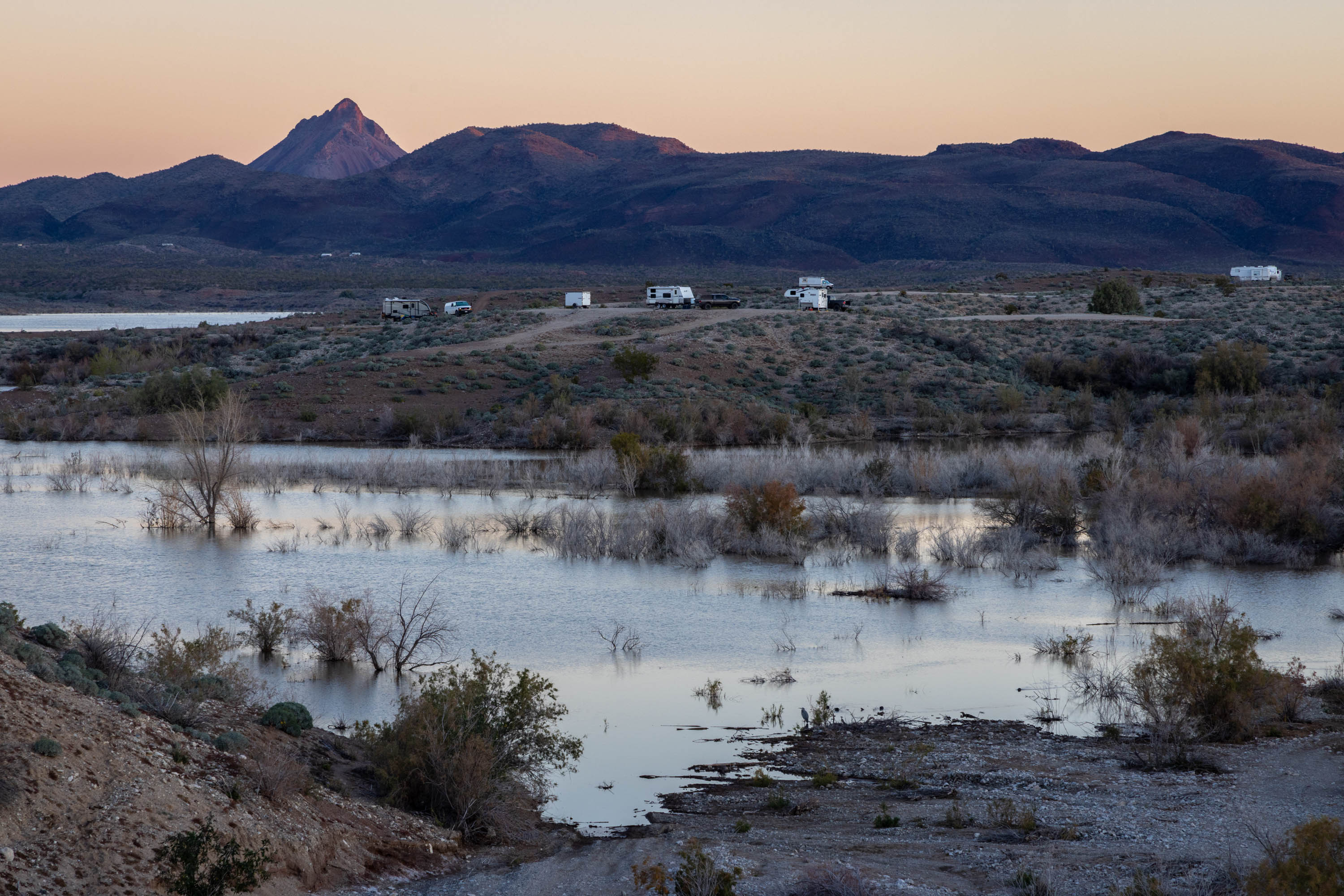
Most people know where Lake Havasu is. The London Bridge has made it a tourist landmark. Forty miles southeast of Lake Havasu is the Alamo State Park.
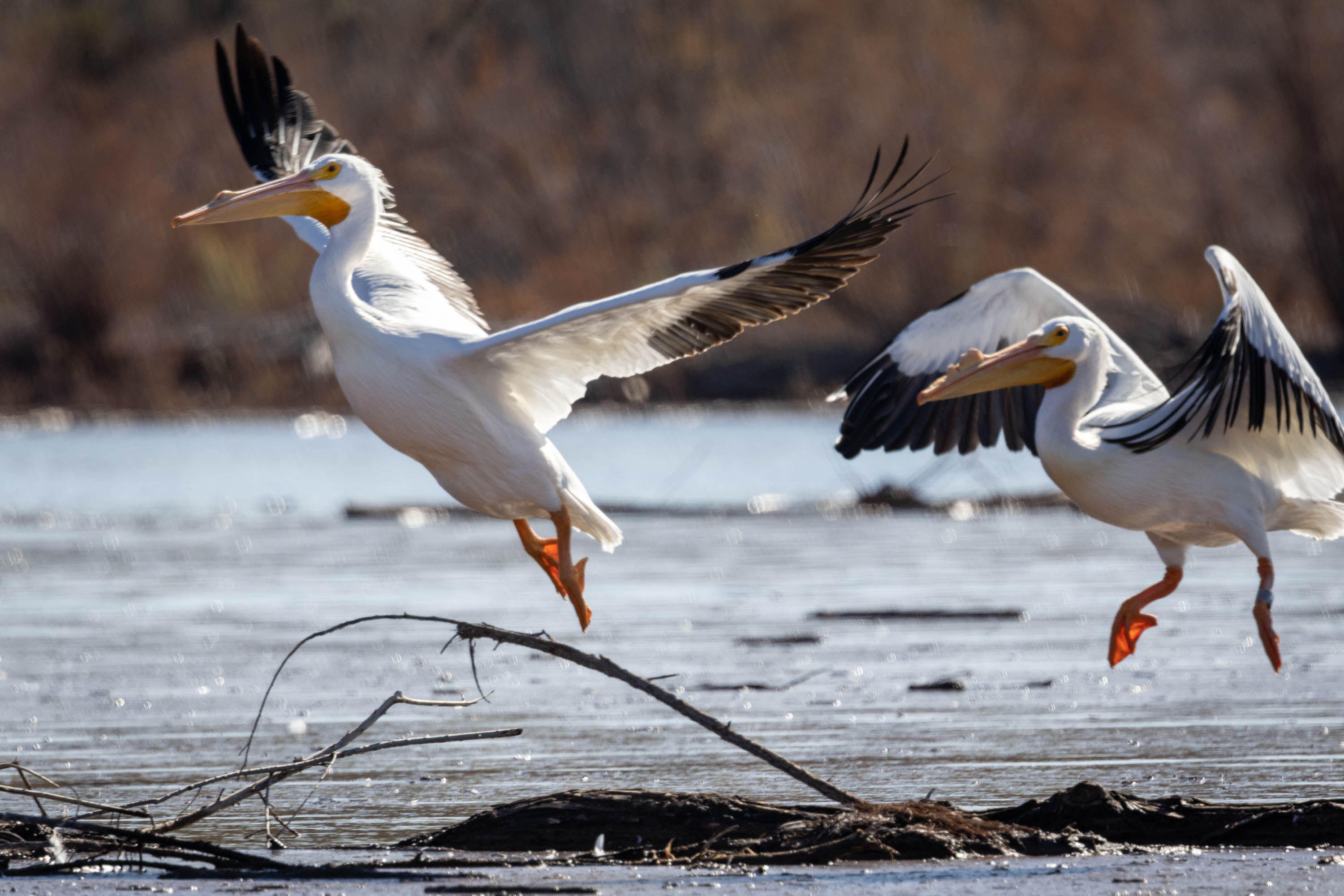
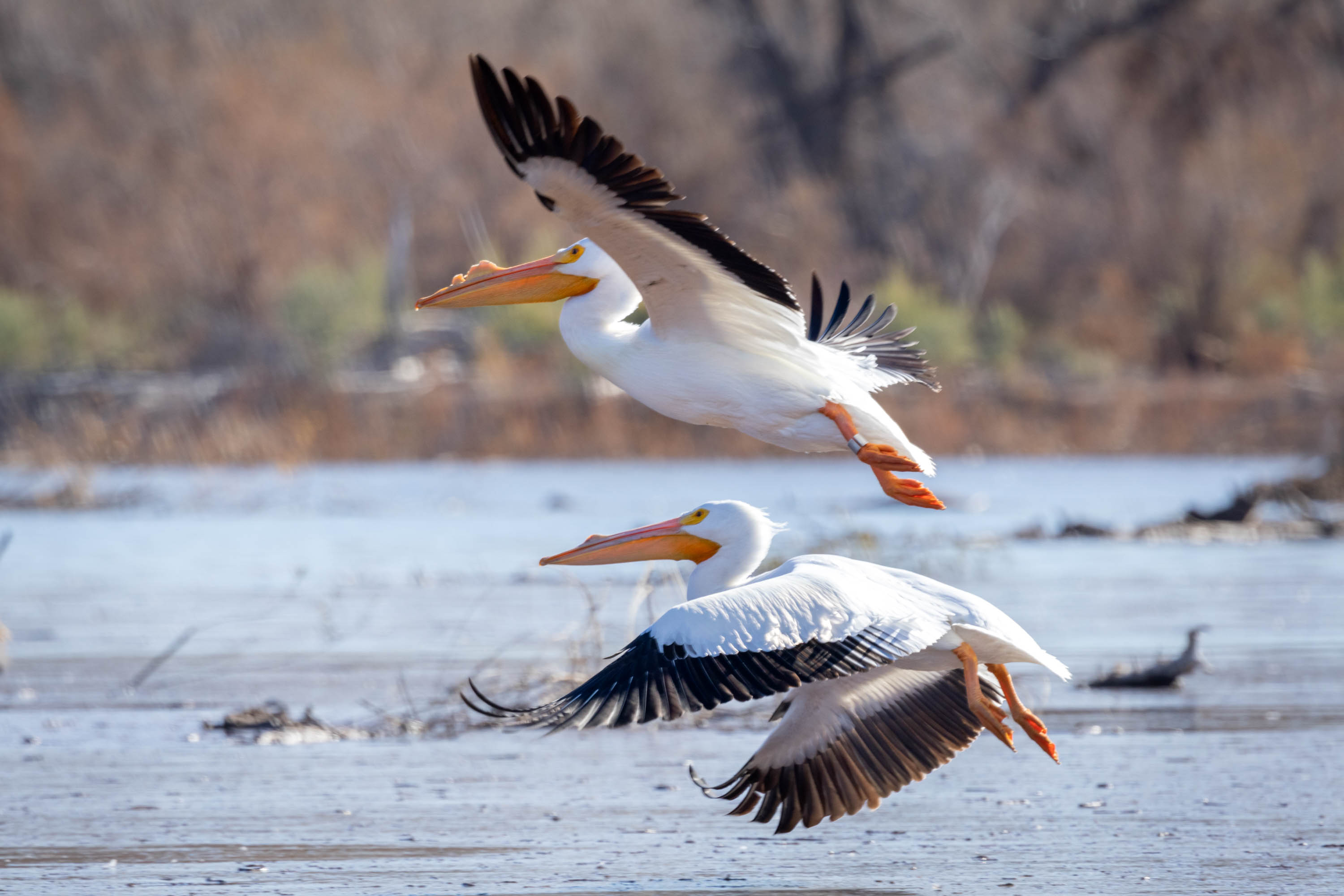
The park was formed as a recreational reservoir. It offers camping, ATV trails, boating, and fishing. It is also popular to wild burros and white pelicans.
We saw dozens of white pelicans who winter in the calm still water in the recesses of the Lake.
The American white pelican breeds in Canada and upper Midwest, but migrates south to warmer climates for the winter. Arizona has become an increasingly popular place for the pelicans to winter due to the ideal climate, warm waters, ample fishing (thanks to well stocked man-made lakes) and protection from predators.
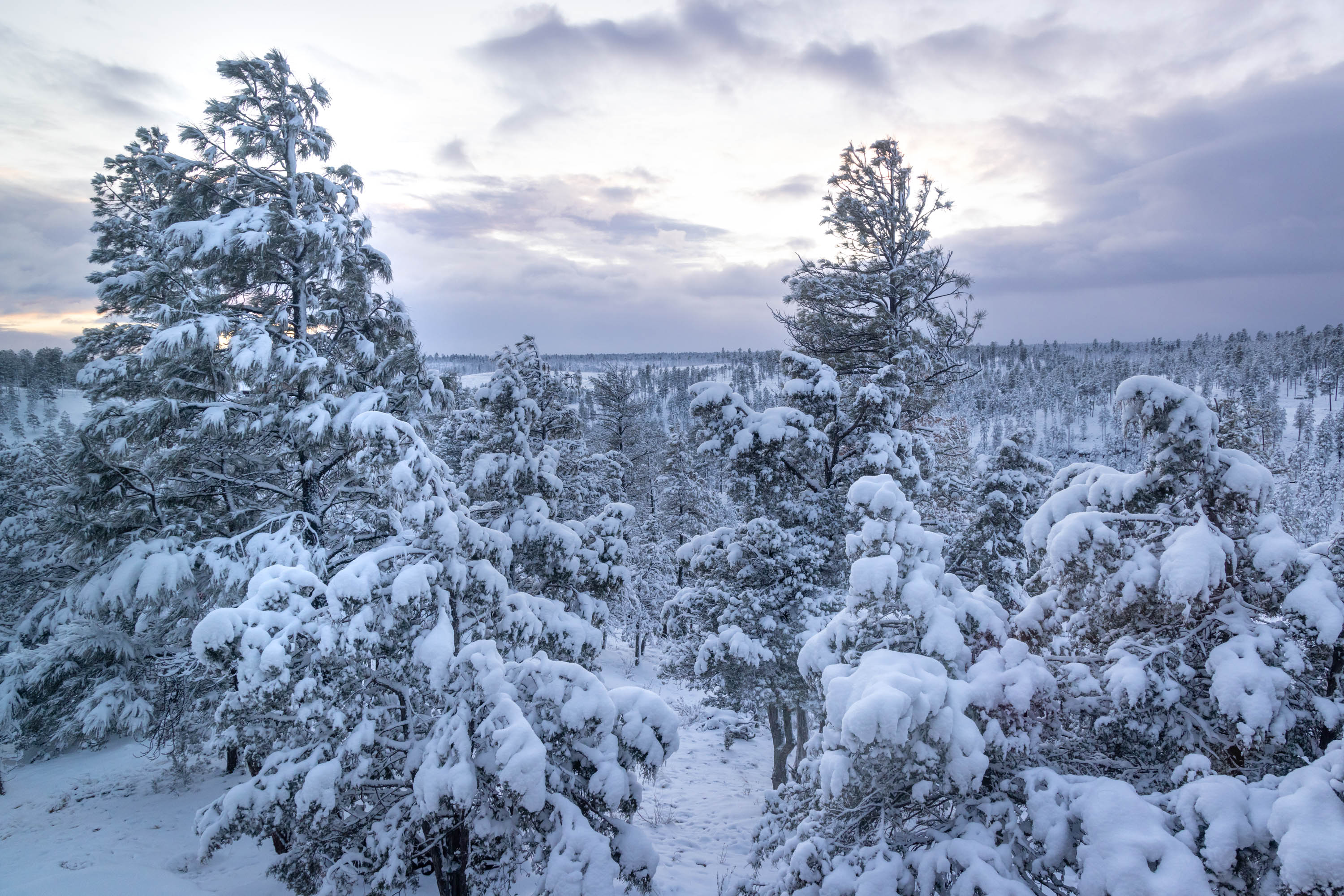
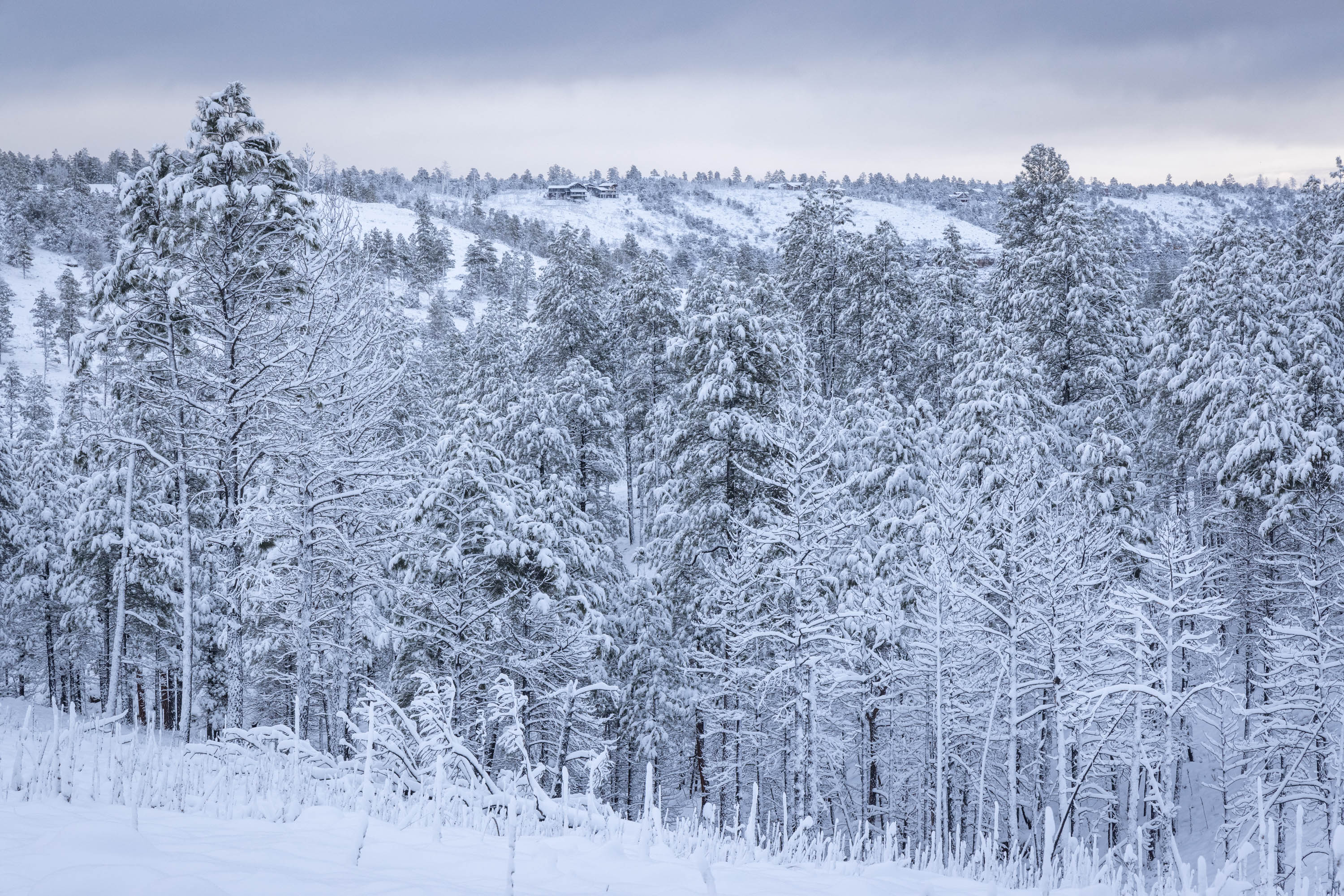
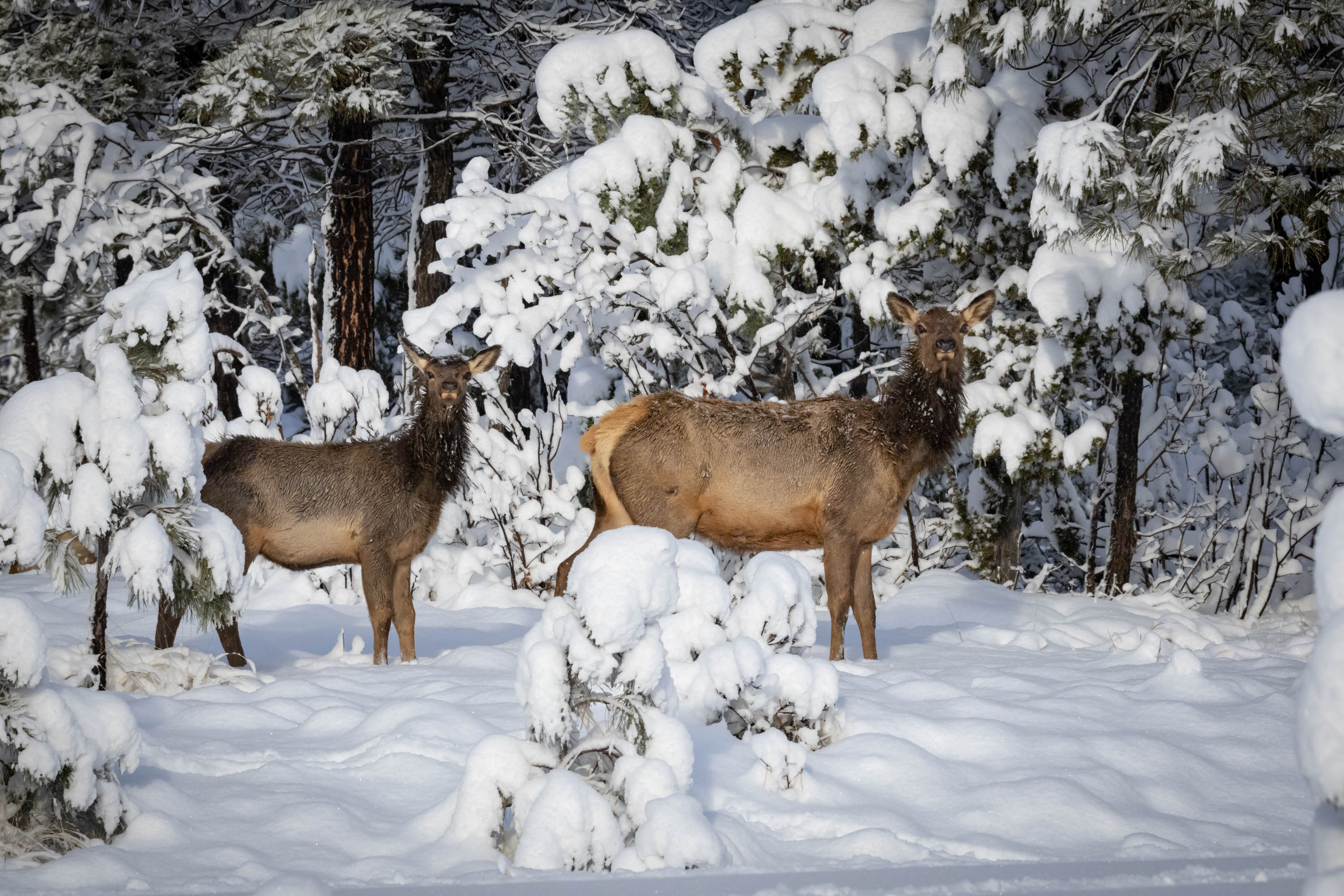
Finally, a REAL snowstorm! We got over a foot of snow. It clung to the trees and weighed down her heavy branches, coated the forest, and drifted along the roads. There is something so beautiful about fresh fallen snow.
The animals came out to enjoy the cool, refreshing white powder. As did we, following animal tracks and plowing new ground along our unplowed roads.
The accompanying wind blew snow in every direction as the storm took hold and wouldn’t let up.
By the next day, we had some real accumulation and forecasts for more. Bring it on! We can use all we can get, as the snow feeds our animals, our forest and her trees, and our rivers and lakes. Without it, our environment and animals are at risk. Let it snow!
For all the places and scenery we enjoyed this year, we encountered animals along the way. We found a beaver den and were able to capture the little guy munching away on trees. We witnessed big horn sheep in the snow. We watched antelope traverse a hill with a cloudy sky as a back drop. And caught osprey and eagle with their prized catch. I had so much fun, let’s do it again. Bring on 2023. Here are some of my favorites.
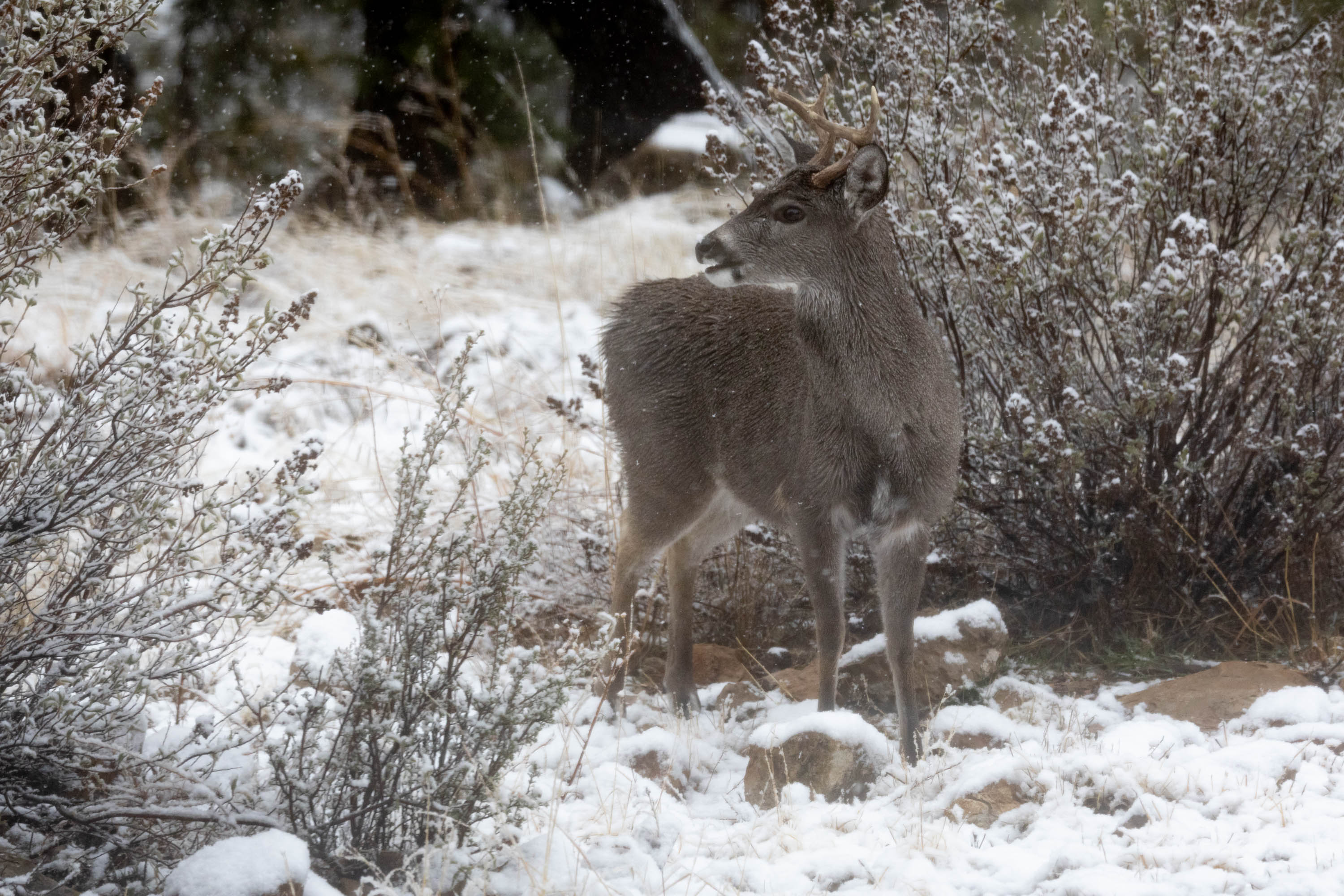
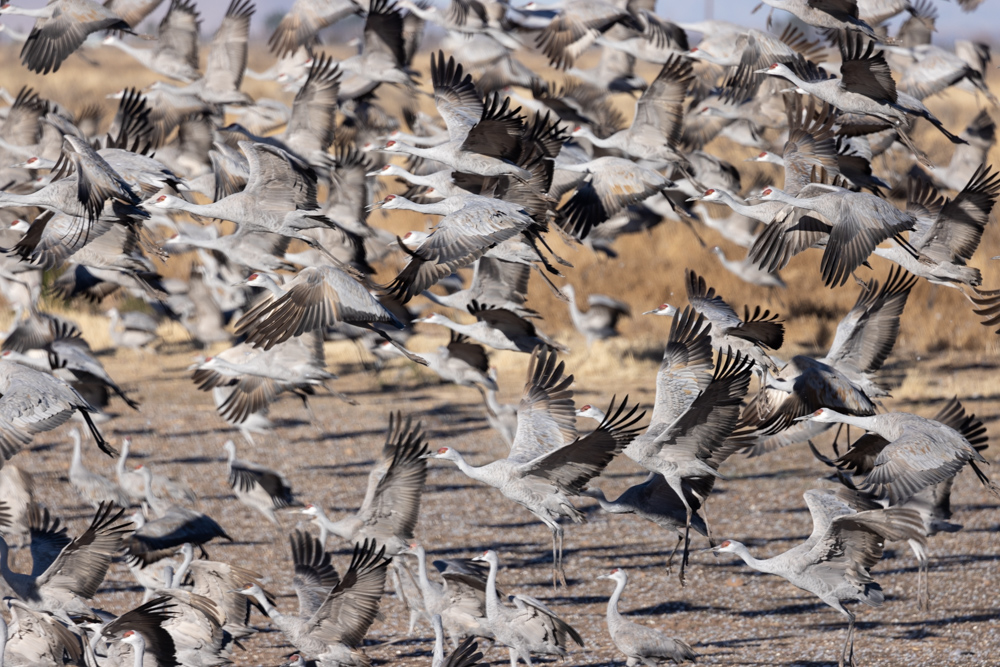
Big horn sheep playing in the snowHerd of big horn sheep run in the snowCanadian Geese family enjoy the morning glow.Beaver frolics in the water at Horseshoe Cienga Lake.Ground squirrel braves sharp spires of the ocotillo for some of its tasty ‘candy corn’ fruit.Osprey squawks for mateOsprey flies off with prized catch.Large 5 pt bull munches pine cone off tree.Curious river otter at Deadhorse Ranch State ParkSandhill cranes lift off in mass to grass in fields nearby.Baby grosbeak at feeding time.Pronghorn antelope with new born in meadow.
It was a good year for animal pix. I could keep going, but I’ll stop here. Many are posted in the pages of my blog if one was so inclined. I hope 2023 is as productive and full of adventure as 2022. Wishing all the best to my great followers.


































 kritterspix