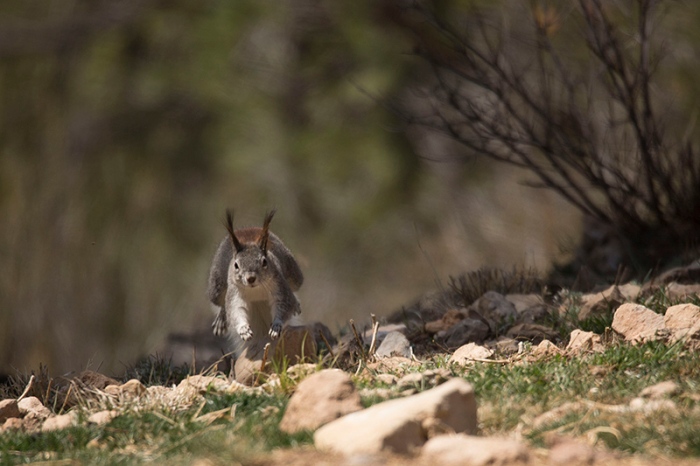
Tufted Red Squirrel

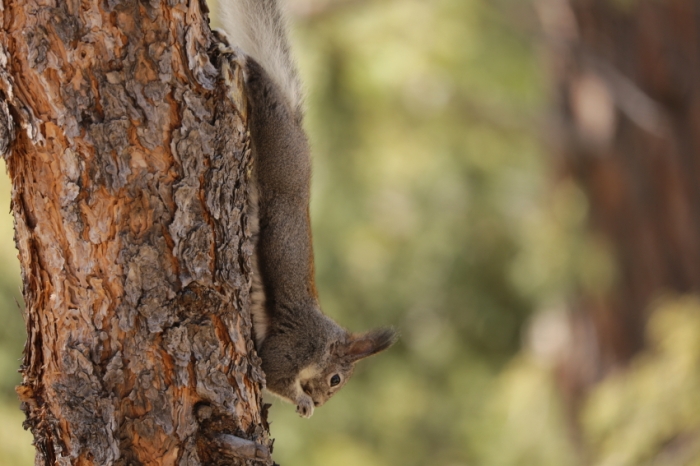
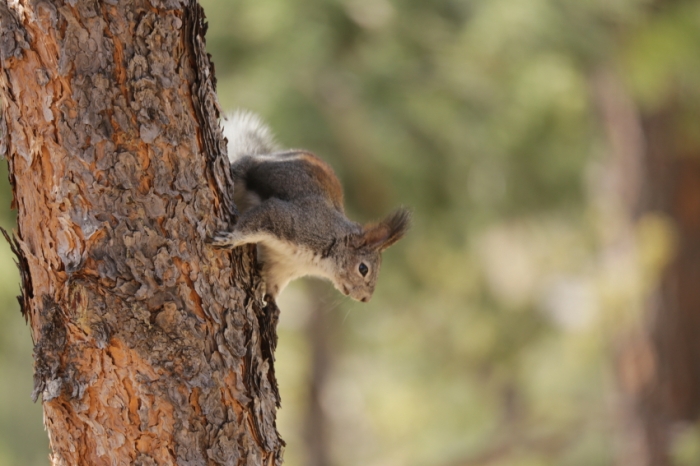
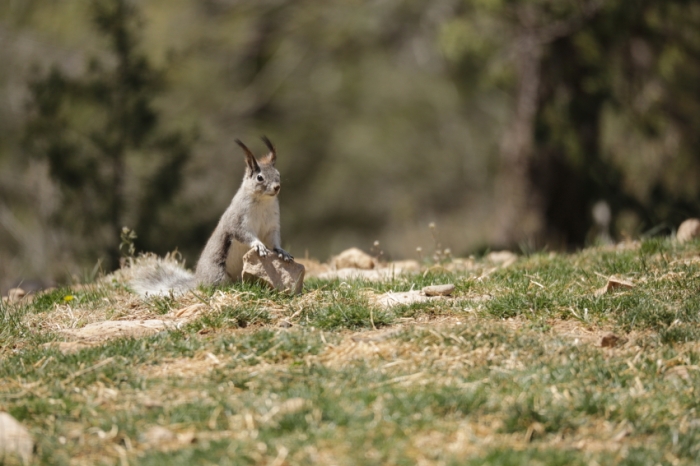
redleapPS cropi.jpgWe get a lot of squirrels and chipmunks.  There are not unusual around here.  But we get these tufted eared squirrel occasionally that are very striking looking.  I originally thought that they are Kaibab squirrel, but Kaibab squirrels are known for being primarily in conifer forests in North Grand Canyon.  So either these little guys are lost… or they are just garden variety tufted ear squirrels.  Our visiting squirrel is likely a Abert’s Squirrel which is the variety found in South Grand Canyon.
red tree liei.JPG

red tree turni.JPG

Either way, this little guy has gotten pretty comfortable here, and comes to visit occasionally.  Whatever family they belong to, we’re happy to have them visit and pose for my photos.  Smile, you’re on Kathy’s camera. :)
redpawsi.JPG

The Pano

I often take Panorama’s, but seldom actually stitch them together.

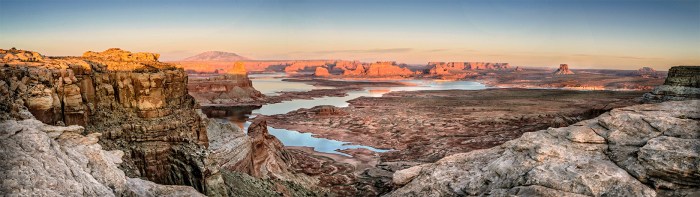
alstrom pano_PEi.jpg

So let me step back a minute.  Panorama’s are a wide span photo, either vertical or horizontal.  These days you can do them with your camera or point & shoot, where in some ways they are easier.  Just press the button to go… and again to stop.  Wa-la.

To do them with DSLR is a little more complicated.  In Photoshop, you do a Photomerge, which is hidden under the obscure tree File – Automate – Photomerge.  Select the photos you want to merge and it will whir and wiz until it comes up with a compilation of your photos stitched together.  You’ll have to do some cropping or Content Aware patching to fill in any holes… but wa-la… the Pano.

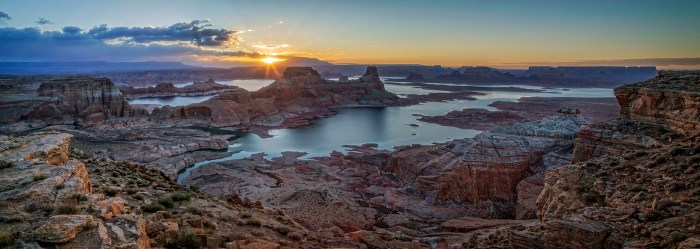
Alstrom Sunrise Pano PEPSi.jpg

A good tip when you do the Pano in camera is to stick up one finger to designate that you are beginning a pano… then take your series, trying to remain level to the horizon and constant focus & exposure as you sweep your photos across, then stick up 2 fingers to designate that you are done.

_40A6047i  _40A6054i

This way when you are going through you digital negatives you know you have done a pano and can stitch it together using Photomerge in Photoshop.

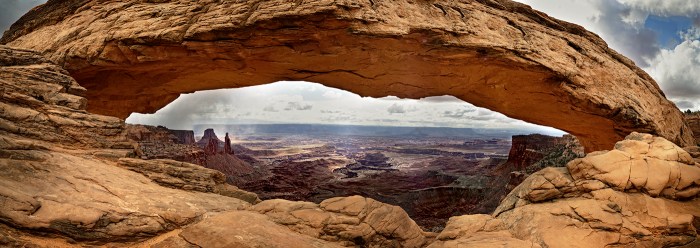
Admittedly, I will take them, but rarely get around to or bother to stitch them together.  Maybe it’s because they just don’t inspire me as great photos, they are difficult to print, and hard to email.  Some subject matters do lend themselves to the pano format however.  So don’t necessarily blow them off.  Give them a try to enhance the story telling of your trip.

Mesa Arch Pano_PEi.jpg

Whether to Weather

My friend, Maureen, recently asked me which is better – gray skies or blue.

Hmmm. As in all things… it depends.

lp rainstormPSi

powell rvr closPSi

I love the dark clouds of an oncoming storm. It adds such great interest to a photo. Gray clouds are an entire different matter. They can create a washed out dull photo. In those situations it may be best to just cut the sky out of the photo altogether and enjoy the absence of a gray washed out sky.

Blue sky on the other hand can be very harsh and lend no interst to the sky… no drama or interest.

skinnyspirei

mittensPSi

It’s as they always say … dawn & dusk are the best.

Those times yield the best low lighting on your subject casting a nice soft glow.

Weather can yield the best photos. Dark, bloomy clouds add depth. But if it’s just gray and overcast it can create a bad photo day. Watch for the weather. Embrace it, and take advantage of the weather… it often adds more than less.

mittnPSi

Arches National Park

rokgardnPSi.JPG

roadviewPSi.JPG

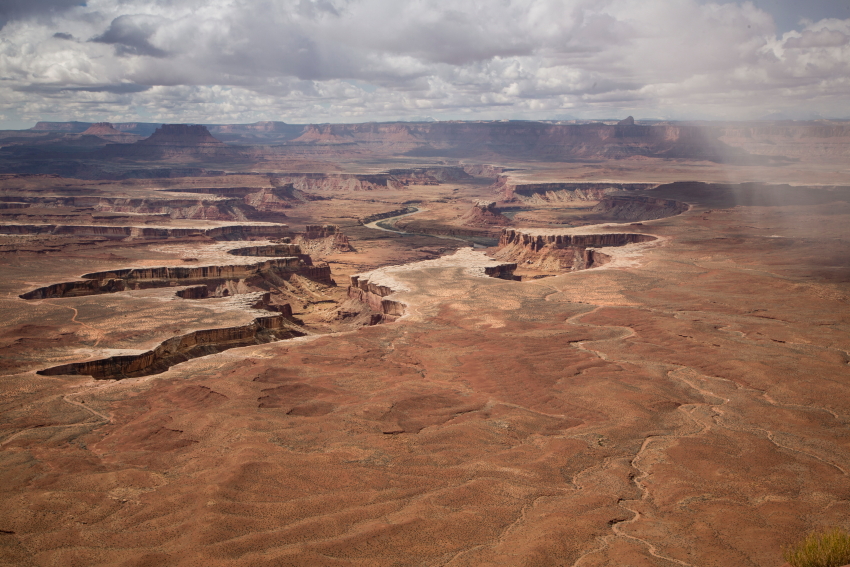
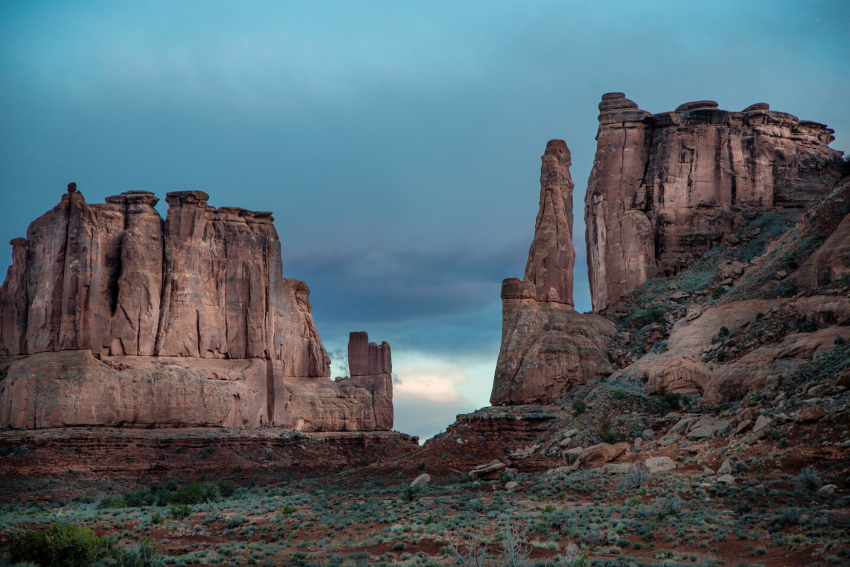
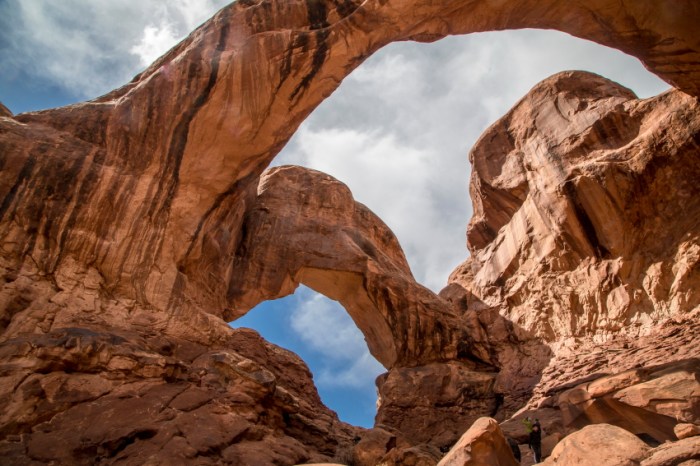
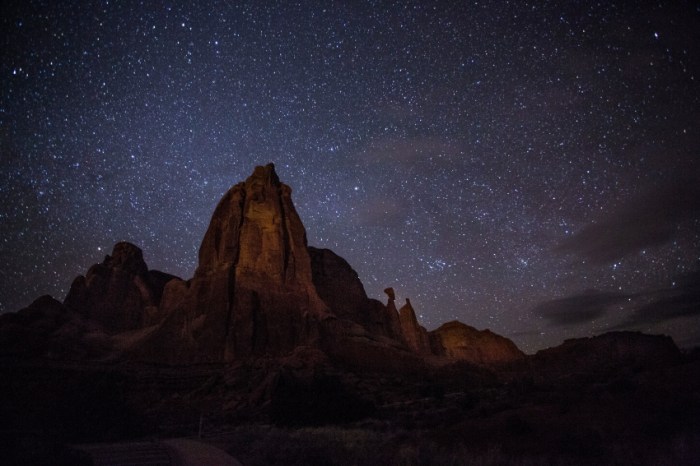
Arches, while aptly named with memorable arches to view and walk amongst, is so much more.  It is multiple spires, hoodoos if you will, large canyons and seas of rock formations jutting out of the valley floor… and arches.

da skyPSi.JPG

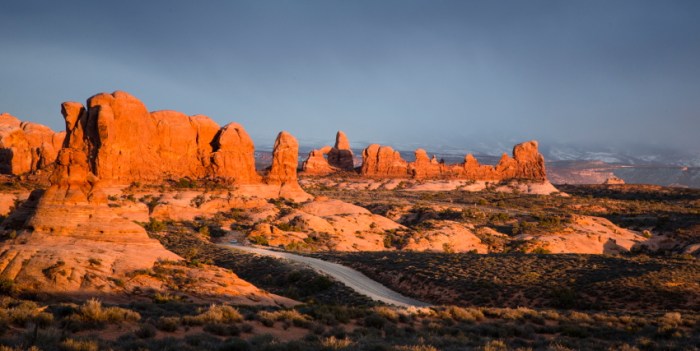
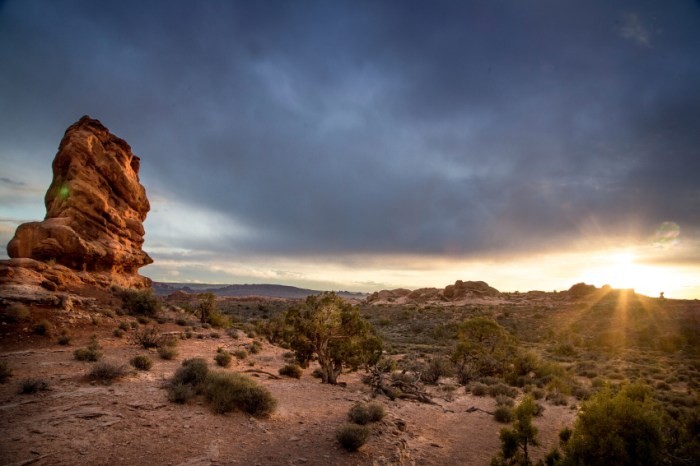
Arches true colors shine at sunset when the colors turn a brilliant unreal orange-red.

roadgloPSi.JPG

balancgrokPSi.JPG

The rock pillars radiate as if they were on fire, taking on an other worldly glow.  It makes you stop dead in your feet just to take it in.  It comes like a storm, lights up the world, then without pause or hesitation it disappears behind the horizon until it comes back tomorrow.

sun2cldsPSi.JPG

sunwindowPSi.JPG

For me, I’m just happy to be witness to it’s grandeur and share in it’s awesome beauty.

pkaventPSi.JPG

Slot Canyons

2wayarch2PSi.JPG

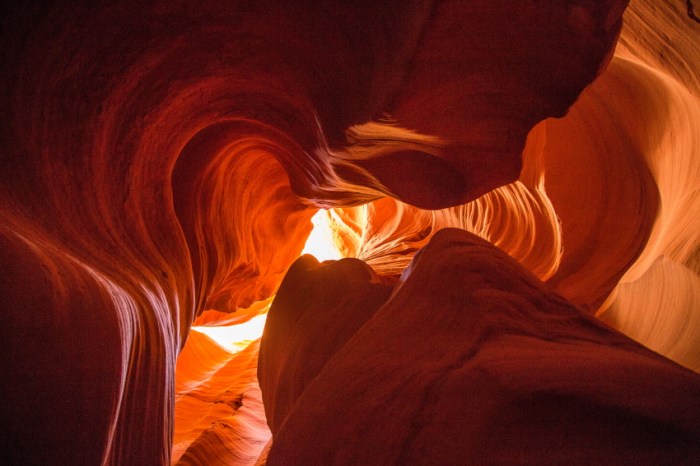
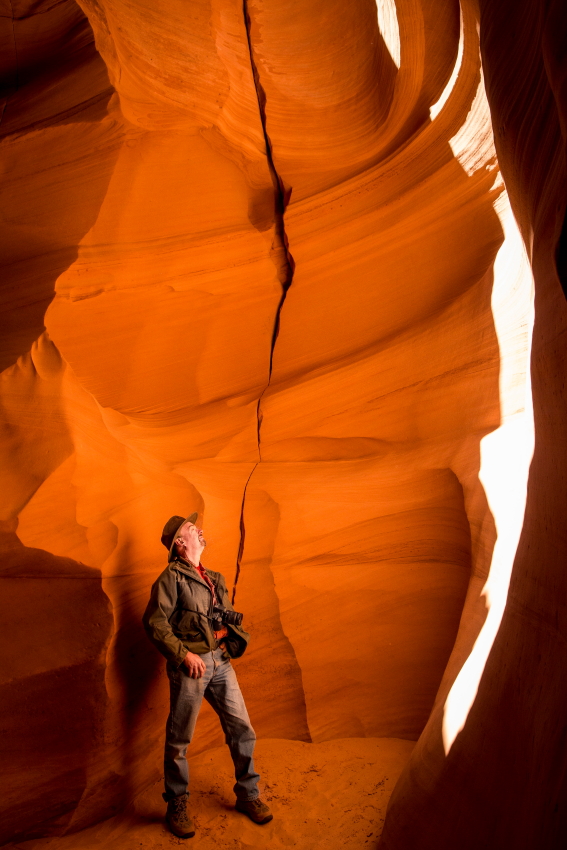
Slots canyons are a landscape that is reminiscent of the desert southwest.  They are completely unique to Arizona / Utah area.  It’s not like they are common in Florida or Maine.  They are canyonesque shapes and textures that are unique unto themselves.

Here in Arizona they are common through the Indian Reservations… which unfortunately makes them expensive.  But there are other less accessible places to enjoy them, though they do require knowledge, agility, and a hike to get there.

bearPSi.JPG

They also require, if you’re so inclined, finesse in capturing them photographically.  Slot canyons are an illusive subject matter with their sandstone form and varying light.  They represent an abstract challenge to capture visually.

swirlPSi.JPG

j beam lookPSi.JPG

For me, they are difficult to capture.  Maybe because I tend to photograph tangible subjects like wildlife and landscape.  Photographing something abstract takes imagination.  You must see the shapes, contours and contrasts without washing out the colors.  It’s also technically difficult because the poor (dark) lighting conditions require a tripod … and a cloudy white balance setting promotes the orangey hue.  Pity I don’t have more opportunity to practice.

sandwavePSi.JPG

faceptgPSi.JPG

owlfar hortPSPSi.JPG

Lake Powell – Alstrom Point

sunoffrok2PSi.JPG

moonogsPSi.JPG

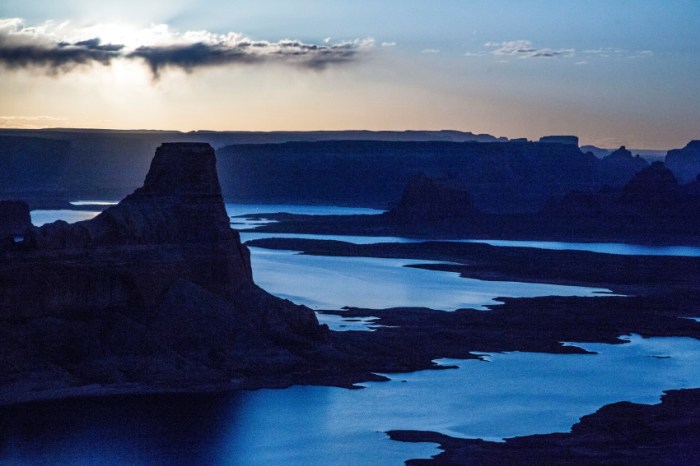
Have you been to… or heard of Alstrom Point?  It’s on the back side of Lake Powell, north of Page.  We have seen photos of this amazing place and wanted to check it out for ourselves. If you go to Page, continue west to Big Water.  Stop at Big Water Visitor Center for a fascinating education in this dinosaur rich area, with over 4000 dinosaur’s being discovered just in the last 10 years, many newly discovered species.  They’ll give you a detailed map on how to get to Alstrom Point.  But essentially it’s behind Big Water along a long 2 hour dirt road.

hoodoos closPSi.JPG

The overlook was nothing short of stunning.

hawkheadPSi.JPGWe camped out so we could get sunset, sunrise, and star photos.  We enjoyed it so much, we stayed 2 nights.  It was one of those magical moments that you remember for a life time.  Watching the full moon rise over the lake was fantastic.  This orange ball rose just behind Gunsight Butte, lighting up the sky like it burst into flames.
moonorgPSi.JPG

moondarkPSi.JPG

Because we were there 2 nights we got to do sunrise and sunset, as well as night stars.

firstmoongloPSi.JPG

Pictures don’t do it justice.  It was a fabulous couple days.

From the Archives: Amalfi Coast, ITALY

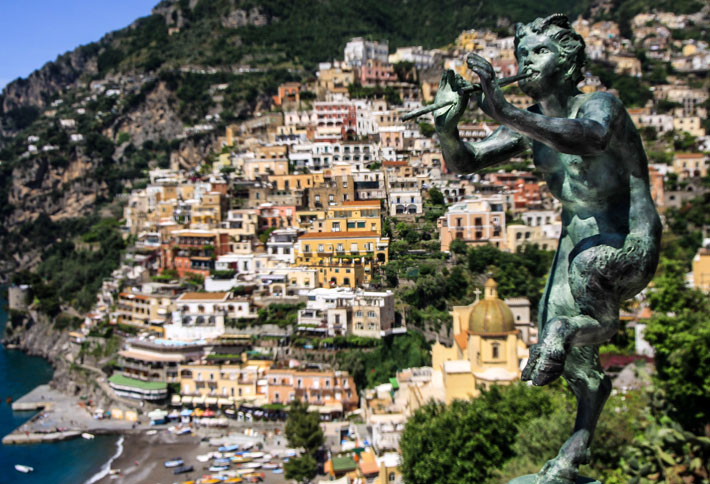
positano-nyph-landPSi

I’ve said it before… but I feel very fortunate to have had the opportunity to travel the world. There are far more places that I haven’t been, than I have. Yet having been to around 40 countries, I’ve seen enough to ‘get the bug’. To some, 40 countries may be a lot… to others, not very many. It depends on your perspective. If you live in Europe, it’s nothing. If you live in the USA, it’s more than most.

Either way, I love the beauty and culture of new places. I find that Europe in particular has so much history, architecture, and scenery, which gives it a great depth of character.

We do love Italy… I’m not sure I’ve been anywhere in Italy I haven’t liked. The food is amazing, the people gregarious, and the atmosphere eclectically wonderful. If you’ve been to Venice, you know exactly what I mean.

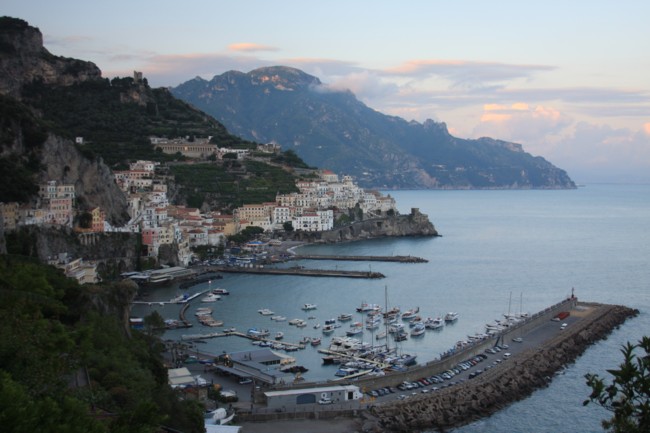
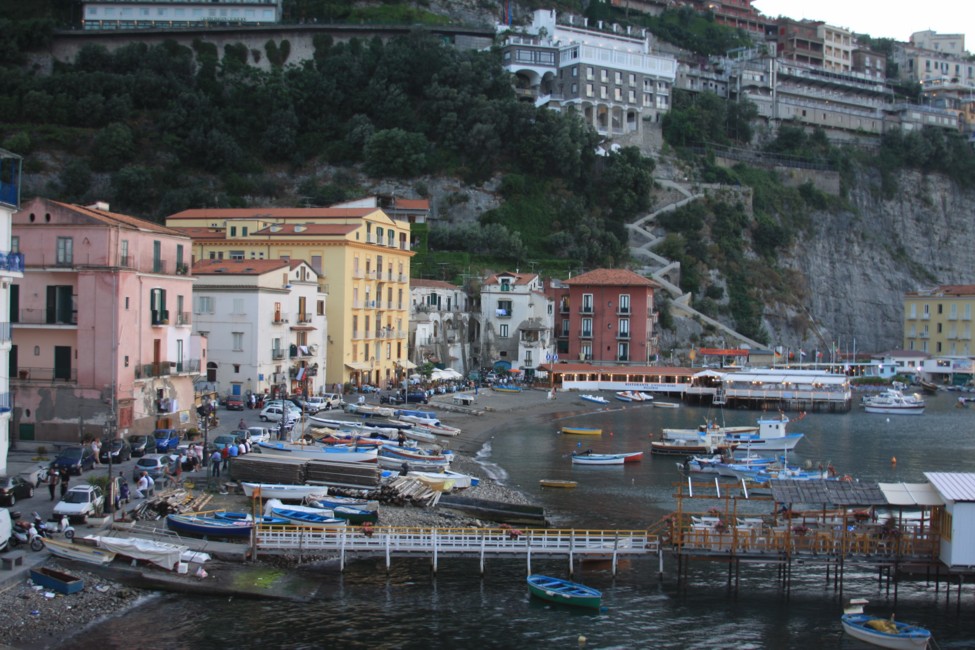
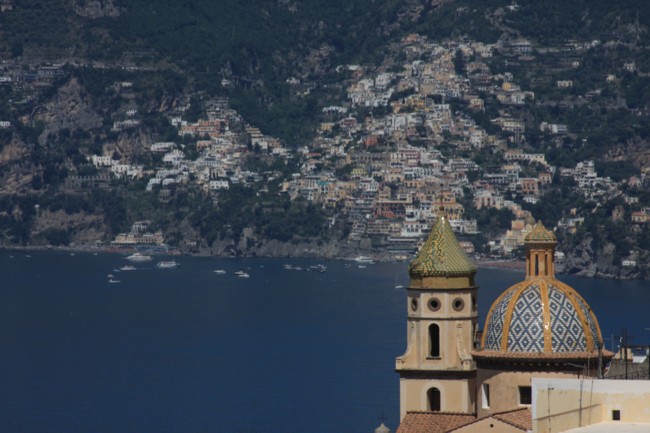
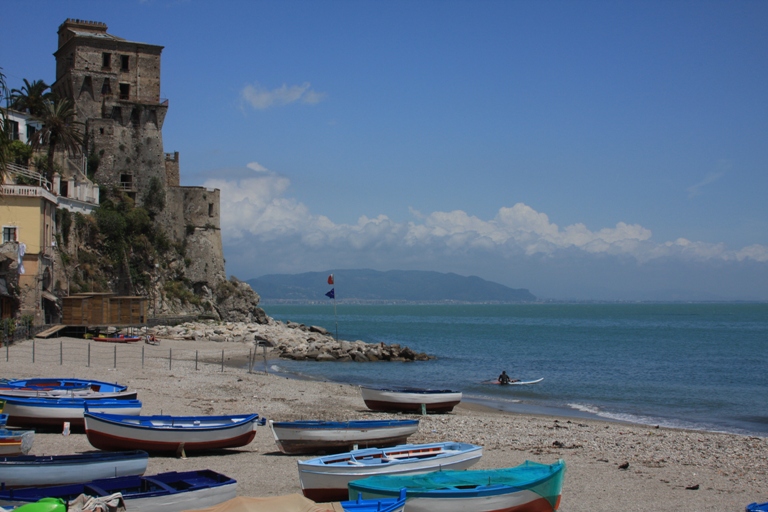
I pulled these photos out of a trip my husband and I took in 2008 to the Amalfi Coast. With houses hanging on the sides of mountains, colorful rooftops and city domes as they jut right into the sea… it’s fantastically picturesque.

amalfii

sorrento sunset village2i

praiano domi

While in Amalfi Coast we spent time in many of the small cities along the coast, including Sorrento, Amalfi, Positano, and Cefula. Each has it’s own charm.

positano scapeki_Ss

cef boat nti

whichway landi

cetara boats beachi

The mix of sea, land, food, culture, and picturesque landscape is absolutely intoxicating. Just looking at the photos makes me want to go back. Thanks for reminiscing with me.

Campground Glow

jjfire_ssi.JPG

We went camping the other day, and to be perfectly honest, I’m a bit embarrassed by how FEW photos I took.  The advantage to night camping (particularly at my age) is I can get night shots – stars, milky way, etc.  But I took only a handful of photos… and didn’t stray far from the fire.

This time of year, there is still some snow on the ground, and the overnight temps can be chilly.  So I didn’t even get out the tripod.  I handheld my camera and took a couple pix of my favorite model – my faithful and patient love-of-my-life husband, John.

jsits fire_ssi.JPG

It stuns me the quality of photo one can get in our digital cameras these days.  With ISO’s that can go up to 200,000, one can make a pitch dark photo look like daylight.  In the old days of film, you could buy high ISO film, but you paid for it in graininess and noise in your photos.  Forget about using your zoom or stopping down your aperture, it was just grainy.

The photo above was taken at an aperture of f/9.0 at 4000 ISO.  Amazing right?

jside_ssi.JPG

Above was taken at f/4.0, 10,000 ISO.  By shooting with a large aperture I could not only draw in as much light as possible, my depth of field is shallow, and I grab the cast glow from the fire.  It’s just amazing to see what modern digital cameras are capable of.

jneels_ssi.JPG

The Study of Elk

elkinthemiddlePSi.JPG

As with anything we are passionate about, and aspire to do better, we must practice and study.  Learning from masters in the trade that have come before us is a good way of learning.  As such, I have been studying from my photography masters and reading their advice and wisdom.  Joe McNally, as a photo journalist, cites the key is to capture ‘gestures’.  Whether it’s in the expressions, the actions of the individuals, or the drama as it unfolds.  No doubt,  Joe didn’t have elk in mind when he offers this advice.  But the same is true.

elklaffPSi.JPG

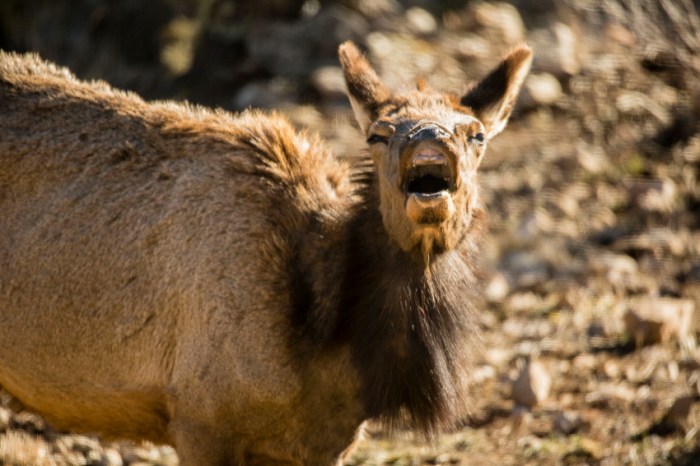
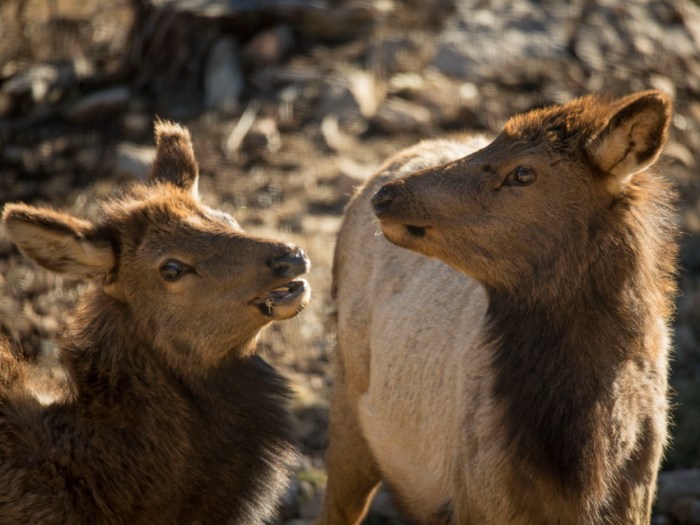
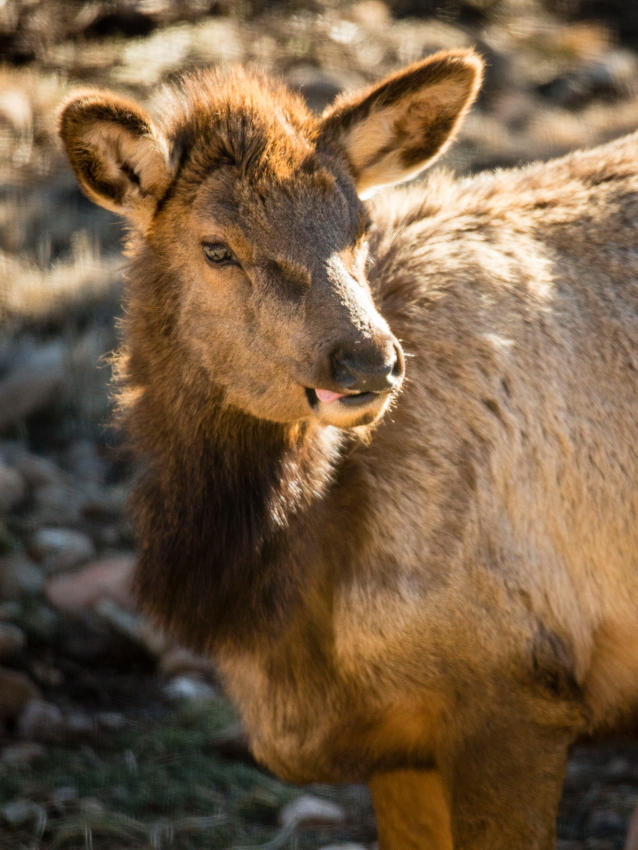
Just as ‘a picture tells a story’, so do the movements and expressions of my subject… and in this case, our elk.  Their territorial nudges, tender nose kisses, or ‘banter’ between themselves all convey emotion and interest.

elkgesturePSi.JPG

elkportPSi.JPG

I’ve been fortunate enough to get a lot of elk photos… but with the astute advice of a photography master… my photos can become better, more poignant, and tell a better story.

tiftPSi.JPG

noseupPSi.JPG

elktalkPSi.JPG

elksuklPS_1i.JPG


Spring comes early

We’ve only lived in the mountains with the snow for a few years (4 years this year).  So we are still trying to figure out the weather patterns and such.  I have no idea how you know when the snow is over, and Spring is on the way.  But then neither do the weather forecasters.

We got our last snow just last week, on Groundhog Day of all things.

craggletoothrdPSi.JPG

wickedtree_SSi.JPG

But since that snow, the animals have been coming out of hiding.  We have seen deer and elk in the community, in the forest, and on the roads.

deerwash_Ssi.JPG

As I type this, I’m watching this little bunny hopping around our front yard looking for food.  The chipmunks and squirrels are active… and the birds are coming back.  The ground is alive with blue jays and the occasional yellow bird even.

elk noses_Ssi.JPG

Yesterday we saw several wasps and bees make their first appearance.

We may have another dusting of snow still this winter… but it sure seems like the animals know something the rest of us don’t… Spring is coming.

momkiss_Ssi.JPG